
Pitoes das Junias Guide: Waterfall, Monastery & Visit Tips
Planning a trip to pitoes das junias? See the waterfall and monastery, how long to stay, when to go, and how it fits a Gerês itinerary.
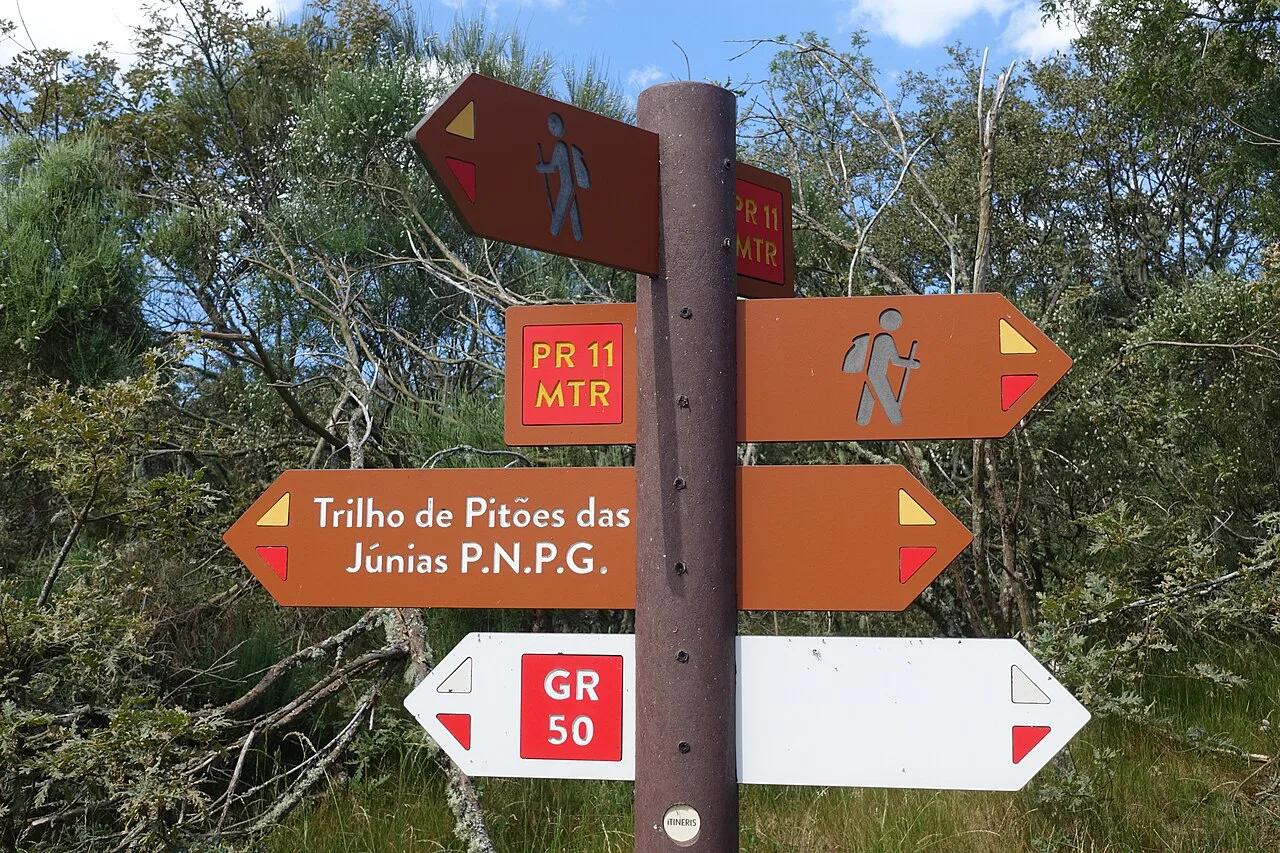
Last updated November 2026: pitoes das junias (Pitões das Júnias) is a remote granite village in the Montalegre municipality. It sits on the Barroso side of the Peneda-Gerês park. Two sights draw most visitors: a waterfall and the ruins of a Cistercian monastery. Plan a half day for both, or a night if you want the village to yourself. The one caveat is access, because you need a car and mountain weather at roughly 1,200 m can change fast.
Featured image: Joseolgon, CC BY 4.0, via Wikimedia Commons.
Pitoes das Junias at a glance: location, time and season
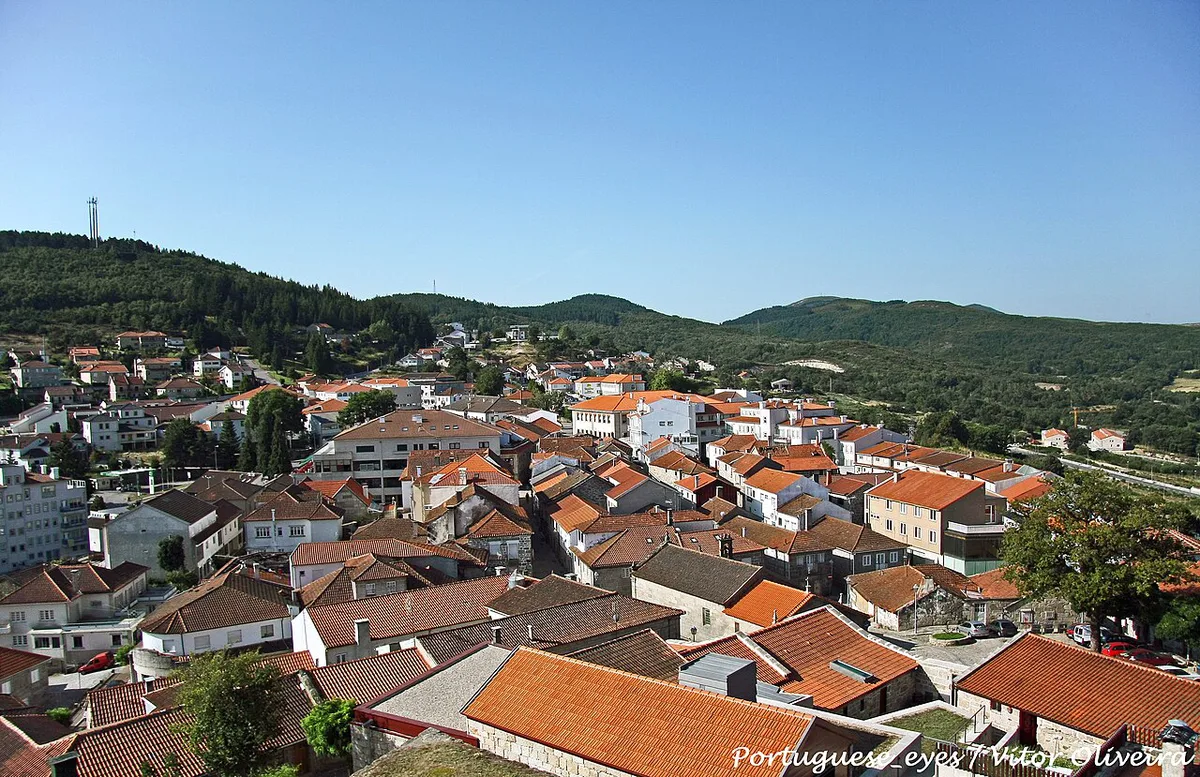
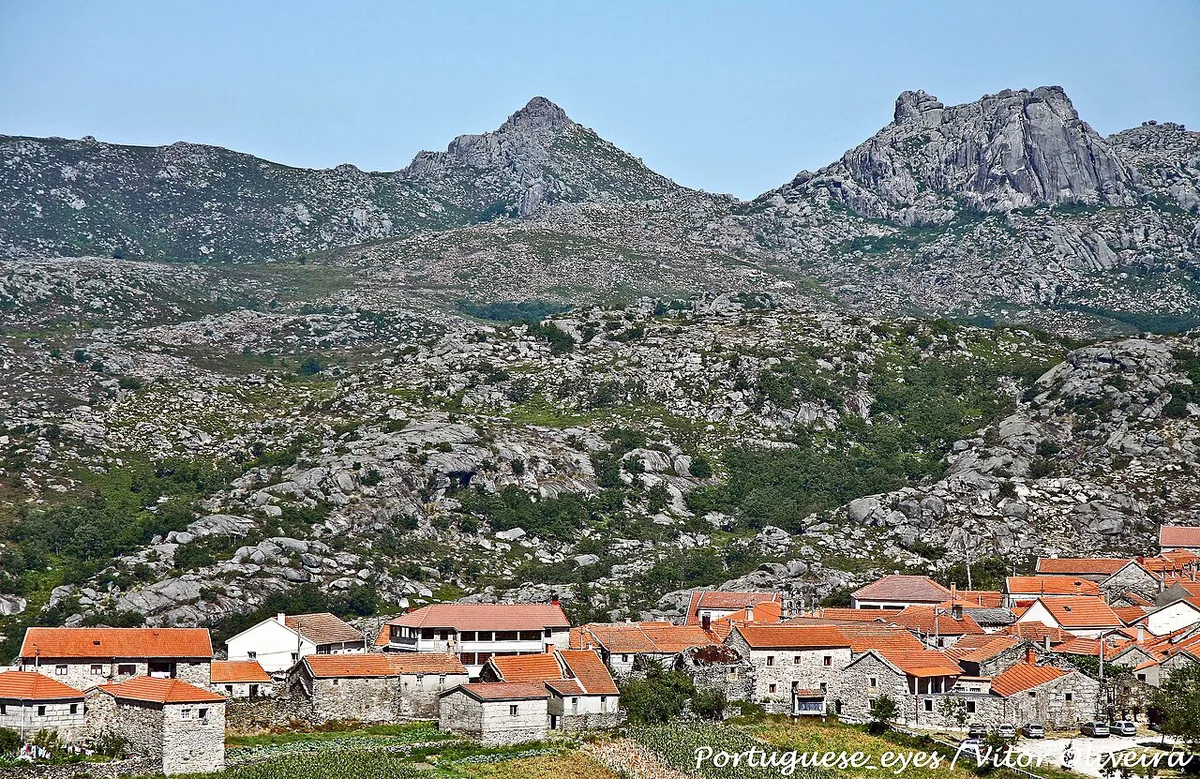
Pitões das Júnias is a parish of 36.89 km² with 151 residents in the 2021 census. It belongs to Montalegre, in the Alto Tâmega sub-region of the Vila Real district. Published altitudes range from about 1,100 m to 1,200 m, depending on whether the figure refers to the parish seat or the wider village. Either way, it ranks among the highest villages in Portugal.
The verdict is simple. It suits a half day to a full day, and a night here suits slow travelers who like silence over sightseeing.
- Location: Montalegre municipality, Barroso side of Peneda-Gerês National Park.
- Main sights: Cascata de Pitões das Júnias and Mosteiro de Santa Maria das Júnias.
- Village extras: communal oven, communal mill, Ecomuseu do Barroso pole, three chapels and churches.
- Time budget: 2–3 hours for a quick stop, a half day for waterfall plus monastery.
- Best season: spring for water flow, autumn for foliage, summer for warm days.
- Main trade-off: spectacular quiet in exchange for car dependence and few services.
Is Pitões das Júnias worth the detour?
It is worth it if you want a working mountain village rather than a polished attraction. The reward is a waterfall walk, a ruined monastery in a quiet valley and granite lanes with almost no traffic. It is not worth it if you expect ticketed attractions, fast services or a long list of restaurants.
The table below matches the village to the traveler.
| Traveler | Verdict | Why |
|---|---|---|
| First-time Gerês visitor | Yes, as a second stop | Shows the Barroso side of the park, which feels different from the usual lakes and trails |
| Hiker | Yes | Trails leave from the village, and the Mourela plateau is nearby |
| Family with children | Yes, with care | The waterfall loop is short, but wet granite needs attention |
| Photographer | Yes | Granite houses, the monastery arches and the falls in one day |
| Festival and culture seeker | Yes, if dates align | Entrudo, July storytelling evenings and an autumn magusto shape the calendar |
| Short on time | Only for 2–3 hours | Winding mountain approach roads eat into a tight schedule |
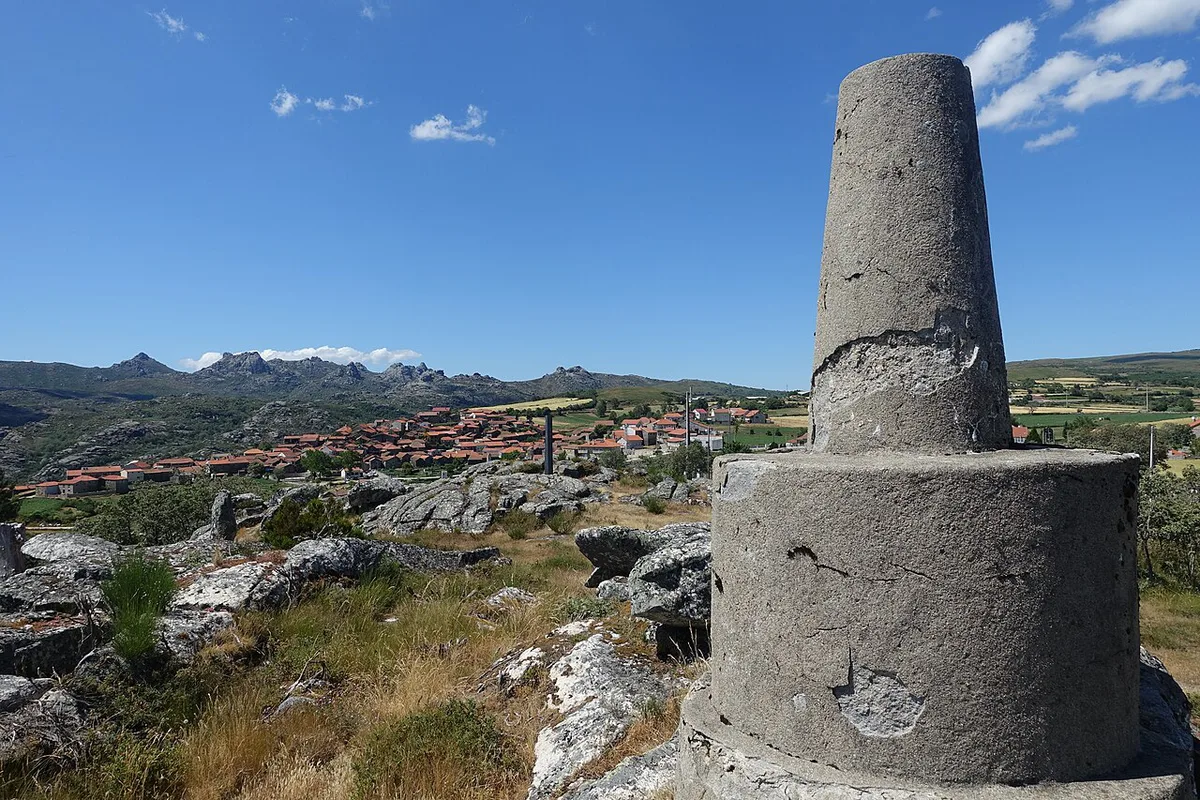
Getting there and getting around
Pitões das Júnias lies about 20 km from the town of Montalegre, which has more services and lodging. Treat a car as the realistic option. No dependable public transport schedule is published for the final stretch, so ask the Câmara Municipal de Montalegre before you plan around a bus.
The approach roads are narrow and mountainous. Winter brings ice, fog and occasionally snow at this altitude. Leave the car in the village and walk to the waterfall and the monastery. For trail rules, access limits and seasonal restrictions, check the ICNF protected-areas pages before you set out.
If you are coming from the Minho side, expect a different drive from the one to Soajo on the Minho side. Fuel up and download offline maps before leaving Montalegre.
The waterfall: Cascata de Pitões das Júnias
The Cascata de Pitões das Júnias is reached on foot from the village by a path with boardwalk sections. The route crosses oak woods, farmland patches and granite outcrops. A waymarked loop from the car park to the waterfall viewpoint is listed at 4.87 km. Allow about 1.5 to 2 hours with photo stops, as an estimate.
The stream drops in several steps. Local descriptions put the first drop at about 30 m, into a pool rimmed with granite. From the top you look over the Beredo oak wood toward the Gerês ridge.
Spring usually gives the strongest flow, by local accounts. Summer is warmer, and the water is lower. Granite stays slick near the falls, so wear shoes with real tread. Smooth soles are the most common mistake here. Ask locally or at the park office before you swim, because rules can change.
- Effort: moderate, with a climb on the return to the village.
- Footwear: hiking shoes or trail runners with grip.
- Weather: skip the lower viewpoints after heavy rain or in ice.
- Next waterfall: for another falls in the park, see another waterfall in the park.
Mosteiro de Santa Maria das Júnias
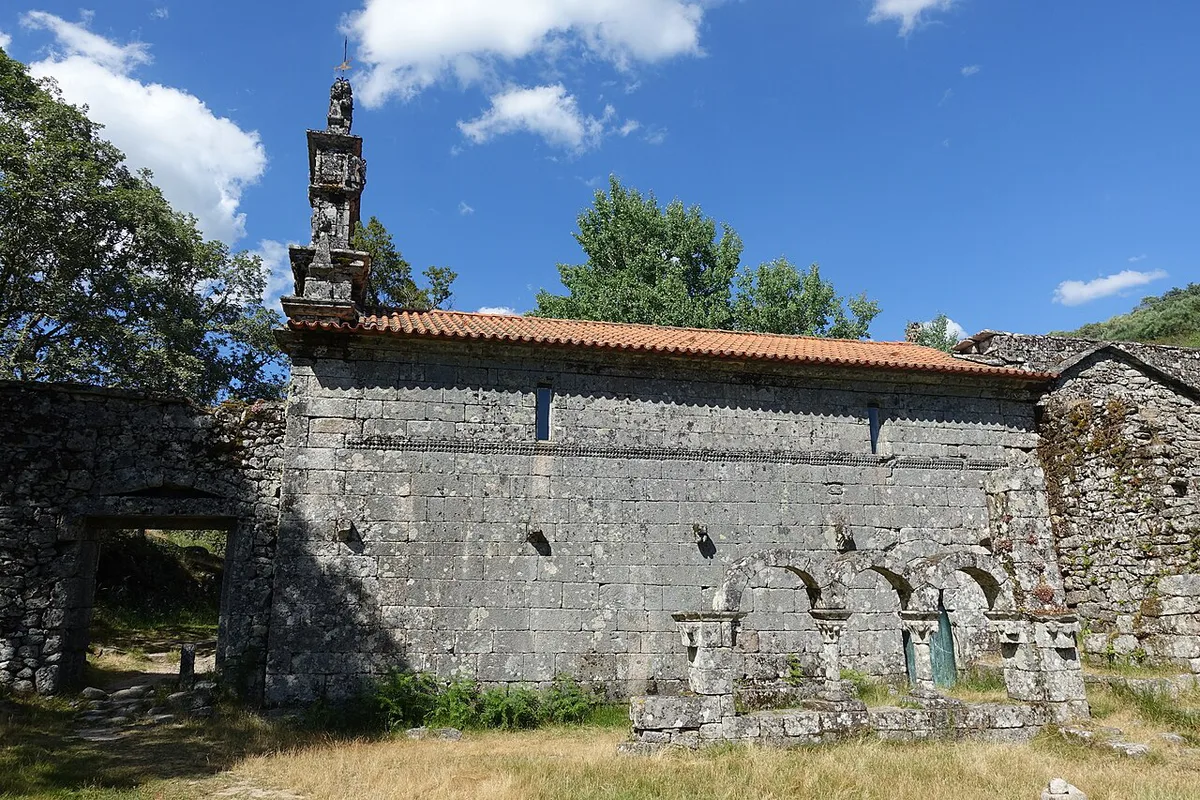
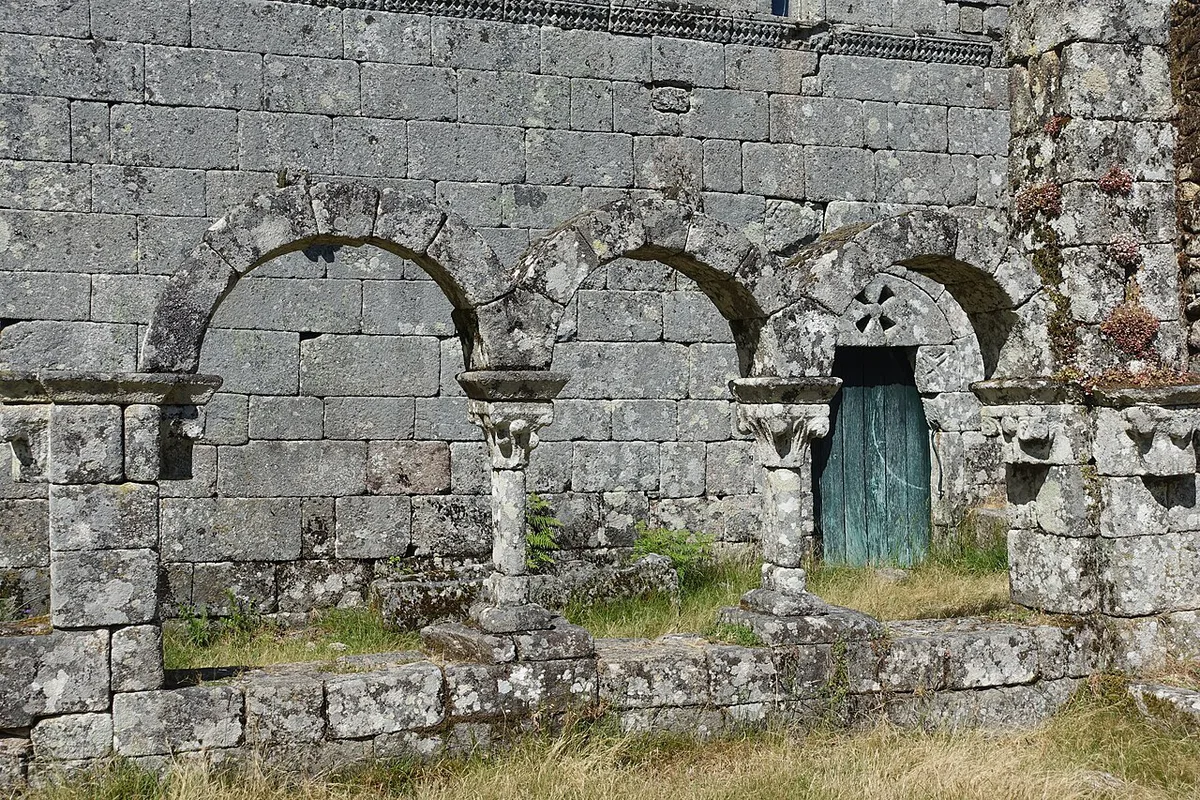
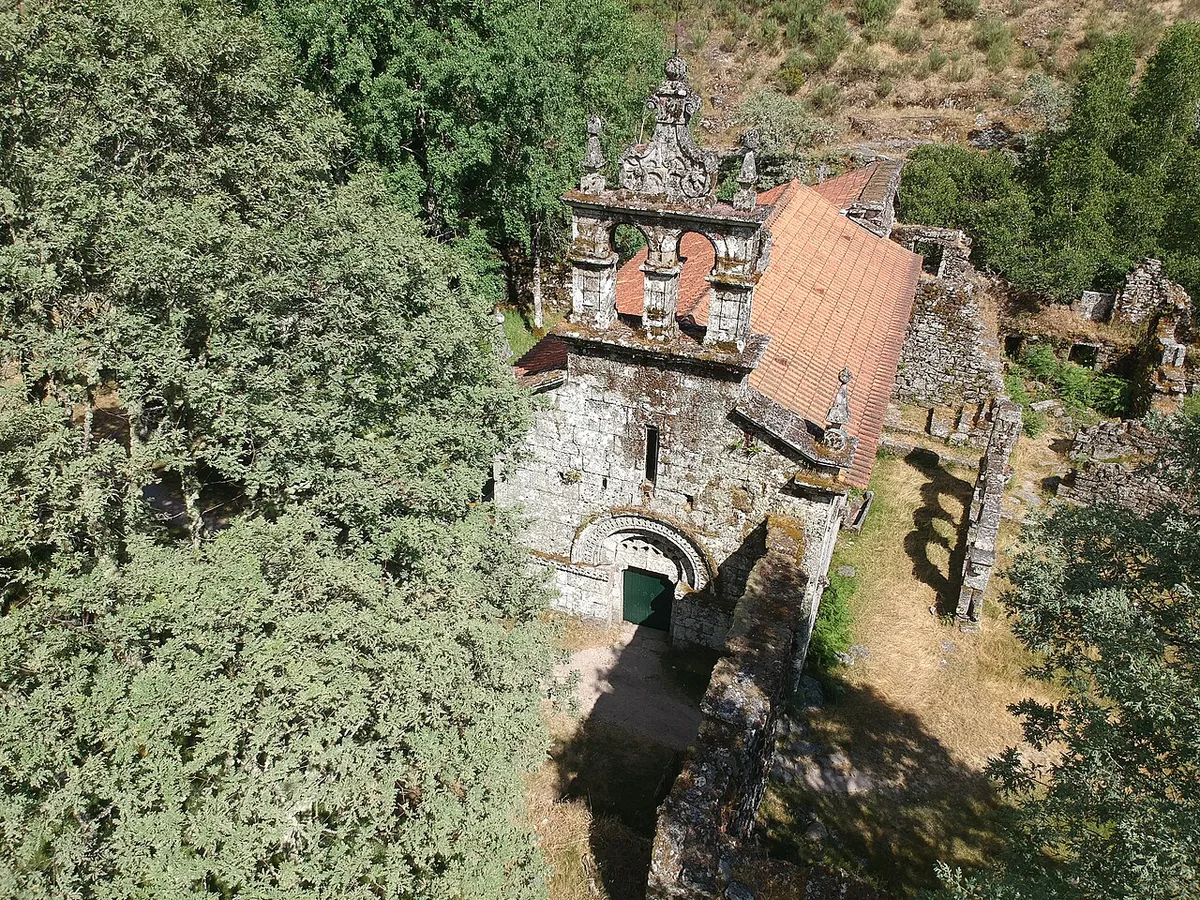
The monastery stands in a quiet valley about 2 km from the village, between the Mourela plateau and the Gerês ridge. It was founded in the first half of the 12th century. It later joined the Cistercian order and is now a ruin with the church still standing. It is a national monument, and the Visit Portugal monument entry describes the site.
Leave the car in the village, since the monastery is about 2 km from the village and the waterfall loop runs 4.87 km, so both fit one half day.
The last Cistercian monk became the village priest in 1834, when religious orders were dissolved in Portugal. An earlier origin around the 9th century is believed, but it is a tradition rather than a confirmed fact.
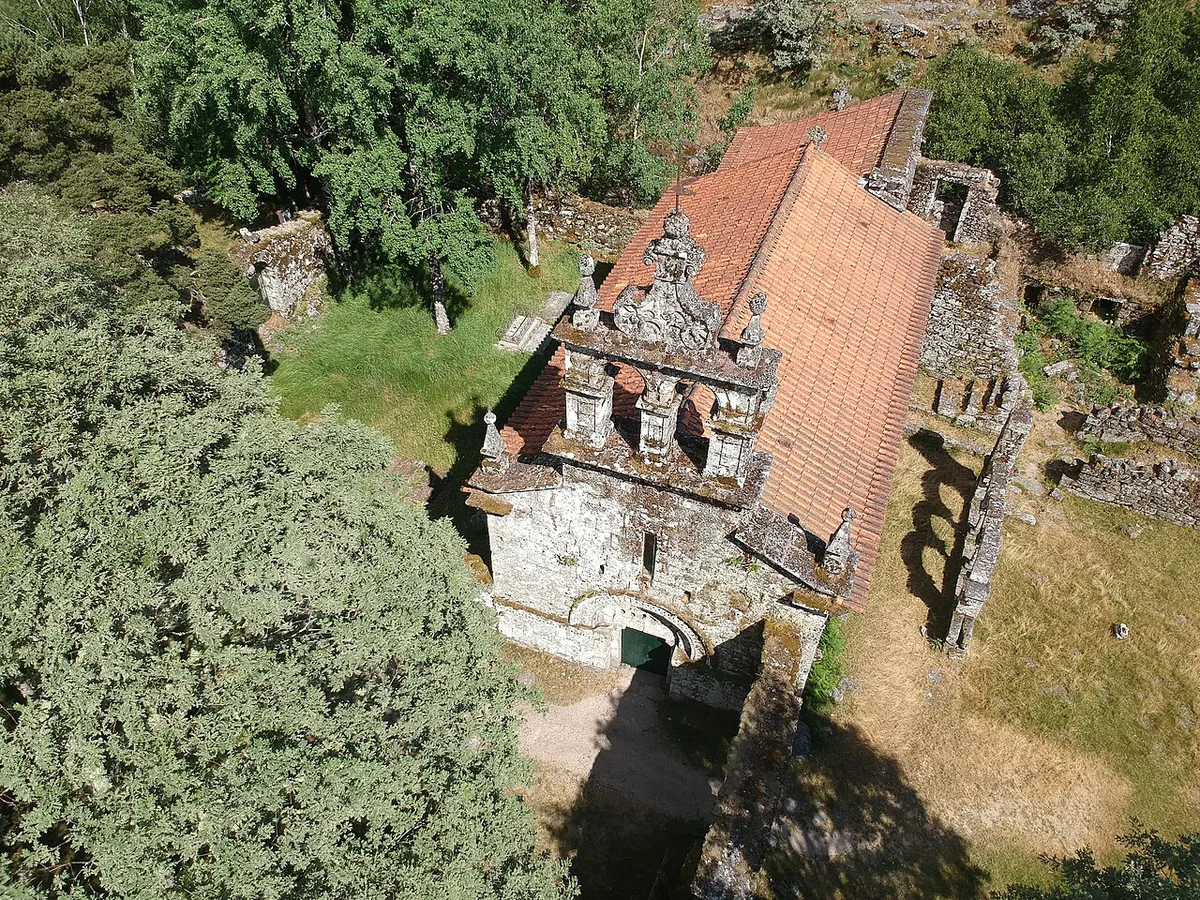
Look for the modest side portal of the church and the arches of the cloister. A stream runs through the valley, and its sound is the main soundtrack. Check with the municipality or ICNF about opening and any fencing before you go. A pilgrimage links the village to the monastery on the feast of the Assumption in mid-August.
You can pair monastery and waterfall in one half-day outing. Start with the walk to the ruins in the morning light, then return to the village for lunch.
One-day plan and time trade-offs
Pick the schedule that matches your day. All durations are estimates, so add time for photo stops and mountain weather. Entry to the outdoor sights is on public paths. The municipality can tell you whether the ecomuseum charges a fee.
| Plan | Time | Effort | What you see | Best for |
|---|---|---|---|---|
| Quick stop | 2–3 hours | Low to moderate | Village lanes plus the waterfall viewpoint | Road trippers on a tight schedule |
| Half day | 4–5 hours | Moderate | Village, waterfall and monastery | Most first-time visitors |
| Full day | 6–8 hours | Moderate to high | Half-day plan plus a longer trail or a nearby sight | Hikers and photographers |
The village itself
Granite houses line the lanes, and many community buildings survive. The Corte do Boi do Povo is a pole of the Ecomuseu do Barroso. It tells the story of village life, the Barrosã cattle and the communal grazing system known as the vezeira.
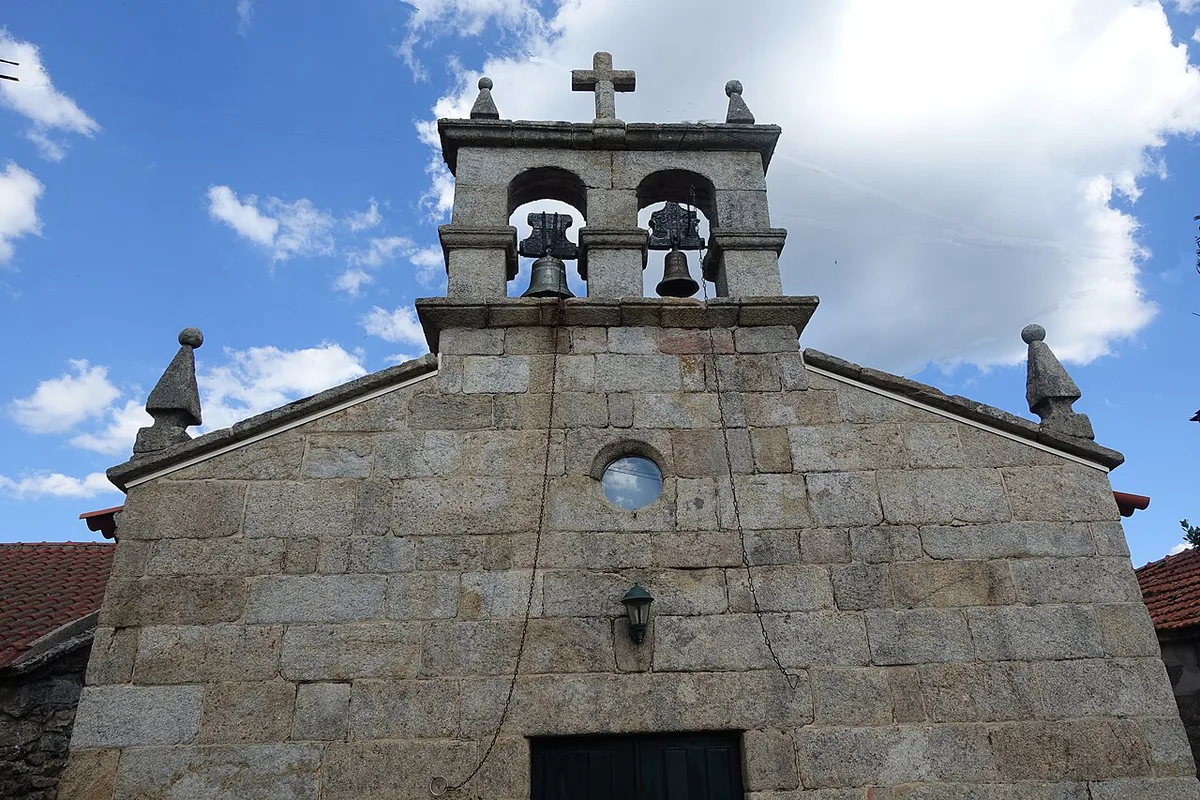
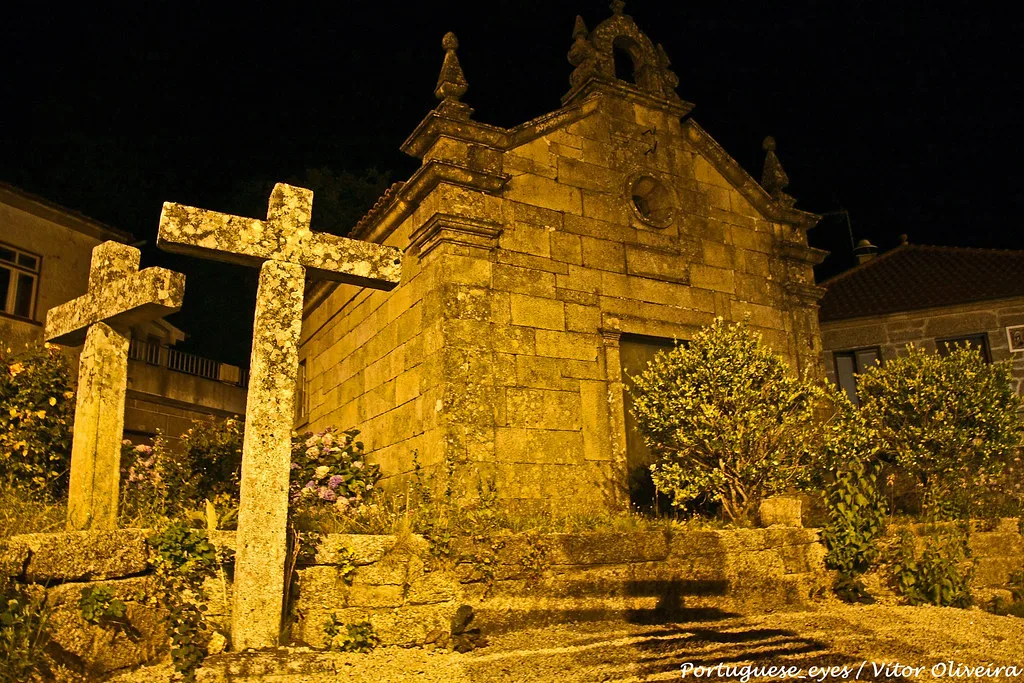
You will also find the communal oven, which still bakes bread, and a communal mill. Religious sites include Igreja de São Rosendo, Capela do Anjo da Guarda and Capela de São João da Fraga. Local smoked meats and rye bread are the food to look for.
Village services are limited. Ask at the municipality or the parish for current ecomuseum hours. Restaurants and cafés keep short hours outside high season, so confirm lunch plans before you commit.
Festivals and the best time to visit
The village keeps an active calendar, but dates shift from year to year. Check the Montalegre municipal calendar and the parish website for 2026–27 dates. Altitude means cold and fog can arrive outside winter, so pack layers even in shoulder months.
| Season | Water flow | Weather and roads | Events and crowds |
|---|---|---|---|
| Spring | Strongest, reported | Mild, some rain | Quiet, wildflowers on trails |
| Summer | Lower | Warm days, cool nights | Fiadeiros de Contos storytelling in July; August Assumption pilgrimage |
| Autumn | Moderate | Cooling quickly, fog possible | Magusto Celta before winter; foliage |
| Winter | Variable | Cold, ice and snow risk on mountain roads | Entrudo with Caretos and Farrapões; fewest visitors |
Where to eat and stay
Choose between a night in the village and a base in Montalegre, about 20 km away. A village guesthouse or turismo rural gives you sunset, silence and early access to the trails. Montalegre offers more rooms, more restaurants and more services.
Places in Pitões are few, so book ahead for festival weekends. Carry some cash, and check phone coverage on your route. Look up current options on a booking platform or through the municipality, since small guesthouses change owners and opening times.
Nearby add-ons and how to combine them
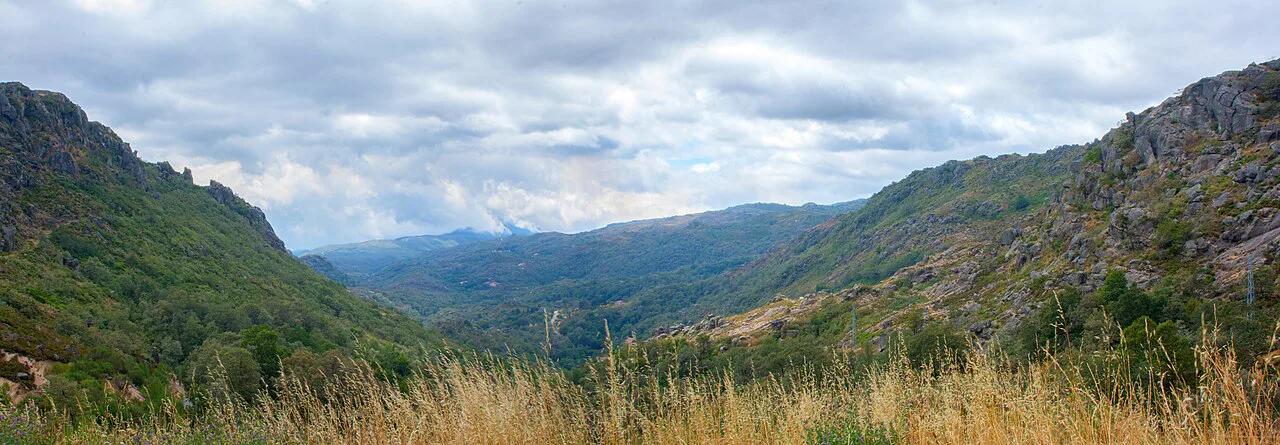
The Mourela plateau, next to the village, has an interpretation centre in a former shelter house and trails of every level. Cascata Cela Cavalos and the Sete Lagoas are other water sights in the park. Aldeia Velha de Juriz is an abandoned medieval settlement said to lie about 1.5 km southwest of the village. Ask locally for the path.
Termas de Río Caldo is an optional detour into Spain, on the Ourense side. Check border and driving logistics before you go. For the wider park, return to the Gerês park guide.
If you want another remote northern landscape, see another remote northern park. For high-altitude Portugal elsewhere, Serra da Estrela Guide: Seasons, Sights & Access offers a contrast.
Common mistakes to avoid
A few errors cost visitors time or comfort.
- Arriving late for the monastery walk and losing the best light.
- Assuming cafés, shops or the ecomuseum are open.
- Underestimating mountain weather at roughly 1,200 m.
- Wearing smooth soles near wet granite at the falls.
- Treating Pitões as a drive-through stop instead of a half-day visit.
- Trusting fixed distances from an app instead of local signs and advice.
- Skipping a park-hopping plan. For other parks, see National Parks in Portugal: Which Ones to Visit and How.
Notes for your next park visit
Optional updates to our national park guides.
Read next

Keep planning
Picked from the same area