
Sintra-Cascais Natural Park Guide: Trails, Coast & Planning
Plan a visit to Sintra-Cascais Natural Park: coastal and forest trails, Cabo da Roca, how to get around, costs, seasons and common mistakes.
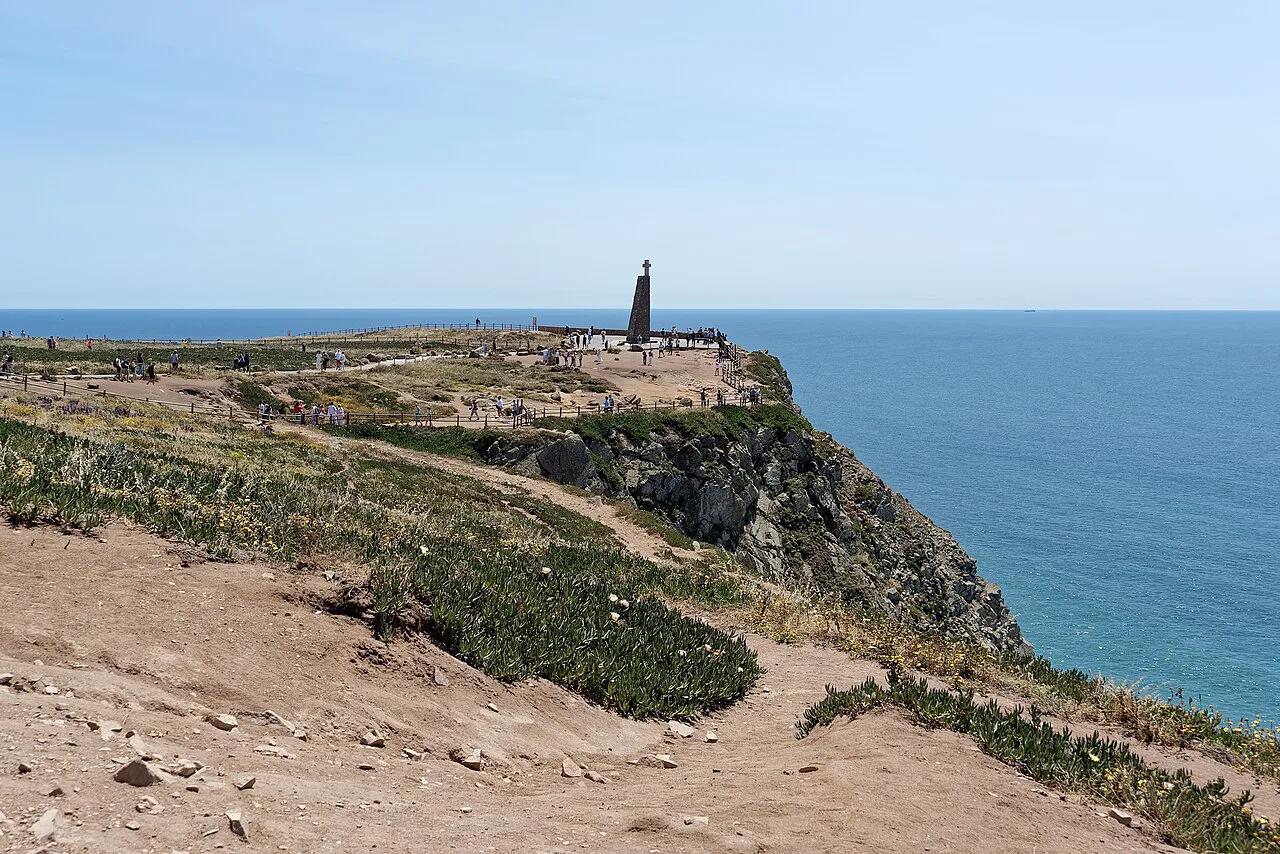
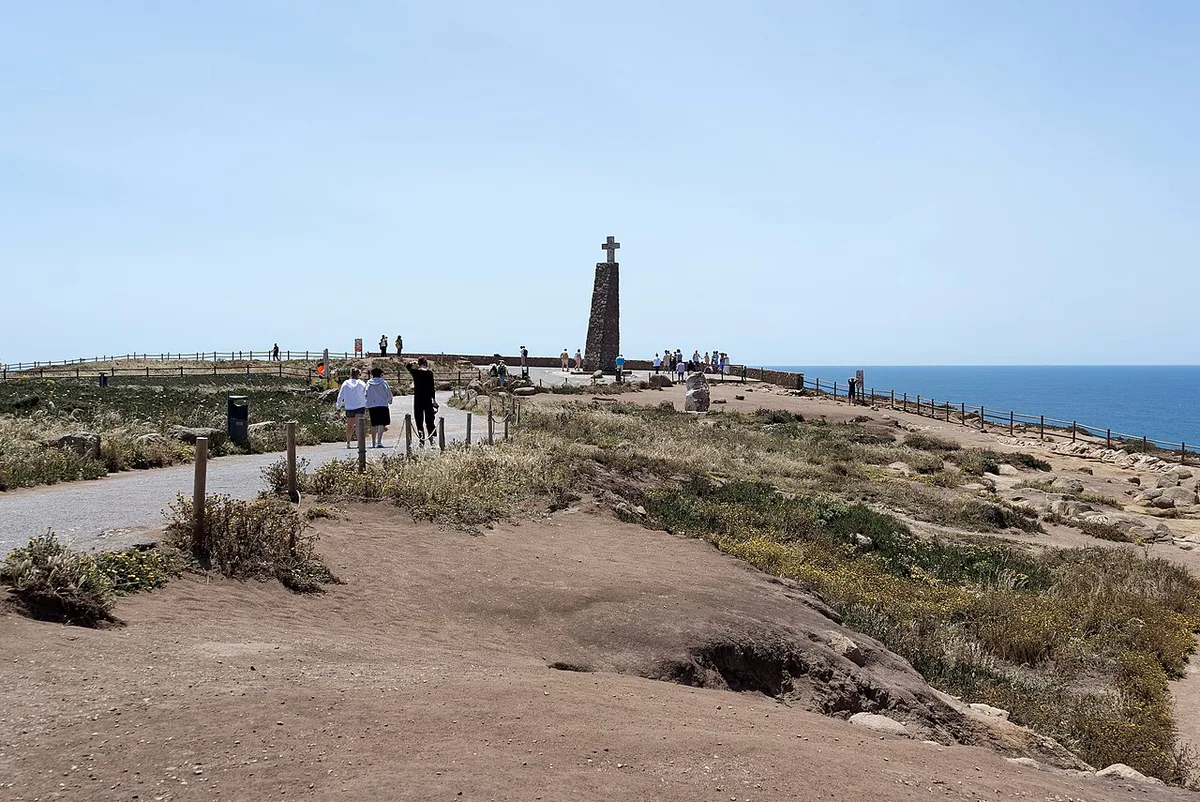
Last updated November 2026. Sintra-Cascais Natural Park is the protected landscape of forested hills, Atlantic cliffs, dunes and beaches west of Lisbon, running from the Serra de Sintra to Cabo da Roca and the Cascais coast. It overlaps with the Sintra palaces but is not the same thing, because the park is open landscape and the palaces are separate ticketed sites. This guide shows how to split your time between them.
Featured image: Jakub Hałun, CC BY 4.0, via Wikimedia Commons.
Sintra-Cascais Natural Park at a glance
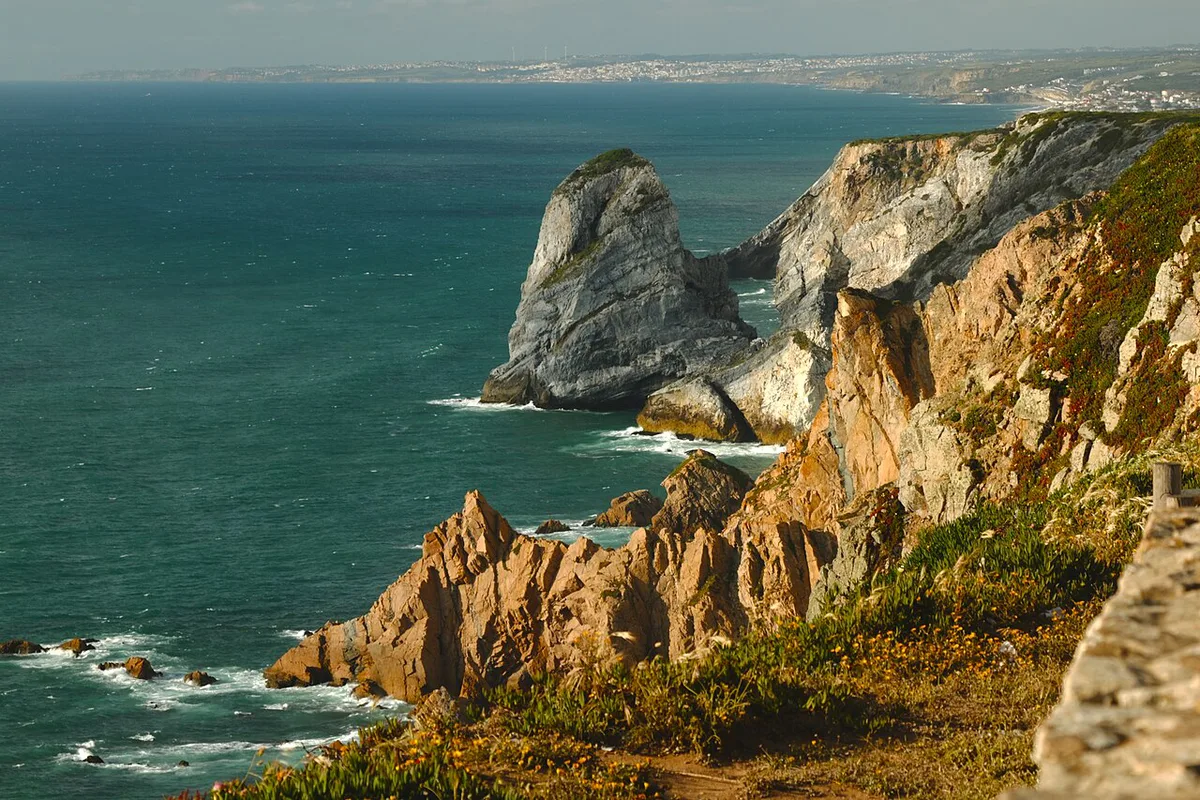
The park covers the hills behind Sintra village, the cliffs around Cabo da Roca and the sandy coast toward Cascais. Altitude runs from sea level to about 528 m (roughly 1,730 ft), so you can pass from beach dunes to cool, damp forest within a single day. Protected-area rules come from the national conservation body, listed on the ICNF protected areas site. Palace and garden tickets come from Parques de Sintra.
- Location: west of Lisbon, between Sintra, Cascais and Cabo da Roca.
- Character: pine and Atlantic forest, sea cliffs, beaches, dunes and small villages.
- Free to roam: open trails, beaches and viewpoints.
- Ticketed: the palaces and their gardens, plus guided tours.
Best things to do in Sintra-Cascais Natural Park, by landscape

Group your plans by landscape rather than by a single checklist of sights. Hills, cliffs and beaches each need different footwear, timing and transport. Pick one or two types per day.
- Serra de Sintra forest: the Serra de Sintra Circular Trail (PR1) is listed at about 7.5 miles (12 km), moderate, and passes Moorish castle walls and Pena Palace viewpoints. Pena Park trails add roughly 2.5 miles (4 km) of easier walking. The Peninha sanctuary area is a quieter hill option.
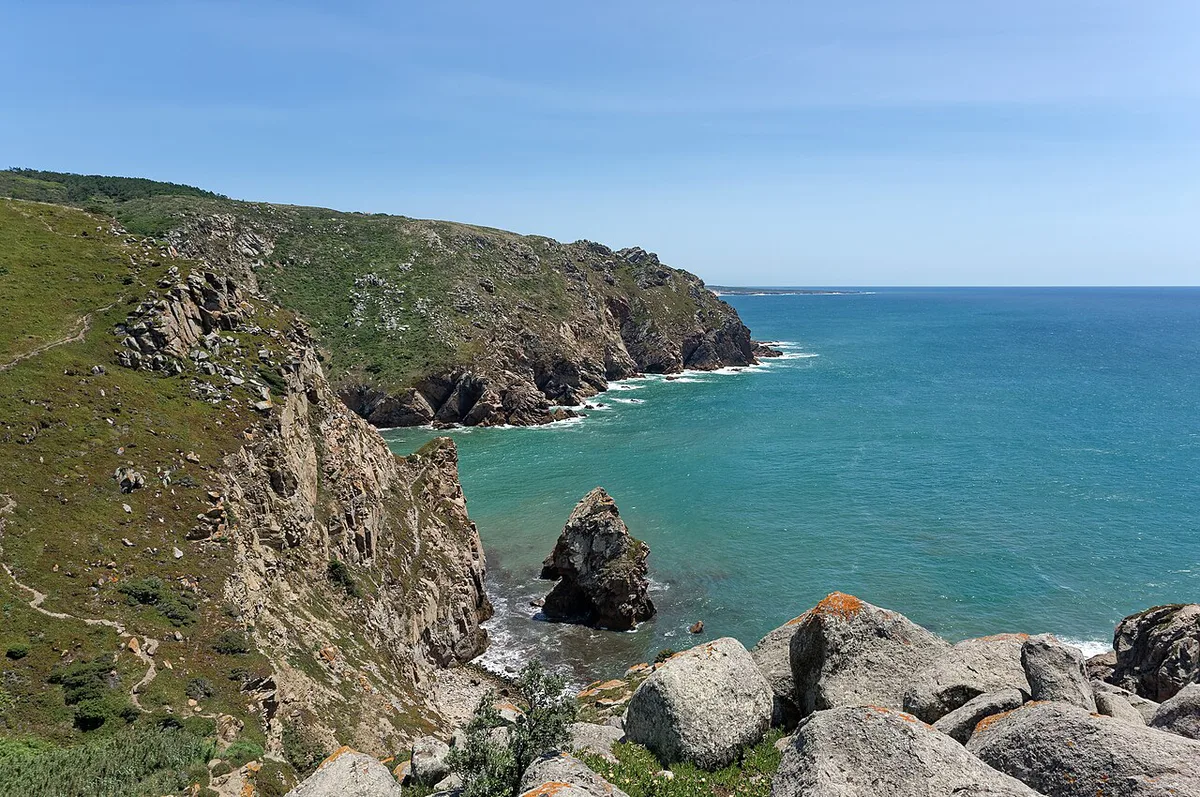
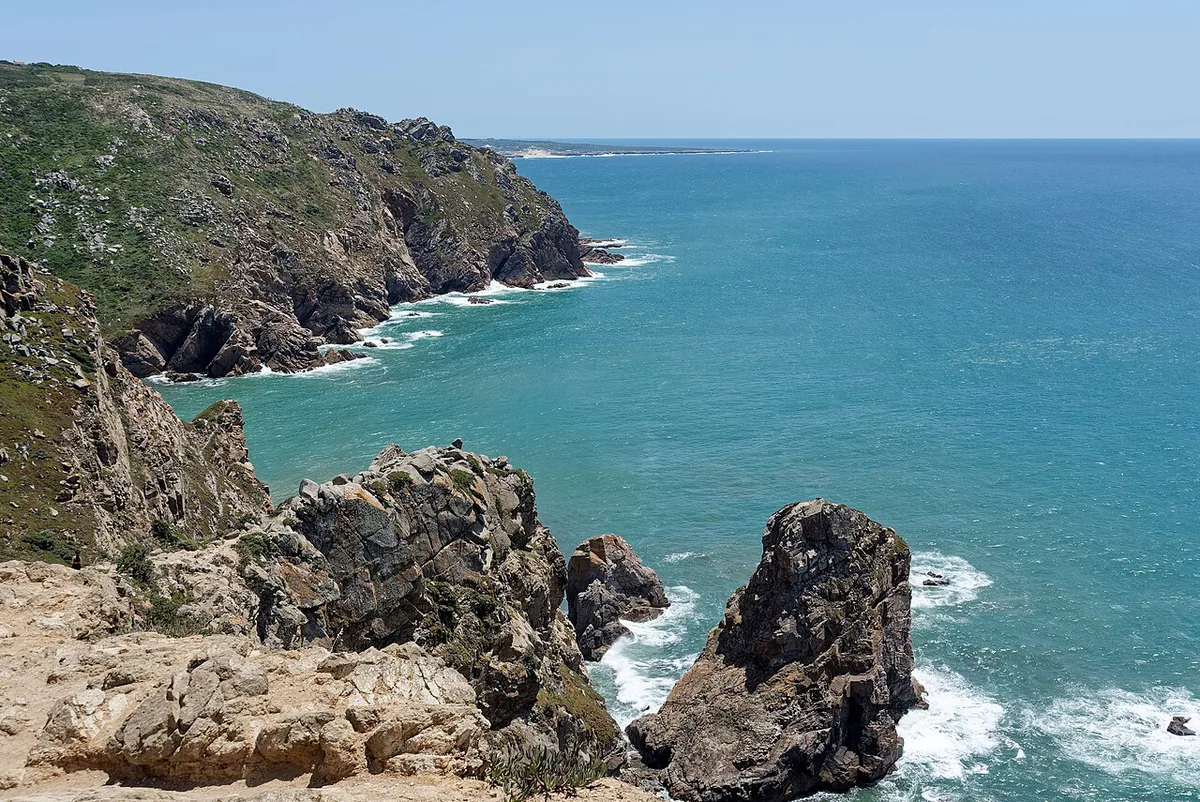
- Atlantic cliffs: the Cabo da Roca coastal path is listed at about 4 miles (6 km), easy, along windswept headlands. Adraga Beach to Praia Grande is about 3 miles (5 km), moderate, with fossil footprints and sea stacks.
- Beaches and dunes: Guincho and Cresmina have dune paths. Praia da Arriba and Praia do Giribeto are quieter coastal stops near Cascais.
- Short stops: Barragem do Rio da Mula and Quinta do Pisão are low-effort walking spots. Treat them as add-ons, not headline sights.
Choose your route in Sintra-Cascais Natural Park
Match the route to your energy, transport and how much daylight you have. Distances are approximate and come from published trail listings.
| Route | Time needed | Effort | Transport | Best for | Main trade-off |
|---|---|---|---|---|---|
| Short coast stop at Cabo da Roca | Short visit | Easy | Bus, taxi or car | First-timers with little time | Exposed to wind, crowded at midday |
| Cabo da Roca coastal path (about 4 miles / 6 km) | Half day | Easy | Car or taxi helps | Cliff views and ocean panoramas | One-way walking needs a return plan |
| PR1 forest loop (about 7.5 miles / 12 km) | Most of a day | Moderate | Train to Sintra, then local transport | Forest, castle walls, Pena viewpoints | Long, and mist can hide the views |
| Guided Peninha hike (about 3 miles / 5 km) | About 4 hours with transfers | Low | Meet at Cascais train station | Easy walking without planning | Booked group, fixed schedule |
How much time to plan
Half a day suits one landscape. Do the Cabo da Roca coastal path, then finish in Cascais for the beach and town. One day lets you pair the hills with the coast, starting in the Serra de Sintra and ending at Guincho or Cabo da Roca. Two days let you separate the palaces from the park. Spend one day on Pena Park and the PR1, and the other on the cliffs and dunes. Cramming palaces and the park into one day is the most common planning mistake.
Costs, tickets and opening hours
Trails, beaches and viewpoints in the park are open landscape, while palaces, gardens and guided tours are ticketed. Check current fares, hours and any parking rules on the Parques de Sintra site before you go. Prices and hours checked November 2026.
Getting there and getting around
Lisbon has train links to both Sintra and Cascais, and these are the cheapest starting points. Check current timetables with the rail and bus operators, or on Visit Portugal.
- Train plus local bus: lowest cost, but you depend on schedules and a last return.
- Taxi or ride-hail: flexible between trailheads, but costs add up over several hops.
- Rental car: the most freedom for the cliffs and dunes, but parking is tight on summer weekends.
- Guided tour: no planning, but fixed times and group pace.
Where to stay
Sintra village puts you beside the hills for early starts before the palace crowds arrive. Cascais and Estoril give you coastal access, beaches and more evening transport back to Lisbon. Lisbon works as a base if you plan one short day trip, but it adds a train leg each way. Choose by which landscape you want first.
Stargazing and the night sky
Expect suburban skies, not dark-sky conditions. Published light-pollution data rates the park at Bortle class 5. The cliffs are windy and cold after dark, have little lighting, and make night walking risky. Treat stargazing as a bonus at a beach or lodging, not a reason to visit.
Bortle class 5 skies are a bonus, and evening transport from Cascais or Estoril back to Lisbon makes a beach stay the easier night option.
Seasons, safety and mistakes to avoid
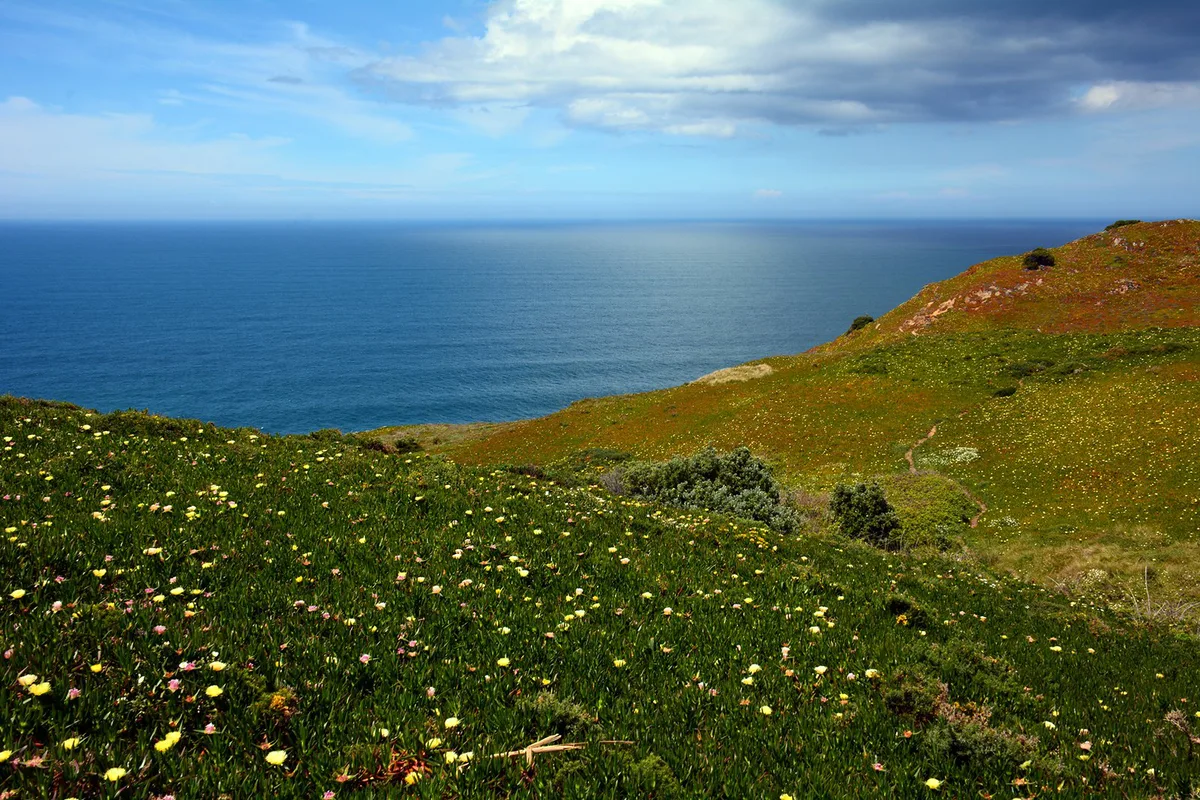
Mist often settles on the Serra de Sintra hills, so views from Pena viewpoints can vanish. Wind is strongest on the Cabo da Roca cliffs, and the edges are unfenced in places. Stay on marked trails and wear shoes with grip. Dry months bring fire restrictions, so check the park authority's current rules. Summer brings the heaviest crowds on the hills.
- Trying to fit the palaces and the park into one day.
- Starting a one-way hike with no return transport planned.
- Walking cliff edges in strong wind.
- Counting on clear views in the hills without checking the forecast.
- Arriving at the busiest viewpoints at midday in summer.
Extending your trip beyond Sintra-Cascais
Other coastal parks near Lisbon include Arrábida Natural Park. For a very different wetland coast, see Ria Formosa Natural Park: How to Visit, Islands & Trails. For the full list, browse National Parks in Portugal: Which Ones to Visit and How. Wilder mountain terrain lies much farther north, as in Peneda-Gerês National Park, Serra da Estrela Guide: Seasons, Sights & Access and Montesinho Natural Park Guide: Villages, Wildlife & Planning. Each needs its own trip.
Frequently Asked Questions
Is it possible to do Sintra and Cascais in one day?
Yes, if you keep it to one landscape plus the town. Pair the Cabo da Roca coastal path with Cascais, or visit the hills and skip the coast. Adding palace visits as well will feel rushed.
Is Sintra Palace and Pena Palace the same?
No. Pena Palace is one of several palaces and gardens in the Sintra hills, each with its own ticket. Parques de Sintra lists the current sites and fares.
What to avoid in Sintra?
Avoid squeezing every palace and a long hike into one day. Skip cliff edges in strong wind. Do not start a one-way trail without a return plan.
Notes for your next park visit
Optional updates to our national park guides.
Read next

Keep planning
Picked from the same area