
Montesinho Natural Park Guide: Villages, Wildlife & Planning
Plan Montesinho Natural Park in northeast Portugal: villages, wildlife, when to go, where to base yourself, and how to get around without guesswork.
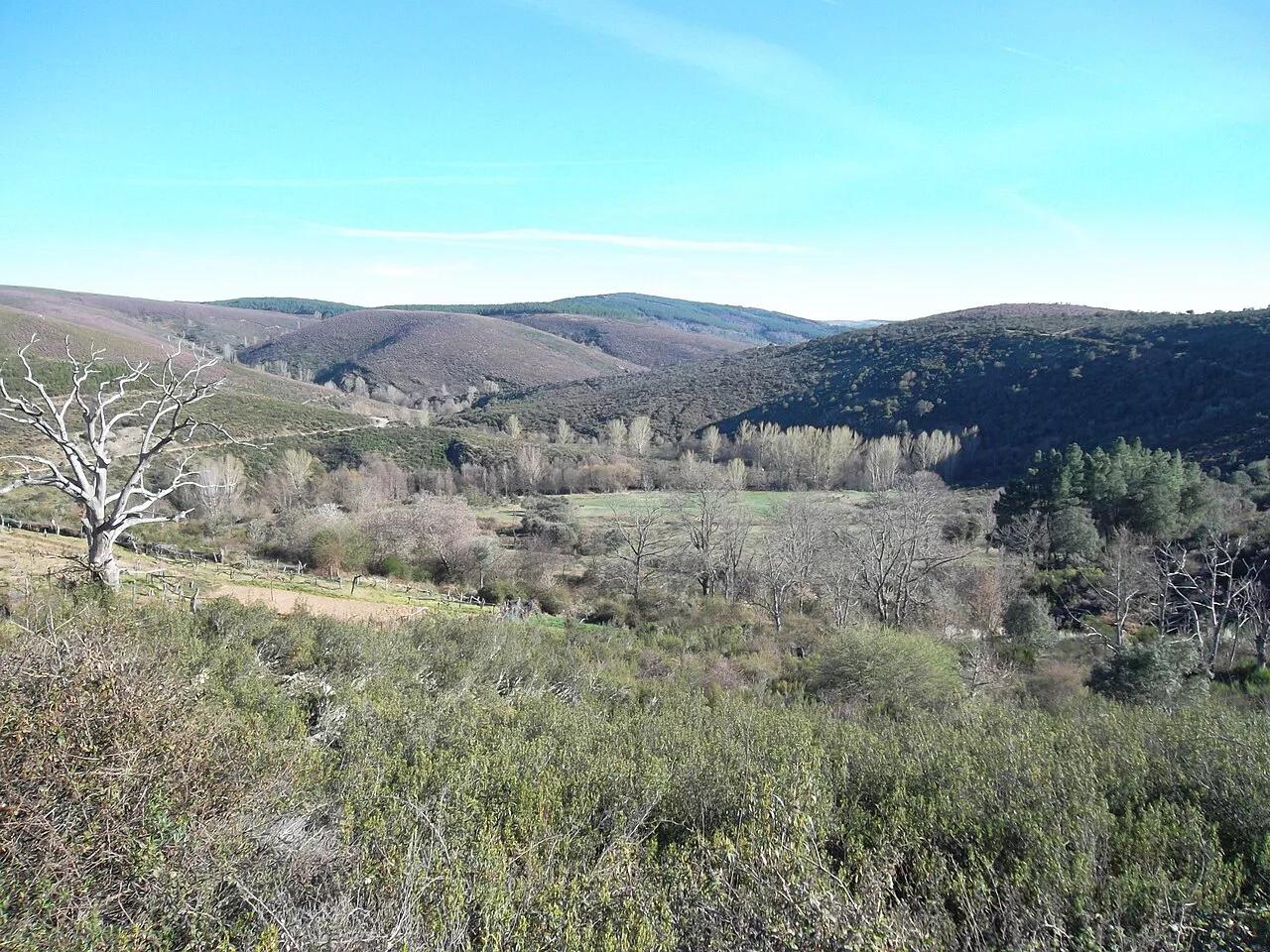
Last updated November 2026: Montesinho Natural Park covers 74,229 hectares of mountain, oak wood and stone villages in far northeast Portugal, on the Spanish border. It suits self-drivers, slow-travel fans and nature lovers who want quiet. Skip it if you have no car or only a short Lisbon and Porto trip, and see our guide to National Parks in Portugal: Which Ones to Visit and How for easier options.
Featured image: Hurtuv, CC BY-SA 3.0, via Wikimedia Commons.
Montesinho Natural Park at a glance
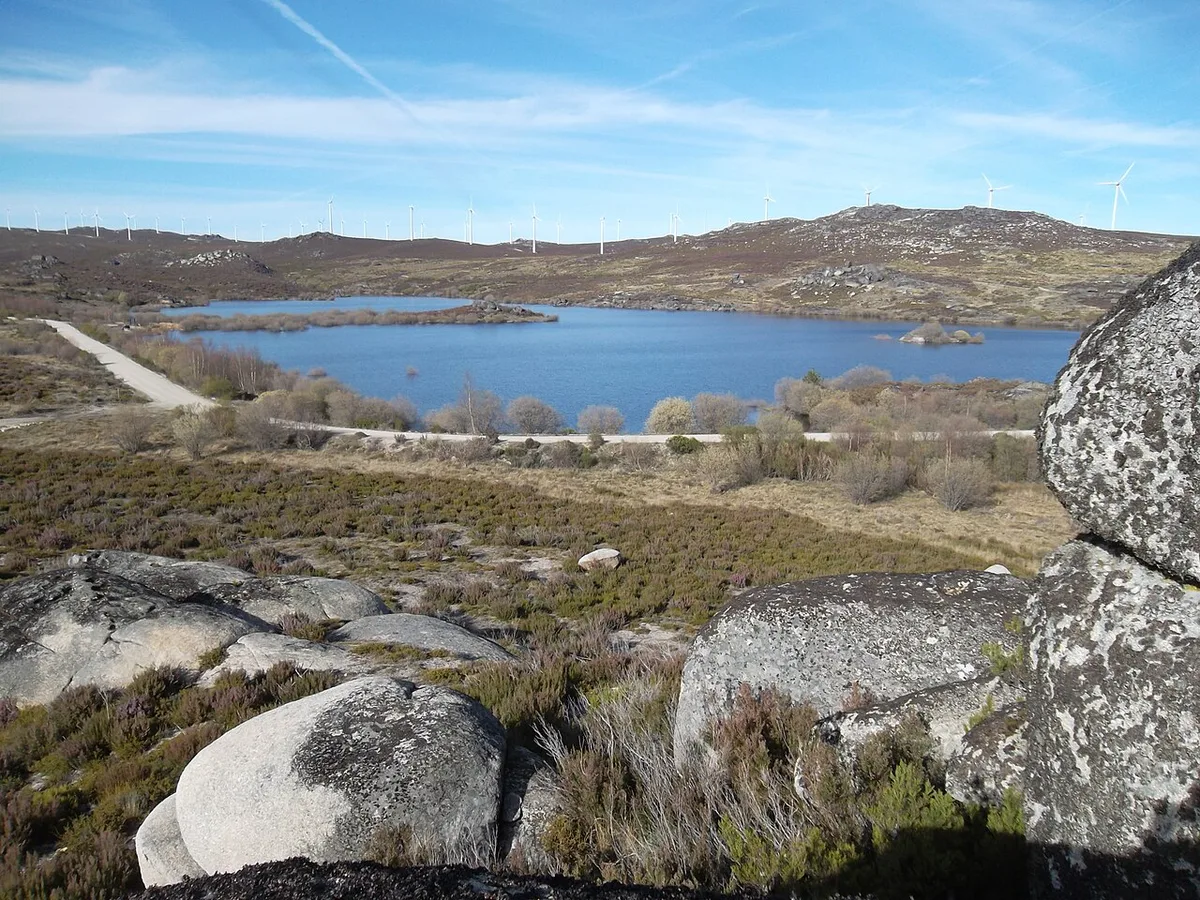
Montesinho sits in Trás-os-Montes, in the northern parts of the Bragança and Vinhais municipalities. It adjoins Galicia and Zamora in Spain. The park was created in 1979 and reclassified in 1997, and ICNF manages it. Altitude runs from about 438 m (1,437 ft) to 1,481 m (4,859 ft).
- Area: about 74,229 hectares (roughly 183,000 acres)
- Mountains: Serra de Montesinho and Serra da Coroa
- Rivers: Sabor, Maçãs, Baceiro, Mente, Rabaçal and Tuela, all draining to the Douro basin
- Protection: Natura 2000 site (Montesinho/Nogueira), listed for habitats and for birds
- Climate: Mediterranean with mountain influence, roughly −12 °C to 40 °C (10 °F to 104 °F)
- Best for: self-drivers, walkers, birdwatchers and village-hopping
Is Montesinho worth visiting? Who should go and who should skip it
Go if you want empty roads, chestnut and oak woods, and villages where stone houses outnumber visitors. Montesinho is more remote and less developed than Peneda-Gerês, so expect fewer facilities and fewer crowds. Pair it with a trip west only if you have several days to spare. Skip it if you rely on public transport or have one night. For another remote northern village, read about Pitões das Júnias. Readers who prefer a higher, more accessible massif can look at Serra da Estrela Guide: Seasons, Sights & Access.
How to get to Montesinho and get around
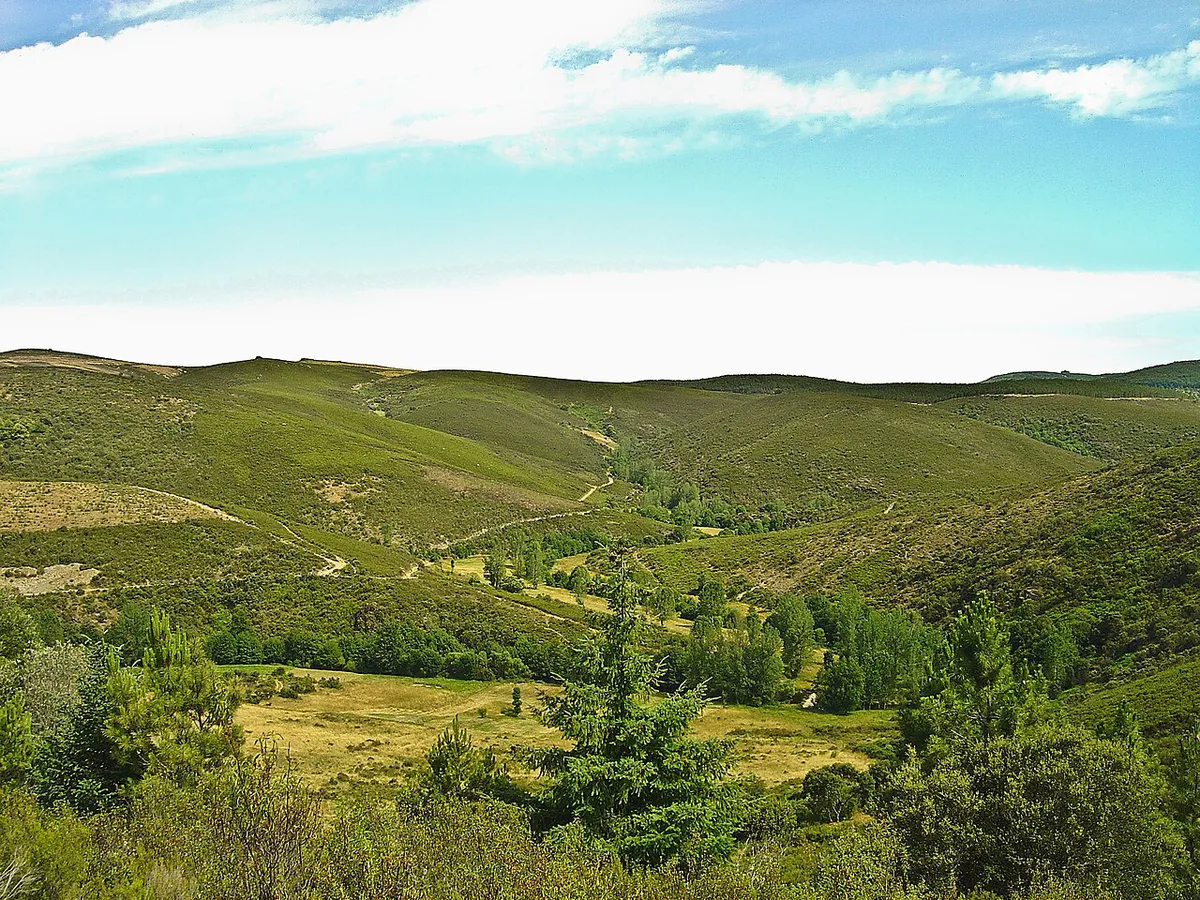
Treat Montesinho as a self-drive destination. Bragança is the largest town and the natural gateway, and the park lies to its north. Villages worth driving to include Rio de Onor, Montesinho village in França parish, and Santa Cruz near Vinhais. Distances between villages are best checked in a routing app, because mountain roads are narrow and slow. Altitude up to 1,481 m means winter driving needs care after cold nights. Public transport into the park is limited, so check current operators and the Bragança and Vinhais municipal tourism offices before relying on it. Fill the tank in town and download offline maps before you head for the villages.
Best villages and places to see
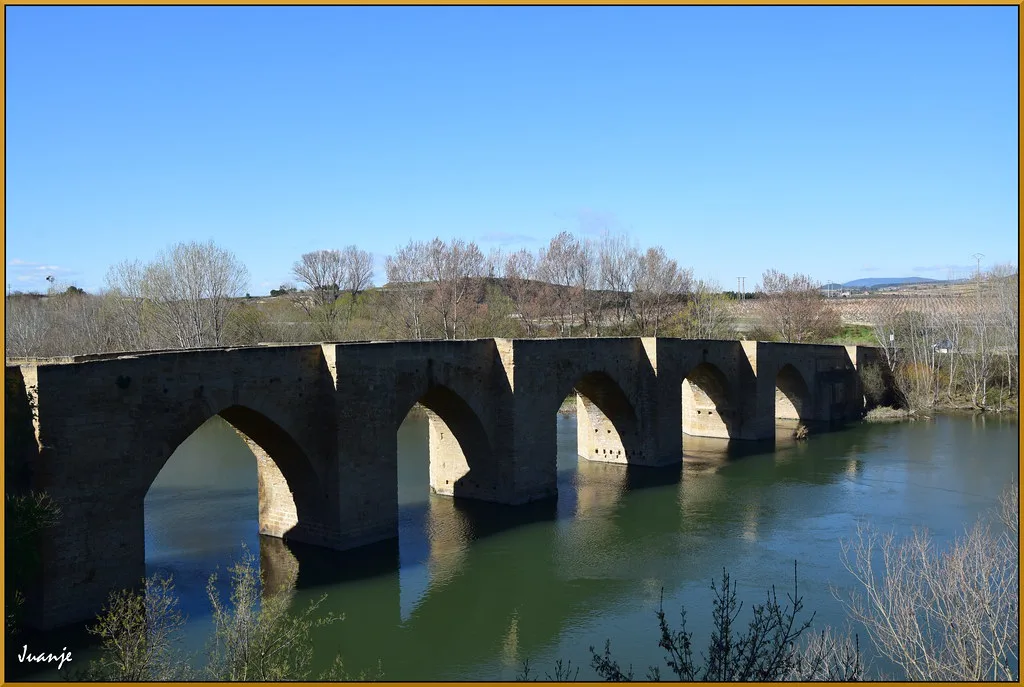
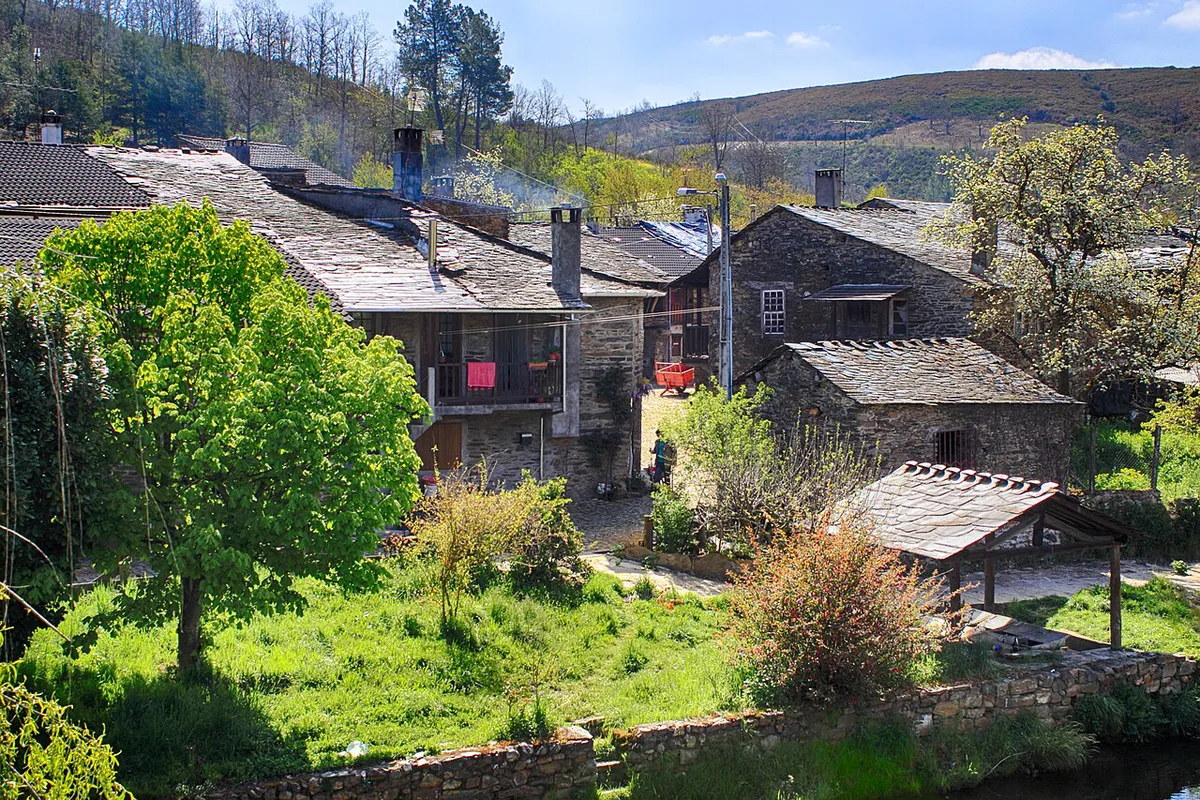
Rio de Onor is the best-known stop, a border village with traditional stone architecture. Montesinho village, in França parish, gives you the park's namesake settlement. Santa Cruz in Vinhais sits on the Tuela River. Travanca offers views across the hills, and Pena Veidosa marks the Mente river area. Serra da Coroa holds megalithic monuments and old hillfort sites. Castro de Avelãs near Bragança is linked to the Roman-era settlement of the Zoelae. Dovecotes, mills, forges and Roman bridges are scattered between villages, so stop where you see them rather than racing between named sites.
- Rio de Onor: border village with traditional architecture
- Montesinho village: the park's namesake settlement in França parish
- Santa Cruz (Vinhais): river village on the Tuela
- Serra da Coroa: megaliths and castros
- Castro de Avelãs: Roman-era history near Bragança
Walking and outdoor options
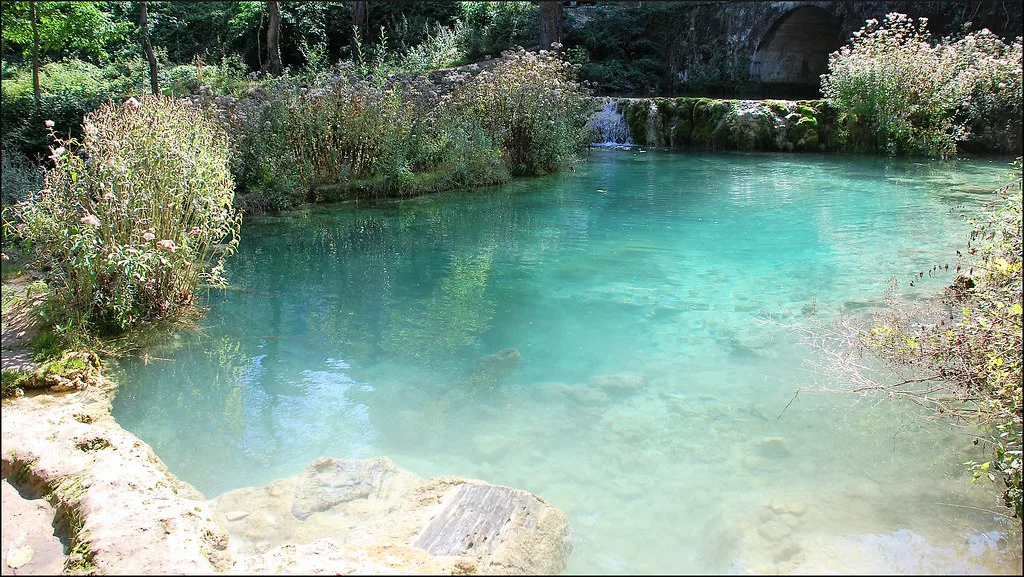
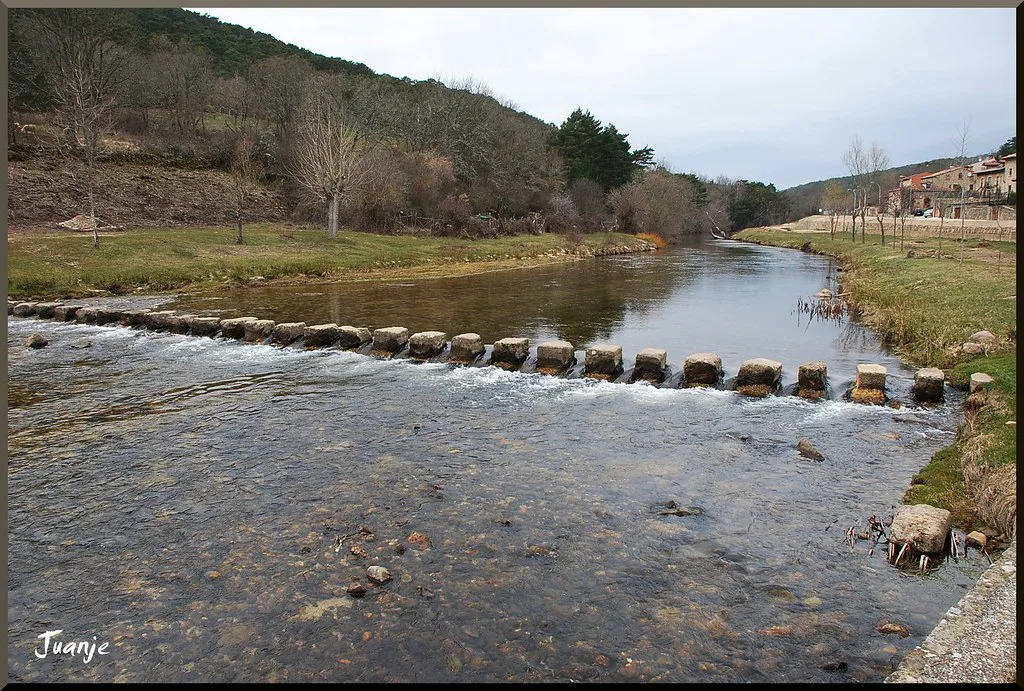
Montesinho rewards slow walking through lameiros, the traditional mountain meadows, and between villages. Trail names and lengths change, so use the official Visit Portugal pages and ICNF park information for current routes. Natural.pt also lists pathways for the park. Rivers such as the Sabor and Tuela suit short riverside strolls. Carry water, a rain layer and a paper or offline map, because mobile signal in the valleys is unreliable.
Wildlife and landscape: what you can realistically see
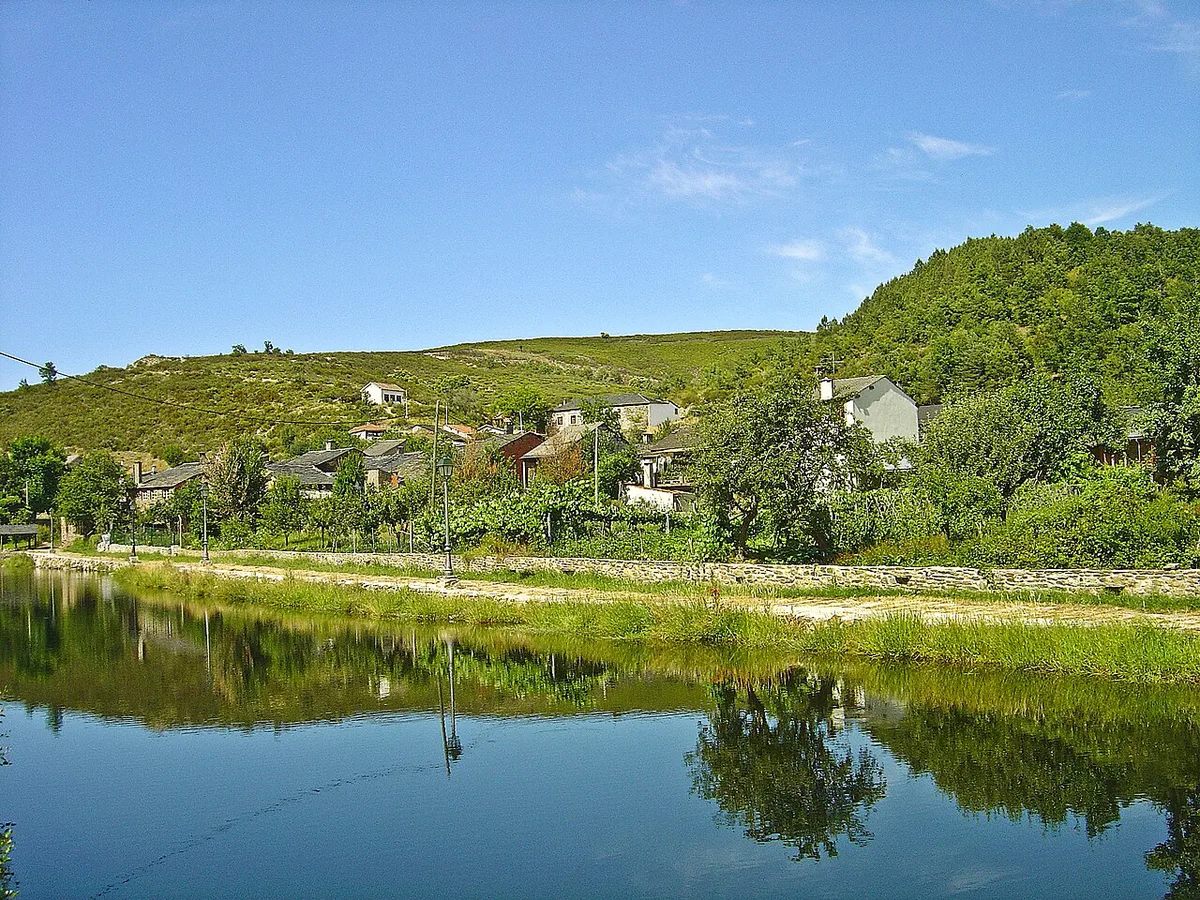
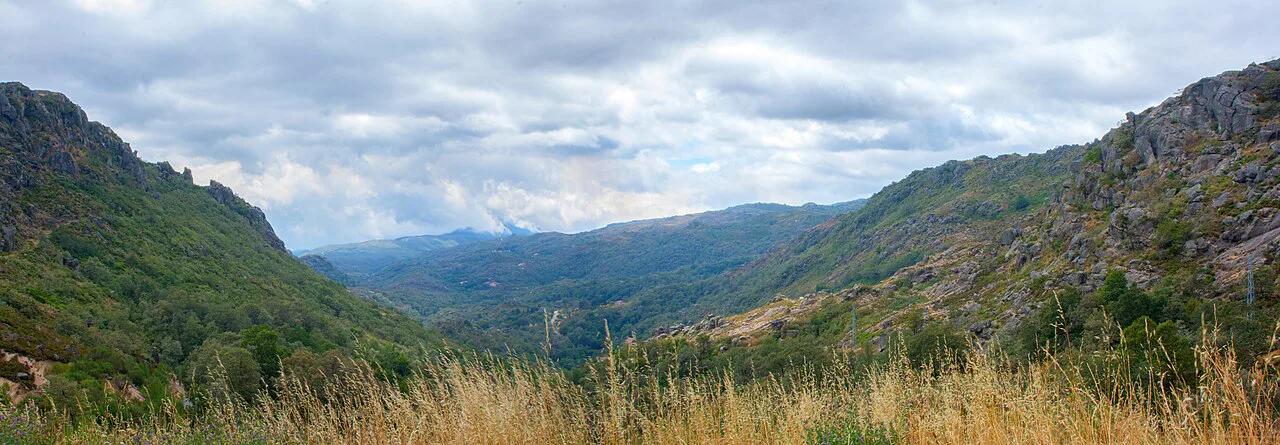
The park holds the largest wolf population in Portugal, but wolves are rarely seen. Plan for habitat and birds instead. Counts cite up to about 250 vertebrate species and about 170 bird species. Red deer, roe deer, wildcat and otter live here, and golden eagle and black stork are among the notable birds. Quercus pyrenaica oak woods grow at altitude, chestnut groves cover many slopes, and heath and broom spread across higher ground. Serpentine soils support endemic plants. For wolf-related experiences, ask ICNF or local operators what is currently offered.
Best time to visit
Temperatures can range from about −12 °C (10 °F) to 40 °C (104 °F), so season shapes the trip. Each season trades comfort for scenery.
Winter's snow and slow roads matter most up high, where the park reaches 1,481 m, so check conditions before you climb.
| Season | What you gain | What you risk |
|---|---|---|
| Winter | Quiet villages, stark mountain light | Cold, possible snow, slow roads |
| Spring | Meadow flowers, green hills | Changeable weather |
| Summer | Long days for walking, river access | Strong heat at lower altitude |
| Autumn | Chestnut and oak colour | Shorter days, cooling nights |
Where to stay: Bragança vs Vinhais vs in-park villages
Bragança is the largest base in the area and the easiest for food and fuel. Vinhais is a smaller base on the park's other side. A village stay gives the quietest nights but the fewest services. Check availability early with the municipal tourism offices or Natural.pt, since lodging in small villages is limited.
| Base | Access | Food and services | Quiet | Best for |
|---|---|---|---|---|
| Bragança | Easiest gateway | Most choice | Moderate | First-timers, short stays |
| Vinhais | Good for the southern park | Fewer options | High | Tuela valley and Santa Cruz |
| In-park village | Slow, narrow roads | Limited | Highest | Slow travel, stargazing |
Costs, permits, and rules
No confirmed ticket system for entering the park has been published here. Check ICNF for current fees, permits and conservation rules before you go.
Sample 1-day and 2-3-day plans
With one day, base yourself in Bragança and choose one area, such as Rio de Onor or Montesinho village. Do not try to cover the whole park. With two or three days, add Vinhais and Santa Cruz, then leave time for a walk in the Serra da Coroa. A third day can extend toward Zamora in Spain if you check border logistics yourself. Later, compare other protected areas such as Arrábida, Sintra-Cascais and Ria Formosa for the south and coast.
Mistakes to avoid
Most problems come from underestimating remoteness. Avoid these.
- Visiting without a car
- Planning only one night
- Expecting guaranteed wolf sightings
- Relying on mobile signal or a single fuel stop
- Leaving a winter trip without checking road conditions
Notes for your next park visit
Optional updates to our national park guides.
Read next

Keep planning
Picked from the same area