
National Parks in Latvia: Which to Visit and How to Get There
Compare Latvia's four national parks, Gauja, Ķemeri, Slītere and Rāzna, by season, transport from Riga and trip length, with clear trade-offs.
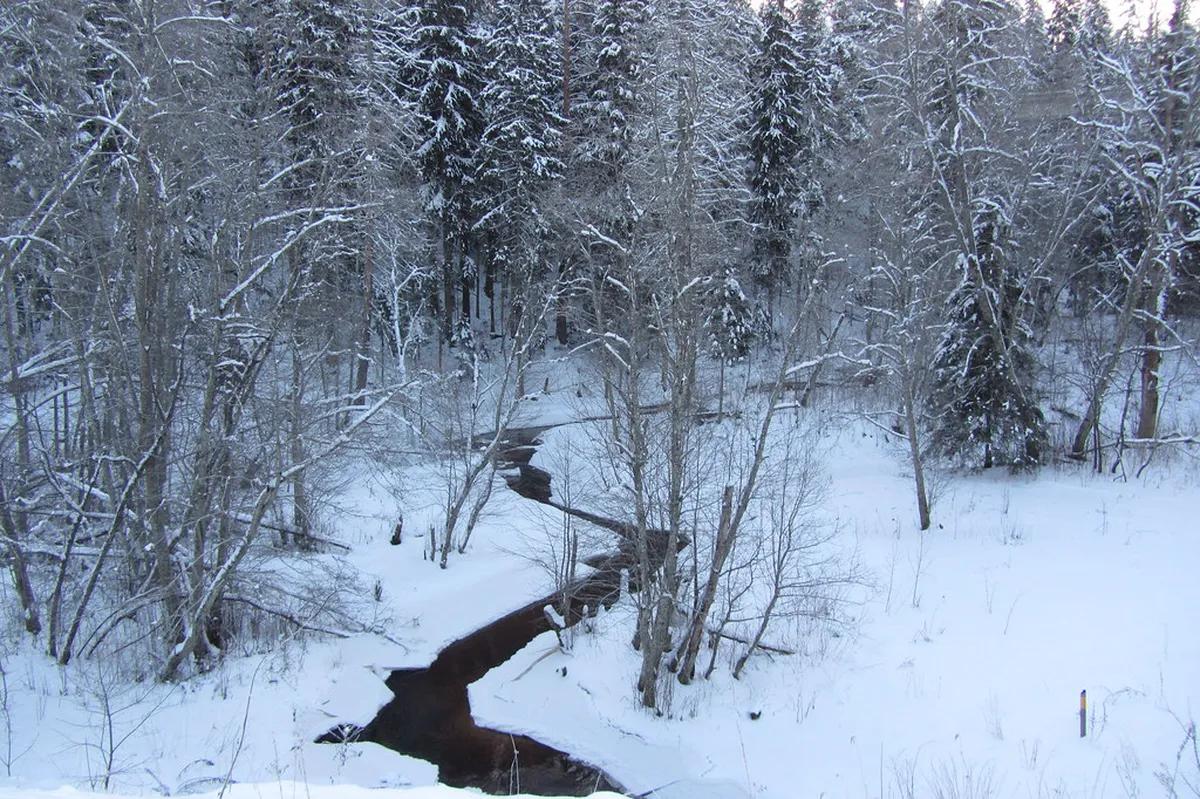
Last updated November 2026: Latvia has four national parks, and Gauja is the largest and most visited. Ķemeri, Slītere and Rāzna add bog, Baltic coast and lake country, so the right pick depends on your time and transport. Our guide compares the national parks in Latvia from a Riga base and fits into the wider Baltic national parks guide.
Featured image: dadzite, CC BY 2.0, via Flickr.
Latvia's national parks at a glance
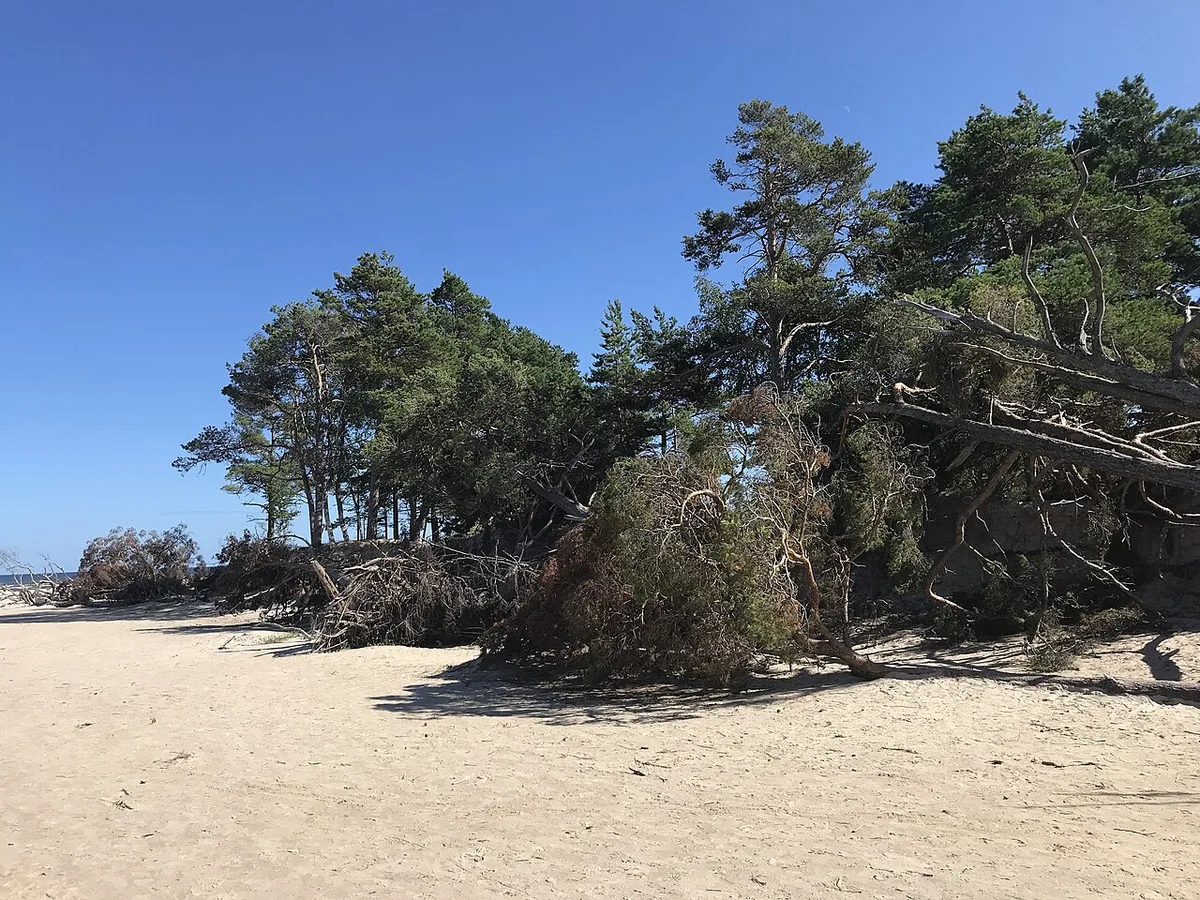
Latvia's four national parks are Gauja, Ķemeri, Slītere and Rāzna. Each protects a different landscape, from a sandstone river valley to raised bog and Baltic shore. The Nature Conservation Agency of Latvia publishes the current park list and visitor rules. Use the table to shortlist, then read the park sections below.
| Park | Landscape | Best season | Base towns | Without a car |
|---|---|---|---|---|
| Gauja | River valley, sandstone cliffs, castles, caves | Spring to autumn; Sigulda is active in winter | Sigulda, Cēsis, Līgatne, Valmiera | Train and hourly buses from Riga |
| Ķemeri | Bogs, boardwalks, spa heritage | Dry months, when boardwalks are in good condition | Check the official park site | Transport not covered here |
| Slītere | Baltic coast and forest | Spring and summer | Check the official park site | Transport not covered here |
| Rāzna | Lake district | Summer | Check the official park site | Transport not covered here |
Gauja National Park: the one most visitors choose
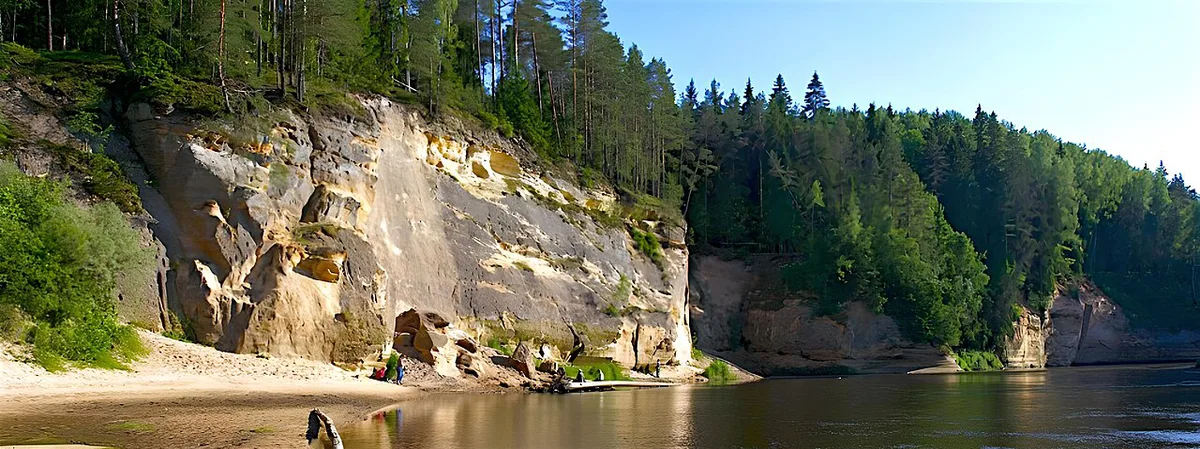
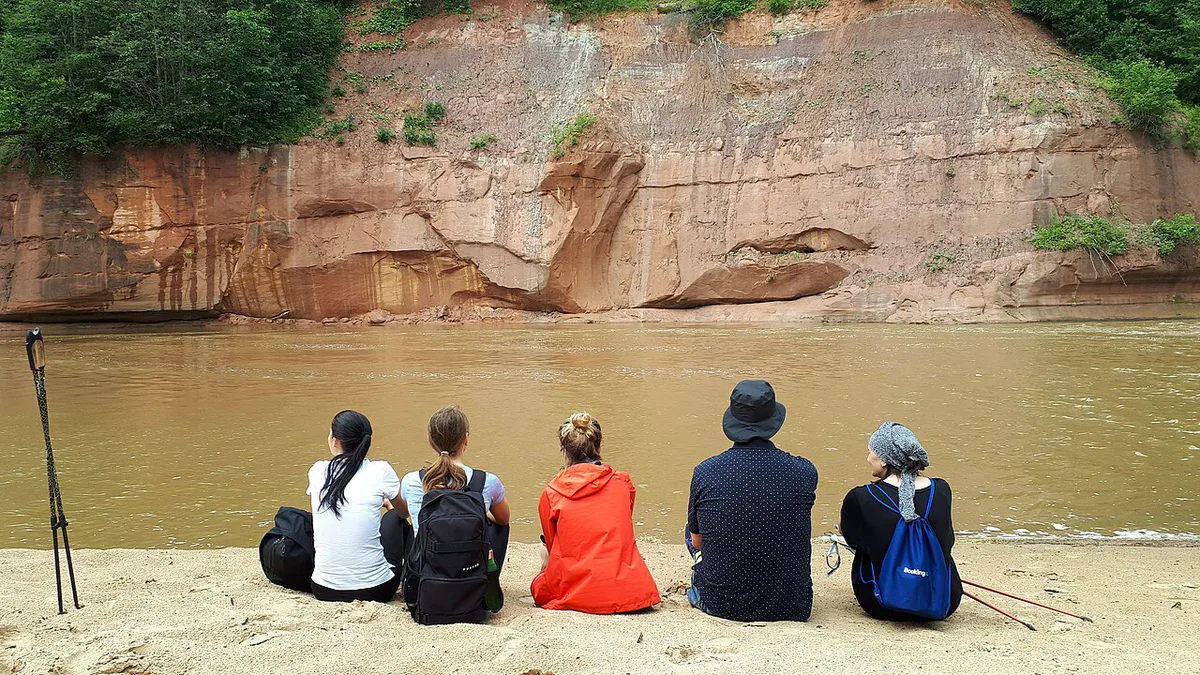
Gauja National Park was established in 1973 and takes its name from the Gauja River. It stretches from Sigulda to Valmiera, with Cēsis and Līgatne between them. Forests cover almost half the territory. Visitors also find 33 lakes and nearly 100 km of river, which suits canoeing as well as walking and cycling. Sandstone cliffs around 350 million years old hold caves, niches and arches. Ērgļu Cliffs rise 22 m above the valley. Sigulda has a cable car and bobsleigh track, and Turaida Castle's tower is especially good in autumn. Our Gauja National Park guide covers trails and bases in detail. For attraction hours and fees, use the Gauja National Park site.
Ķemeri National Park: bogs and boardwalks near Riga
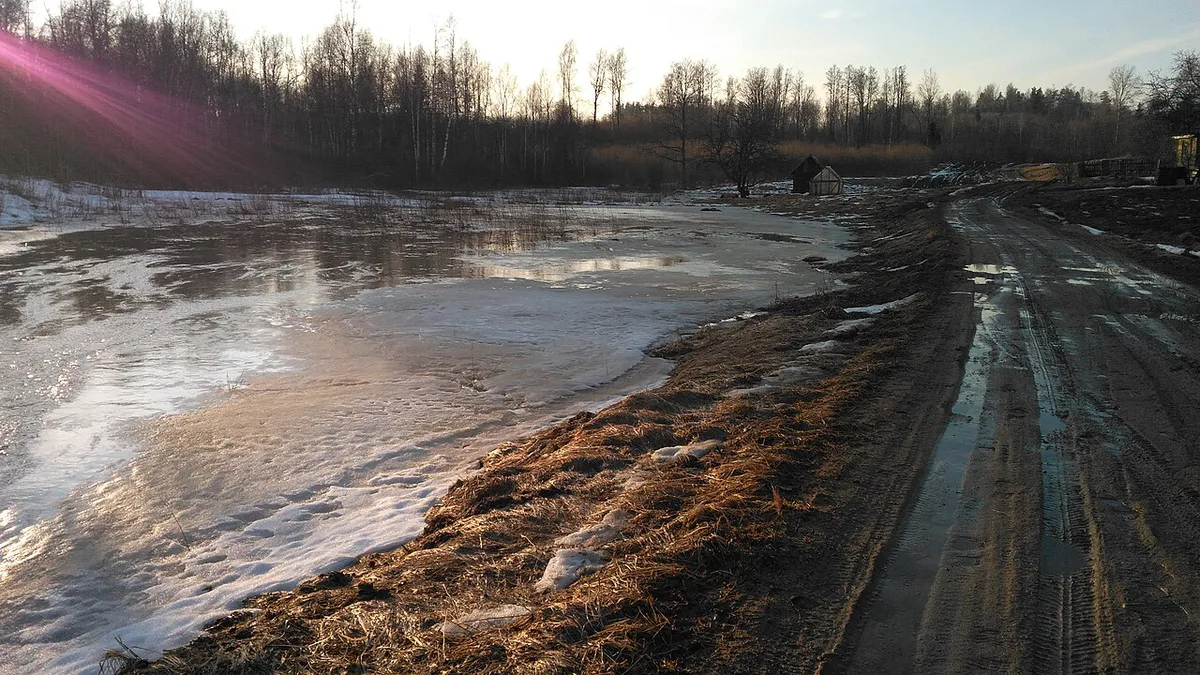
Ķemeri suits travellers who want bog scenery rather than castles and cliffs. Its main draw is walking on timber boardwalks across open bog, with spa heritage in the nearby village. Wooden bog trails are a Latvian speciality, and many have viewing towers for a higher view. Boardwalk conditions change with weather, so plan a dry day. Our Ķemeri National Park guide covers trail details. Train and bus options from Riga need checking on the operators' timetables before you commit to a day trip.
Slītere and Rāzna: the quieter parks
Slītere and Rāzna take more planning than Gauja. Slītere is the Baltic coast park, with forest and shoreline in Kurzeme. Rāzna is the lake-district park in Latgale, built around Lake Rāzna. Both are far from the Riga rail corridor that serves Gauja. Without a car, treat them as transport to verify. Choose them if you want solitude over convenience, and skip them if you only have one day.
Beyond the national parks: Kurzeme nature areas
Kurzeme has several protected nature areas that are not national parks. Dunika bog is a nature reserve protecting a raised bog and Latvia's only hornbeam forest of its kind. Its bog trail is not circular, so you walk 4.5 km each way or arrange a pickup at the far end. Pape nature park has a rewilded herd of wild horses and a bird-watching tower. Most trails there are free, but some require a guide booked in advance. Orchids bloom in June and July and can only be seen with a guide. Bernāti nature park has Pūsēnu Dune, and Embūte nature park has a wooded valley with picnic tables and church ruins. The Curonian Spit lies in Lithuania and Russia, not Latvia. Visit it through our Curonian Spit guide if you are crossing the border.
How to choose: park by traveller type and season
Match the park to your time, transport and interests.
- First-time visitor on a day trip from Riga: choose Gauja. Rail and bus both reach Sigulda, Cēsis and Valmiera. Skip Rāzna and Slītere.
- Hiker: choose Gauja for river-valley paths and cliffs. Choose Ķemeri if you prefer flat boardwalks. Skip Gauja on weekends if you want quiet.
- Paddler: choose Gauja, which has nearly 100 km of river and 33 lakes.
- Bog and birdwatcher: choose Ķemeri, then add Pape in spring. Skip Gauja if bog is your main interest.
- Family or cycling visitor: choose Gauja, where trains carry bicycles on racks. Skip long non-circular trails such as Dunika with young children.
Getting around: train, bus, bike and car from Riga
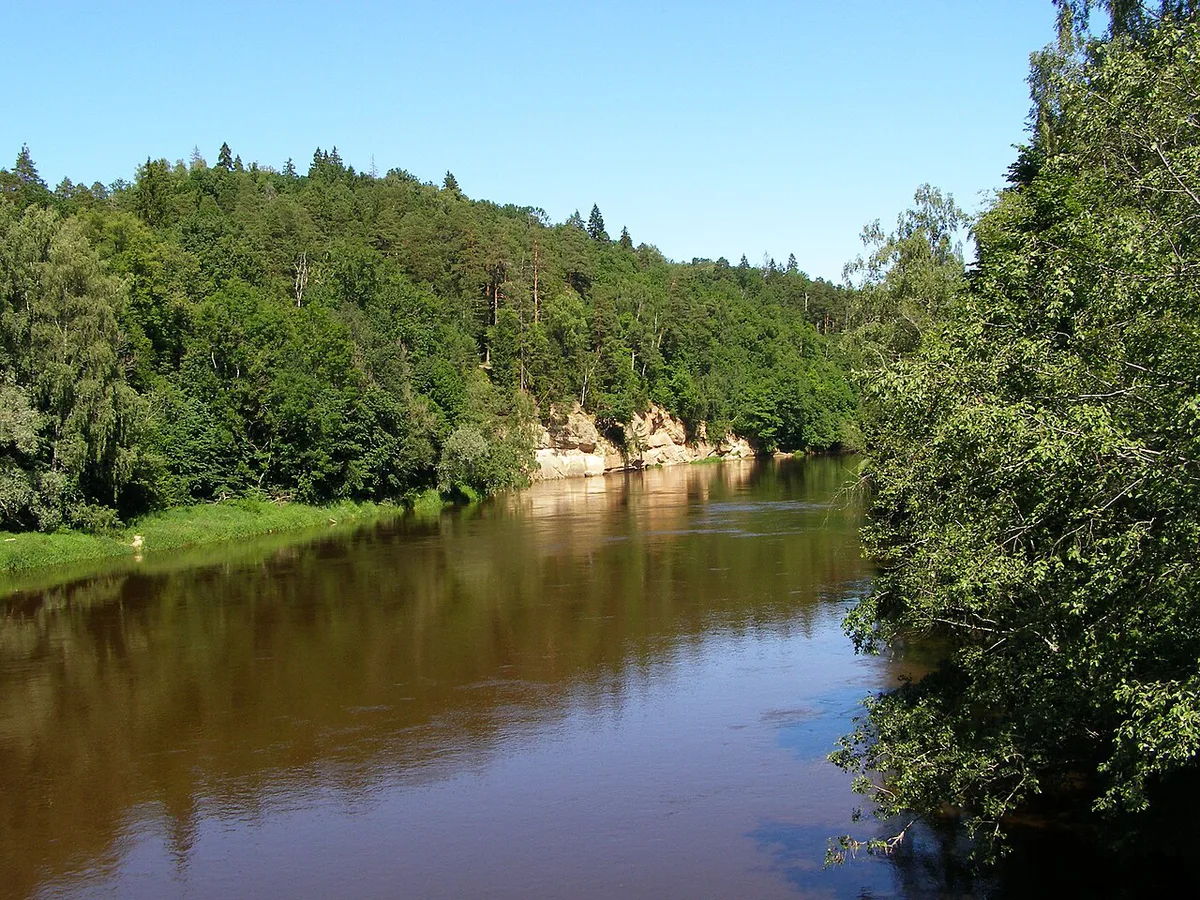
Gauja is the easiest park to reach without a car. The Rīga–Valka railway line runs through the park and links Sigulda, Cēsis and Valmiera throughout the day. Trains have special racks for bicycles. Buses run from Riga to Sigulda, Cēsis and Valmiera approximately once an hour. Within the park, buses follow their own schedules, so plan your connections. Cyclists should avoid the busy A2 and A3 highways and use back roads and forest roads. By car, Gauja sits between those two highways and has a dense road network with many parking lots. Check timetables on the official rail and bus operators' sites. Ķemeri, Slītere and Rāzna lack verified public transport details, so a car is the safest assumption. Browse Latvia Travel for regional trip ideas.
Costs, tickets and booking constraints
Park entry itself is generally free, and the nature areas in Kurzeme are free apart from guided-only trails at Pape. Gauja attractions are priced separately. The Sigulda cable car, bobsleigh and Turaida Castle each set their own fees. Prices and hours checked November 2026 were not published on the park site, so use the Sigulda, Cēsis and Valmiera tourism offices for current rates. Book guided trails at Pape in advance.
Where to stay
For Gauja, base yourself in Sigulda for activities and the cable car. Cēsis has a castle, and Līgatne is a former paper-industry town. Valmiera marks the northern end of the park. Valmiermuiža Brewery sits in an old manor building there. For Kurzeme nature areas, Bernāti has guesthouses and a well-known café. Ķemeri, Slītere and Rāzna accommodation should be checked on the official park sites and Latvia Travel.
Mistakes to avoid and sample itineraries
Avoid assuming every trail is a loop. Dunika is 4.5 km each way. Some Kurzeme roads are dirt, though a regular car is enough. One traveller logged about 700 km over two and a half days on a Kurzeme loop from Riga. Pape guided-only trails need advance booking, and boardwalks can be slippery in wet weather. Use these route and time trade-offs to plan.
Kurzeme loops from Riga can run about 700 km over two and a half days, so a 3+ day plan with a car leaves little slack for dirt roads.
- 1 day: Riga by train to Sigulda. Walk Gauja cliffs and Turaida Castle, then return by train.
- 2 days: Sigulda and Cēsis in Gauja, overnight in Cēsis, then Līgatne.
- 3+ days: add a Kurzeme loop or Ķemeri by car for bog and coast contrast.
Combining with neighbouring countries
Latvia pairs naturally with Estonia and Lithuania. Our Estonia national parks guide covers the north. For bogs and coast there, see Lahemaa National Park: Day Trip, Routes & Planning and Soomaa National Park: Fifth Season & How to Visit. Heading south, read the Lithuania national parks guide. Lake country continues at Aukštaitija National Park.
Notes for your next park visit
Optional updates to our national park guides.
Read next
Keep planning
Picked from the same area