
National Parks in Lithuania: 5 Parks Compared and How to Choose
Lithuania has five national parks. Compare Curonian Spit, Aukštaitija, Dzūkija, Žemaitija and Trakai, and plan transport, timing and permits.
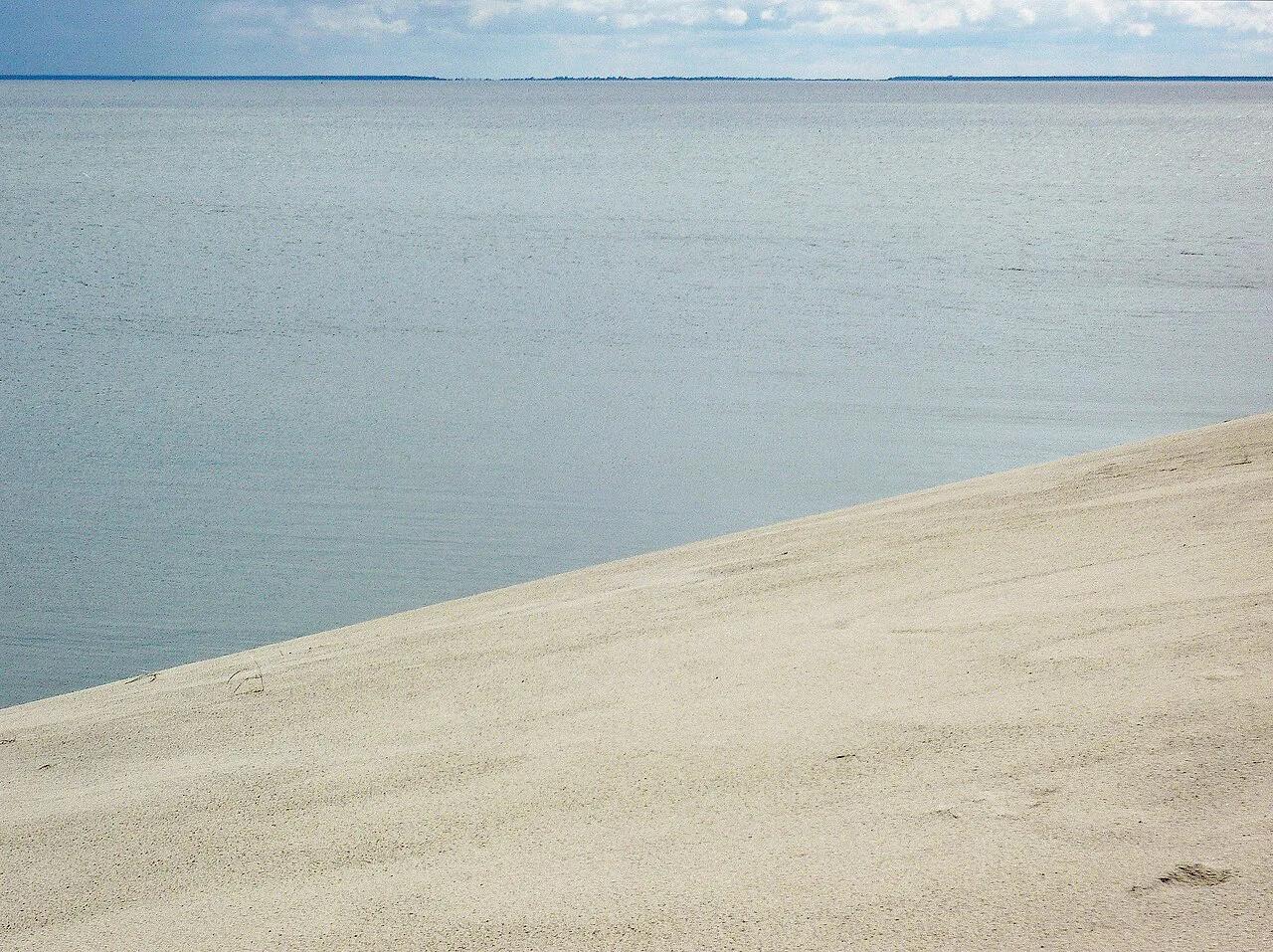
Last updated November 2026: Lithuania has five national parks, and this guide to national parks in Lithuania helps you choose between them. The list is Aukštaitija, Dzūkija, Curonian Spit, Žemaitija and the historical Trakai park. Together they cover 156,599 ha, and each suits a different kind of trip. For the wider region, start with our Baltic national parks overview.
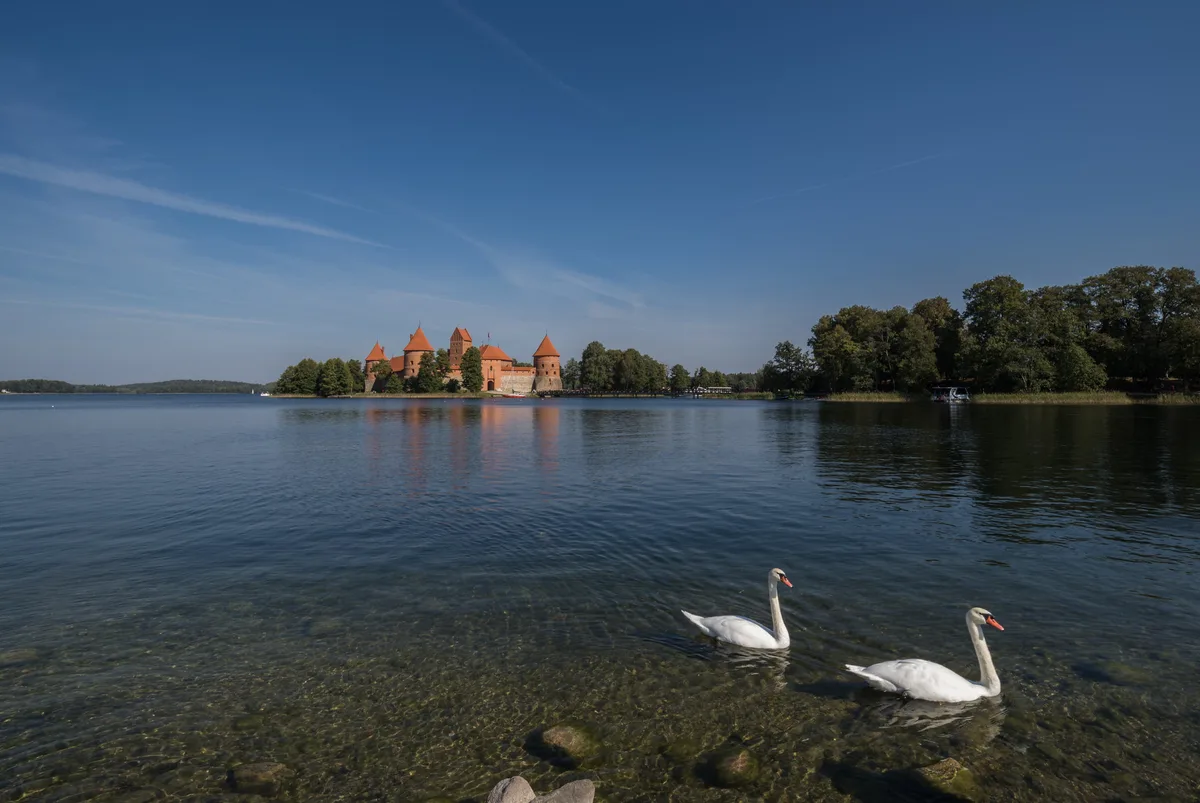
Featured image: Hartmut Schmidt Heidelberg, CC BY-SA 4.0, via Wikimedia Commons.
National Parks in Lithuania at a Glance
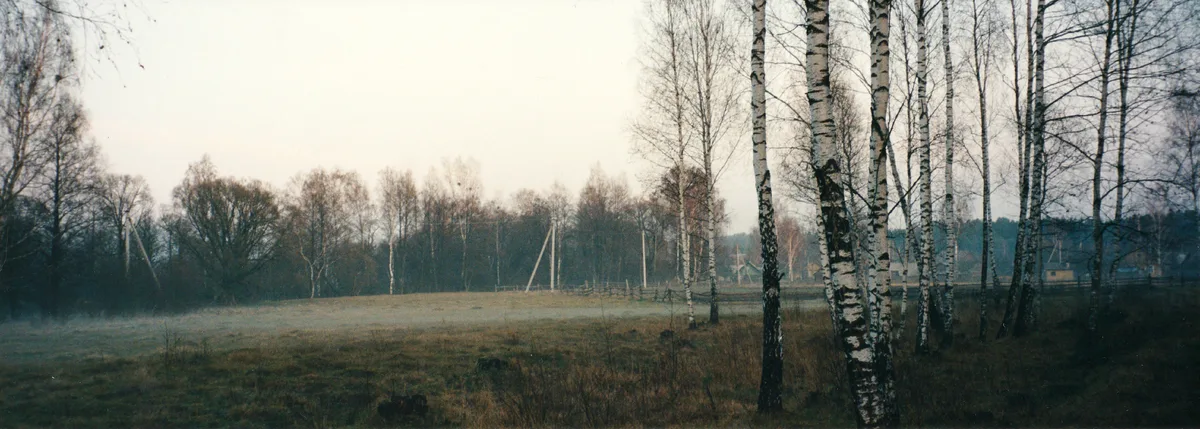
Lithuania's State Service for Protected Areas lists five national parks, one of them historical. Aukštaitija is the oldest, established on 29 March 1974. The other four were all established on 23 April 1991. Dzūkija is the largest at 58,334.4 ha, while Trakai is the smallest at 8,146.7 ha. Most visitors pair one coastal or lake park with one forest park rather than trying all five.
| Park | Established | Area (ha) | Landscape | Best for |
|---|---|---|---|---|
| Aukštaitija | 1974 | 40,974.8 | Lakes and forest | Hiking and canoeing |
| Dzūkija | 1991 | 58,334.4 | Pine forest, rivers, bogs, villages | Quiet trails and river trips |
| Curonian Spit | 1991 | 27,388.7 | Dunes and coast, Nida and Neringa | Beaches and dune views |
| Žemaitija | 1991 | 21,753.5 | Plateliai lake and forest | Lakeside walks |
| Trakai Historical | 1991 | 8,146.7 | Castle and lake history | Easy capital day trip |
Which Park Should You Choose?
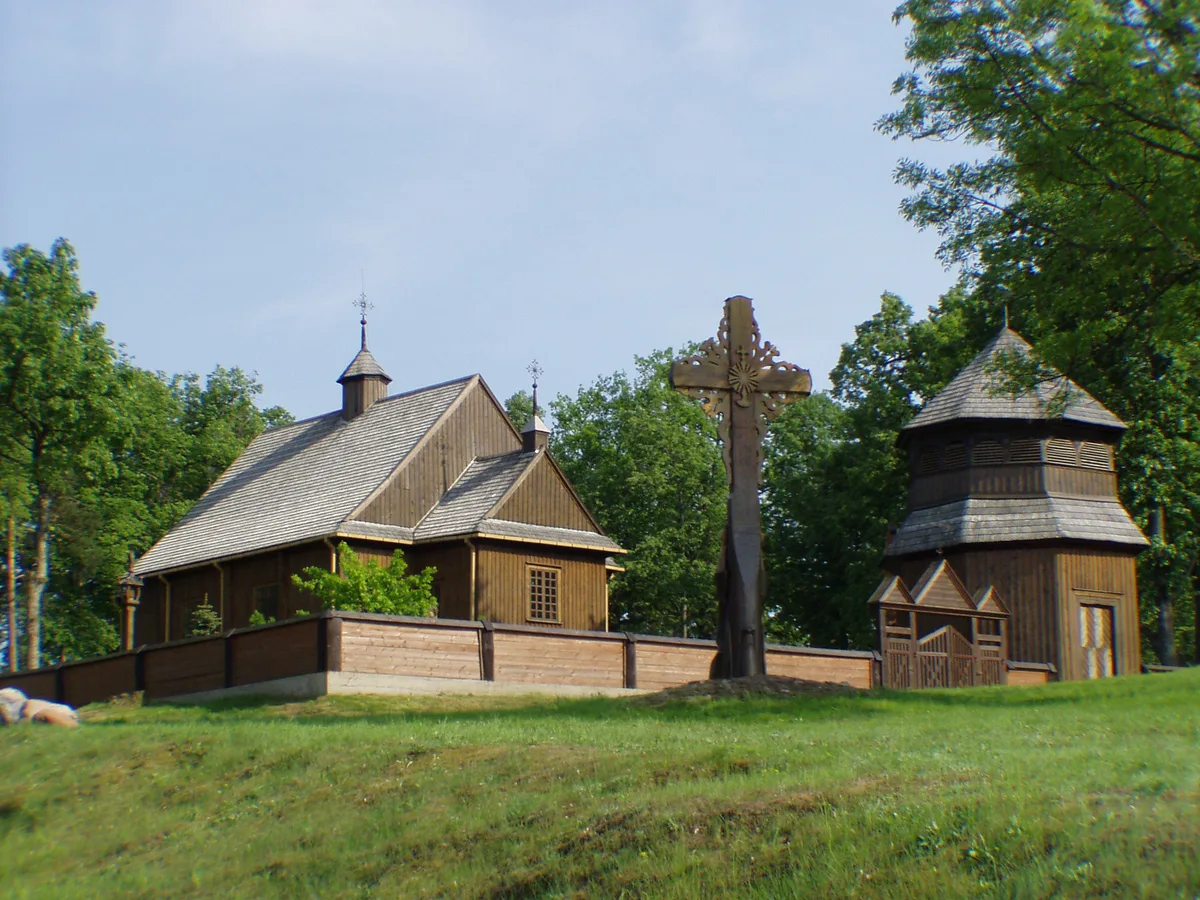
Match the park to your transport, your time and the season. Access differs sharply between Vilnius, Kaunas and Klaipėda, so public transport suits some parks far better than others.
- First visit: Curonian Spit, with its dunes and coast, is the best-known option, and it is reached from Klaipėda.
- Hikers and paddlers: Aukštaitija and Dzūkija both offer forest trails and canoe routes.
- No car: Trakai is the easiest park to reach from the capital. Forest parks are far easier with your own wheels.
- Short stopover: Trakai fits a single day. Curonian Spit rewards an overnight stay.
- Rainy day: Trakai castle and the five museums in Dzūkija give you indoor options.
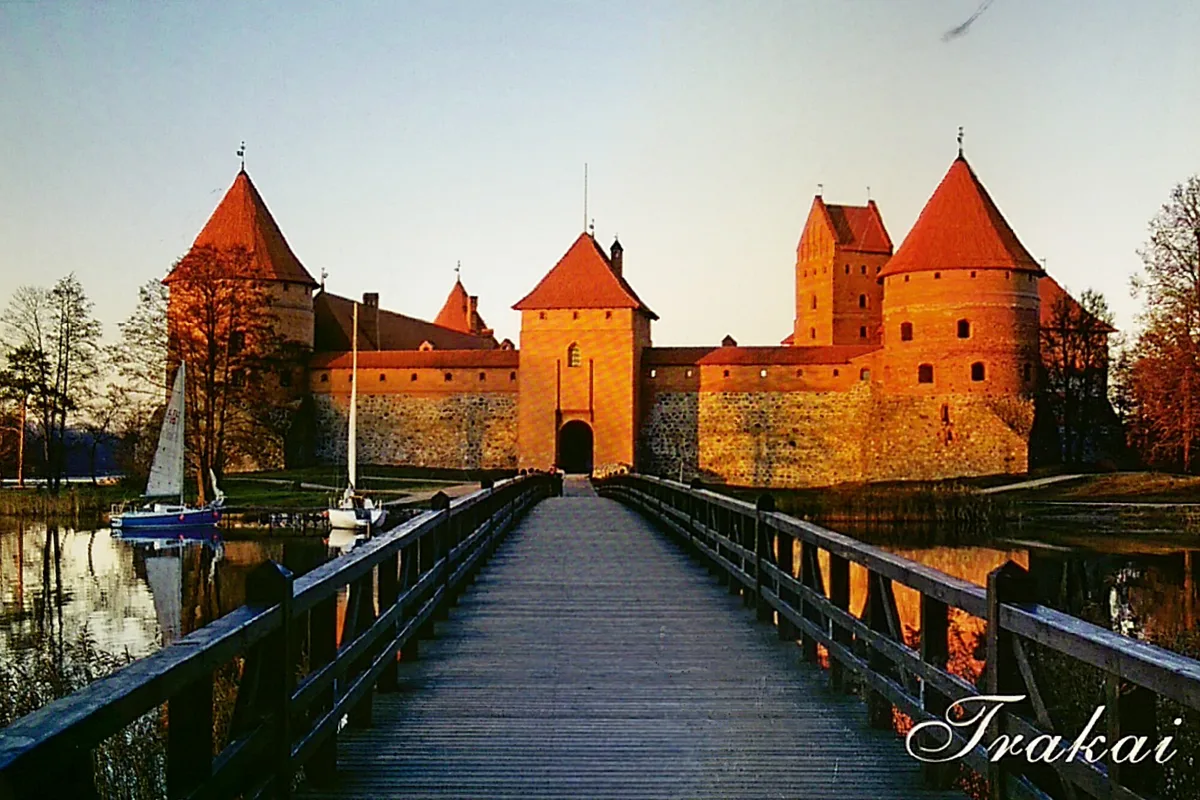
Curonian Spit National Park
Curonian Spit covers 27,388.7 ha of dunes and shoreline, with Nida and Neringa as its main bases. It is the park most people picture first, and the coast makes it the obvious choice from Klaipėda. Summer brings the biggest crowds, so quieter months suit walkers. Our Curonian Spit guide covers the dunes in detail. Ferry and entrance charges are listed on the official park site.
Aukštaitija National Park
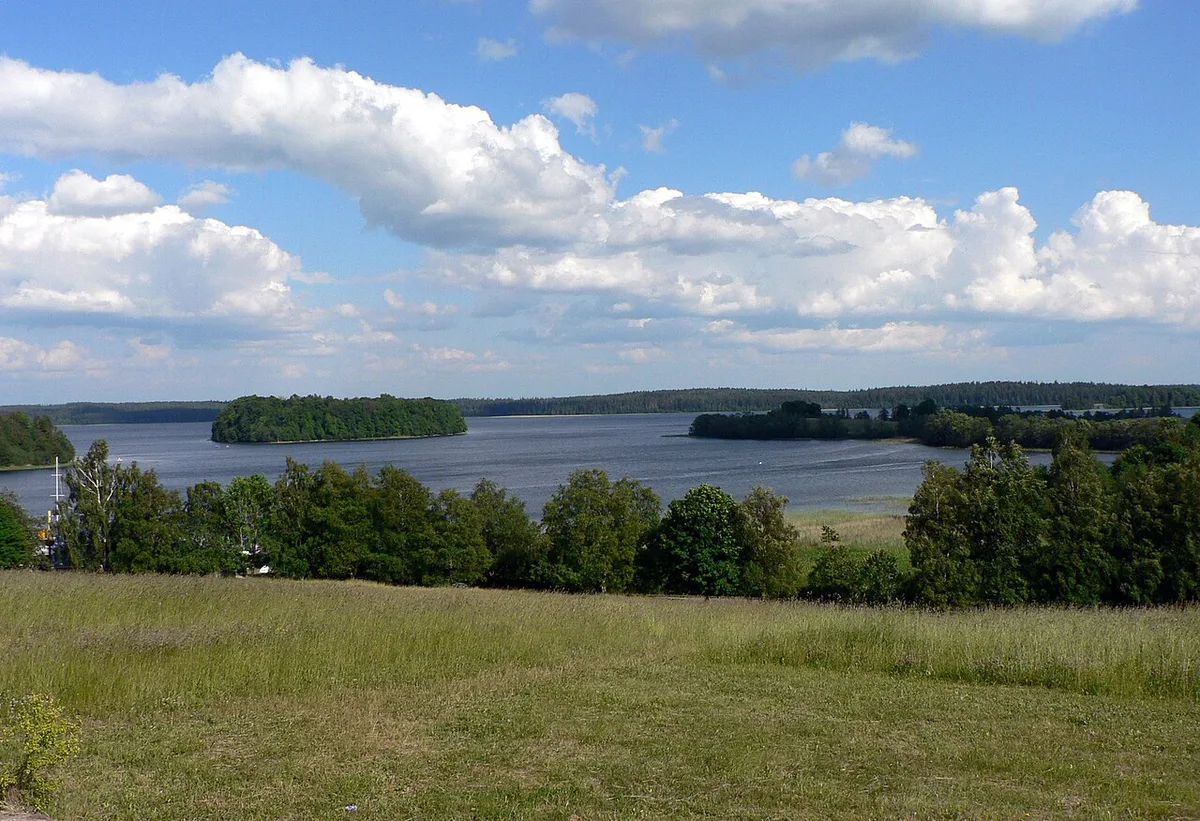
Aukštaitija is Lithuania's oldest national park, established in 1974 on 40,974.8 ha. Expect lakes, forest and marked routes for hiking and canoeing. It works best as an overnight or longer stay rather than a rushed stop. Our Aukštaitija walking and paddling guide has route detail. For national tourism planning, Lithuania's official tourism site is a useful starting point.
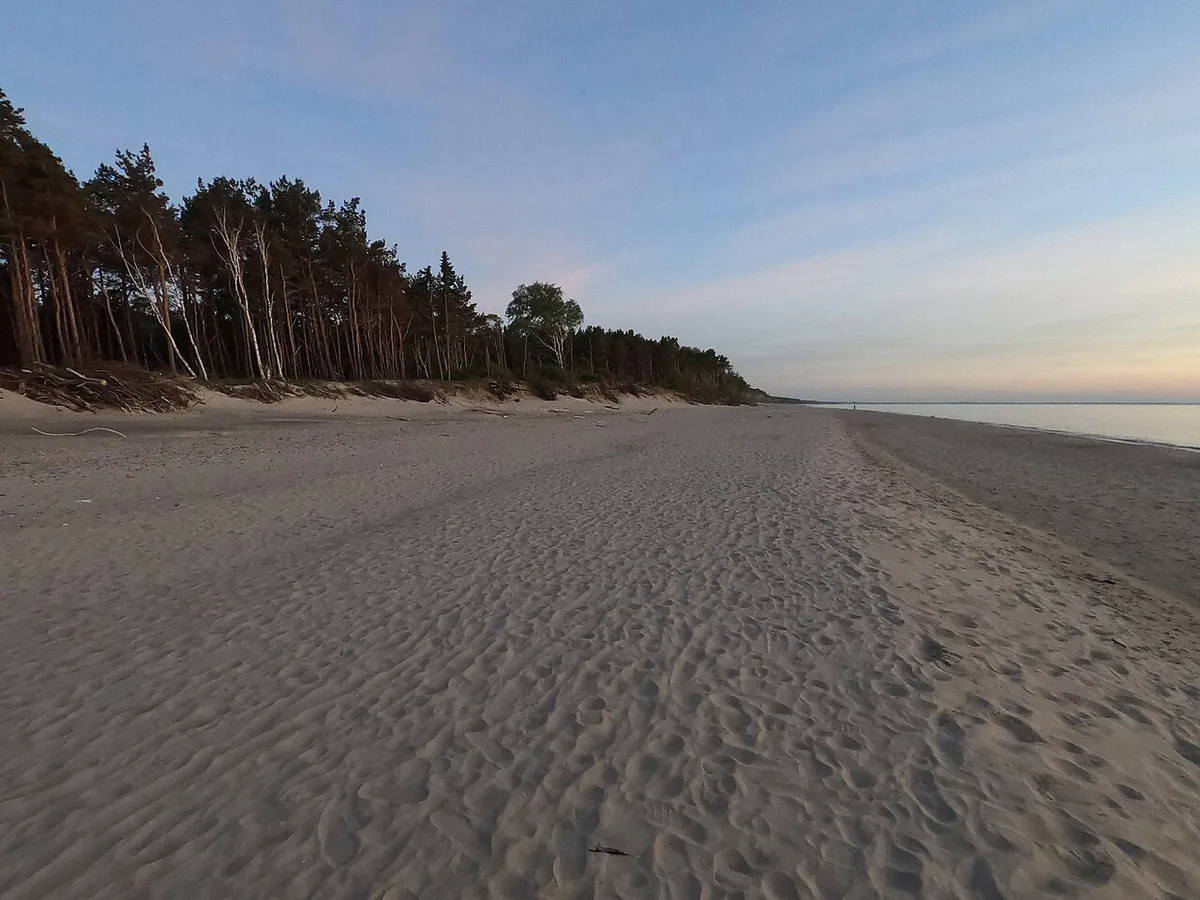
Dzūkija National Park
Dzūkija is the largest park at 58,334.4 ha and the best documented for walkers. Start at the Marcinkonys visitor centre, where four walking routes begin. Girinis runs 3.6 km, and Žackagiris offers a 4.8 km loop. The full Žackagiris route is 13.8 km, with shorter sections of 7 km and 10.5 km.
- Čepkeliai bog path: 1.5 km, entered only with park or reserve staff. From 1 April to 1 June, only small groups are accepted.
- Ūla river: 84 km long. Canoeing needs a permit from the Marcinkonys or Merkinė visitor centres.
- Merkys river: 22 km from the Ūla confluence to the Nemunas. A 7-day, 182 km route is described as beginner-friendly.
- Camping and fires: allowed only at designated campsites, including Mančiagirė, Trakiškiai, Mardasavas, Puvočiai and Merkys.
Žemaitija National Park
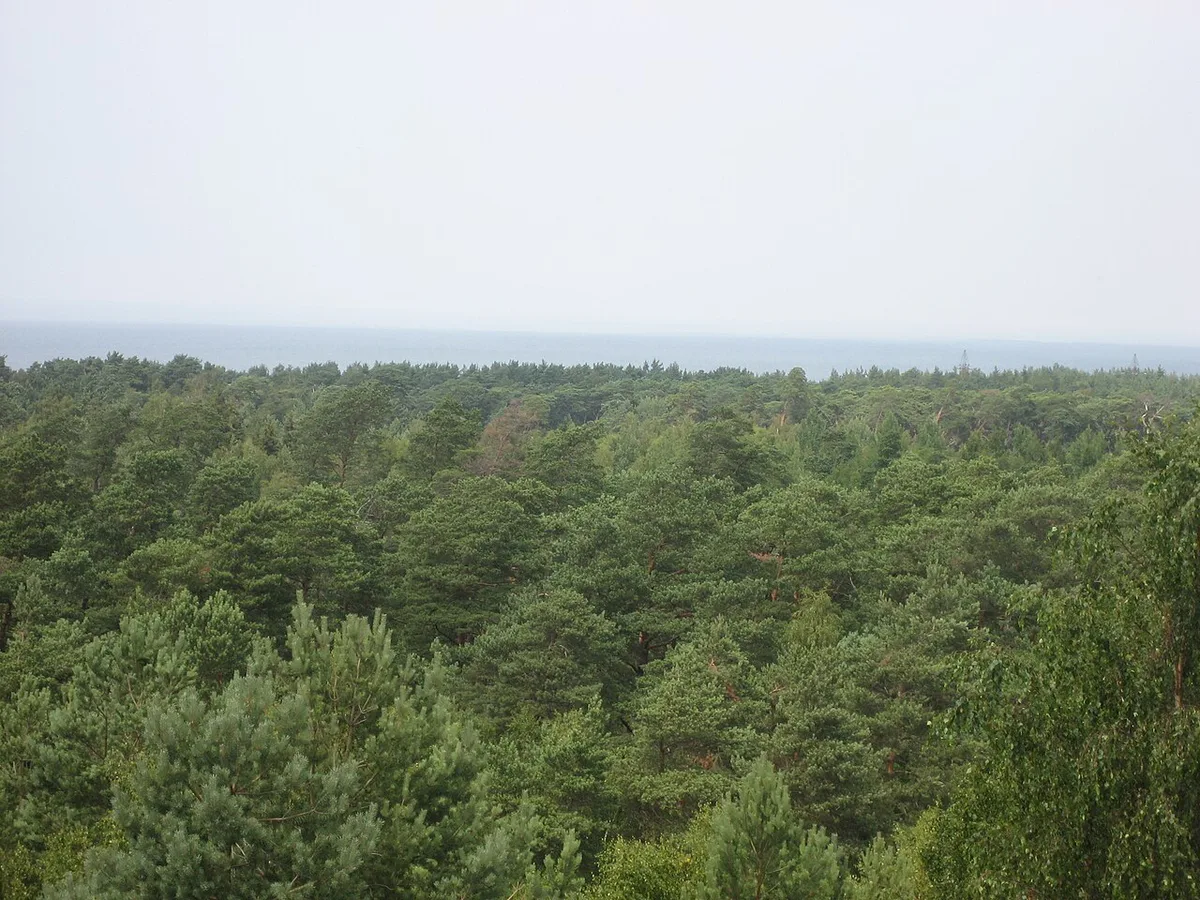
Žemaitija covers 21,753.5 ha around Plateliai lake, the largest lake in the historical Žemaitija region. Old pine, fir and mixed forest are its main natural values. A trail circles the lake, and Plungė is the rail link for onward trains to Vilnius or Kaunas. Pair it with another park, since it rarely fills a whole trip alone.
Trakai Historical National Park
Trakai is the smallest park at 8,146.7 ha, and it is the only one defined by history as well as landscape. Castle and lake scenery make it the easiest park to see from Vilnius. It suits families, travellers without a car and anyone with a single free day. Rain is no problem, since the castle gives you an indoor option.
How to Plan Your Time and Route
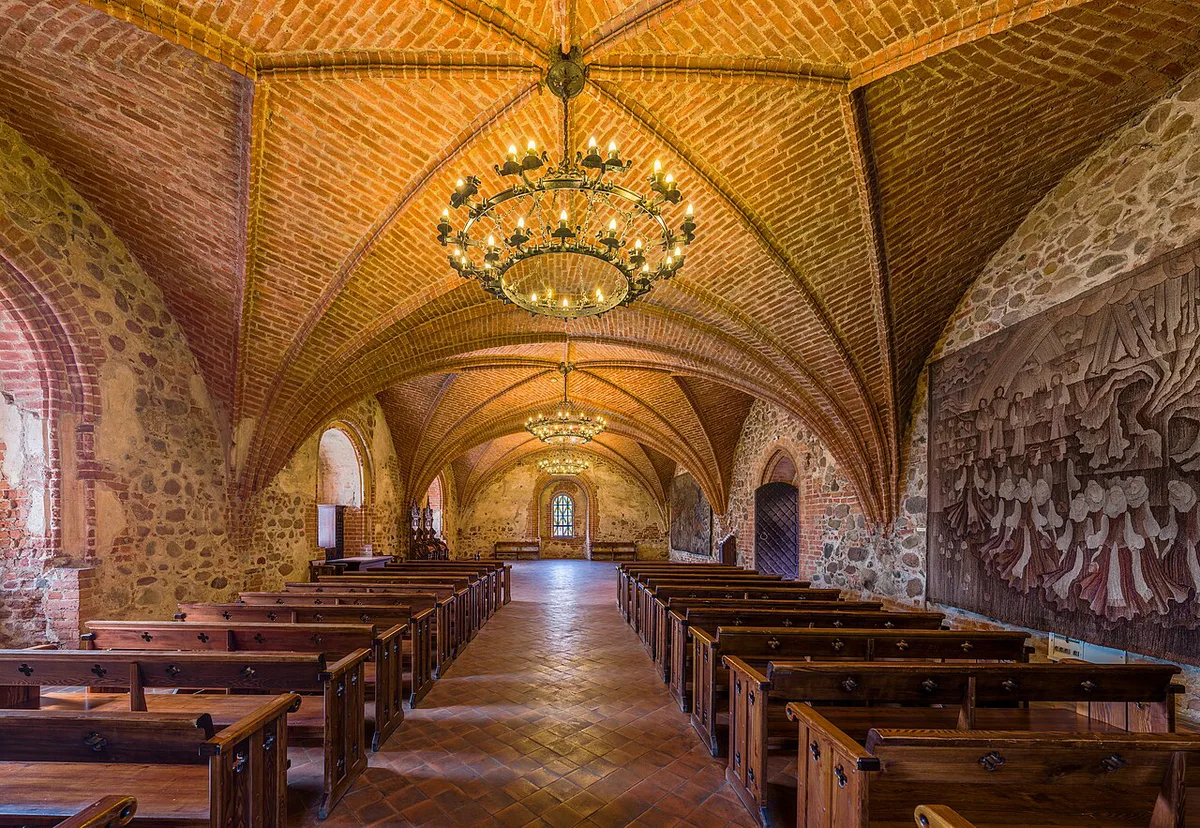
Two combinations work well. A coast-and-lakes pair links Curonian Spit with Žemaitija, which sit in Lithuania's west. A forest-and-rivers pair links Dzūkija with Aukštaitija. A guided forest itinerary starts at Druskininkai and runs for 11 days through Dzūkija and Žemaitija. That shows the parks can be chained, but most visitors need only 3 to 5 days. Roads in Dzūkija are mostly paved to Marcinkonys and Merkinė, yet many sights sit on gravel or forest tracks. A car is therefore the practical choice there. Autumn colour suits the forest parks, and bogs and rivers follow the seasons.
Budget 3 to 5 days for two parks, then slot Trakai's single-day visit from Vilnius into the middle of that plan.
Costs, Permits and Opening Hours
Entrance and ferry charges differ by park and change from year to year. Check the Curonian Spit park site for current fees and crossing details. Dzūkija's visitor centres in Marcinkonys and Merkinė issue canoe permits, so ask there first. Opening hours shift between October to April and May to September, so confirm them before travelling.
Where to Stay and How to Get Around
Base yourself in Nida or Neringa for the spit and in Marcinkonys or Merkinė for Dzūkija. Druskininkai works as a spa-town base for the south. Public transport reaches Trakai easily and the coast reasonably well. Forest parks need a car, a bicycle or an organised bus excursion. Lithuania also has regional parks such as Nemunas Loops, which are separate from the five national parks.
Neighbouring Baltic Parks
Latvia and Estonia add more options. See National Parks in Latvia: Which to Visit and How to Get There and National Parks in Estonia: Which of the 6 to Visit. Cross-border favourites include Gauja and Lahemaa. The full Baltic park comparison ties all three countries together.
Notes for your next park visit
Optional updates to our national park guides.
Read next

Keep planning
Picked from the same area