
National Parks in Estonia: Which of the 6 to Visit
Estonia's national parks compared: where to go, how to get there from Tallinn, best season and how long to stay, so you can choose the right park.
Last updated November 2026: national parks in Estonia number six, and each one suits a different kind of trip. Landscapes range from a rocky northern coast to southern lake country, so the right pick depends on your time, season and whether you have a car. Use the shortcut below to choose, then read the park sections for access and timing.
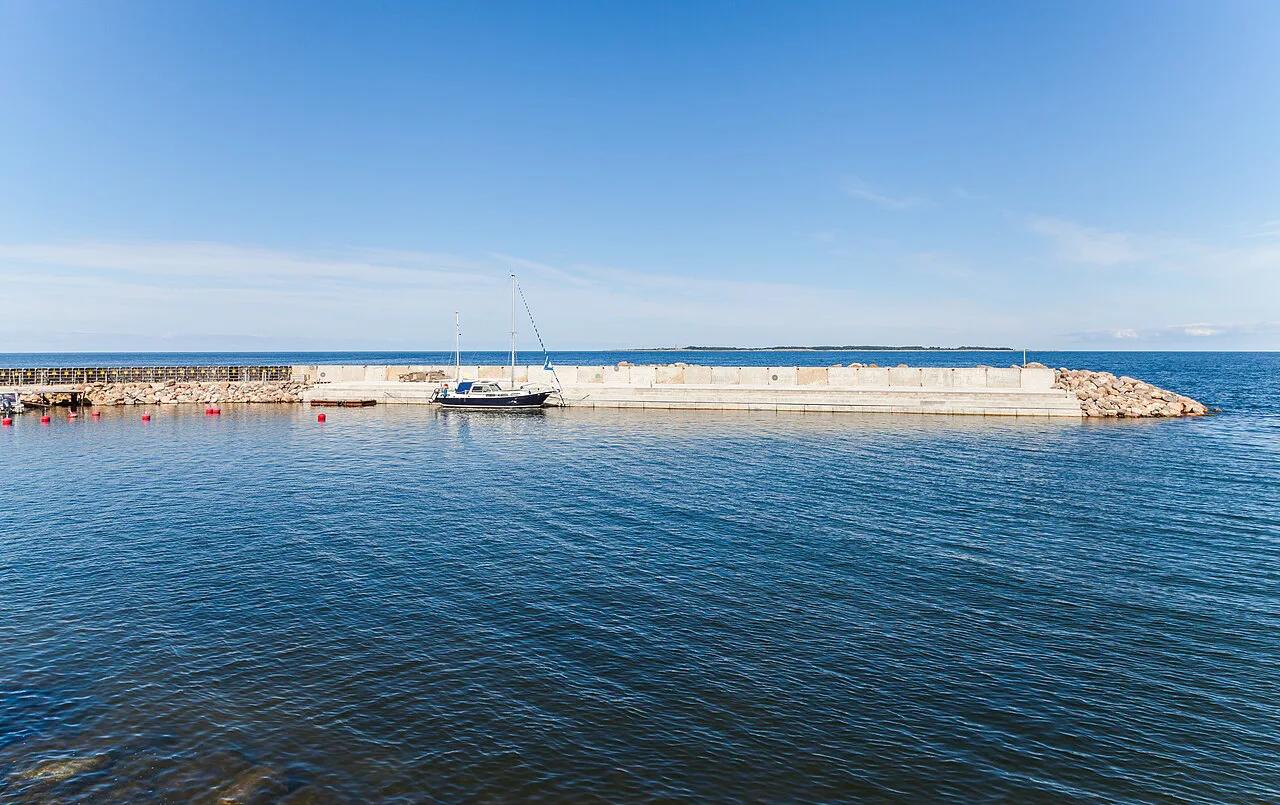
Featured image: Diego Delso, CC BY-SA 3.0, via Wikimedia Commons.
How many national parks does Estonia have?
Estonia has six national parks, as listed by Visit Estonia. Lahemaa was established in 1971 and is the largest and oldest. Alutaguse is the newest, founded in 2018. Põhja-Kõrvemaa is often mentioned alongside them, but it is a nature reserve, not a national park.
- Lahemaa: north coast, manors, bogs and boulders.
- Soomaa: bogs, rivers and the seasonal floods.
- Matsalu: wetlands and bird migration in West Estonia.
- Vilsandi: coast and small islands off western Saaremaa.
- Karula: rolling hills and lakes in the south.
- Alutaguse: northeastern forests, bogs and wildlife hides.
National park, nature reserve and protected area: what the labels mean
Estonia's Nature Conservation Act of 2004 recognizes three types of protected area: national parks, nature conservation areas and landscape protection areas. A national park can contain strict nature reserves, special management zones and limited management zones. Strict reserves are closed to visitors. In limited zones, camping and fires are allowed only at marked locations. That zoning explains why you should stay on signed trails and use designated sites.
Estonia's national parks at a glance
This table compares the six parks by region, access from Tallinn and best fit. Distances are described qualitatively because road and ferry times change with traffic and season. Check bus or ferry timetables before you commit to a route.
| Park | Region | Access from Tallinn | Best season | Main draw | Best for |
|---|---|---|---|---|---|
| Lahemaa | North coast (Harju and Lääne-Viru counties) | About an hour; easiest day trip | Spring to autumn | Manors, bog boardwalks, coast | First-timers, no-car travelers |
| Soomaa | Southwest (Pärnu and Viljandi counties) | Longer drive; overnight recommended | Flood season and winter | Canoeing, bogshoeing | Paddlers, families |
| Matsalu | West Estonia | Longer drive; overnight recommended | Spring and autumn migration | Birdwatching, towers | Birders |
| Vilsandi | West coast of Saaremaa | Ferry or longer drive; plan ahead | Spring to summer | Islands, boat trips | Coast lovers |
| Karula | South (Võru and Valga counties) | Long drive; car or transfer | Summer and early autumn | Lakes, hills, hiking | Hikers, cyclists |
| Alutaguse | Northeast (Ida-Viru county) | Long drive; car or guided transfer | Summer; year-round for hides | Forests, bogs, wildlife | Wildlife watchers |
Which national park should you visit?
Pick by traveler type, not by park size. Lahemaa is the default for a first visit. Soomaa and Matsalu reward a longer stay.
- First visit or short on time: Lahemaa.
- No car: Lahemaa, ideally on a guided day tour from Tallinn.
- Paddling: Soomaa.
- Birdwatching: Matsalu, with Vilsandi as a coastal add-on.
- Wildlife: Alutaguse, using a guided observation hide.
- Families: Karula's short trails, including a 0.4 km children's nature trail.
- Hiking: Karula, Lahemaa and Matsalu all link to long RMK routes.
Lahemaa National Park: the easiest day trip from Tallinn
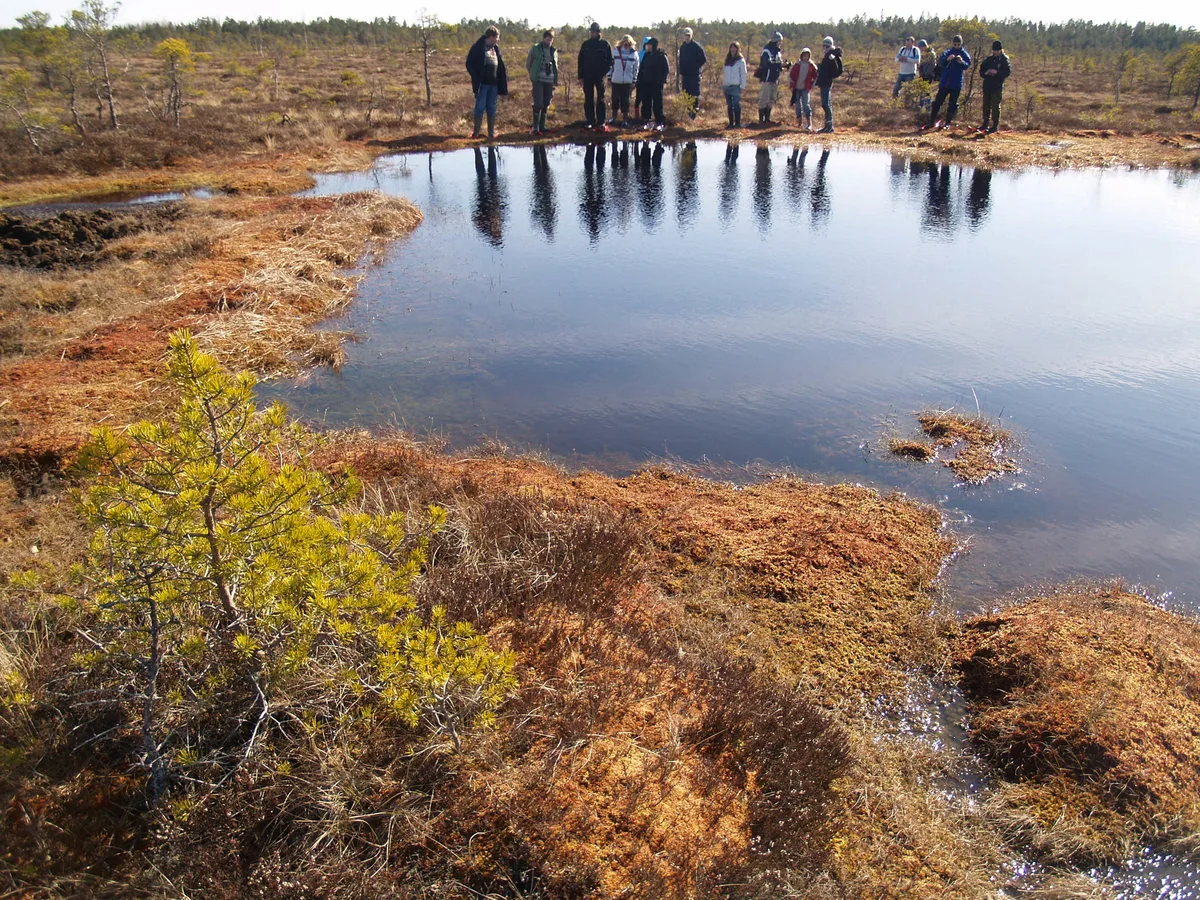
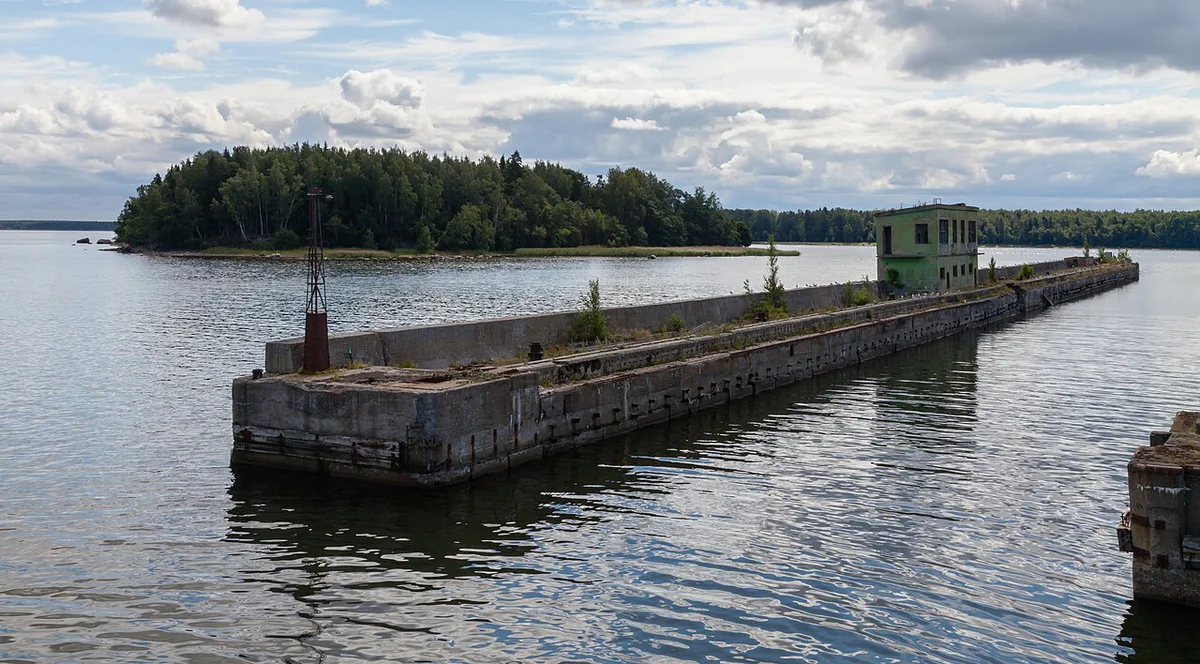
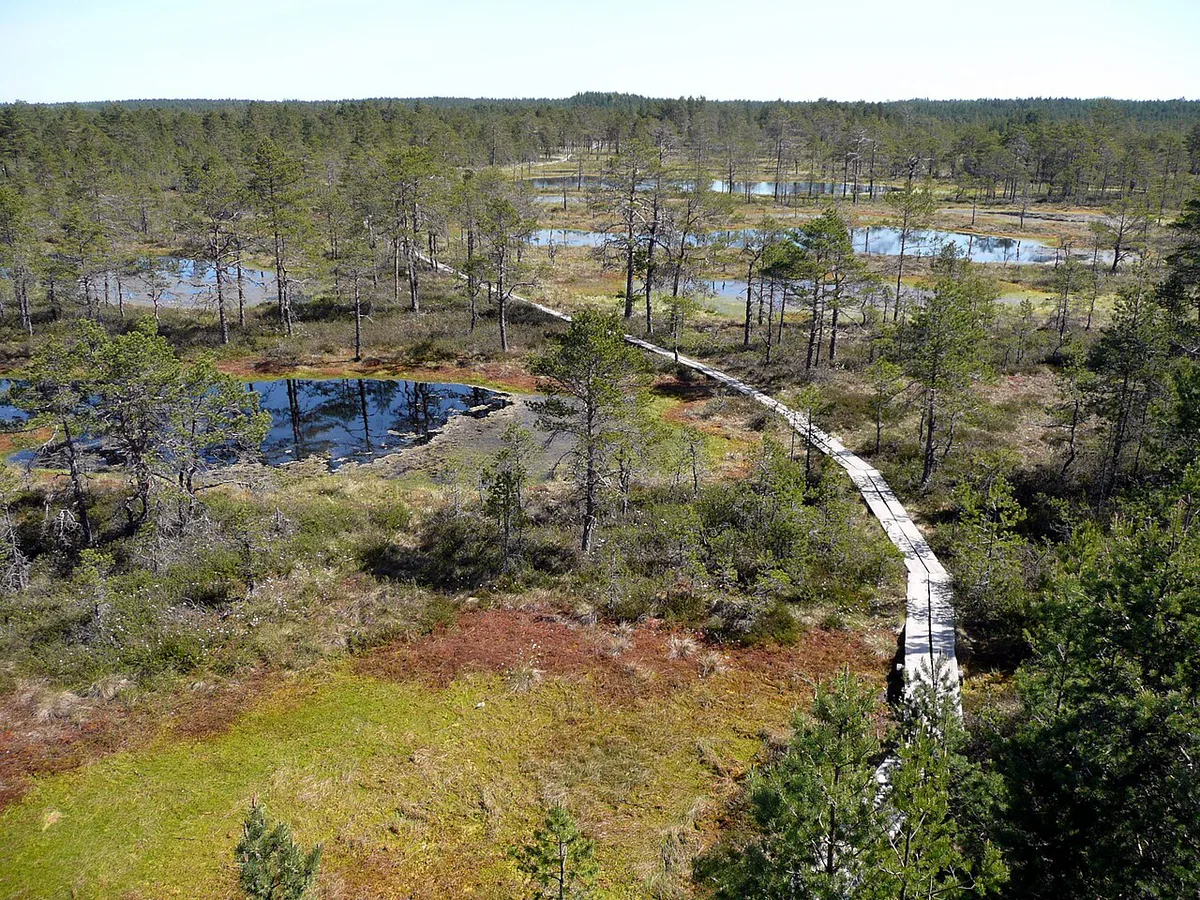
Lahemaa sits about an hour from Tallinn, which makes it the simplest park to visit without a long transfer. Our guide to Lahemaa's manors and bogs covers the route in more detail. Palmse and Sagadi manors anchor the cultural side. The Viru bog boardwalk, 3.5 km on the Viru Bog Nature Trail, ends at an observation tower. Large erratic boulders carried by glaciers from Scandinavia dot the landscape. Hara harbor, with its former submarine base, and Purekkari cape are also popular stops. Visit Estonia notes that EUROPARC recognized Lahemaa for sustainable nature tourism. For trail and visitor information, see the Lahemaa visitor pages.
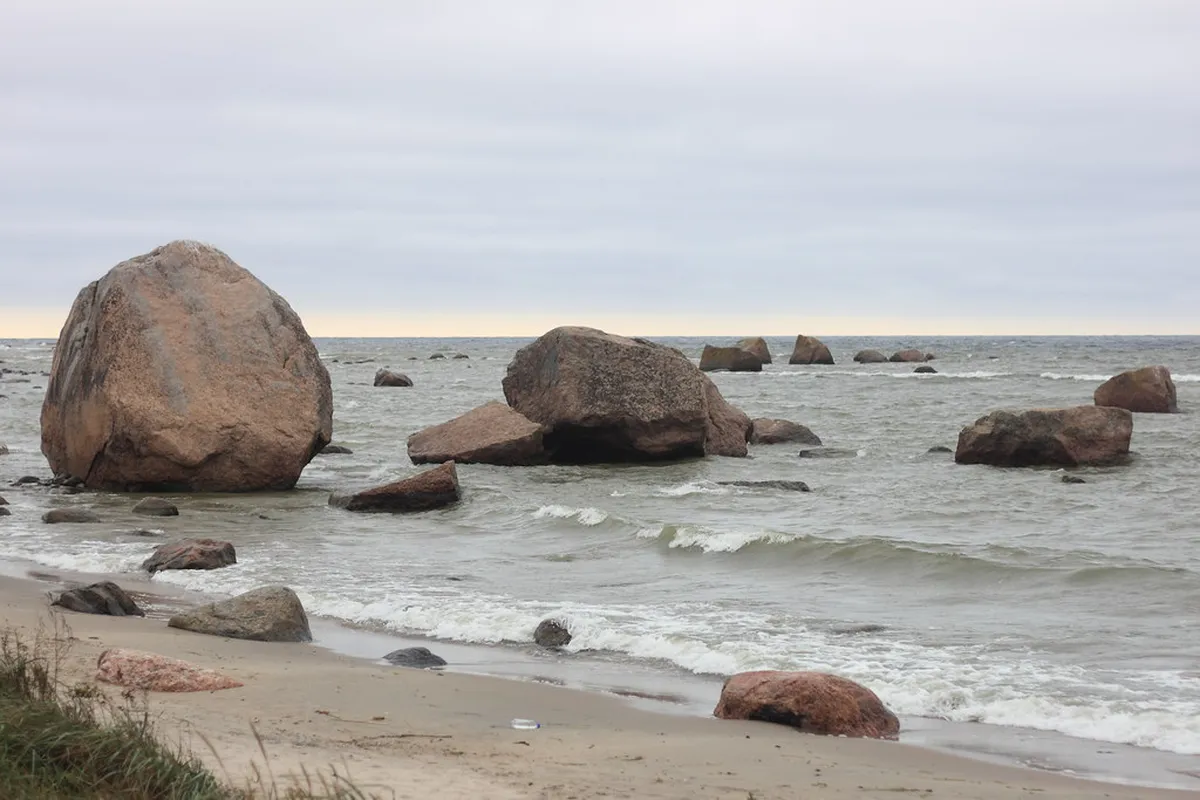
- Best season: spring through autumn; coastal villages are quietest outside July.
- Signature experiences: Viru bog boardwalk, Palmse and Sagadi manors, the 15 km Käsmu trail.
- Book ahead: guided day tours if you have no car.
- Trade-off: it is the most visited park, so go early or midweek.
Soomaa National Park: bogs, canoeing and the fifth season
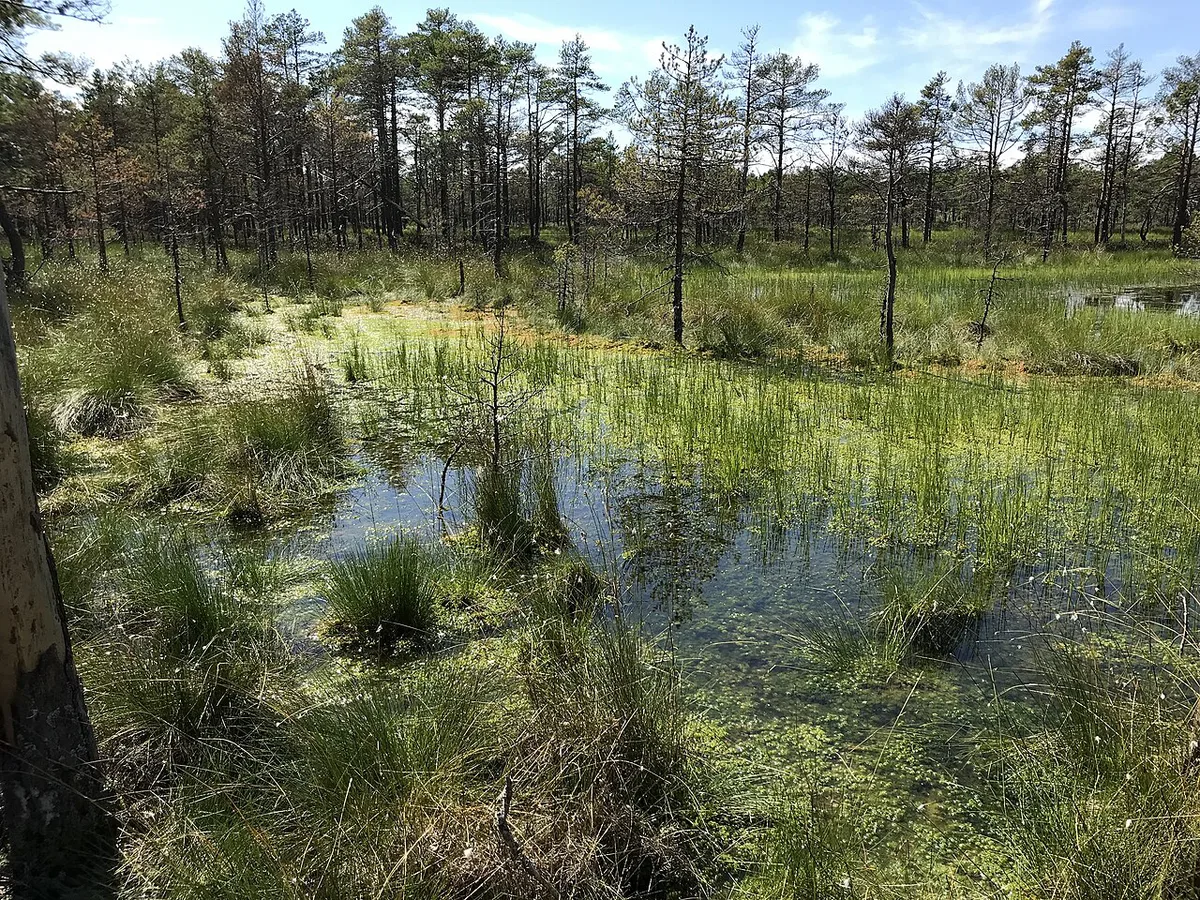
More than half of Soomaa consists of bogs and rivers, with forest groves and wooded meadows around them. Our Soomaa guide goes deeper on routes. Heavy rain and snowmelt push the rivers over their banks, and locals call the resulting floods the fifth season. People then travel by wooden dugout canoe, known as haabjas. Flood timing varies from year to year, so ask local operators before booking. Soomaa.com and Seikle Vabaks both run guided canoe trips, and winter options include bogshoeing and kicksleds. For park background, see the Soomaa visitor pages.
- Best season: flood season for canoeing; winter for snowshoeing and ice.
- Signature experiences: guided canoe trip, bogshoe walk, Beaver Trail study trail (1.8 km).
- Book ahead: guided paddling, especially in flood season.
- Trade-off: outside the floods, the park is mostly short loop trails spread over a large area, so you need a car.
Matsalu National Park: birdwatching in West Estonia
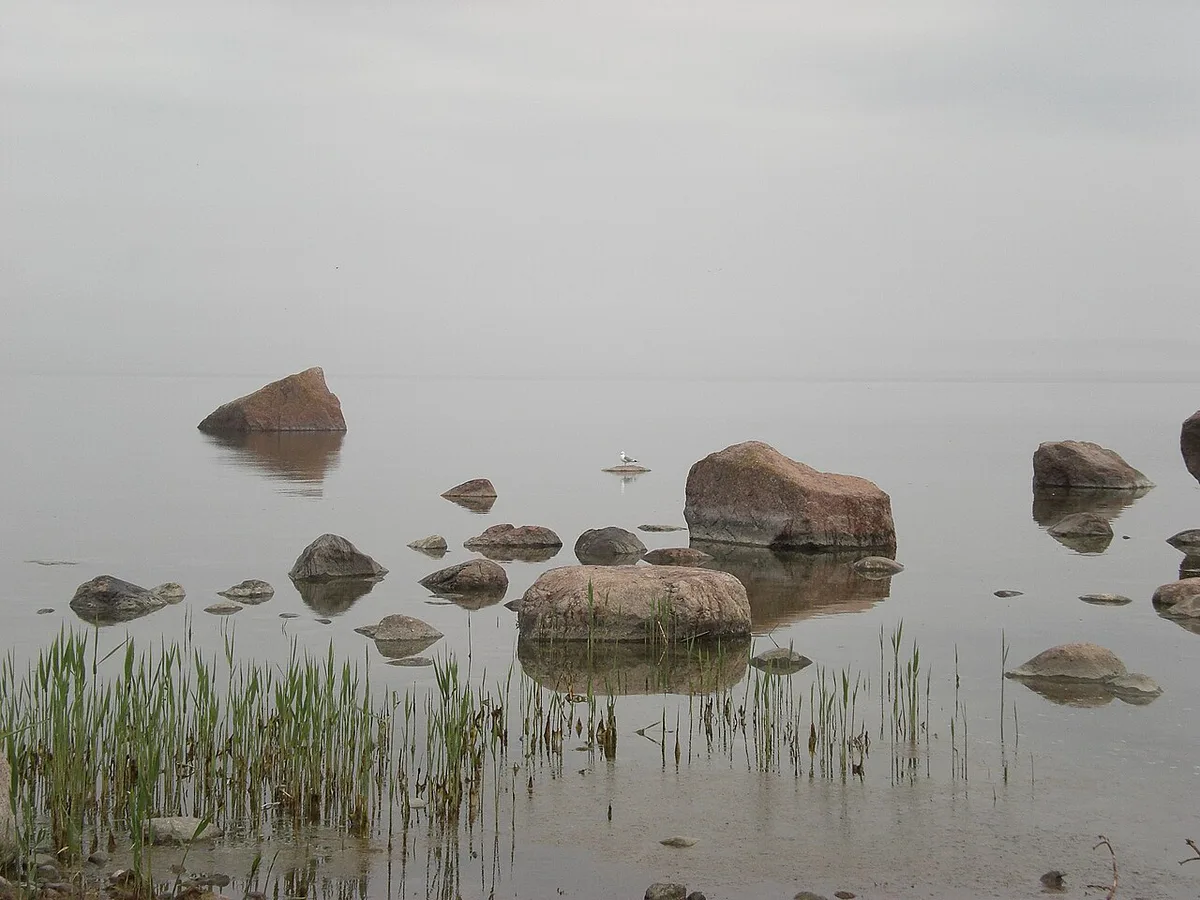
Matsalu is the country's birdwatching park. Its reedbeds, floodplains and meadows sit around the Kasari River delta, and the park includes over 50 islands. Migrating birds rest and feed here in spring and autumn, and many species nest. Observation towers include Keemu, Suitsu, Penijõe, Kloostri and Rannajõe. Visit Estonia says EUROPARC recognized Matsalu for sustainable nature tourism. In autumn, the Matsalu International Nature Film Festival adds a cultural reason to visit. The RMK Penijõe-Aegviidu-Kauksi hiking route runs 84 km (about 52 miles) and starts here.
- Best season: spring and autumn migration.
- Signature experiences: tower-hopping, fishing-village cafes, thatched huts.
- Book ahead: accommodation in West Estonia in peak migration weeks.
- Trade-off: it is far from Tallinn and rewards patience over a quick stop.
Vilsandi National Park: islands and coast
Vilsandi lies on the west coast of Saaremaa and protects sensitive coastal and island habitats. Spring flowers bloom here earlier than in the east, and boat trips run out to Vilsandi Island. Getting here means planning around the ferry to Saaremaa and a longer drive on the island. Check the ferry operator's timetable before you set out. Birders often pair it with Matsalu on the same trip.
- Best season: spring and summer for boats and flowers.
- Signature experience: a boat trip to Vilsandi Island.
- Book ahead: ferry crossing and boat trip in summer.
- Trade-off: distance; do not squeeze it into a day trip.
Karula National Park: lakes and hills
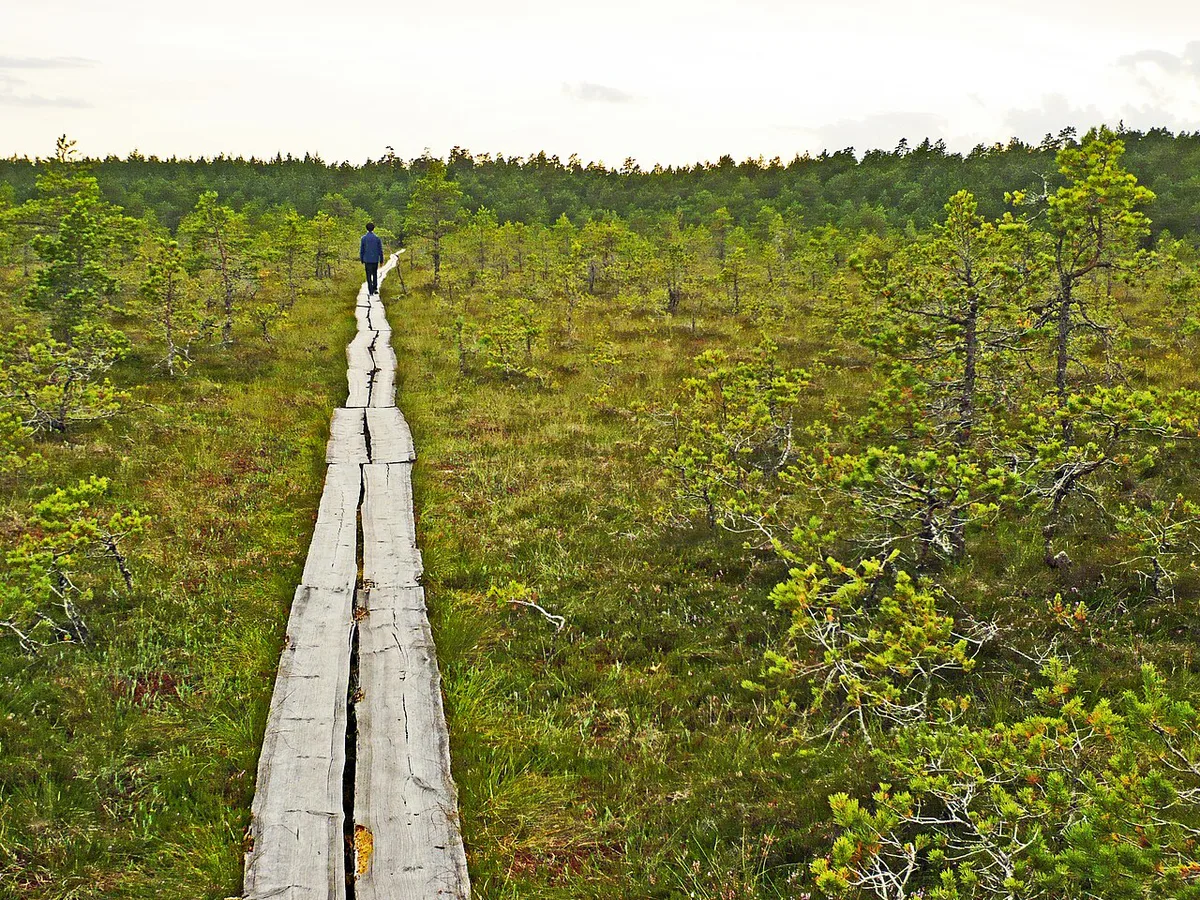
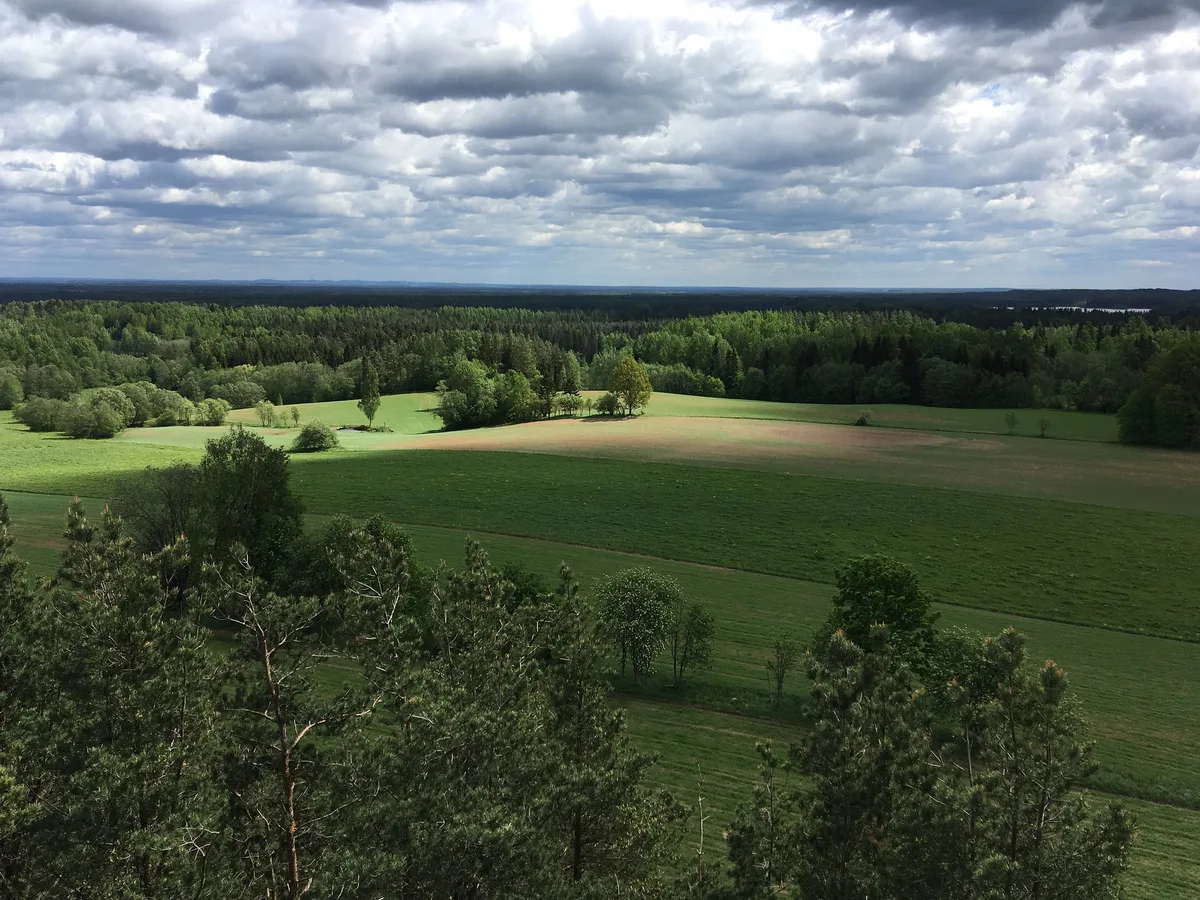
Karula is Estonia's smallest national park, at about 123 km² (47 square miles). It holds 38 lakes, with Lake Ähijärv the largest. Ice Age meltwater left small rounded hills here that you will not find elsewhere in Estonia. Trails include a 36 km long hiking and cycling route, a 4 km Ähijärve trail and a 0.4 km children's trail. Mäekonnu and Rebasemõisa have observation towers, though Rebasemõisa was reported closed, so check RMK before you go. Smoke saunas, a regional tradition, are part of local culture.
Families can use the 0.4 km children's trail here, but with no big visitor facilities, plan a car or transfer to reach the park.
- Best season: summer and early autumn.
- Signature experiences: lakeside hiking, cycling, a smoke sauna visit.
- Book ahead: a car or transfer; there are no big visitor facilities.
- Trade-off: quiet and far south, so it works best as a slow overnight.
Alutaguse National Park: forests and wildlife watching
Alutaguse is the newest park, founded in 2018 in northeastern Estonia. More than half of it is bog, and about 42% is forest. Villages, ancient burial sites and former mining areas sit among the wild stretches. Brown bears, lynx, elk and wolves live in the region. Guided observation hides give a safer view than any casual walk, and sightings are never guaranteed. Dunes about 18 m (59 ft) high run along a 30 km (19 mile) beach on Lake Peipsi.
- Best season: summer for the lake; the hides run through much of the year.
- Signature experience: a guided bear and wildlife hide stay.
- Book ahead: hide accommodation and any transfer.
- Trade-off: it is the longest trip from Tallinn and needs a car or guide.
Best time to visit by season
Season changes what each park offers, so match your dates to the park. Spring and autumn belong to Matsalu's bird migration. Winter suits snowshoeing and bogshoeing in Soomaa, and skiers use trails in the east. Summer is best for coast and island access.
- Spring: bird migration at Matsalu, early flowers at Vilsandi.
- Summer: Lahemaa coast, Karula lakes, Vilsandi boat trips, Alutaguse dunes.
- Autumn: Matsalu migration and film festival, quieter Lahemaa.
- Winter: Soomaa snowshoeing, bogshoeing and ice.
- Fifth season: Soomaa floods, usually spring or after heavy rain, timing varies yearly.
How to get around: car, bus, tours and guides
Lahemaa has the easiest access from Tallinn, including guided day tours and a cycling tour. Soomaa, Karula, Alutaguse and the islands depend on a car or an organized transfer. Check the national intercity bus and rail operators for current timetables. For Vilsandi, check the Saaremaa ferry operator. Visitor centers and RMK offer maps and trail details, and a local guide can open up remote areas.
Costs, camping rules and what to book ahead
Park entry is generally open, but check RMK for current fees at specific sites. Your main costs are guided trips, hides, boat trips, car hire and lodging.
- Self-guided and free: walking trails, boardwalks and towers.
- Mid-range: a guided canoe or Lahemaa day tour.
- Premium: a bear-hide stay in Alutaguse or an island boat trip.
- Camping and fires: use RMK-designated sites only; zoning restricts the rest.
Sample itineraries
Match time to geography. Lahemaa works from Tallinn, while Soomaa pairs with Pärnu or Tartu.
- One day: Lahemaa from Tallinn, with Viru bog and Palmse.
- Weekend: Lahemaa on day one, then a southwest base for Soomaa canoeing or bogshoeing.
- One week: Lahemaa, Soomaa, Matsalu, Vilsandi by ferry, Karula, then Alutaguse.
Mistakes to avoid
Most problems come from planning too much or at the wrong time of year.
- Trying to see several parks in one day.
- Expecting canoe water in Soomaa at any time of year.
- Assuming bears or wolves appear casually; use a guided hide.
- Ignoring zoning and camping rules.
- Underestimating the distance to Vilsandi or Alutaguse.
Beyond Estonia: the other Baltic parks
Estonia is the northern end of a longer route. Our Baltic national parks overview ties the region together. Continue south with Latvia's national parks. Then reach Lithuania's national parks for the Baltic's southern end. Gauja and Ķemeri fit a Latvian stop, and Aukštaitija and the Curonian Spit suit Lithuania. See Gauja's sandstone valley first if you drive south from Tartu.
Frequently Asked Questions
Are there wild bears in Estonia?
Yes, brown bears live in Estonia's forests, including the Alutaguse area. Sightings are never guaranteed. Guided observation hides give the best chance, so book one rather than hoping to meet a bear on a trail.
What is a must see in Estonia?
For nature, start with Lahemaa for an easy trip from Tallinn. Add Soomaa if you want canoeing or bogshoeing. Birders should add Matsalu.
Notes for your next park visit
Optional updates to our national park guides.
Read next

Keep planning
Picked from the same area