
Curonian Spit, Lithuania: Nida, Dunes & How to Visit
Plan the Curonian Spit: ferry from Klaipėda, Nida and Parnidis Dune, one day or overnight, car vs bus vs bike, and what to check first.
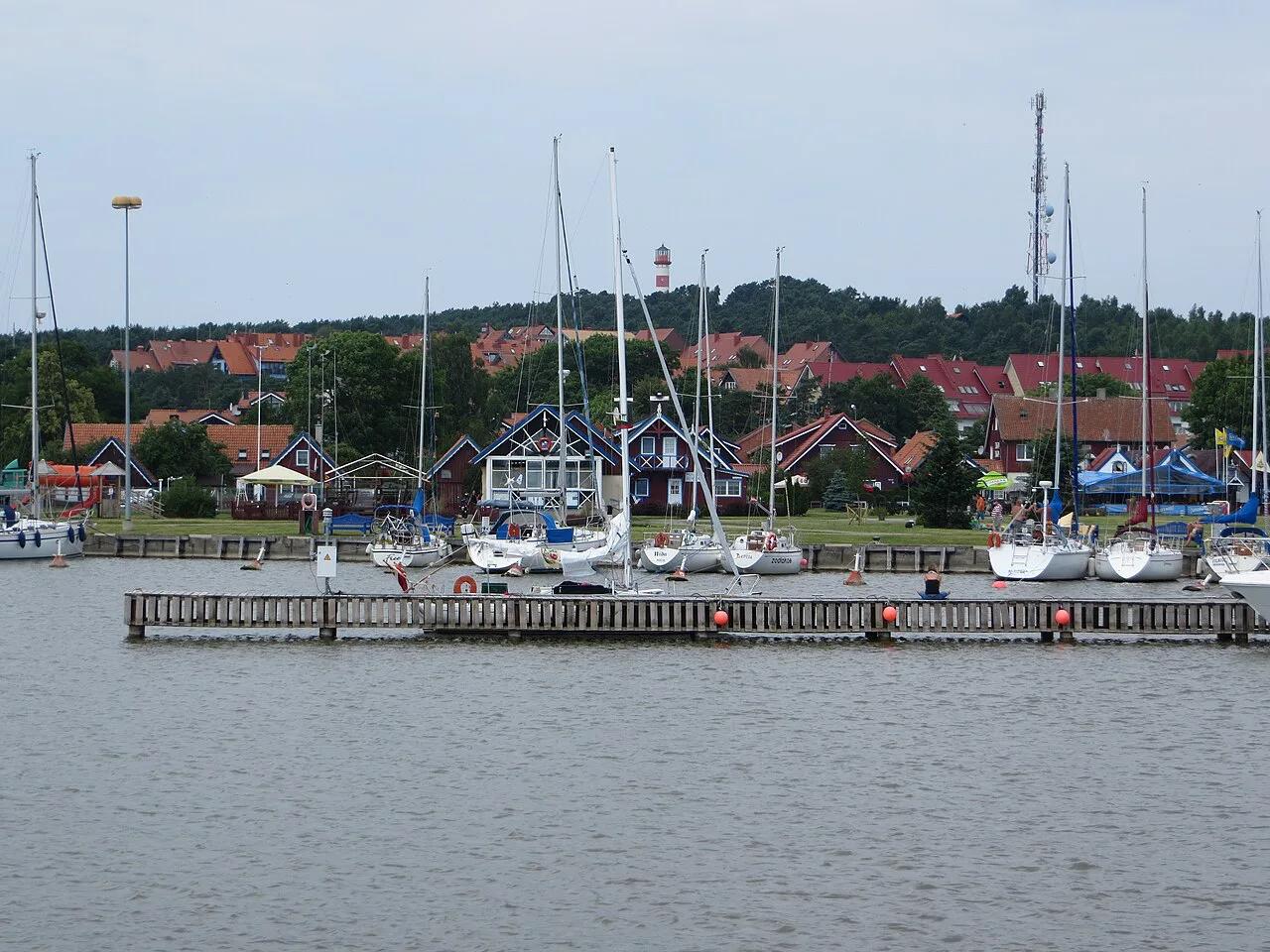
Last updated November 2026: the Curonian Spit is a narrow, UNESCO-listed sand-dune peninsula between the Baltic Sea and the Curonian Lagoon, shared by Lithuania and Russia. Most visitors go to the Lithuanian side, run as a national park in the Neringa municipality, and use Nida as a base. Your main decision is a rushed day from Klaipėda or a night in Nida, and this guide covers both before pointing you to Lithuania's other national parks.
Featured image: Bernt Rostad, CC BY 2.0, via Wikimedia Commons.
Curonian Spit at a glance
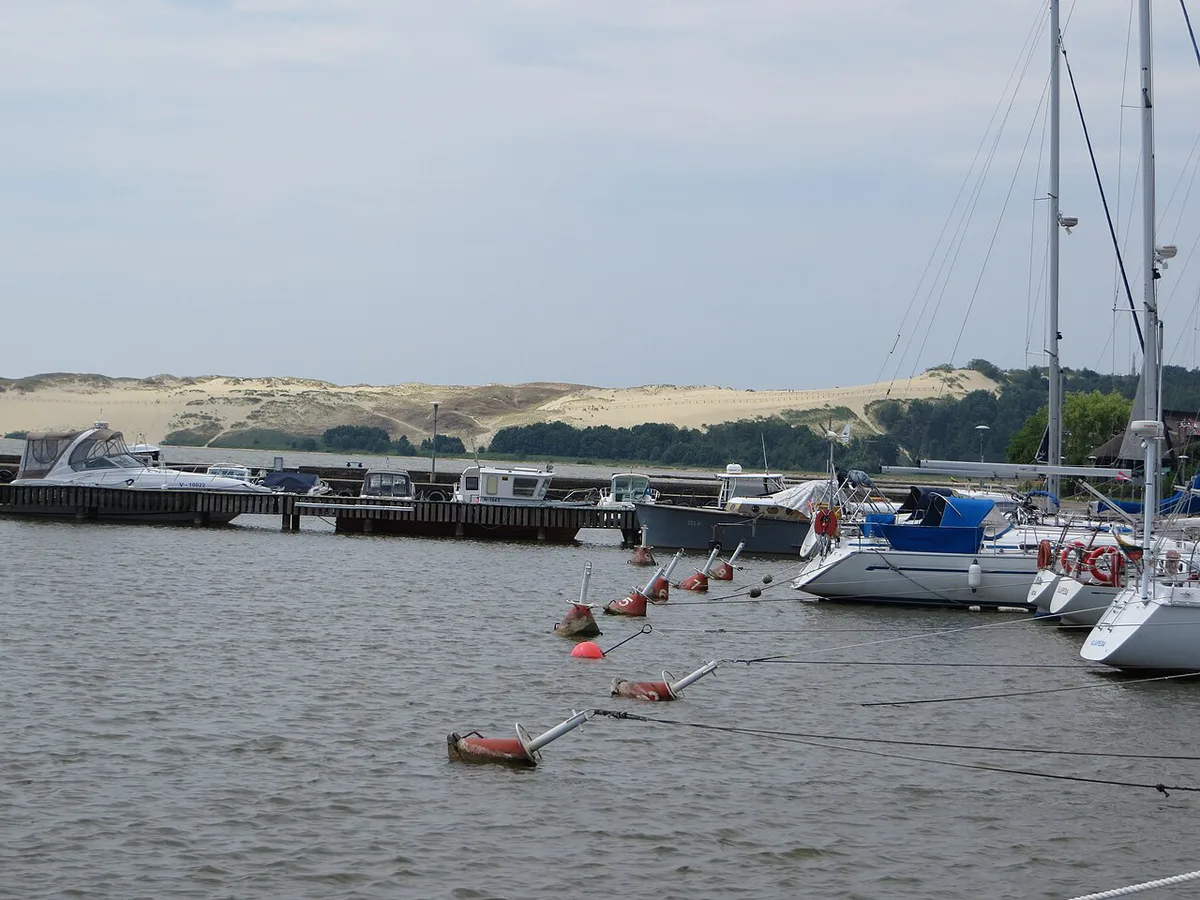
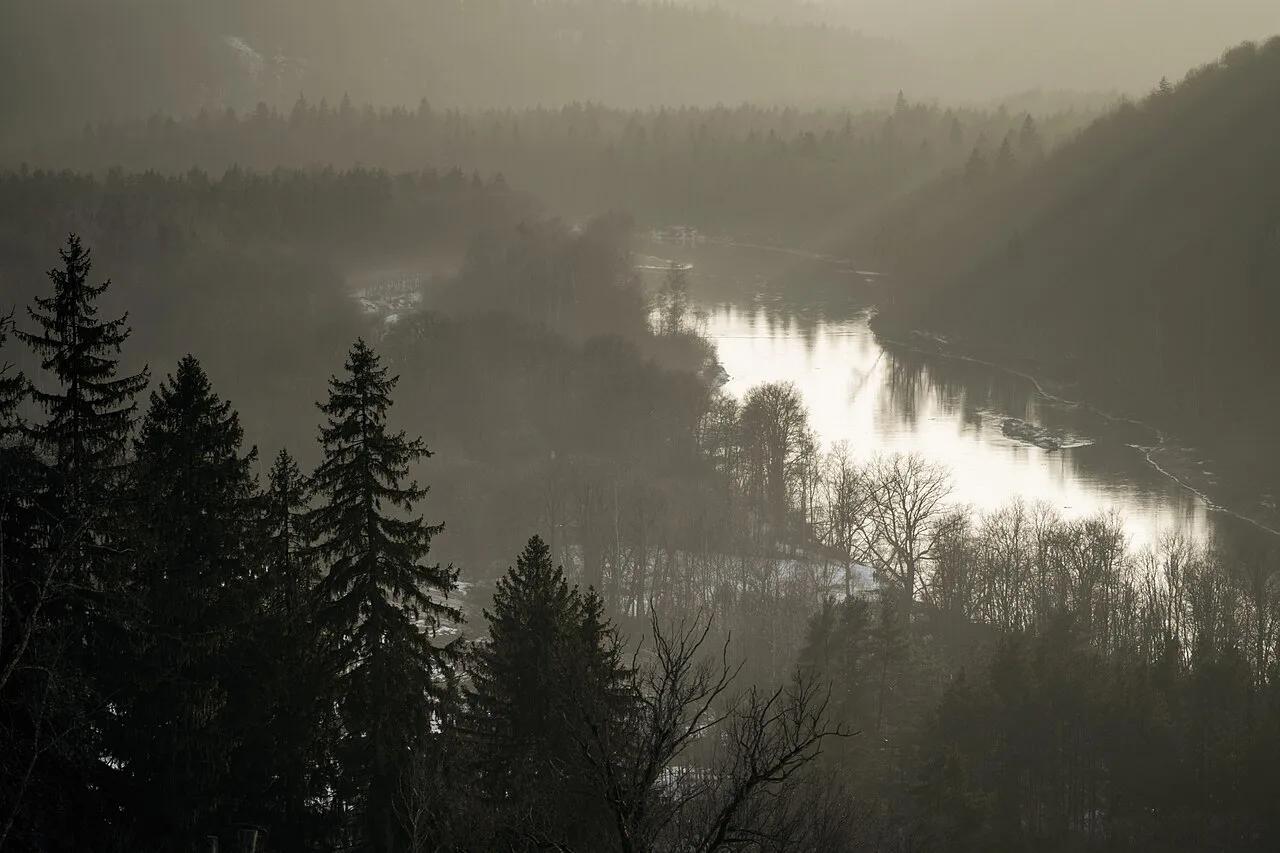
The spit is about 98 km (61 miles) long. It runs from the northern tip opposite Klaipėda down to the Sambia Peninsula. Width ranges from roughly 400 m (1,300 ft) to 3,800 m (12,500 ft), with the widest point just north of Nida. Dunes, pine forest and small fishing villages fill the strip between sea and lagoon. The Lithuanian half is the Curonian Spit National Park, and the park's official site is the place for rules, trails and visitor centres.
- Status: UNESCO World Heritage Site shared by Lithuania and Russia.
- Lithuanian settlements: Smiltynė, Juodkrantė, Pervalka and Nida.
- Base for most visitors: Nida, near Parnidis Dune.
- Access: short ferry from Klaipėda to Smiltynė.
- Best for: walkers, cyclists, dune and lagoon views, and anyone who likes quiet coastal villages.
Getting to the Curonian Spit
The Lithuanian side is not linked to the mainland by road, so every route starts with a ferry across the strait from Klaipėda to Smiltynė. Foot passengers use the passenger ferry that leaves just north of the city centre. Cars use a separate vehicle ferry from a terminal further south, near Nemuno Street. A bus from Klaipėda's central bus terminal can cross by ferry and continue straight to Nida. Fares and timetables change by season, so read the current schedule on the ferry operator's site before you set out.
| Option | Cost level | Flexibility | Best for |
|---|---|---|---|
| On foot, then bus from Smiltynė | Current fare varies | Medium; tied to timetables | Visitors without a car |
| Direct bus from Klaipėda | Current fare varies | Low; fixed stops | Simple day trips to Nida |
| Car on the vehicle ferry | Current fare varies, plus park entry fee | High | Families and multi-stop days |
| Bike on the ferry | Current fare varies | High; weather-dependent | Fit riders staying overnight |
Getting around the Curonian Spit
A car lets you reach every village, but driving visitors pay a fee to enter the national park. Parking is tight in summer, especially in Nida. Leave Klaipėda early in the morning to get a space. Without a car, buses run from Smiltynė to Nida. Many visitors also rent a bike in summer, though winter rentals may not be available. The park's site lists the fee amount and payment method.
Best things to do in Nida and on the Spit
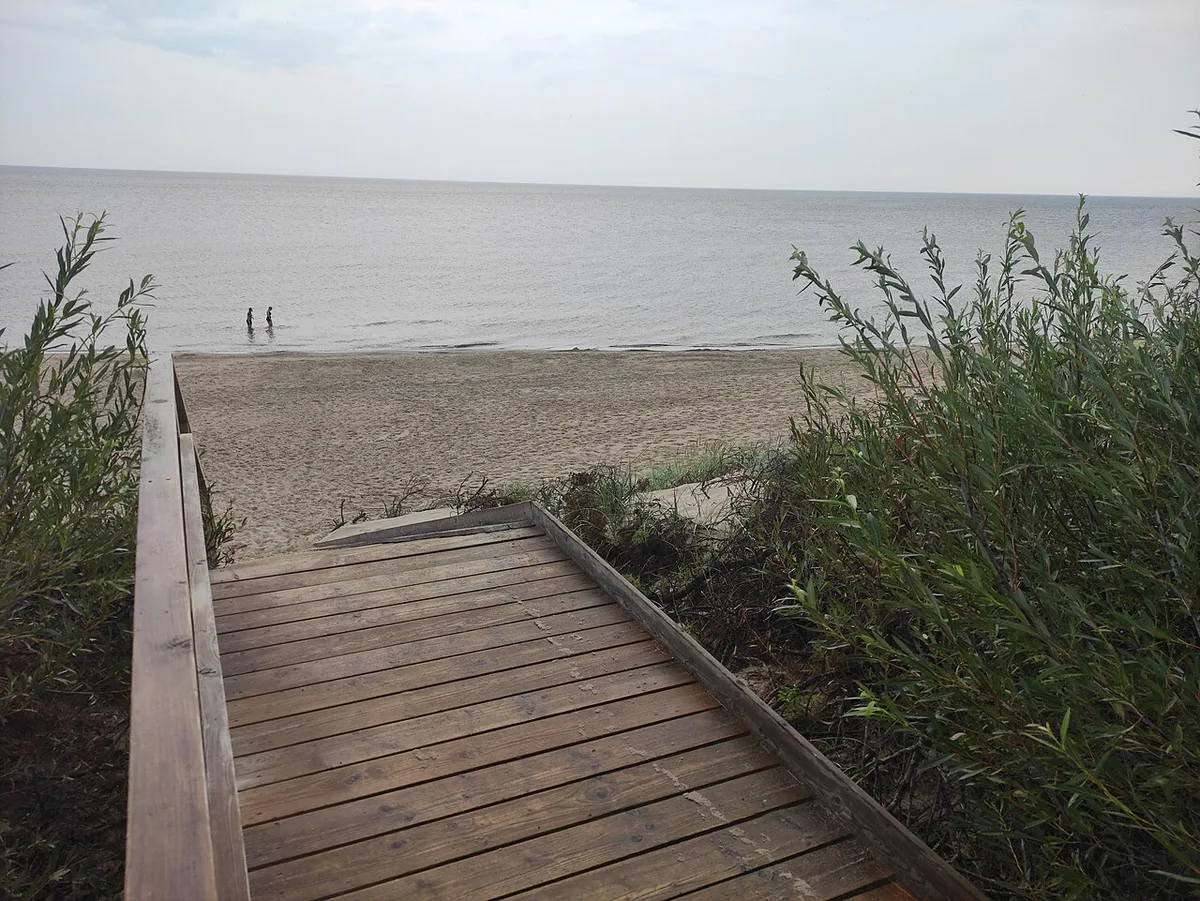
Nida packs most of the highlights into one walkable village. Parnidis Dune is reported at about 52 m high and is the top stop. Follow the path south along the lagoon until you reach wooden staircases on your right. At the top, a sundial marks a viewpoint with the lagoon on one side and the Baltic Sea on the other. Allow roughly an hour for the climb and views, as an editorial estimate.
- Parnidis Dune: a wandering dune with stairs, a sundial and views of lagoon and sea. Best for first-timers. Stay on the marked paths.
- Thomas Mann memorial museum: the German writer's summer house in Nida. Best for literature fans. Look up the museum's exact name and opening days before you go.
- Curonian Spit History Museum: a small museum with replica fishing boats. Best for local context. Check hours, especially in winter.
- Nida Ethnographic Cemetery: traditional wooden grave markers with tree and bird carvings. Best for a quiet, short stop.
- Fisherman's Ethnographic Homestead: a reconstructed fisherman's house. Renovation status is uncertain, so check before planning around it.
- Lagoon-side promenade: an easy walk past painted wooden houses. Best for an evening stroll.
- Juodkrantė and the Dead Dunes in the Nagliai reserve: possible extras for a longer stay. Check access and rules with the park.
One day or overnight on the Curonian Spit
A day trip from Klaipėda works if you start early and focus on Nida. An overnight stay lets you see Parnidis Dune in evening light and slow down. Treat these timings as editorial estimates, not published schedules. If you only do three things, climb Parnidis Dune, walk the lagoon promenade and visit one museum.
Parnidis Dune is reported at about 52 m high, so the climb earns a place even on a tight schedule, and ferry timing sets how much time you get.
| Plan | Rough shape | Suits |
|---|---|---|
| Rushed day from Klaipėda | Morning ferry, Nida dune and promenade, evening return | Cruise passengers and tight itineraries |
| Relaxed full day | Early ferry, a stop in Juodkrantė or Smiltynė, Nida in the afternoon | Car drivers and cyclists |
| Overnight in Nida | Arrive midday, museums and dune, stay for sunset and the next morning | Walkers, photographers, anyone avoiding crowds |
When to visit the Curonian Spit
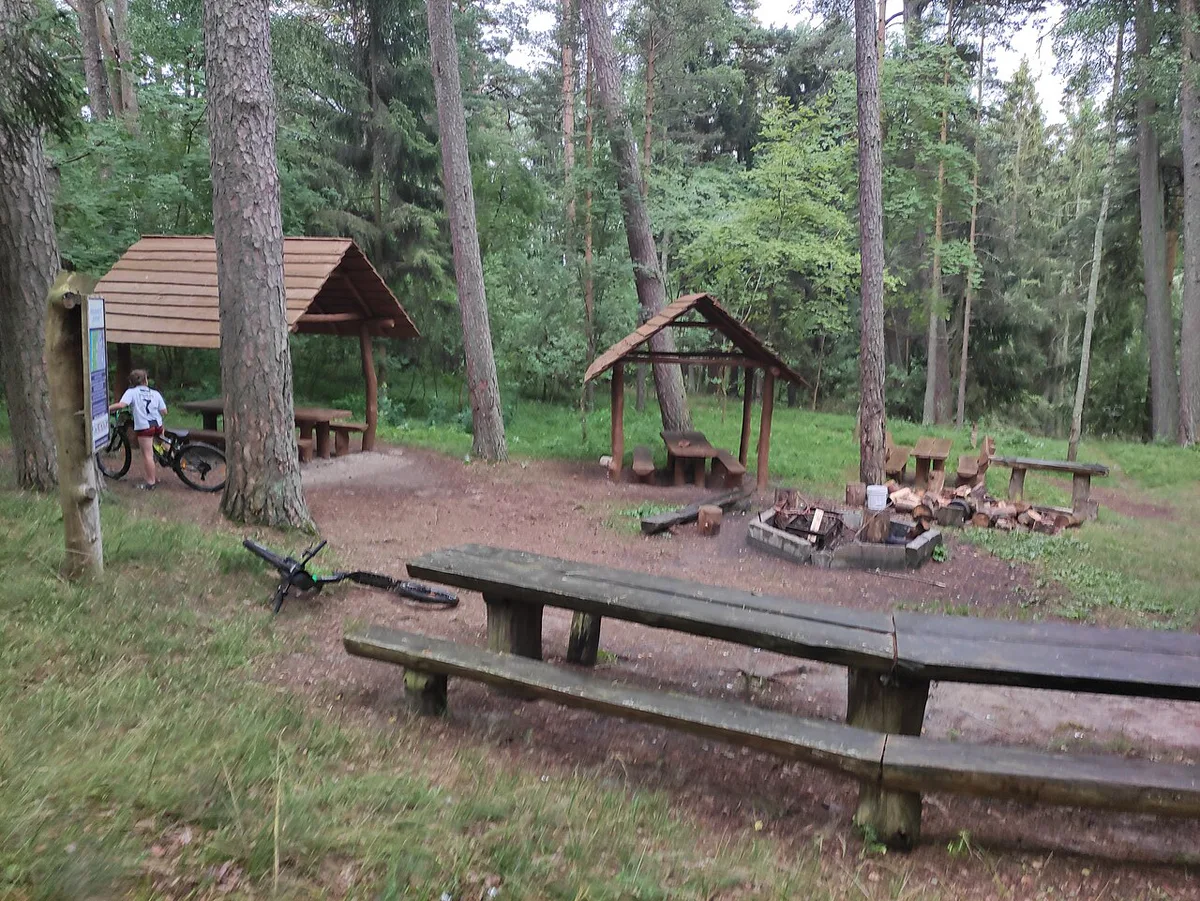
June to August is peak season for beaches, cycling and lagoon activity. It also brings the heaviest parking pressure. Spring and autumn are quieter, with fewer cars and a calmer feel on the promenade. In winter, some bike and boat rentals may be unavailable, so check seasonal opening hours before you plan around a specific attraction.
| Season | Pros | Cons / what may be closed |
|---|---|---|
| Summer (June to August) | Beaches, cycling, lagoon activity, long days | Tight parking, busy ferries, higher demand for rooms |
| Spring and autumn | Quieter paths, easier parking | Some services may run limited hours |
| Winter | Empty dunes and promenade | Bike and boat rentals and some museums may be closed |
Where to stay and eat
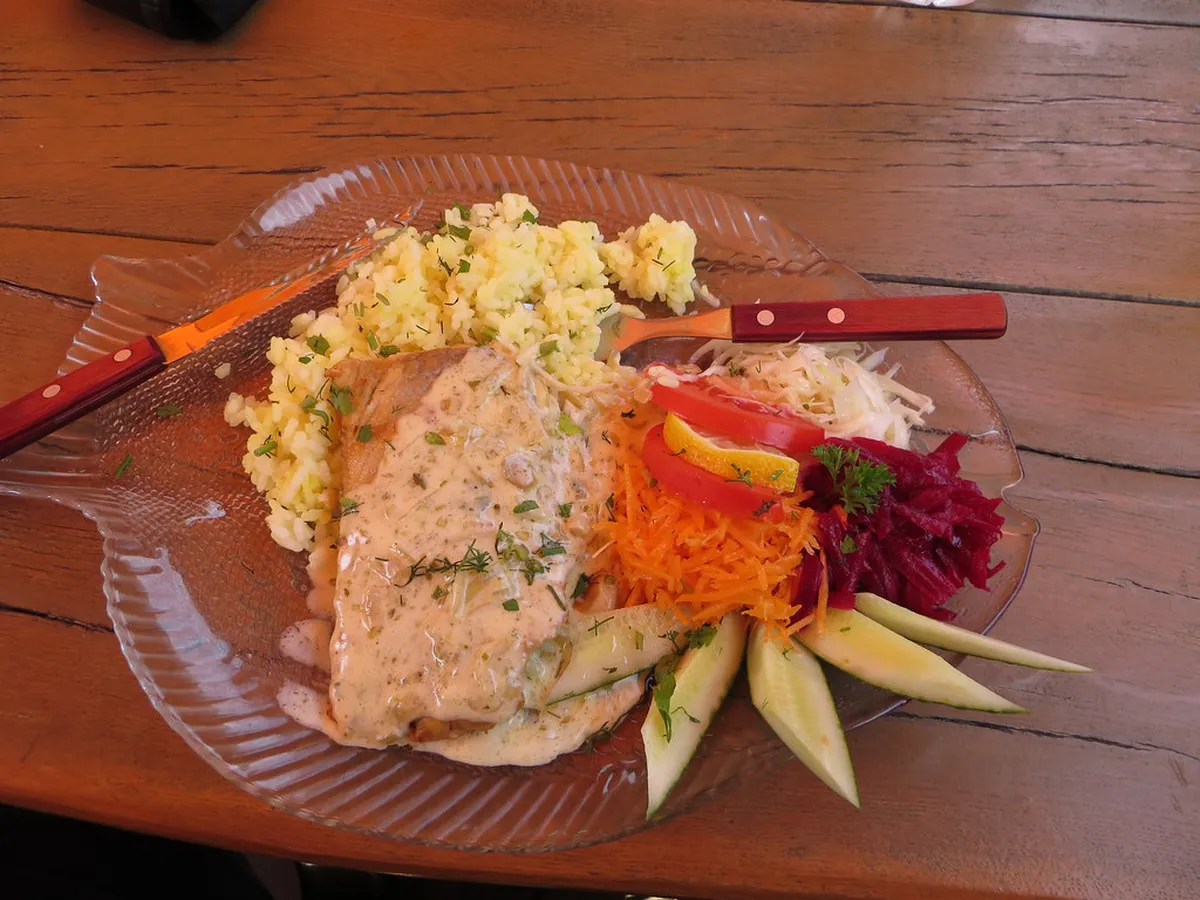
Nida is the main base, with the widest choice of rooms and restaurants. Lodging prices vary by season, so compare options on the national tourism site and book early for summer weekends. Smoked fish is a local food tradition, and you will find it in village cafés and fishing communities along the lagoon.
Visitor rules and protecting the dunes
Stay on boardwalks and marked paths, because footsteps feed dune erosion. Parnidis Dune moves slowly, and over the centuries wandering dunes have buried villages on the spit. The park sets rules on fires, camping, drones and beaches; read the current ones before you go.
- Mistake to avoid: arriving late in summer and finding parking full.
- Mistake to avoid: leaving the boardwalk to climb dune slopes.
- Mistake to avoid: assuming every museum is open in winter.
- Mistake to avoid: treating Nida as the whole spit.
Lithuanian side vs Russian side
The spit is shared. The northern part is in Lithuania, and the southern part belongs to a separate national park in Russia's Kaliningrad Oblast. Sources disagree on the exact split, so use the UNESCO listing for the official figure. For the Russian side, check your own government's current travel advice and entry rules before planning anything.
Add it to a wider Baltic national parks trip
For forest and lakes instead of dunes and sea, try Aukštaitija's lake country. Heading north, Latvia's national parks include Gauja's river valley and Ķemeri's bogs and boardwalks. Estonia offers Lahemaa's coastal bays and Soomaa's flooded forests. See Estonia's national parks for the full list. Our Baltic national parks overview helps you sequence the whole trip.
Frequently Asked Questions
Has Lithuania got a coastline?
Yes, Lithuania has a Baltic Sea coastline. Klaipėda is the port city on the mainland, and the Curonian Spit stretches south from just across the strait.
Is the Curonian Spit natural?
Mostly, yes. A glacial moraine formed its base, and wind and sea currents added the sand. It is also a cultural landscape, since people have lived and built villages there for centuries.
Notes for your next park visit
Optional updates to our national park guides.
Read next

Keep planning
Picked from the same area