
Soomaa National Park: Fifth Season & How to Visit
Plan a trip to Soomaa National Park in Estonia: when the spring flood happens, how to get there from Pärnu, Tartu or Tallinn, what to do, and where to stay.
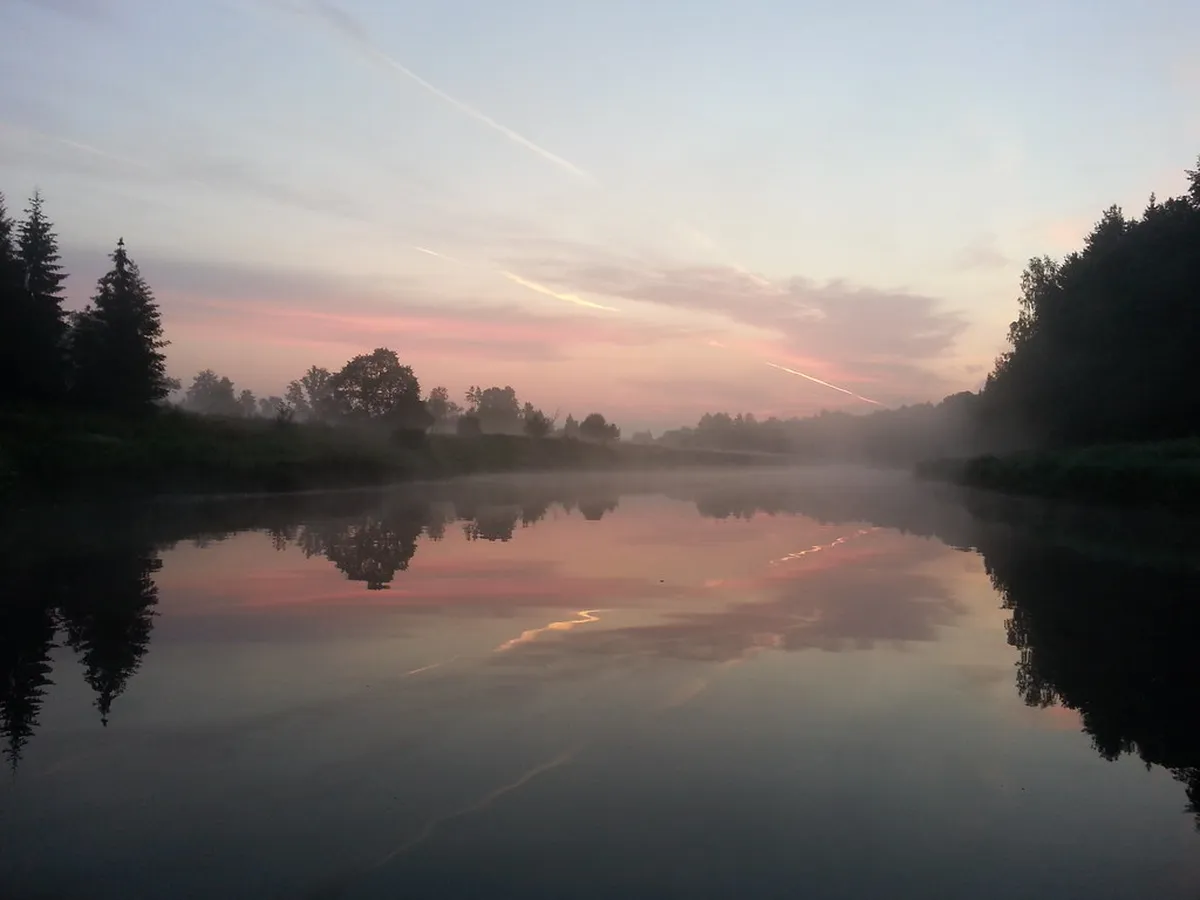
Last updated November 2026: Soomaa National Park is a bog and floodplain reserve in southwestern Estonia, known for its spring "fifth season" flood and for canoeing. It suits paddlers and walkers who want wetland instead of coast. Flooding typically falls in March to April, but timing varies by year, so a dry-season bog hike is the safer plan.
Featured image: Aivar Ruukel, CC BY 2.0, via Flickr.
Soomaa National Park at a glance
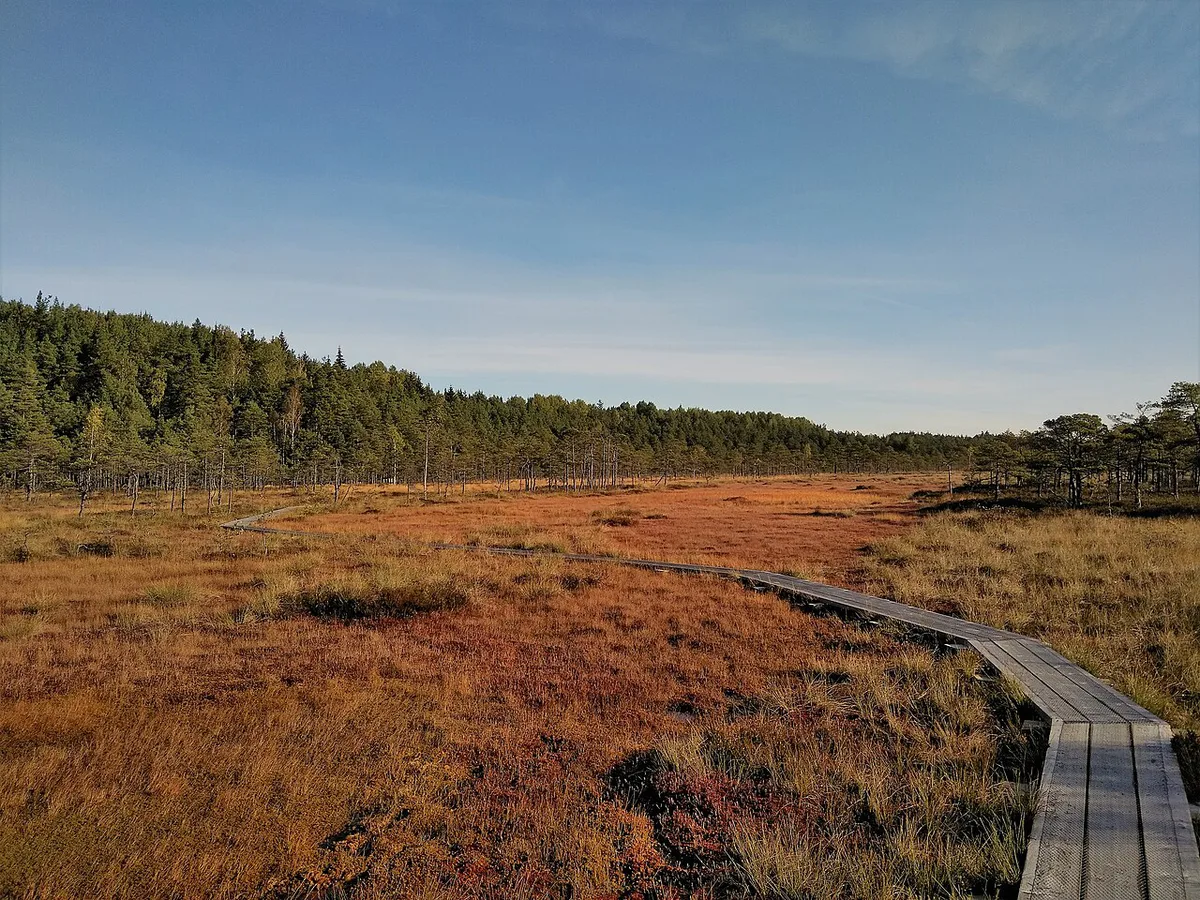
Soomaa sits in southwestern Estonia, in the Pärnumaa region, with Pärnu as the usual gateway town. It covers roughly 390 km² of bogs, rivers, floodplain meadows and forest. That figure comes from travel sources, so check the park's own pages for the official area. It is one of the parks covered in our guide to Estonian national parks.
- Location: southwestern Estonia, Pärnumaa region
- Size: roughly 390 km²
- Gateway towns: Pärnu, Viljandi and Tartu are the usual starting points
- Best for: canoeing, bog walks and winter kick-sled trips
- Official information: Soomaa National Park pages
Why Soomaa is different: the fifth season
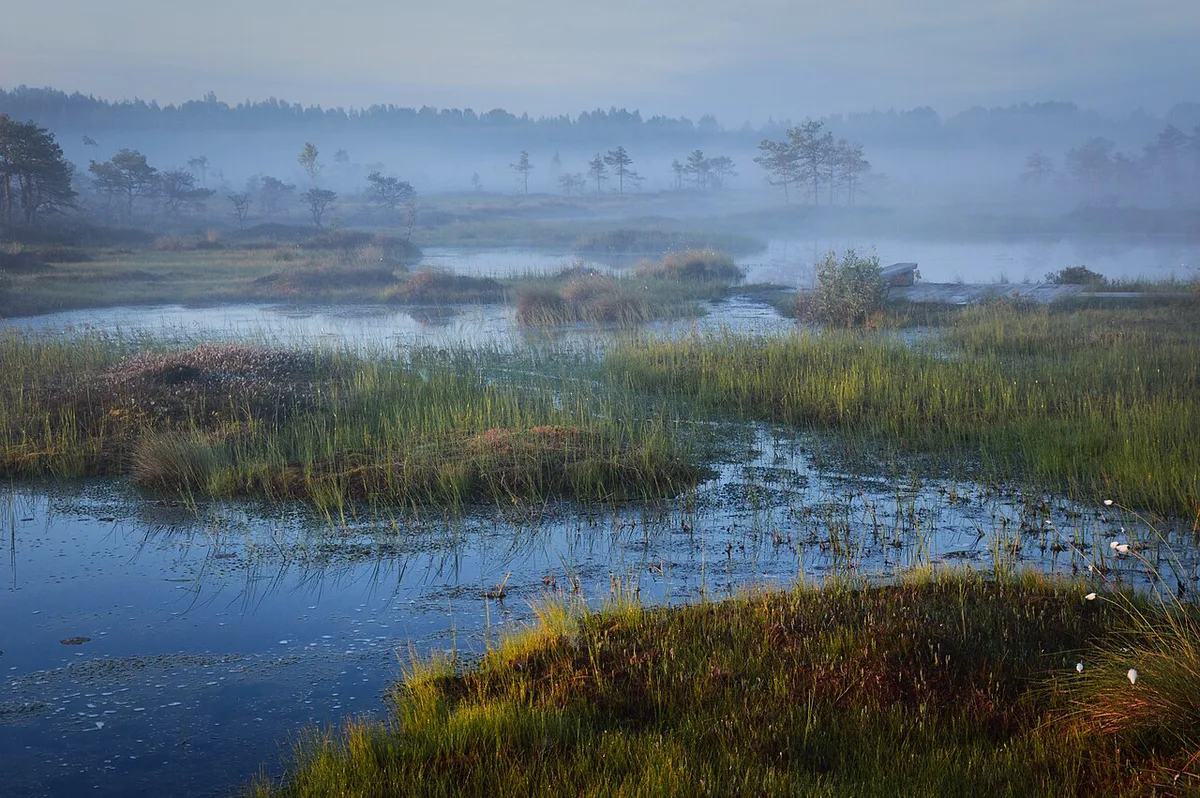
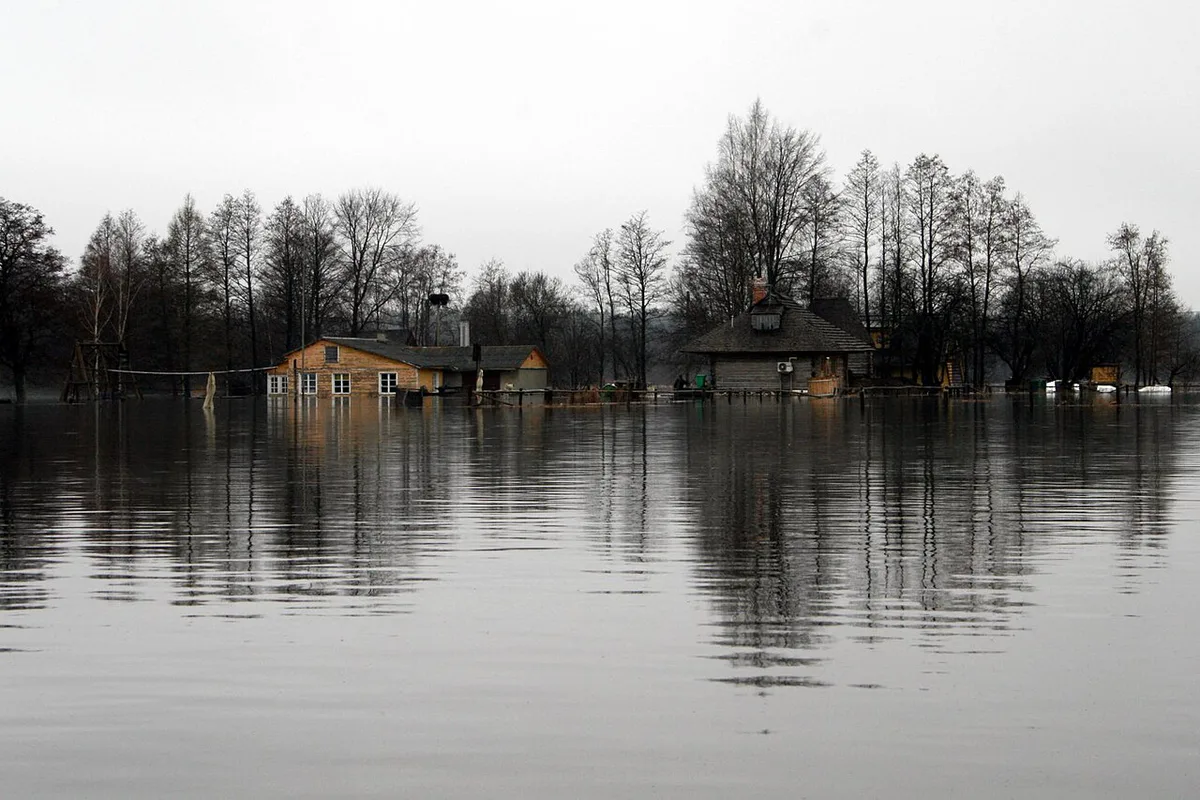
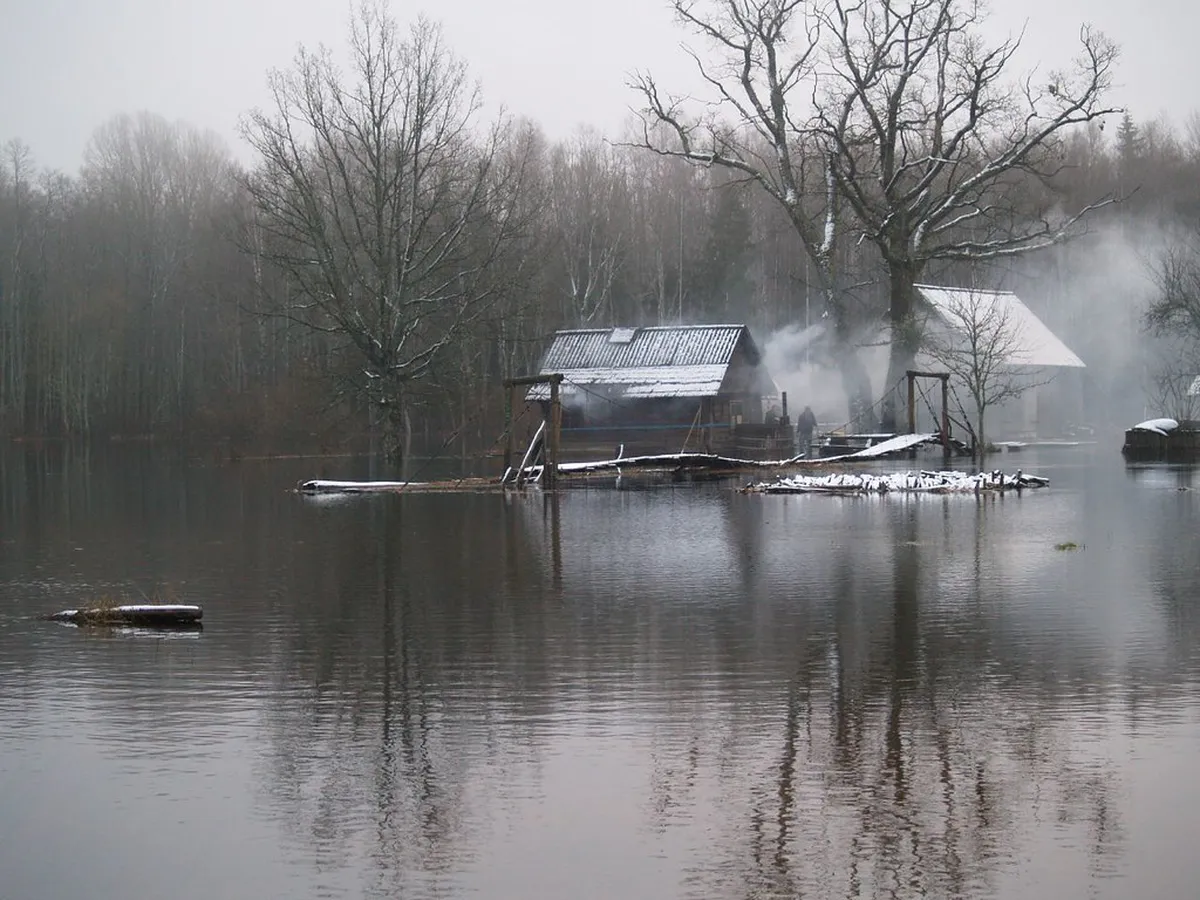
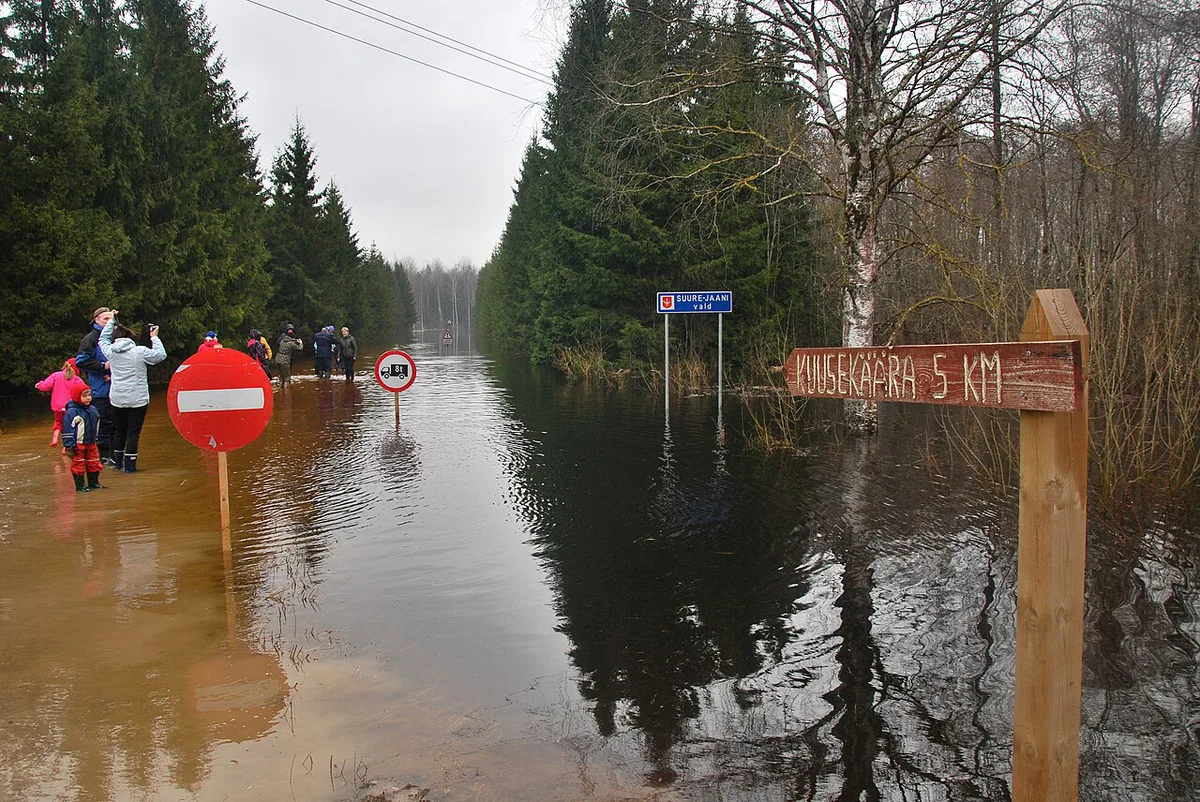
Soomaa means "land of bogs", and its rivers drain slowly across flat peatland. In spring, snowmelt and rain push the rivers over their banks. Roads, meadows and forest trails can disappear under water. Locals call this the fifth season. Visitors paddle canoes straight through flooded woodland and across meadows that are dry in summer.
The flood usually arrives in March to April, but its timing and height change every year. Some years the water stays modest. Others it cuts off farm roads for days. Nobody can promise dates, so treat the fifth season as a window and not an appointment.
Best time to visit Soomaa National Park
Pick the season by what you want to do. Flood spectacle and good walking rarely overlap, because high water closes many dry trails. Book accommodation and guides with flexible dates if the flood is your goal.
| Season | What you can do | Trade-off | Suits |
|---|---|---|---|
| Spring flood (typically March to April) | Canoe through flooded forest and meadows | Timing and water level vary by year; some trails are under water | Paddlers with flexible dates |
| Summer | Canoe trips, bog hikes, trail walking | Insects near bogs; bring repellent | Families and first-time visitors |
| Autumn | Quiet trails, bog hikes, canoeing at lower water | Shorter daylight; wet ground | Walkers who want fewer people |
| Winter | Kick-sled trips, snowshoeing | Ice and snow depend on the year; short days | Visitors who like cold, quiet landscapes |
Best things to do in Soomaa
Local operators list a clear set of activities. Each one suits a different season and fitness level. Ask the operator about skill requirements when you book.
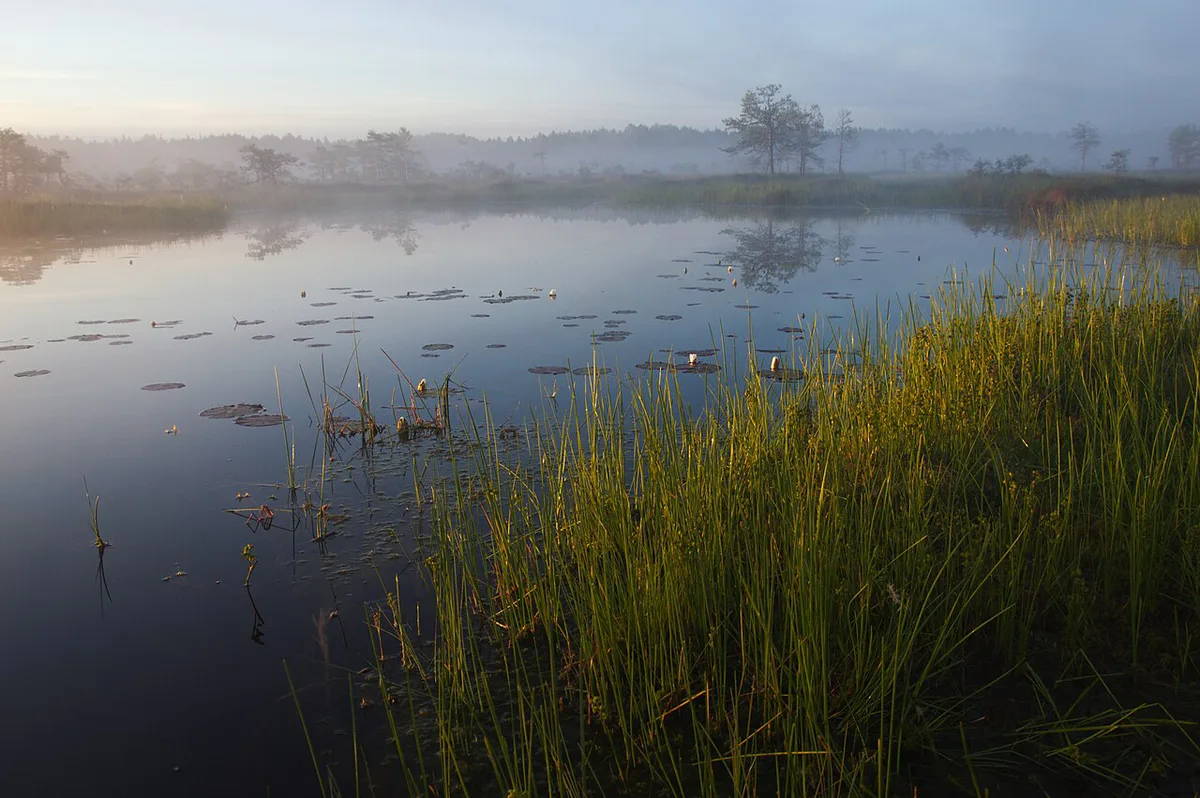
- Canoe trips: guided paddles on the rivers, and through flooded forest in the fifth season. Best for first-timers with a guide.
- Bog hikes: guided walks onto the bog, including bog-shoe walking. Best in the dry months, and an easy way to understand the landscape.
- Hiking trails: marked walking routes through forest and wetland edges. Best when the water is low.
- Kick-sled trips: winter rides on a Nordic kick sled, offered by local operators when there is snow and ice.
- Snowshoe trips: guided winter walks over frozen ground.
- Birdwatching: popular in wetland habitats during migration, so bring binoculars in spring and autumn.
How to get to Soomaa, with and without a car
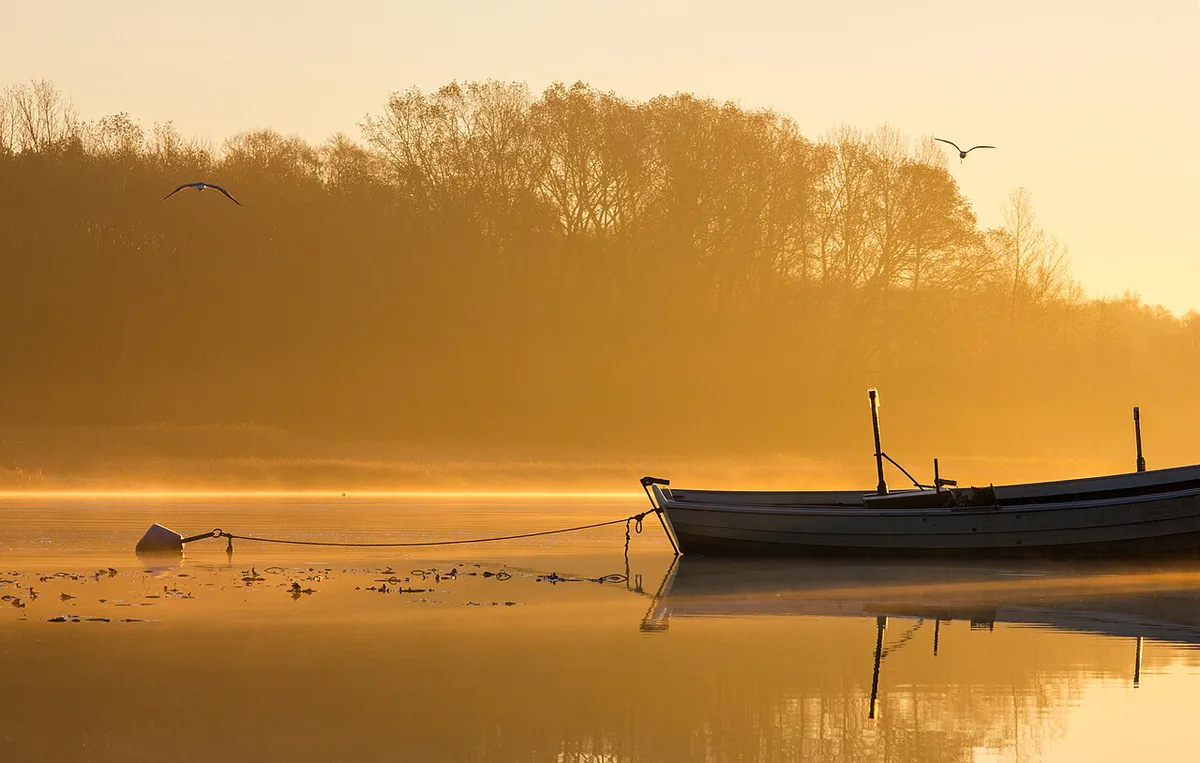
A car makes Soomaa far easier. Drive from Pärnu, Tartu or Tallinn toward the Riisa, Kõrtsi-Tatra and Tipu area, where the main visitor facilities and operators cluster. Use a current map and the operator's directions for the final stretch. Several online directions place the park's entrance near Kõpu, which is on the other side of the park, so do not rely on them.
Without a car, buses reach the nearby towns, but onward options are limited. Arrange a taxi, an operator pickup or a guided package before you arrive. Check the national bus journey planner for current timetables. Cycling from Pärnu is possible only if you plan the route in advance and carry water, since services are sparse.
- Rent a car if: you want to move between trailheads, visit in winter, or travel on your own schedule.
- A guided package can work if: you only want one canoe trip or bog hike and the operator confirms pickup.
- Skip public transport alone if: your plans depend on reaching trailheads on time.
Where to stay and what to book ahead
Accommodation is small and rural. Expect guesthouses, farm stays, campsites and nature lodges. The local tourism association keeps the accommodation listings on its VisitSoomaa site, and Visit Estonia gives wider regional context. Flood-season weekends and guided trips fill early, so reserve both before you fix your travel dates.
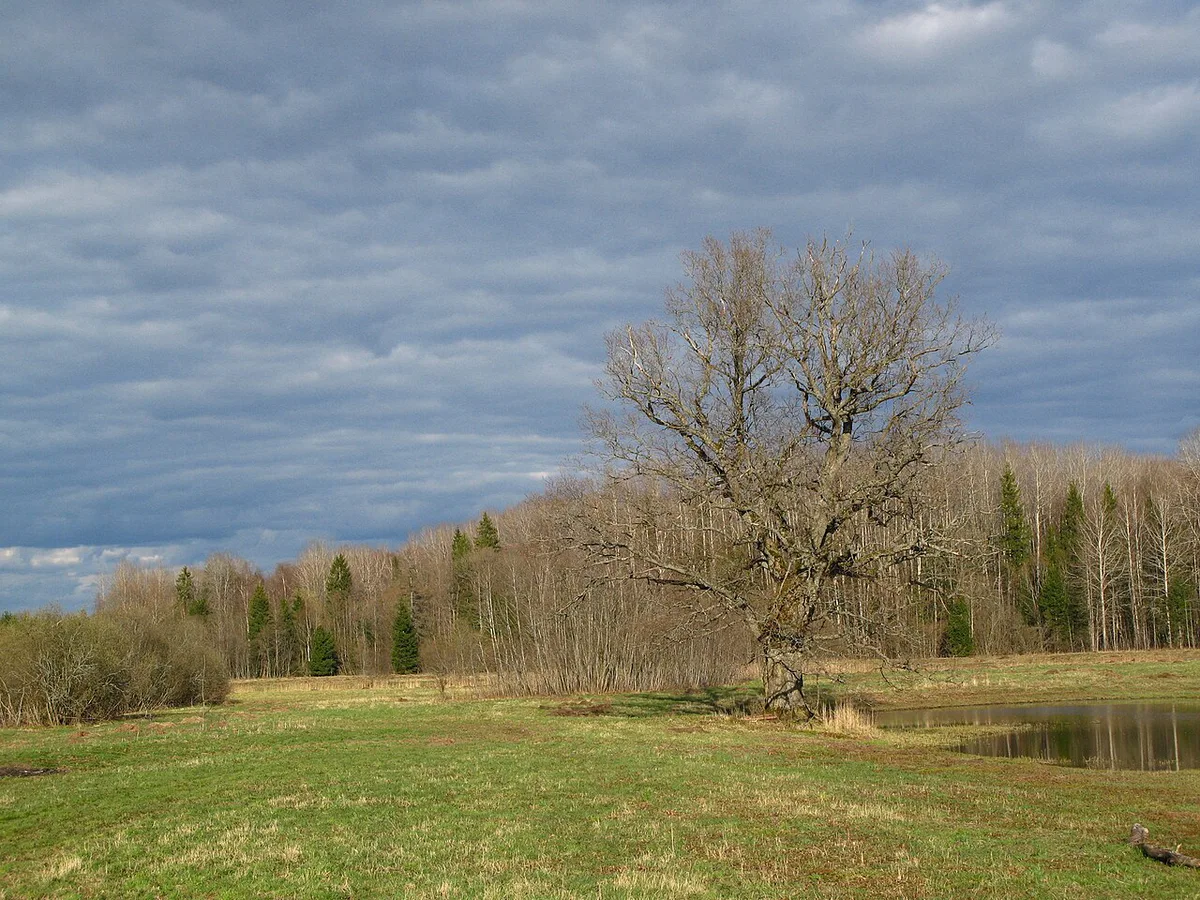
Plan 2 to 3 days if you want a canoe trip and a bog hike, and reserve those guided slots early, since flood-season weekends fill up first.
Costs, access and rules
The park is open-access nature land. Your real costs are guided trips, canoe hire, parking and transfers. Rates vary by operator and season, so ask each operator for its current price before you book.
Pack waterproofs, boots, a change of socks and insect protection. Stay off soft bog edges unless a guide leads you. Check water levels before any flood-season trip. Camping and fire rules are set by the State Forest Management Centre (RMK), so read them on the park's official information pages before you pitch a tent.
Sample plans: day trip or 2 to 3 days
A day trip from Pärnu is feasible but rushed. You spend much of the day in transit and can fit in only one activity. With 2 to 3 days, you can combine a canoe trip with a bog hike and still have slack for weather. Choose the longer plan if you are visiting in the fifth season.
Mistake to avoid: arriving in flood season without a booked canoe or a water-level check. A second mistake is assuming public transport reaches the trailheads. Both leave you stranded with nothing to do.
Soomaa vs. other Baltic national parks
Soomaa is the pick for wetland and canoe experiences. Lahemaa is the other Estonian option, with a coastal and forest setting that is easier from Tallinn. For the wider picture, see our Baltic national parks overview.
| Park | Landscape | Pick it for |
|---|---|---|
| Soomaa (Estonia) | Bogs, rivers, floodplain | Canoeing and bog walks |
| Lahemaa (Estonia) | Coast and forest | A park easier to reach from Tallinn |
| Gauja (Latvia) | River valley and forest | Walking in a river-valley setting |
| Ķemeri (Latvia) | Wetland and bog | Another wetland park, in Latvia |
| Aukštaitija (Lithuania) | Lakes and forest | Lake scenery in Lithuania |
| Curonian Spit, Lithuania: Nida, Dunes & How to Visit (Lithuania) | Dunes and sea | Dunes and coastline |
Notes for your next park visit
Optional updates to our national park guides.
Read next
Keep planning
Picked from the same area