
12 National Parks in Europe: Best Parks by Trip Type and Season
Which national parks in Europe are worth visiting? Compare 12 top parks by season, access, permits, and hiking level, with a pick-by-trip-type guide.
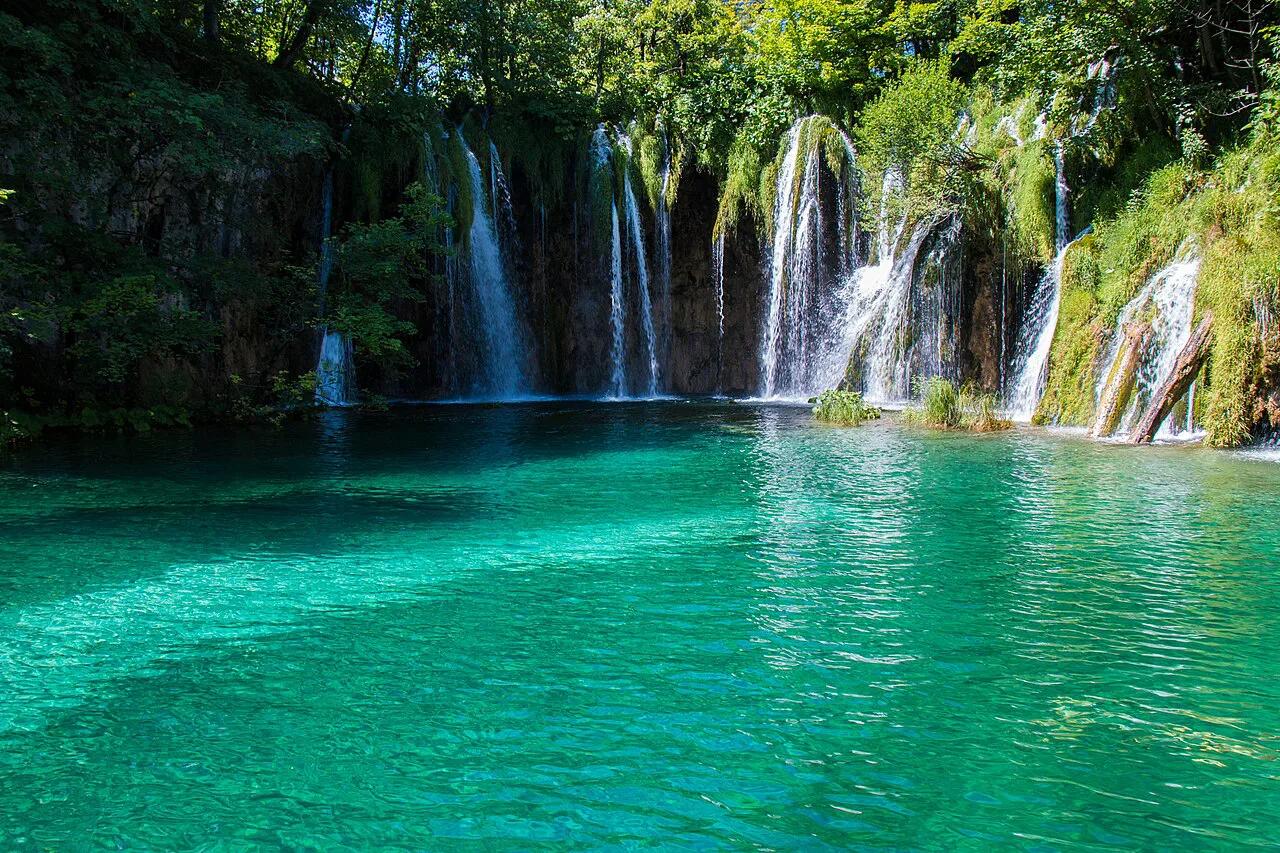
Last updated November 2026: national parks in Europe run on no single system, because each country sets its own rules for fees, camping, swimming, and drones. This guide sorts 12 parks by trip type and season, and a visual park map shows where each one sits. Turkey and Russia are left out, so Göreme and the Russian parks do not appear.
Featured image: Tesla Delacroix, CC BY-SA 4.0, via Wikimedia Commons.
Quick Answer: The Best National Parks in Europe at a Glance
First-timers get the easiest wins at the Swiss National Park for day hikes, Hohe Tauern for road trips, and Teide for winter sun. Sarek and the Icelandic highlands in Vatnajökull suit experienced hikers who can plan for remote terrain. Our curated top picks narrow the choice further. The table below compares all 12 parks in the main list.
| Park / country | Best for | Best months | Base or access | Permit or fee watch-out | Difficulty |
|---|---|---|---|---|---|
| Swiss National Park, Switzerland | Lakeside day hikes | Summer | Zernez | Check park site for trail rules | Moderate to hard |
| Hohe Tauern, Austria | Road trips and huts | July to September | Kals, Heiligenblut, Mallnitz | Toll on Grossglockner road | Moderate to hard |
| Écrins, France | Experienced hikers | Mid-June to mid-September | Refuges and valley villages | Hut booking | Hard |
| Dolomiti Bellunesi, Italy | Hut-to-hut and geology | Summer | Belluno area | Hut booking on Alta Via 1 | Moderate to hard |
| Triglav, Slovenia | Huts and lakes | June to September | Kranjska Gora, Bohinj | No wild camping | Moderate to hard |
| Jotunheimen, Norway | Ridge hikes | Summer | Marked trail network | Check park rules | Moderate to hard |
| Oulanka, Finland | Quiet trekking | Summer | Karhunkierros trail | Check park rules | Moderate |
| Sarek, Sweden | Remote wilderness | Summer | Kungsleden edge | Few marked trails | Very hard |
| Vatnajökull, Iceland | Glaciers and highlands | Summer for highlands | Skaftafell, Höfn | Highland road and river conditions | Moderate to very hard |
| Teide, Spain | Volcano and stargazing | November to April | TF-21 road | Summit permit | Easy to moderate |
| Picos de Europa, Spain | Gorges and peaks | Late May to September | Poncebos, Potes, Cangas de Onís | Check park rules | Moderate to hard |
| Durmitor, Montenegro | Rafting and summer hikes | June to September | Žabljak | Wild camping rules | Moderate to hard |
How Rules for National Parks in Europe Differ by Country
Each country writes its own park code, so a rule that holds in one park can be reversed 100 km away. Wild camping is reported as allowed in Durmitor but forbidden in Berchtesgaden and Triglav. Where camping is banned, managed huts carry the load, as on the 6-day Venediger High Trail in Hohe Tauern. Most parks charge no entry fee, but gorges, waterfalls, and boats can be ticketed. Hiking permits are rare, and the Teide summit is the standout example. Drones are barred in most parks. EUROPARC Federation links protected-area authorities across the continent. Each park's own site holds the binding rules.
| Topic | What to expect | Example |
|---|---|---|
| Wild camping | Varies by park | Allowed in Durmitor, forbidden in Triglav and Berchtesgaden |
| Swimming | Varies by lake | Allowed in all Berchtesgaden lakes, some Triglav lakes only |
| Drones | Barred in most parks | Ask the park authority first |
| Entry fees | Usually free | Gorges, boats, and toll roads can charge |
| Hiking permits | Rare | Teide summit |
12 National Parks in Europe to Plan a Trip Around
Prices and hours checked November 2026. Entries run from high Alps to Arctic wilderness and each names who should skip it. Readers comparing raw numbers can use these park size comparisons alongside the figures below.
1. Swiss National Park, Switzerland
Founded in 1914, this 172 sq km (66 sq miles) park sits in Graubünden's Lower Engadin valley beside the Italian border. No trees have been felled, no meadows cut and no animals hunted since then, so ibex, chamois, golden eagles and bearded vultures are regular sightings. Zernez is the base for the Lakes of Macun, a 21 km (13-mile) day hike up to a 2,600 m (8,530 ft) plateau holding 23 lakes.
Guided ranger walks run inside the park, and the official visitor information lists current trail details. Skip it if you want a multi-day traverse, since the headline route here is a single long day.
2. Hohe Tauern National Park, Austria
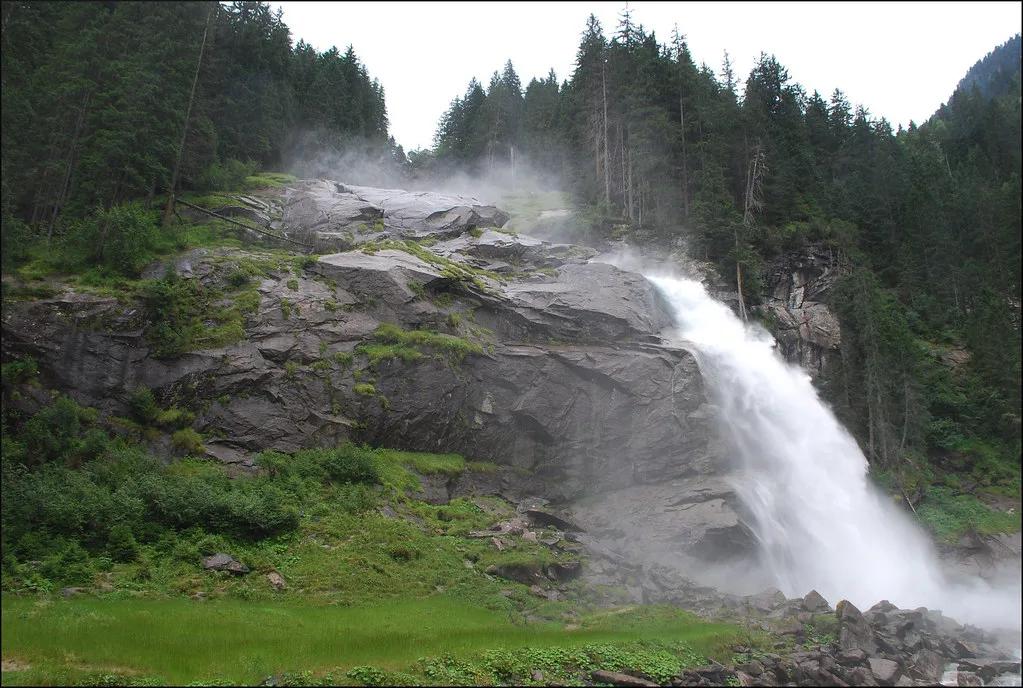
Hohe Tauern covers 1,856 sq km (717 sq miles) across Tyrol, Carinthia and Salzburgerland, topped by Grossglockner at 3,798 m (12,461 ft). Look for the Pasterze, an 8.4 km (5.2-mile) glacier, and the 380 m (1,247 ft) Krimml Waterfalls, plus marmots, chamois, ibex and bearded vultures. The Grossglockner High Alpine Road runs 48 km (30 miles) from Bruck to Heiligenblut, with a 9% average gradient and a toll.
Kals, Heiligenblut and Mallnitz work as bases, and July to September is the usual season. Keen trekkers can hike the 6-day Venediger High Trail between huts. Skip the road if hairpin bends on steep grades make you nervous.
3. Écrins National Park, France
France's second-largest national park spans 918 sq km (354 sq miles) of glaciers, meadows and peaks, and the summit of Barre des Écrins reaches 4,102 m (13,458 ft). A web of 740 km (460 miles) of paths means you can return often without repeating a trail. Plan hikes for mid-June to mid-September, when shepherds' routes are usually clear.
Glacier Blanc is the classic high-altitude walk, and the five-hour Grande Cabane trail enters the Fournel valley. Mountain refuges let you link long treks. Skip it for easy strolls, because most routes suit experienced hikers.
4. Dolomiti Bellunesi National Park, Italy
Pale, jagged rock, deep gorges and soft pastures make geology the main draw here. The Alta Via 1 is a 125 km (78-mile) route from Dobbiaco to Belluno with overnight stays in rifugi, or mountain huts. It rewards walkers who like a fixed daily rhythm: climb, hut dinner, early start.
Belluno is the natural end point for logistics and onward transport. Skip it if sleeping in shared huts does not appeal, since the best-known route depends on them.
5. Triglav National Park, Slovenia
Triglav spreads across 840 sq km (324 sq miles) of the Julian Alps, with 2,864 m (9,396 ft) Mount Triglav at its center. Gateways include Kranjska Gora, the Pokljuka Plateau, the Soča Valley and Lake Bohinj, a 20-minute drive or bus ride from Lake Bled. Savica Waterfall near Bohinj is an easy highlight, while Mount Triglav itself can be climbed on a via ferrata.
June to September is the main season, wild camping is forbidden, and a hut network supports multi-day routes. Skip the summit if you lack a head for heights, because the terrain is unforgiving.
6. Jotunheimen National Park, Norway
Jotunheimen, meaning Home of Giants, covers 1,151 sq km (444 sq miles) of central-southern Norway. Galdhøpiggen at 2,469 m (8,100 ft) and Glittertind at 2,452 m (8,045 ft) are the country's two highest peaks. About 50 marked trails make it wild but approachable, with Besseggen ridge the best-known hike.
Via ferrata, river rafting and horseback riding add options between hiking days. Skip it if you want flat lakeside strolling, since the signature routes are ridge and summit days.
7. Oulanka National Park, Finland
Oulanka sits in Finland's east near the Russian border, reaching from Koillismaa to Lapland. Rivers, rapids and boreal forest dominate, and brown bears, moose, reindeer, lynx and wolverines live here. The Karhunkierros trail runs 82 km (51 miles) over three to four days from Hautajärvi to Rukatunturi.
Highlights along it include Oulanka Canyon and the Jyrävä falls. Skip it if you want nightlife or headline landmarks, because silence is the draw.
8. Sarek National Park, Sweden
Sarek is in Swedish Lapland and takes its name from 2,098 m (6,883 ft) Sarektjåhkkå. Roughly 100 glaciers, U-shaped valleys and birch forest fill it, with moose, lynx, bears and wolverines in residence. Marked trails are few and infrastructure is sparse, so this is a needs-preparation park with harsh terrain and volatile weather.
Carry camping kit and a compass, and read the Swedish national park rules before you go. Skip it for a first multi-day trek, since the Kungsleden is the gentler way into the region.
9. Vatnajökull National Park, Iceland
Vatnajökull covers 14,100 sq km (5,444 sq miles) of glaciers, canyons, geothermal springs and volcanic landscapes. Visitor centres sit at Skaftafell, Höfn, Skriðuklaustur and Jökulsárgljúfur, and most people sample the edges. Ásbyrgi in the north and the waterfalls at Dettifoss and Svartifoss are common first stops.
Highland weather, river flow, and driving or walking conditions can change very suddenly, so read the official park information first. Skip the highland tracks if you have not prepared for river crossings and remote weather.
10. Teide National Park, Tenerife, Spain
Teide is UNESCO-listed and was created in 1954, built around Spain's highest peak at roughly 3,700 m (12,200 ft). Climbing to the summit needs a permit, so check the Spanish national parks authority before booking. Easier walks start along the TF-21 road, including routes past the Roques de García rock formations.
November to April suits visits, and clear, moonless nights let you spot 83 of the 88 recognized constellations. Skip it if you want green forest scenery, because this is a lava moonscape.
11. Picos de Europa National Park, Spain
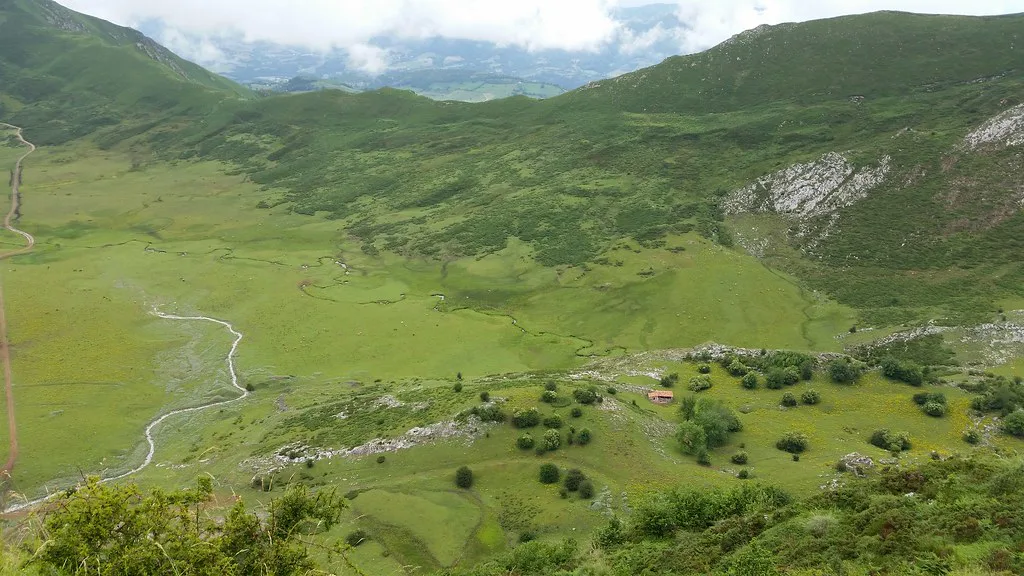
Founded in 1918, this 646 sq km (249 sq mile) park spans Asturias, Cantabria and Castilla y León in three massifs. The Cares River separates the Western and Central massifs, and the Ruta del Cares traces its gorge from Poncebos. Bulnes village, above Poncebos, starts a 2-day hut circuit, and 2,519 m (8,264 ft) Picu Urriellu draws climbers.
Late May to September is the usual window, with Potes, Camaleño Valley and Cangas de Onís as other bases. Skip it if you want one compact base, since you will cover winding roads between valleys.
12. Durmitor National Park, Montenegro
Durmitor is a UNESCO World Heritage Site with 48 peaks above 2,000 m (6,562 ft) and 18 glacial lakes called mountain eyes. Bobotov Kuk, at 2,523 m (8,278 ft), is the highest peak, and Mount Prutaš is an easier trail. The Tara Canyon reaches up to 1,300 m (4,265 ft) deep and is the park's rafting base.
Žabljak is the gateway town for several days of hiking between June and September, and wild camping is reported as allowed. Skip Bobotov Kuk if you want an easy day, because Prutaš is the gentler choice.
Pick National Parks in Europe by Trip Type
Start with four criteria: time, fitness, season, and transport. A weekend favors parks with a clear base town, while two weeks suits a hut route. For photography-led trips, our scenic park roundup adds viewpoints. Match your answer to the trip type below.
- Alpine hut-to-hut
- Triglav, Écrins, the Dolomiti Bellunesi Alta Via 1, and Hohe Tauern's 6-day Venediger High Trail all link overnight huts.
- Easy scenic days
- Try Teide's walks off the TF-21 road, the 5 km (3-mile) Briksdalsbreen hike in Jostedalsbreen, or Mount Prutaš in Durmitor.
- Wildlife
- Hohe Tauern offers marmots, chamois and ibex, and Oulanka has brown bears, moose and lynx.
- Glaciers and volcanoes
- Vatnajökull, Écrins' Glacier Blanc, and Teide give ice and lava in very different settings.
- Coastal and marine
- Calanques, La Maddalena and Alonnisos Marine Park are the water-led options.
- Car-free
- Calanques works from Marseille with trails to Cassis and boat options, so no car is needed.
- Remote wilderness
- Sarek, the Icelandic highlands, and the northern side of Peneda-Gerês reward preparation.
Season Calendar for European National Parks
Timing changes everything. Calanques is the sharpest example: access is highly regulated from June 1 to September 30 because of fire risk, so spring and autumn are the better windows. High Alpine parks open to hikers in summer, while Teide runs against that pattern and peaks from November to April.
| Window | Parks |
|---|---|
| Late May to September | Picos de Europa |
| Mid-June to mid-September | Écrins |
| June to September | Triglav, Durmitor, Berchtesgaden |
| July to September | Hohe Tauern |
| Spring or autumn | Calanques |
| November to April | Teide |
More National Parks in Europe Worth Adding to a Route
These parks fit a longer route or a gap in the main list. Each pairs well with a neighbor on the shortlist.
- Calanques National Park, France
- Calanques follows the Mediterranean coast between Marseille and La Ciotat, with 26 inlets and white limestone cliffs. Trails link the coves with Marseille, Luminy Campus and Cassis.
- Berchtesgaden National Park, Germany
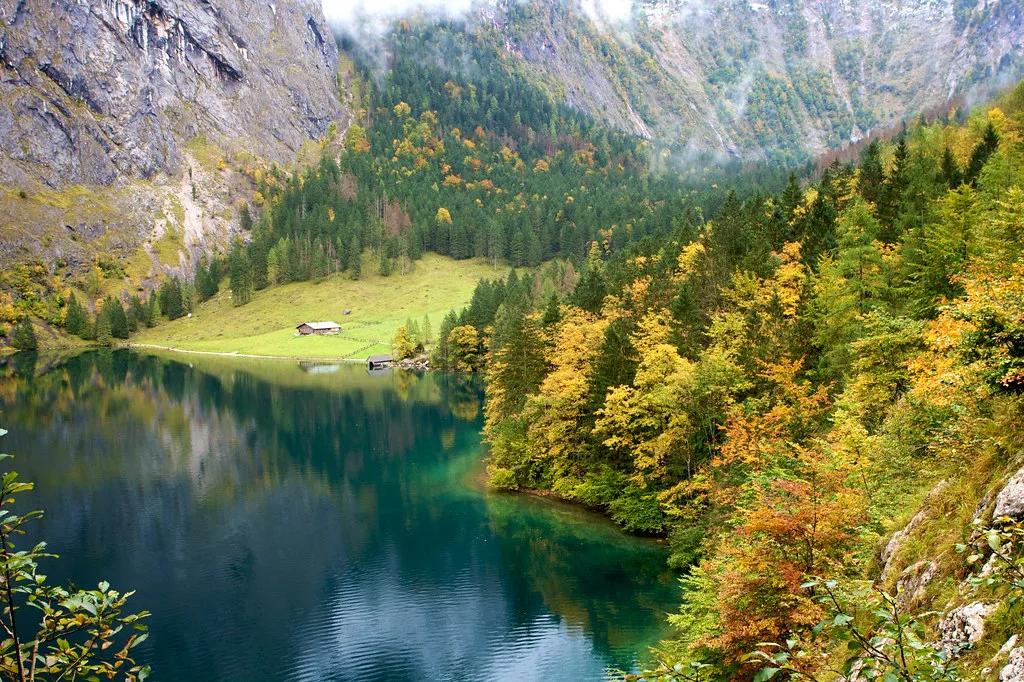
- Founded in 1978, it is Germany's only alpine national park, and Königssee is its centerpiece. Schönau am Königssee is the base, and June to September is the main window.
- Plitvice Lakes National Park, Croatia
- Waterfalls drop over tufa barriers between 16 lakes of differing hues. Route K is a 22 km (14-mile) full-day hike.
- Cairngorms National Park, Scotland
- Cairngorms is home to the only reindeer population in the United Kingdom. It pairs well with a north-country road trip.
- Alonnisos Marine Park and La Maddalena, Greece and Italy
- Alonnisos covers about 873 sq miles (2,260 sq km) of sea. La Maddalena has seven main islands and more than 50 islets, though Spiaggia Rosa on Budelli is closed to visitors.
- Peneda-Gerês National Park, Portugal
- Peneda-Gerês covers 703 sq km (271 sq miles) of granite mountains in Portugal's far north. Lamas de Mouro is the gateway to the quieter northern side.
Sample Trip Pairings and Time Trade-Offs
A weekend suits one base and short trails. A week allows a road loop or a hut route. Two weeks lets you combine parks with a city or coast stop.
Calanques weekends in summer run into a rule. Access is regulated from June 1 to September 30, so spring or autumn suits a Marseille weekend better.
| Time | Region | Pairing | Transport |
|---|---|---|---|
| Weekend | Provence | Calanques with Marseille and Cassis | Car-free, using trails and boats |
| Weekend | Bavaria | Berchtesgaden from Schönau am Königssee | Local transport or car |
| One week | Austria | Hohe Tauern road trip, Salzburg to Carinthia | Car |
| One week | Slovenia | Triglav via Kranjska Gora and Bohinj | Car or bus |
| Two weeks | Montenegro | Durmitor, Kotor and Sveti Stefan | Car |
| Two weeks | Northern Spain | Picos de Europa across Poncebos, Potes and Cangas de Onís | Car |
Costs, Tickets, and Permits
Park entry is free in most places, so costs come from add-ons. Ticketed gorges and waterfalls, boat rides, mountain huts, and toll roads are the usual extras. The 48 km (30 miles) Grossglockner High Alpine Road charges a toll, and Teide's summit needs a permit. Pull current rates from each operator's own site before booking.
| Cost item | Typical level | Where to check |
|---|---|---|
| Park entry | Usually free | Park authority site |
| Gorges, waterfalls, boats | Ticketed | Local operator |
| Toll roads | Paid | Road operator |
| Mountain huts | Paid, book ahead | Hut operator or park site |
| Teide summit | Permit required | Spanish park authority |
Where to Stay and How to Get Around
Gateway towns do most of the work. Zernez serves the Swiss National Park, Žabljak serves Durmitor, and Heiligenblut serves the Grossglockner road. Kranjska Gora and Bohinj serve Triglav, Schönau am Königssee serves Berchtesgaden, and Poncebos serves Picos de Europa. Bohinj is a 20-minute drive or bus ride from Lake Bled.
- Huts and refuges
- Huts matter where wild camping is banned, including Triglav, Écrins, and the Alta Via 1.
- Car
- A car suits Hohe Tauern, Picos de Europa, and Durmitor, where bases sit far apart.
- Car-free
- Calanques from Marseille is the clearest car-free option. Check Swiss and Austrian public transport timetables before relying on them.
Common Mistakes to Avoid
Most problems come from timing and preparation, not from the parks themselves.
- Visiting Calanques in summer
- Access is highly regulated from June 1 to September 30 because of fire risk.
- Underestimating the highlands
- Icelandic highland weather and river flow can change suddenly.
- Assuming marked trails exist
- Sarek has few marked trails, and navigation is your responsibility.
- Flying a drone
- Drones are barred in most parks, so ask before you pack one.
- Skipping the Teide permit
- The summit needs one, so arrange it before you travel.
Frequently Asked Questions
What are the most beautiful national parks in Europe?
Beauty is subjective, but Alpine scenery peaks at Triglav, Hohe Tauern, and Écrins. Teide and Vatnajökull deliver volcanic and glacial drama. Durmitor adds glacial lakes and a deep canyon.
How many national parks are there in Europe?
No single count exists, because each country defines a national park in its own way. Treat any round total with caution. For trip planning, count parks by each country's official authority.
Explore More Guides
Keep planning your trip with these guides.
Guides
Notes for your next park visit
Optional updates to our national park guides.
Read next

Keep planning
Picked from the same area