
Largest National Park in Europe: Vatnajökull and the Runners-Up
Vatnajökull is the largest national park in Europe. See how "largest" is measured, how it compares with other big parks, and how to plan a visit.
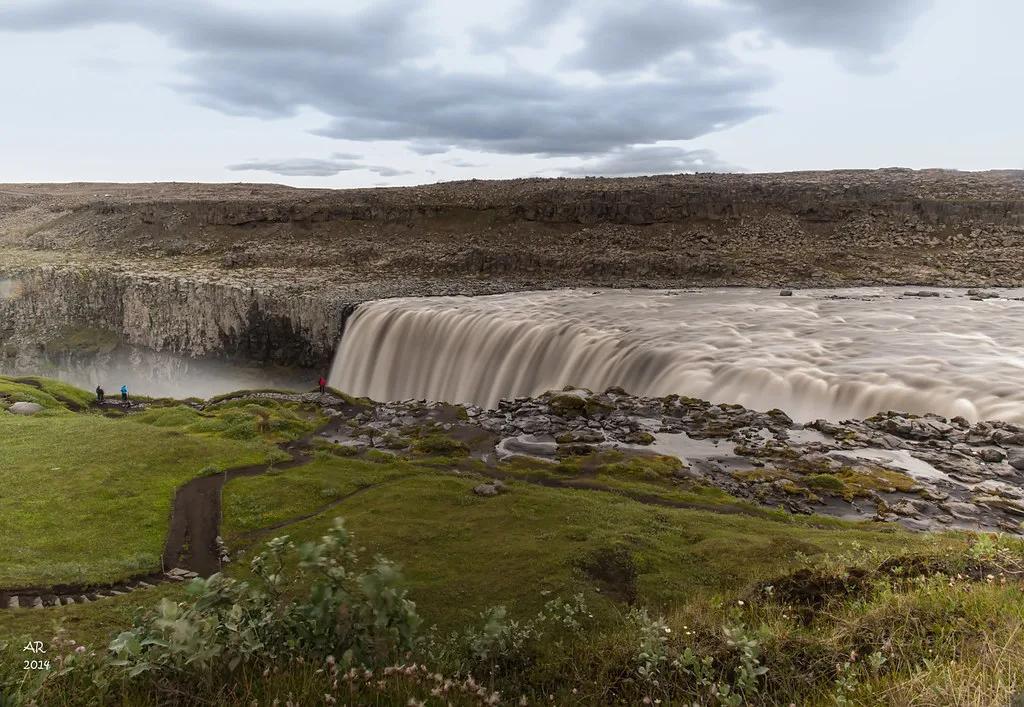
Last updated November 2026: Vatnajökull National Park in Iceland is the largest national park in Europe. We measure by total protected area and count Iceland plus mainland Europe, leaving out Russia, Svalbard, Greenland and overseas territories. Below you will find how that answer holds up, how other big parks compare, and whether Vatnajökull suits your trip. For wider context, see our overview of European national parks.
Featured image: puliarf, CC BY 2.0, via Flickr.
The Answer: Europe's Largest National Park
Vatnajökull National Park in Iceland is Europe's largest national park by total area. It covers about 14% of Iceland, according to the figures in circulation for the park. It protects the Vatnajökull ice cap, along with volcanoes, geothermal areas, glacier lagoons and canyons. Iceland's park authority describes the park and its separate regions on the official Vatnajökull National Park site. Our answer uses total protected area and includes the ice, because that is how the park reports itself.
How "Largest" Is Measured
Two choices change the answer: what you measure and where Europe ends. Vatnajökull's total area includes a huge ice cap, so a land-only or ice-free ranking could reorder the list. Russia's far-north parks, Svalbard's protected areas and Greenland sit outside the boundary we use. Count Russia as Europe, and some parks in its European north may rank higher. Sources also round the numbers differently, so compare like with like.
- Check whether the figure is total area, land only or ice-free area.
- Check whether the source counts glaciers, lakes and marine zones.
- Check which countries the author counts as Europe.
- Prefer park authorities and protected-area databases such as EUROPARC over travel blogs.
Largest Parks Compared
Vatnajökull is the biggest, but big does not mean easy. This table pairs each park with the claim it holds and its main drawback. For parks ranked on scenery rather than size, see our guide to the 10 Best National Parks in Europe by Traveler Type.
| Park | Country | Claim to fame | Honest downside |
|---|---|---|---|
| Vatnajökull | Iceland | Largest national park in Europe; ice cap, Jökulsárlón, Dettifoss | Remote, weather-dependent, several separate access areas |
| Hohe Tauern | Austria | Described as the largest national park in the Alps; spans three Austrian states | Mountain weather; road and pass access varies by season |
| Lemmenjoki | Finland | Described as Finland's largest national park | Wilderness trekking; far from major hubs |
| Sarek | Sweden | UNESCO-listed wilderness with over 100 glaciers | Demanding terrain; for experienced trekkers |
| Triglav | Slovenia | Slovenia's only national park, named for a 2,864 m (about 9,400 ft) peak | Nearby Bled is crowded in summer |
| Ordesa y Monte Perdido | Spain | Pyrenean canyons; Monte Perdido above 3,300 m (about 10,800 ft) | Paid shuttle in peak season; frequent cloud |
What Makes Vatnajökull Worth the Trip
Vatnajökull is a collection of landscapes more than a single sight. Pick by what you want to do, then plan around that area. Glacier hiking and ice-cave visits are guided activities, so tours are part of the trip.
- Photographers: Jökulsárlón, the glacier lagoon fed by the ice cap.
- Waterfall chasers: Dettifoss, one of the park's best-known falls.
- Active travelers: guided glacier hiking on the outlet glaciers.
- Winter visitors: guided ice-cave tours, which run only in the cold season.
How Much Time to Allow and How to Get There
No single visit covers Vatnajökull, because the park spreads across several regions with separate access roads. Use a decision rule instead of trying to see everything. A rental car is the usual way to link the areas, and our map of national parks in Europe helps you place the park against other destinations.
Spanning about 14% of Iceland, the park is too big for one visit, so pick a single region and book its glacier tour in advance.
- One day: choose a single area, such as the Jökulsárlón lagoon, and do it well.
- Two to three days: combine one glacier tour with one waterfall or canyon area.
- Longer stays: base yourself in two regions rather than driving across the whole park.
- Drive times: take them from the park's official regional pages, since road conditions change.
Costs, Seasons and Access Constraints
Prices and hours checked November 2026 against the park's published information, which is the source to use for fees. Glacier and ice-cave activity runs through guided tours, so budget for tour fees rather than park entry. Parking or site charges may apply at popular stops. Ice caves are a winter activity, and many highland roads are open only in summer. Read the road and safety notices on the park's visitor pages before you set out.
Is It the Right Park for You?
Vatnajökull rewards travelers with time, a car and flexible plans. If you have a short trip and want an easier day, pick a smaller park near a city. Triglav is compact, so one day can cover several landscapes. Ordesa has a mandatory paid shuttle in peak season, as the Spanish national parks authority covers. For mountain scenery on a short itinerary, see the Most Beautiful National Parks in Europe: How to Choose.
Common Mistakes to Avoid
Most problems come from treating a huge protected area like a single attraction. Plan around these four points.
- Treating Vatnajökull as one destination instead of several regions.
- Leaving glacier and ice-cave tours unbooked until arrival.
- Underestimating distances and changeable weather.
- Packing for summer only, even outside winter.
Frequently Asked Questions
What is the biggest national park in the world by area?
Europe's largest is Vatnajökull, but the world's largest national park by area is in Greenland. Greenland sits outside the Europe definition we use here.
How many national parks are there in Europe?
The count depends on which countries you include and how each country defines a national park. Protected-area bodies such as EUROPARC publish current figures.
Which national park in Europe is considered the most beautiful?
Opinions differ, and size does not decide it. Our guide to the most beautiful national parks in Europe compares scenery-led options.
Notes for your next park visit
Optional updates to our national park guides.
Read next
Keep planning
Picked from the same area