
Jotunheimen Weather by Season: Temps, Wind & When to Go
What Jotunheimen weather is really like by season, how elevation changes conditions, and how to plan hikes, huts, and access around it.
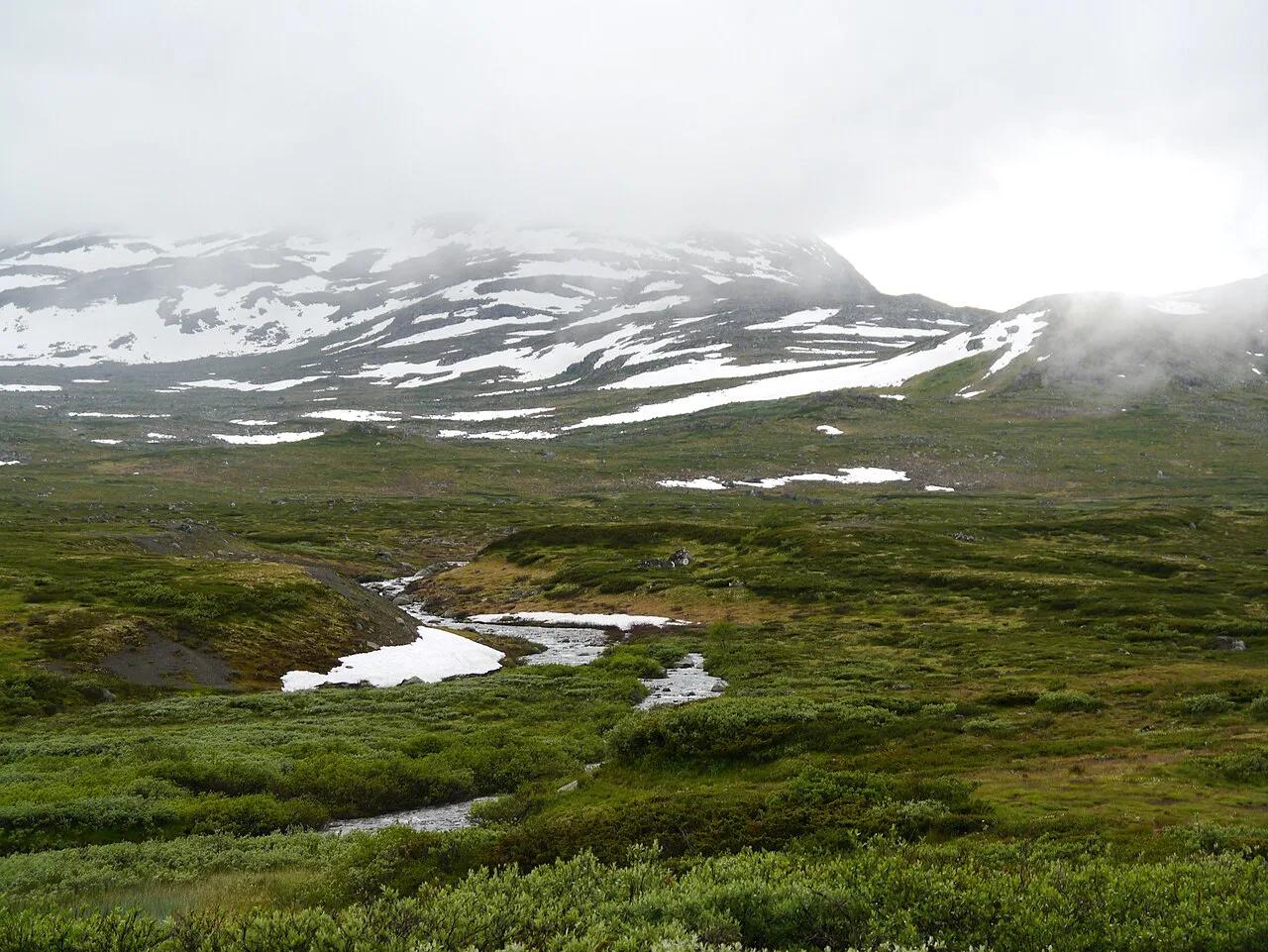
Last updated November 2026. Jotunheimen weather swings fast and hard, because this is high-alpine terrain where conditions depend on your elevation. Summer is the realistic hiking window, while winter brings deep cold and strong wind. Use this guide with our Jotunheimen National Park guide to choose your month and build in slack.
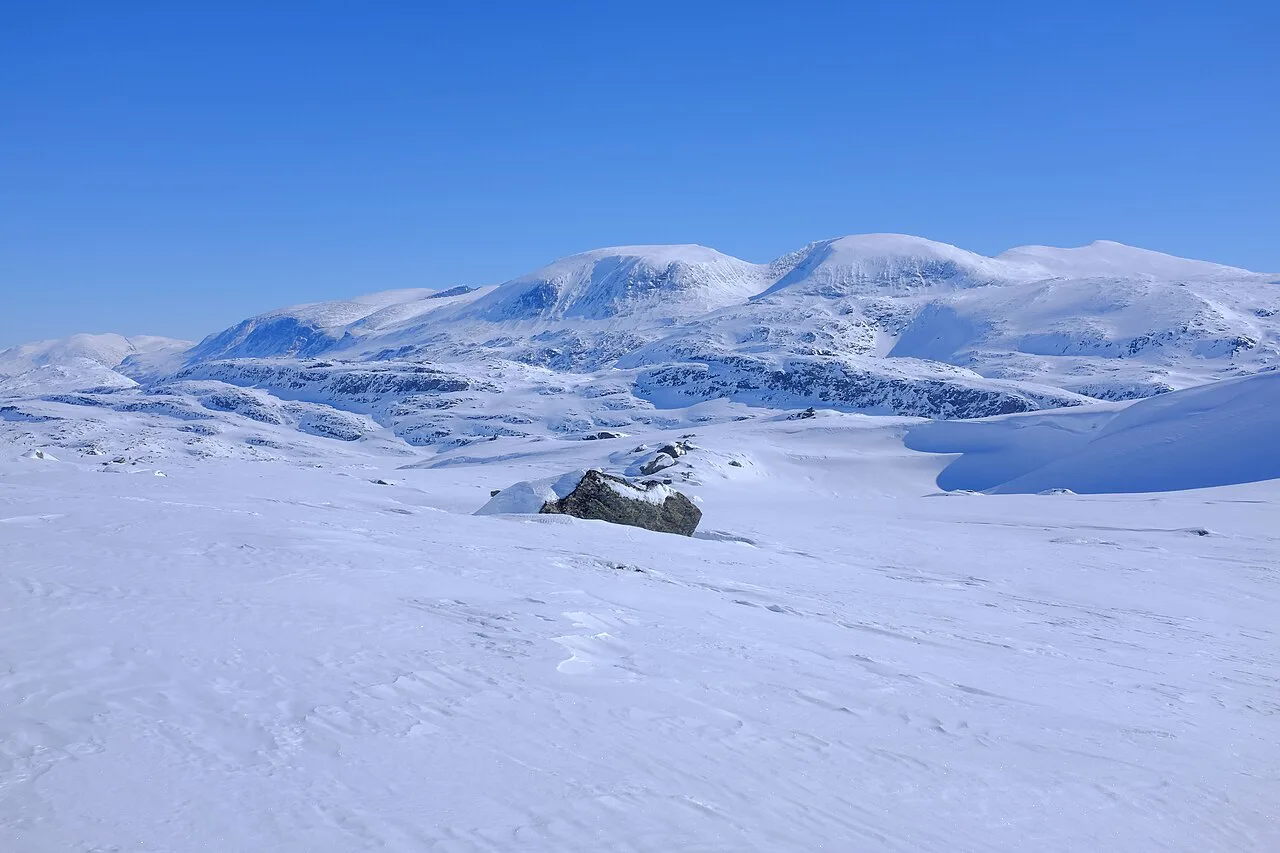
Featured image: Zairon, CC BY-SA 3.0, via Wikimedia Commons.
Jotunheimen weather in brief
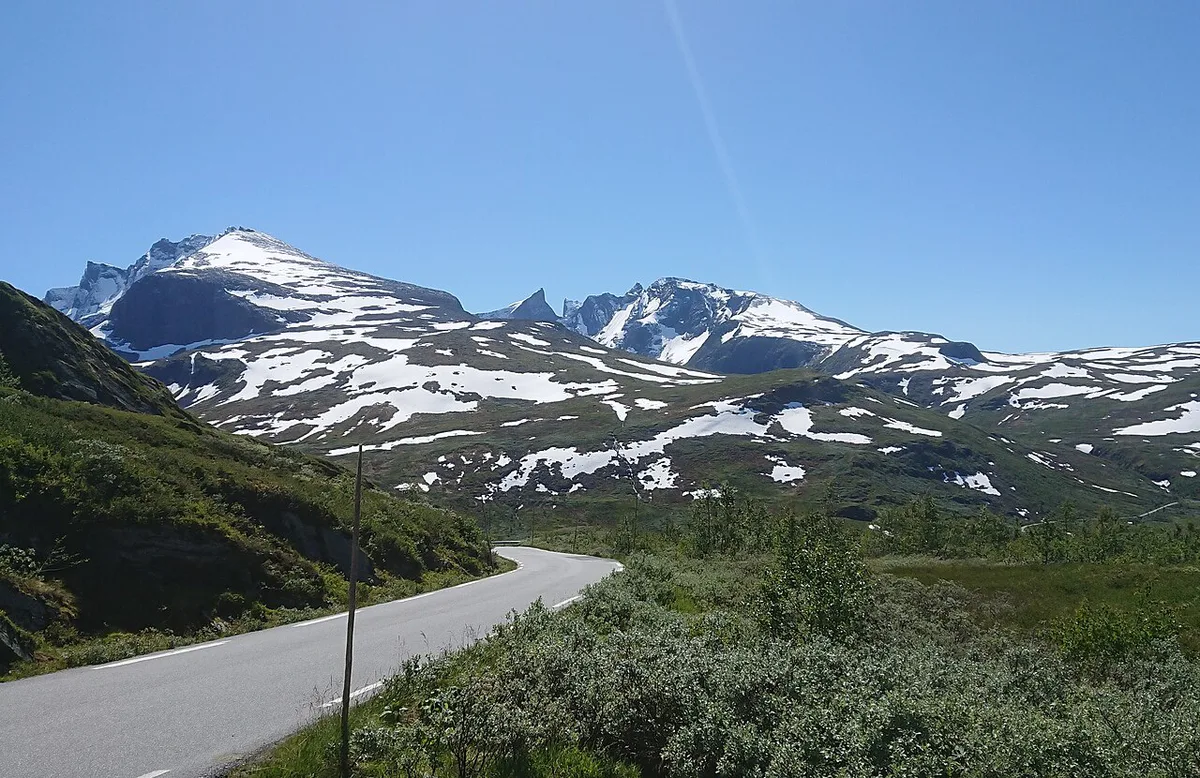
Jotunheimen is a mountain area in Luster, Vestland. Yr lists its forecast point at 1,658 m. Summer offers the longest stretch of workable hiking conditions, and snow can linger on high routes well into that season. Winter is cold, windy and best left to experienced, well-equipped travelers. Spring and autumn are shoulder seasons where huts, boats and roads may be closed or running reduced schedules.
Why the weather changes so fast
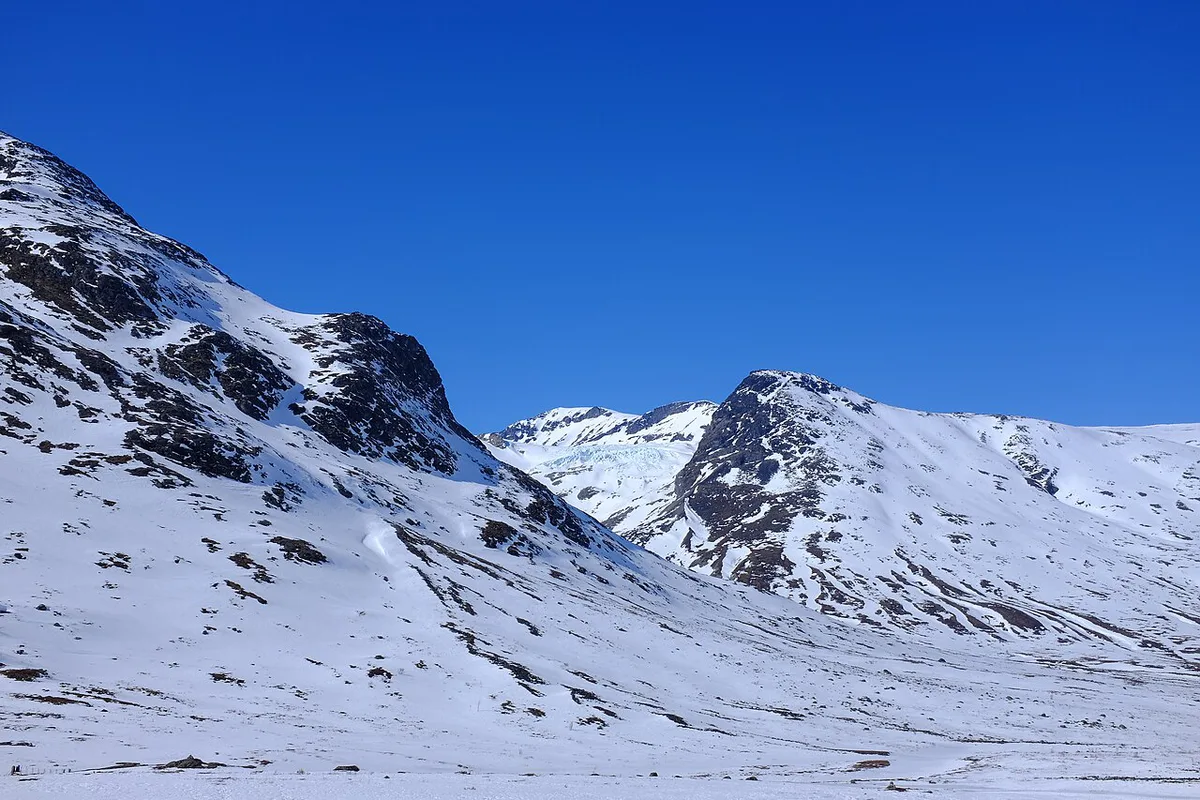
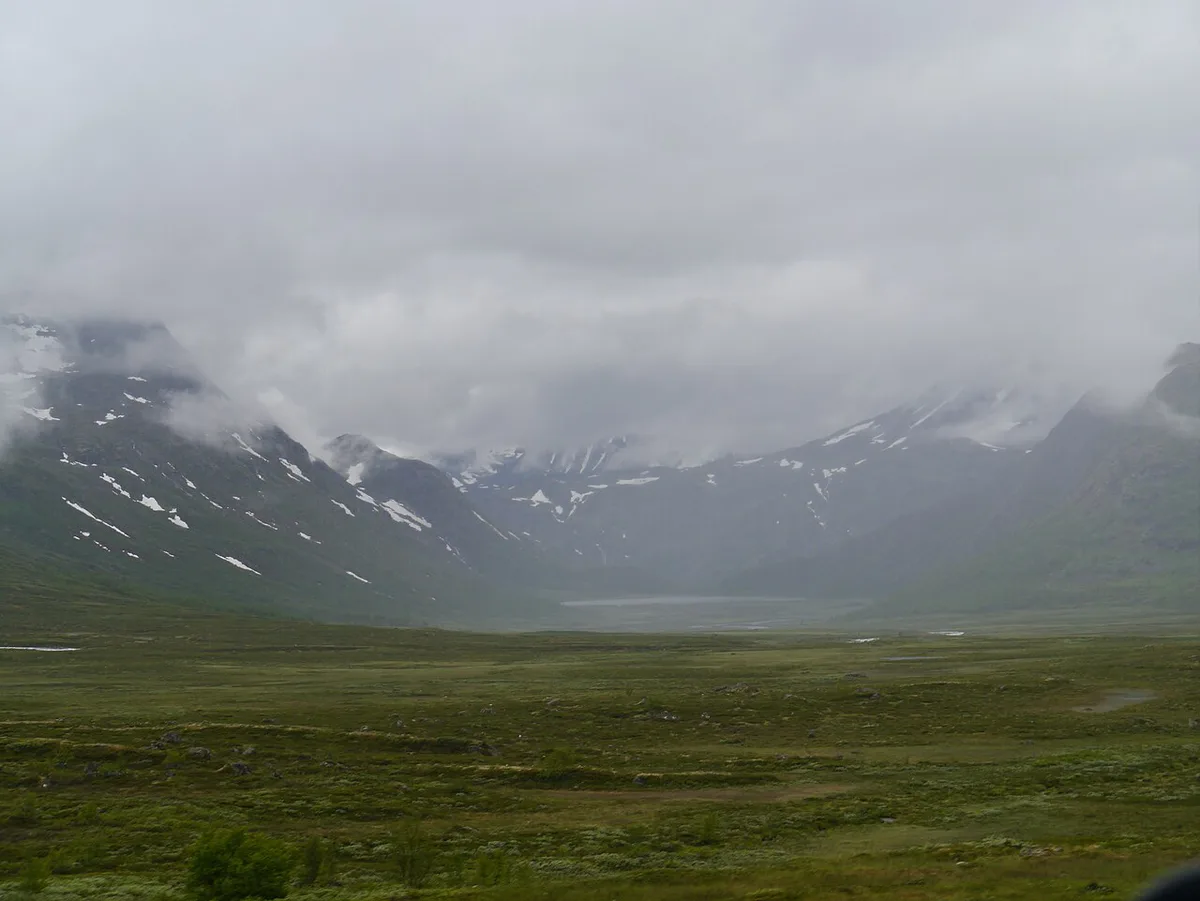
Altitude and exposure drive everything here. A sheltered valley can feel mild while a ridge a few hundred meters higher is in cloud and wind. On 21 November 2026, Yr showed -9°C (16°F) at the 1,658 m point. Feels-like was -19°C (-2°F), with an 11 m/s north wind gusting to 17 m/s. Treat that as a dated snapshot, not a norm. It does show how much wind adds to cold at altitude.
- Valleys and lake shores: calmer and warmer, but cold air can pool overnight.
- Huts and passes: more wind, faster cloud build-up, earlier snow.
- Ridges and summits: the harshest wind chill and the poorest visibility.
Weather by season
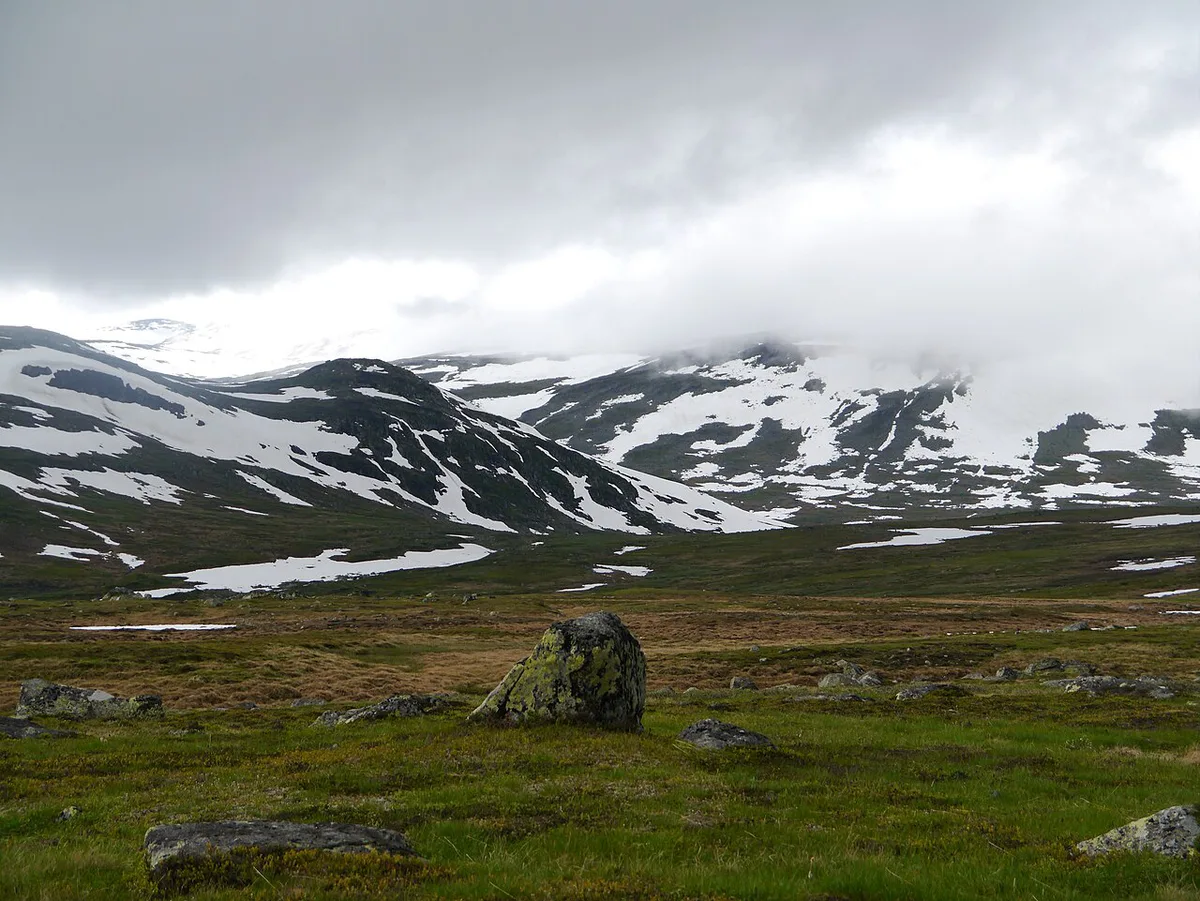
Use this table to match your travel style to the season. It is qualitative on purpose, because exact temperatures vary by elevation and year. Check Yr's climate and forecast pages for the specific point you plan to visit.
| Season | Typical conditions | What is doable | Key risk | Best fit |
|---|---|---|---|---|
| Winter | Deep cold, strong wind, short daylight | Ski touring and winter mountaineering | Wind chill, whiteouts, avalanches | Experienced, equipped winter travelers |
| Spring / snowmelt | Thaw at low levels, snow on high routes | Valley walks, ski tours at height | Unstable snow, swollen streams | Flexible, experienced hikers |
| Summer | Mildest of the year, still changeable | Ridge hikes, hut-to-hut routes, Gjende boat | Cold rain, wind, snow patches | First-time hikers and families on easier routes |
| Autumn | Cooling fast, early snow possible | Lower valley walks, colour on the slopes | Closing huts, short days | Prepared hikers who accept fewer services |
Summer hiking weather and the realistic window
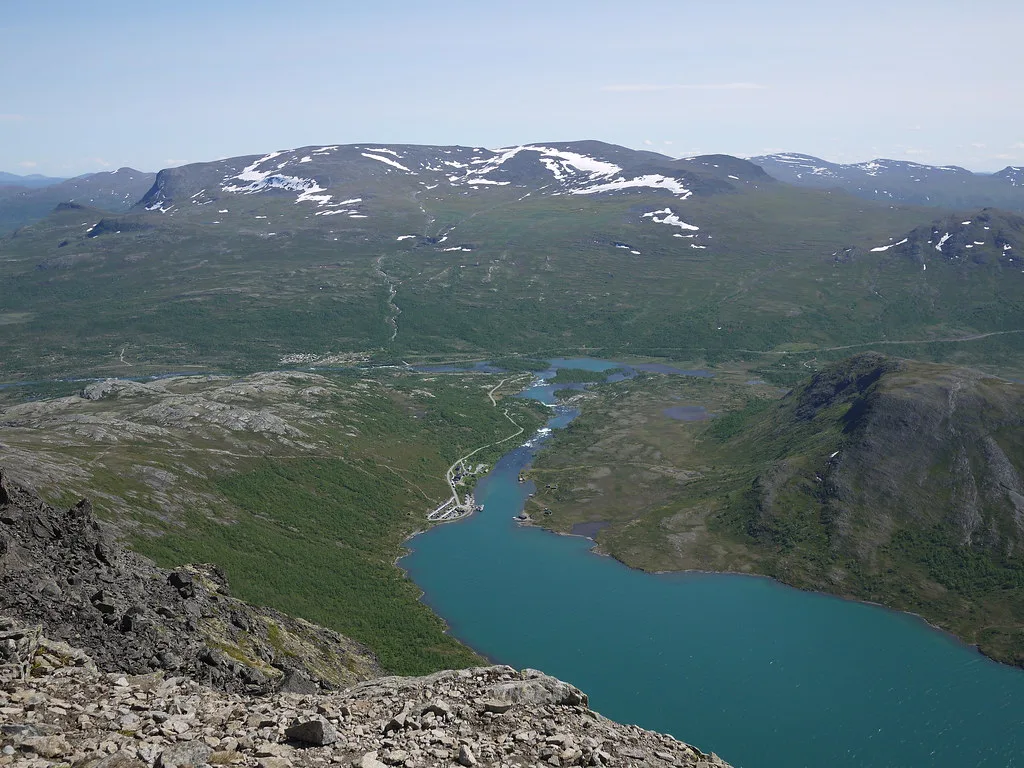
Summer is when huts, trails and transport are most likely to be running. Snow patches on high routes can last into the season, so late-melt years need extra time and care. The route from Gjendesheim along the Gjende lake is the classic example. The boat is a seasonal service, and a one-way fare is typically in the region of 300 kr, so confirm the current fare with the operator. Winter has no crossing at all. Our Jotunheimen Map: Best Hiking and Topographic Maps (Guide) helps you judge how high each route climbs.
Winter, spring and shoulder season
From late autumn the high country turns severe. Yr's 10-day outlook for late November showed nightly lows between -9°C (16°F) and -20°C (-4°F). Wind on those days ranged from 2 to 12 m/s. Staffed huts and mountain roads often close or change schedule outside summer. Check current road status with the Norwegian Public Roads Administration. Check avalanche and snow warnings on Varsom's warning service before any winter or spring tour.
How to read the forecast
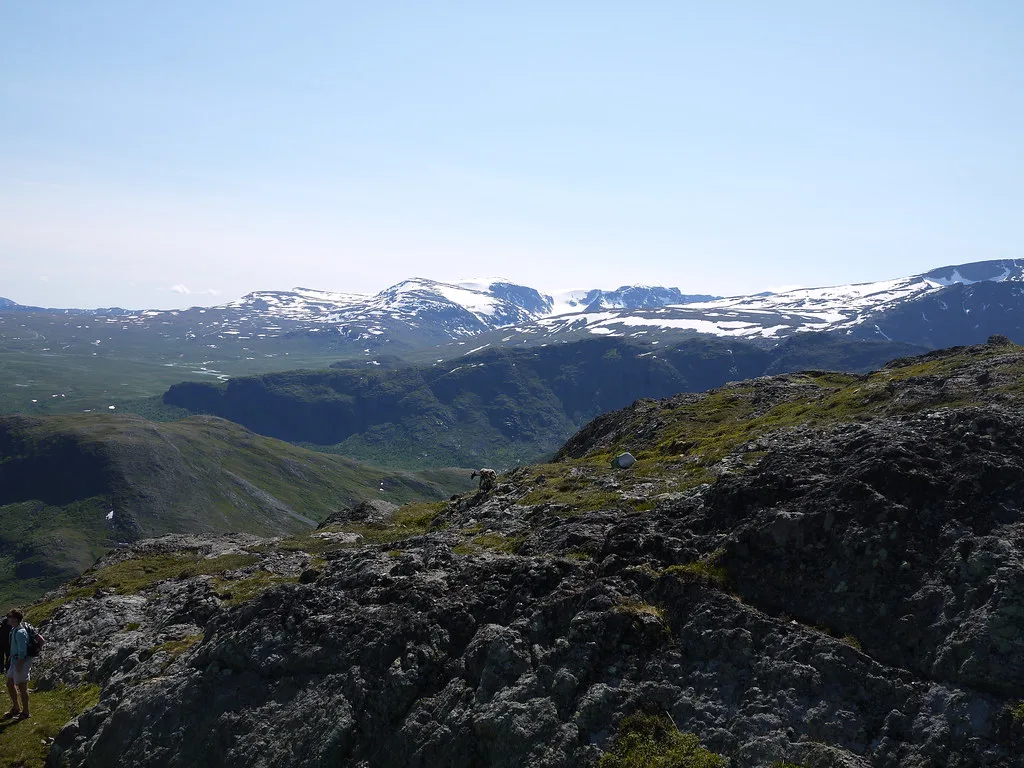
Pick the forecast point that matches your elevation. Yr, from NRK and the Norwegian Meteorological Institute, lists Jotunheimen as a mountain area at 1,658 m. A valley location such as a lower resort will read much warmer. Units also differ between services. Yr reports wind in m/s, and some other sites use km/h. Always compare the feels-like figure with the air temperature, because wind chill is the real hazard. A gap of 10°C (18°F) is a signal to dress for much colder conditions.
What to pack and when to turn back
Pack by condition, not by month. If wind is forecast above about 10 m/s, bring a windproof shell and a warm hat. If snow patches are likely, carry traction and gloves. If visibility drops and you cannot see the next trail marker, turn back or stop at the nearest hut. Do not push on toward a ridge in worsening cloud.
Wind on those days ranged from 2 to 12 m/s. A winter day can therefore pass the 10 m/s mark where you should bring a windproof shell.
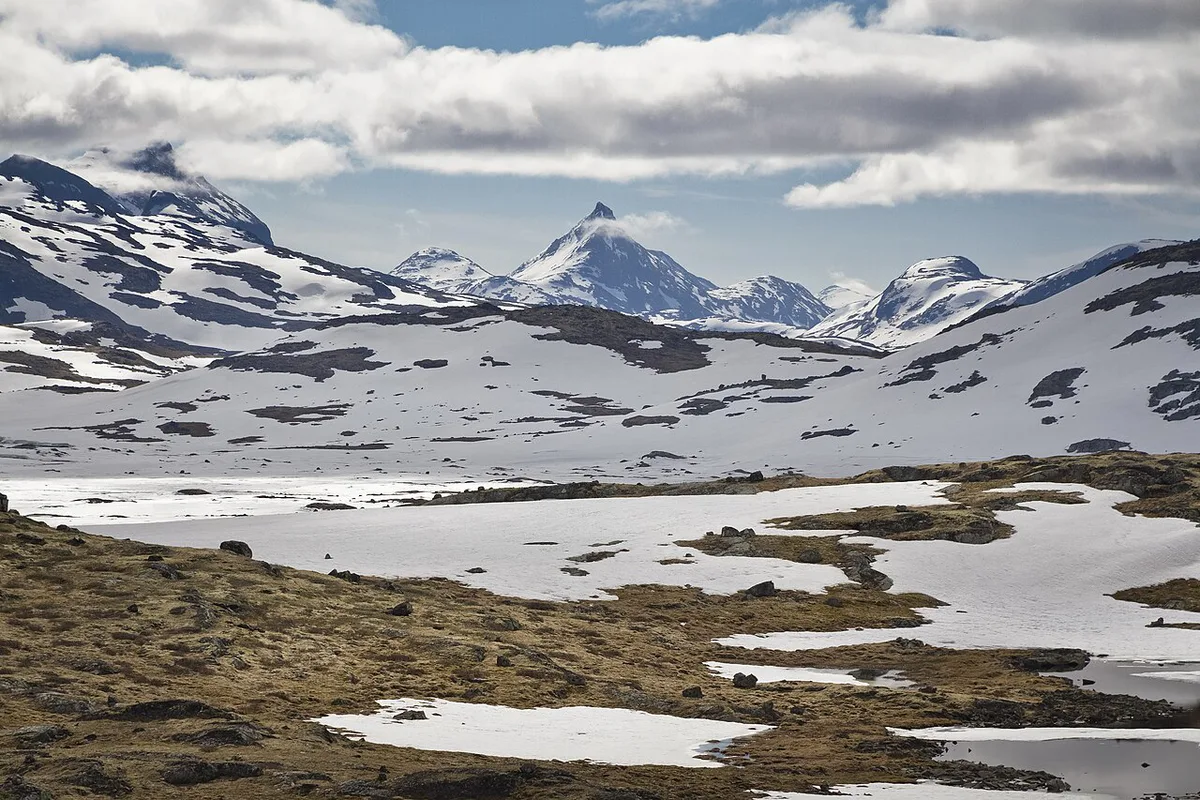
- Wind rising and rain starting: shell on, check your map, shorten the day.
- Fresh snow on the route: slow down, consider traction, plan a lower alternative.
- Daylight running short: turn back early, since mountain days end sooner than they feel.
Planning around the weather
Build at least one spare day into any multi-day hike. Choose flexible bookings where you can, since huts and boats follow the season. If conditions are poor, Rondane National Park: Hiking, Access Points and Planning Guide and Reinheimen National Park: Access, Hikes and Planning Guide are alternatives. Hardangervidda is another option, but check its forecast separately. Glacier visits such as Nigardsbreen and Briksdal Glacier (Briksdalsbreen): Getting There, Walk Time & Tips have their own weather and access limits. To compare more parks, see our 8 Best National Parks in Norway: How to Choose guide.
See our tourism attractions guide for the broader city overview.
Frequently Asked Questions
How cold is Jotunheimen right now?
Check Yr for the point that matches your elevation. On 21 November 2026 it showed -9°C (16°F) at 1,658 m, with a feels-like of -19°C (-2°F). Conditions change daily, so use the live forecast.
Where is Jotunheim in real life?
Jotunheimen is a mountain area in Luster, Vestland, Norway. Yr lists its forecast point at 1,658 m. Our Jotunheimen National Park guide covers the wider park.
Notes for your next park visit
Optional updates to our national park guides.
Read next

Keep planning
Picked from the same area