
Słowiński National Park Guide: Dunes, Łeba & Plan
Plan Słowiński National Park: moving dunes, Łeba vs. west-side entry points, tickets, seasons and how to get there without a car.
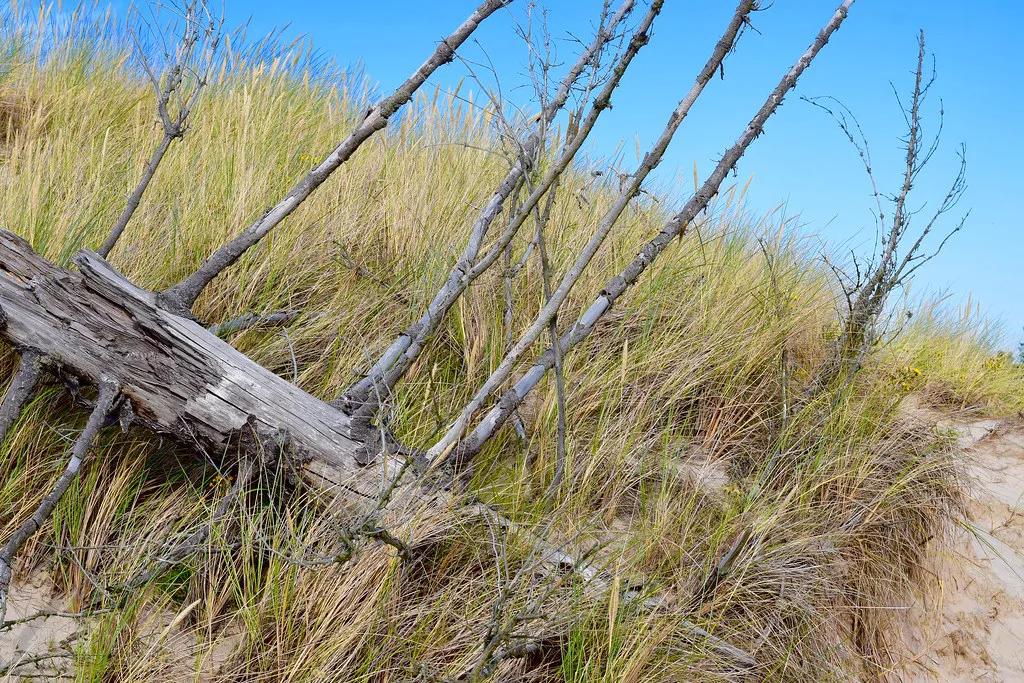
Last updated November 2026: Słowiński National Park is a Baltic-coast reserve between Łeba and Rowy, known for moving sand dunes, lakes and peat bogs. It is a UNESCO Biosphere Reserve and suits dune walkers, birdwatchers and families on a coastal trip. Łeba is the easiest base, and our guide to Poland's national parks shows where this one fits in a wider route.
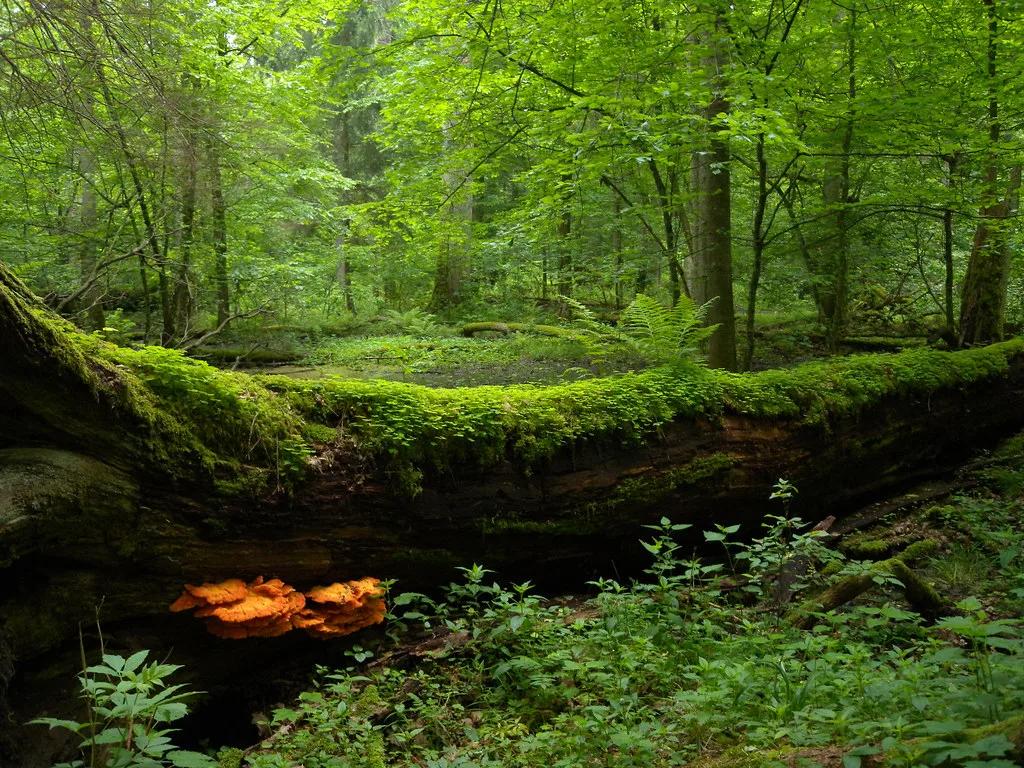
Featured image: Weekend Wayfarers, CC BY 2.0, via Flickr.
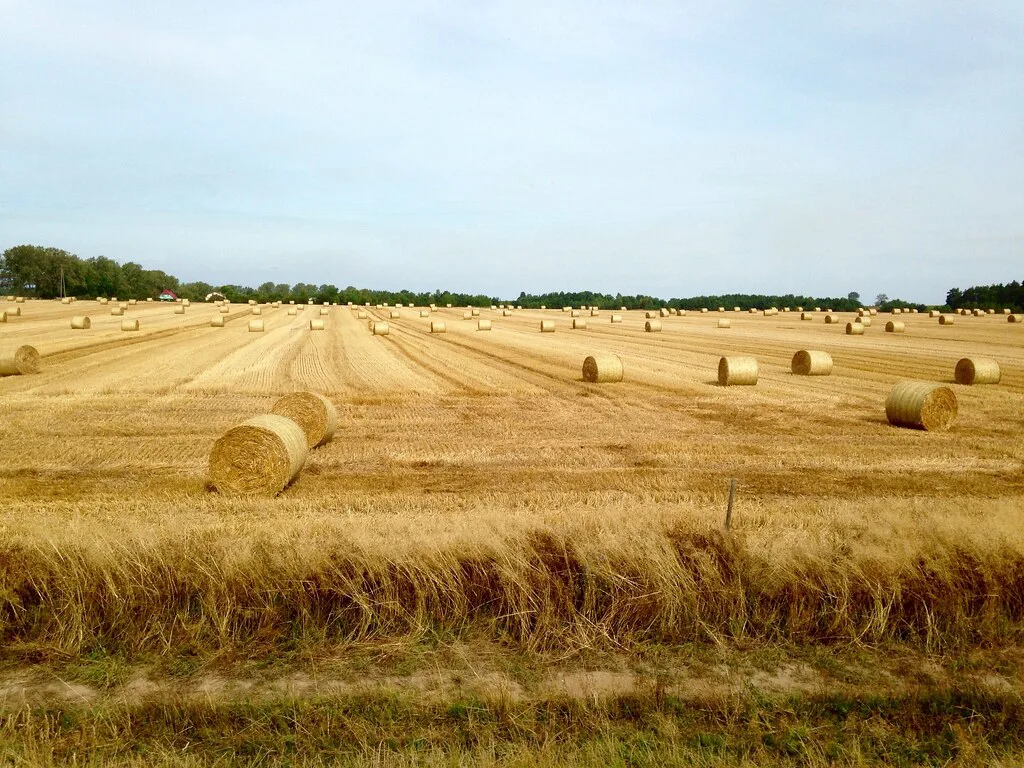
Słowiński National Park at a glance
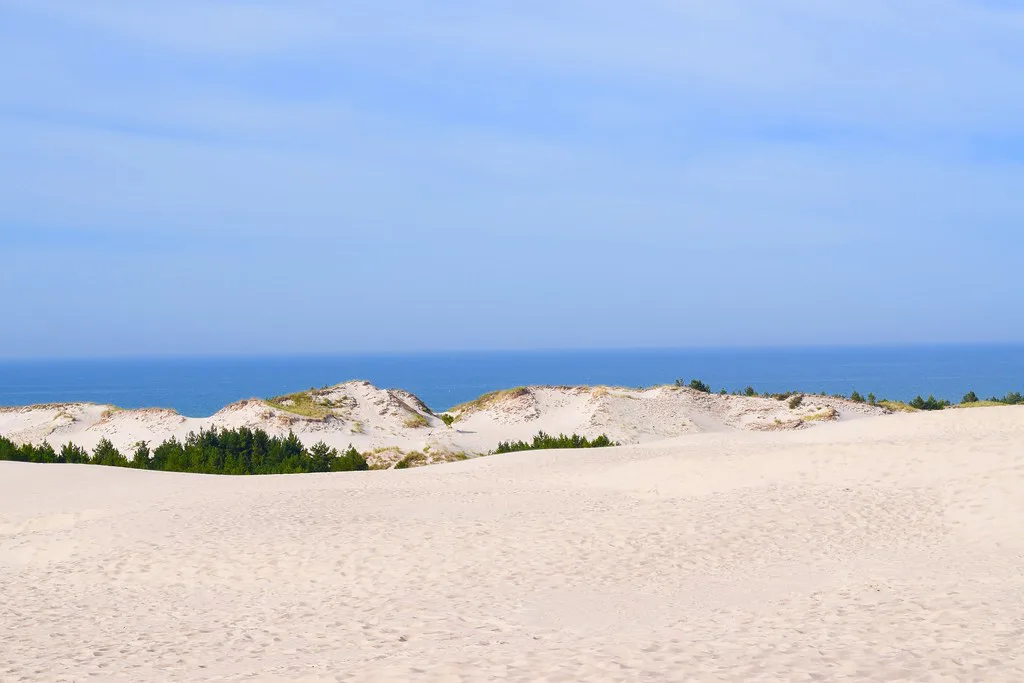
The park sits between Łeba and Rowy, about 115 km (roughly 71 miles) northwest of Gdańsk. It covers 186.18 km² (71.88 sq mi). About half of that area is water, mainly lakes Łebsko and Gardno, which are former sea bays. Moving dunes are the headline draw. They advance inland by roughly 3 to 10 m a year, and the highest exceed 30 m. The park also holds 260 bird species and carries Ramsar protection alongside its UNESCO status.
- Best for: dune walkers, birdwatchers, families on a Baltic trip
- Best base: Łeba for the dunes, Rowy or Smołdzino for the west side
- Not for: anyone expecting mountains, big wildlife or shade on every trail
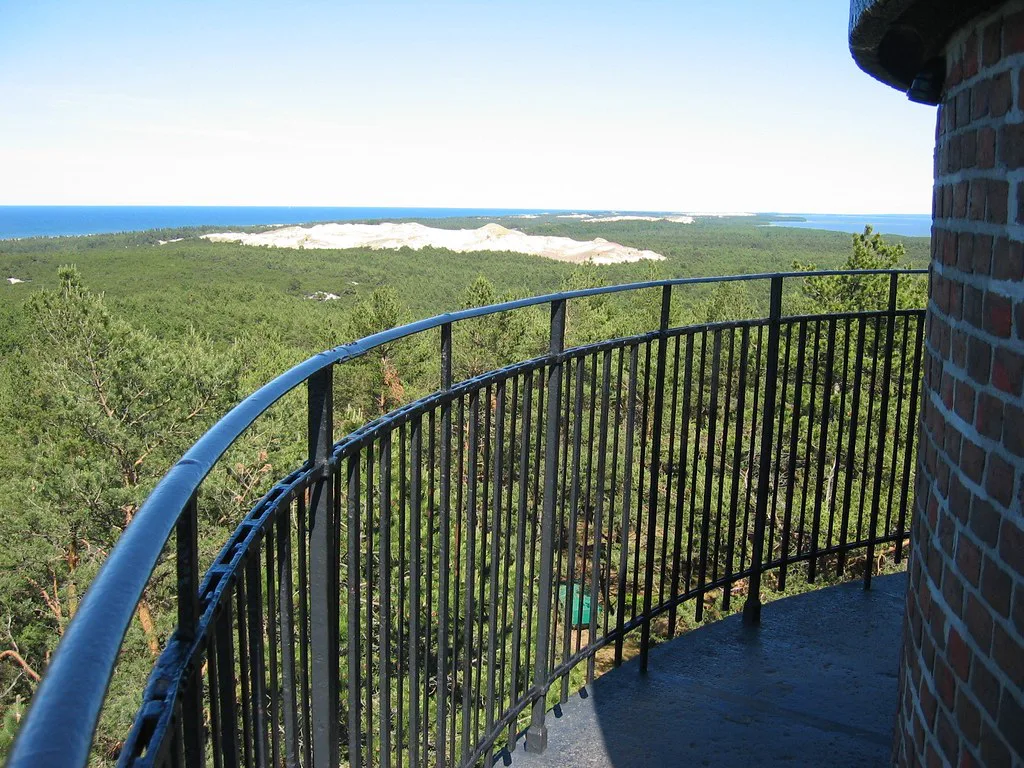
Łeba side vs. west side: which entry point to choose
Choose the Łeba side for the headline moving dunes and the beach route. Choose the west side for quieter landscapes, birds and culture. Rowy, Czołpino, Smołdzino and Kluki all sit on that western half. Official details on each entry point are on the Słowiński National Park website.
| Łeba side (east) | West side (Rowy, Czołpino, Smołdzino) | |
|---|---|---|
| Scenery | Moving dunes, beach | Czołpino dune, Rowokół, lakes, peat bog |
| Effort | Sand walking, little shade | Mixed trails, some short climbs |
| Crowds | Highest in summer | Usually quieter |
| Best for | First-time visitors, families | Birdwatchers, culture, quiet walks |
| Base town | Łeba | Rowy or Smołdzino |
Best things to do in Słowiński National Park
Everything in this list is inside the park. Łeba's theme parks and exhibitions are not, and they are covered under the rain plan below.
Rowokół, near Smołdzino, is the park's highest point at 115 m (377 ft), so plan it as a west-side outing and base yourself in Smołdzino for it.
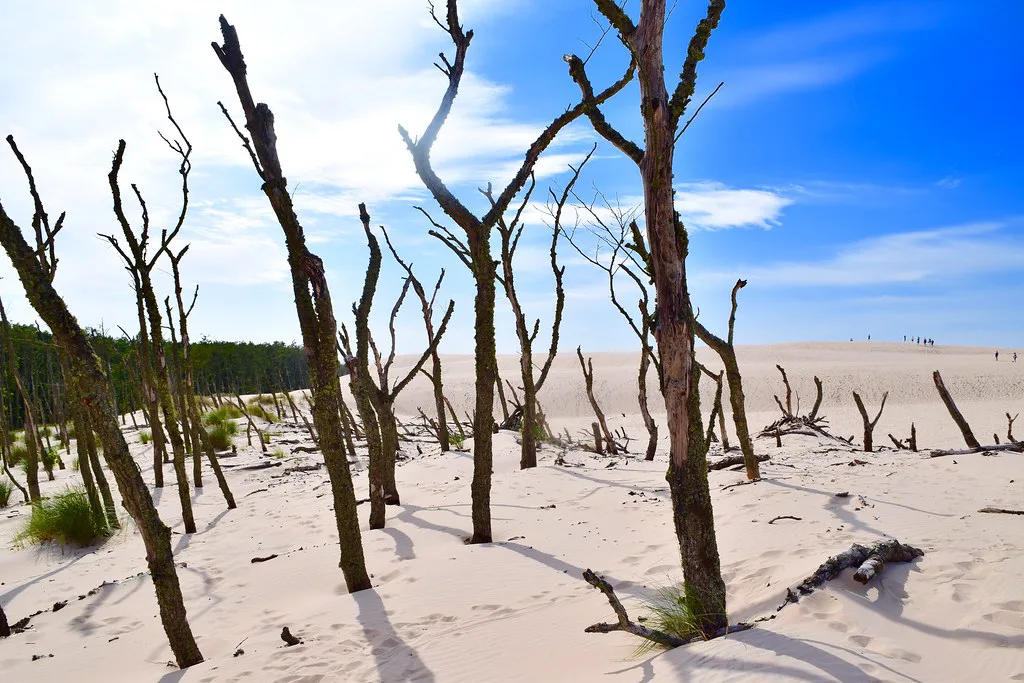
- Moving dunes (Łeba side): the park's signature landscape. Sand is tiring to walk, and wind can whip it into your face.
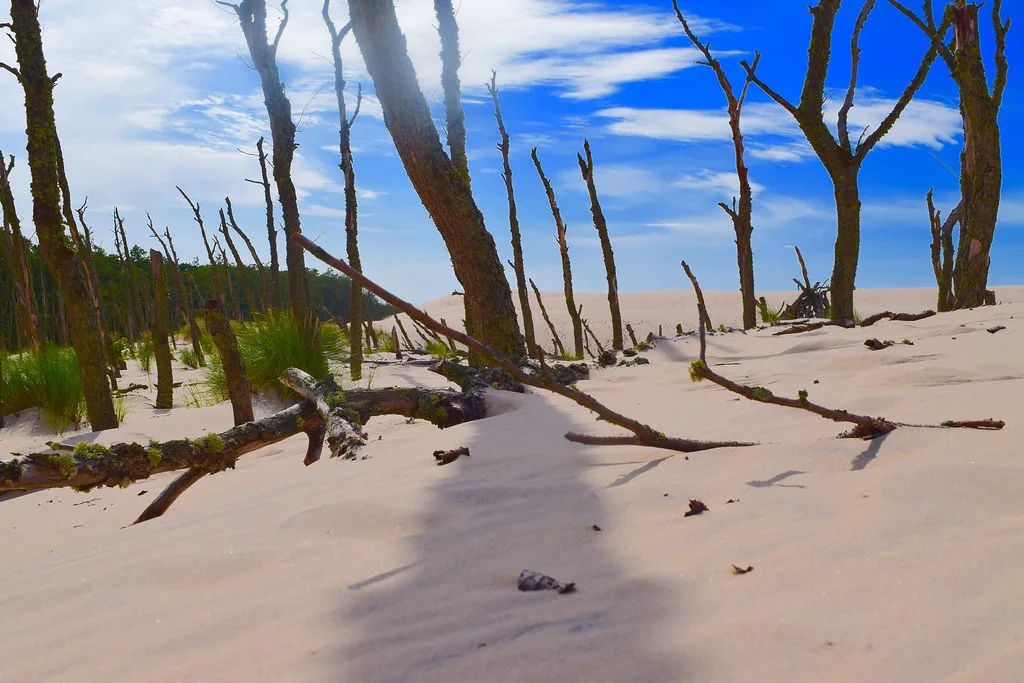
- Czołpino dune and the sunken forest: a quieter coastal stop on the west side, where wind has uncovered old buried tree stumps.
- Rowokół viewpoint near Smołdzino: at 115 m (377 ft), it is the park's highest peak and a lookout over the surrounding lakes and forest.
- Łebsko lake: observation towers on the shore suit birdwatching, especially during migration.
- Wielkie Bagno: a wetland area for slow, quiet walking.
- Natural history museum in Smołdzino: a good indoor stop explaining the park's main ecosystems.
- Kluki open-air museum: an ethnographic museum about the Slovincians, who lived in this swampy area.
How to plan your time
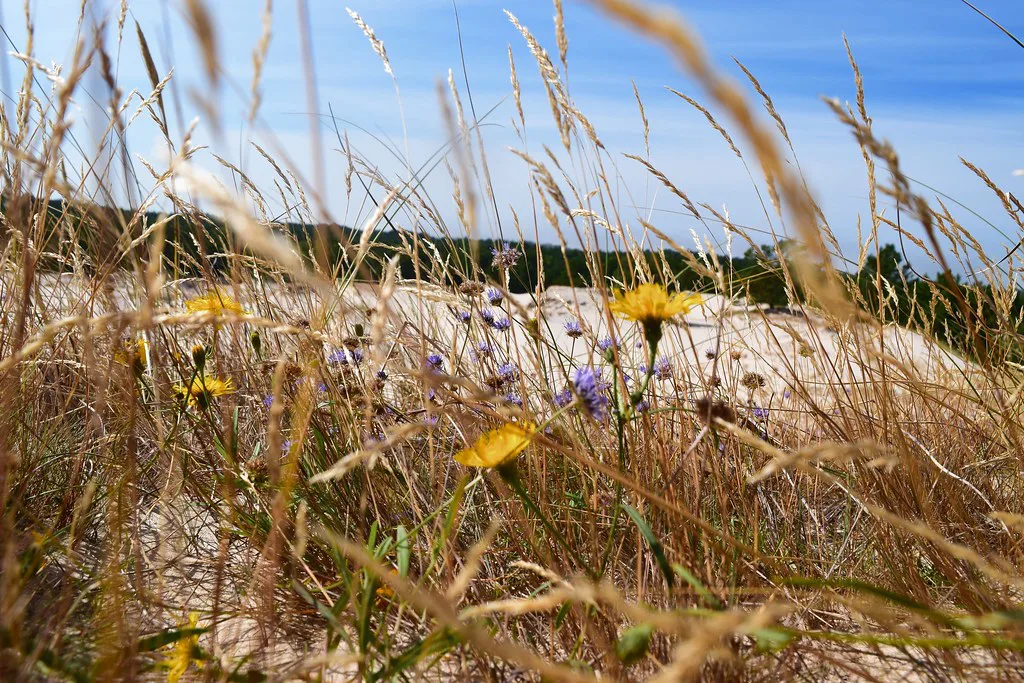
Sand slows walking, so build in generous breaks rather than racing a schedule. Hours and durations vary by season, so use the park's official pages for exact figures. If rain arrives, Łeba's attractions such as Łeba Labirynt, the butterfly museum and the upside-down house work as family add-ons. They are not part of the park.
| Time | Plan | Base |
|---|---|---|
| Half day | Moving dunes from Łeba, with water and sun cover | Łeba |
| Full day | Dunes in the morning, then Łebsko lake or a shoreline tower | Łeba |
| Two days | Day one on the Łeba side. Day two on the west: Czołpino, Rowokół, Smołdzino museum, Kluki | Łeba, then Rowy or Smołdzino |
Tickets, costs and rules
No fee figures are confirmed here, so check the official park site for current tickets, trail rules and seasonal transport to the dunes. Walk on marked trails only, and ask the park about dogs, drones and bikes before you go.
When to visit
Summer is the busiest period, with crowds concentrated around Łeba and the main dune route. Spring and autumn offer quieter trails and bird migration, since the park lies on a migratory route. Winter is calm, though some seasonal services and museum hours may be reduced. Wind matters in every season. On an exposed dune, a strong gust throws sand into your eyes, so pack sunglasses and a windproof layer.
How to get there and where to stay
By car, the park is about 115 km from Gdańsk. Without a car, use bus and rail connections from Gdańsk and Słupsk into Łeba, and check current timetables with the operators. Tourist information is listed on Poland's national tourism site. Łeba has the widest choice of rooms and is the simplest base for the dunes. Rowy and Smołdzino suit the quieter west side, but local transport there is thinner, so plan rides in advance.
Mistakes to avoid
A few predictable errors spoil the day here.
- Walking the dunes at midday in summer without water or sun protection.
- Assuming everything is walkable from Łeba town.
- Ignoring wind, which makes sand walking harder and less pleasant.
- Treating Łeba's theme parks and exhibitions as part of the park.
- Turning up in peak season with no accommodation booked.
Next trips after the Baltic coast
For another coastline, try Wolin National Park Guide: Cliffs, Bison & Routes. Birdwatchers can head inland to Biebrza's wetlands or the old woodland of Białowieża Forest. If you want sandy dunes in a forest setting near Warsaw, look at Kampinos National Park: Day Trip from Warsaw Guide. For a limestone valley instead, see Ojców National Park.
Notes for your next park visit
Optional updates to our national park guides.
Read next
Keep planning
Picked from the same area