
Biebrza National Park Guide: Season, Access & Tips
Plan a trip to Biebrza National Park in Poland: best season, how to get there from Warsaw, things to do, tickets and trade-offs.
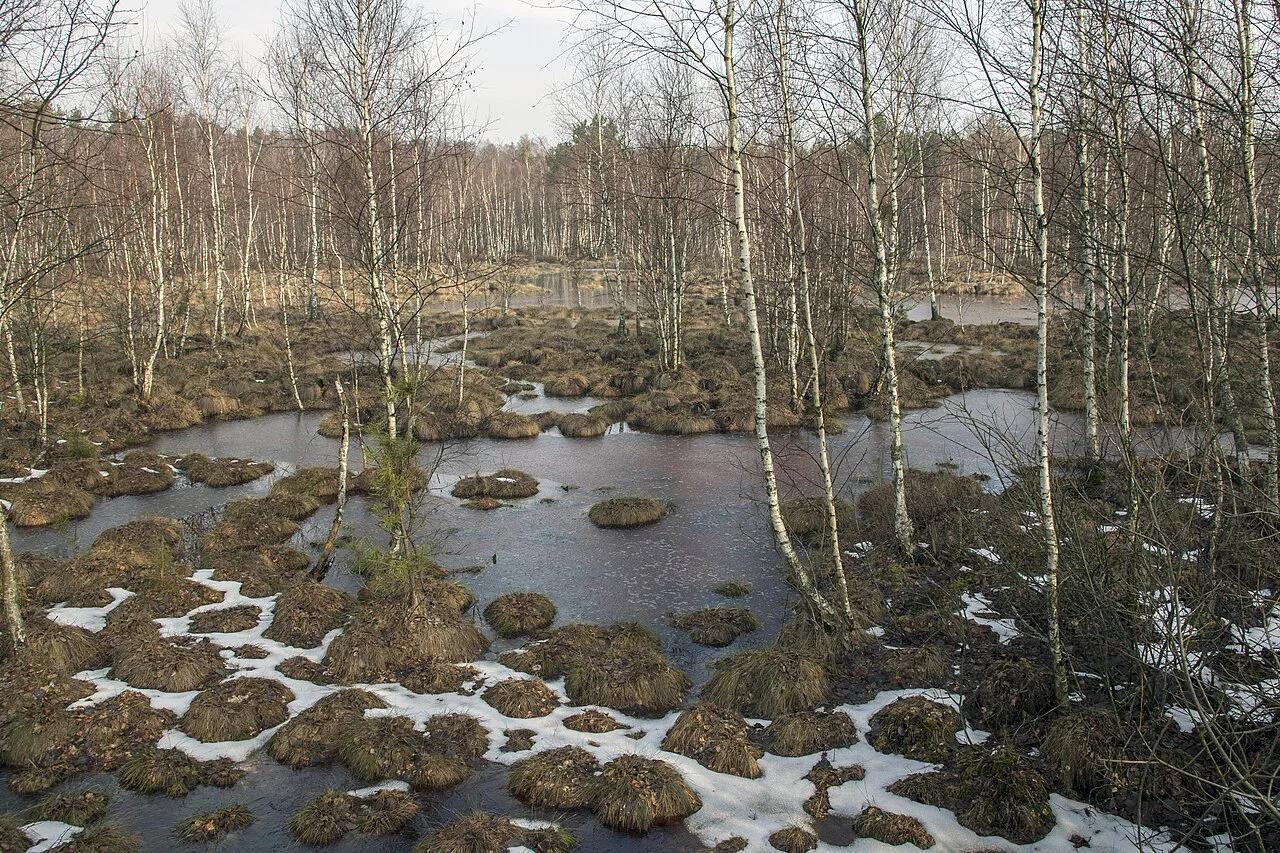
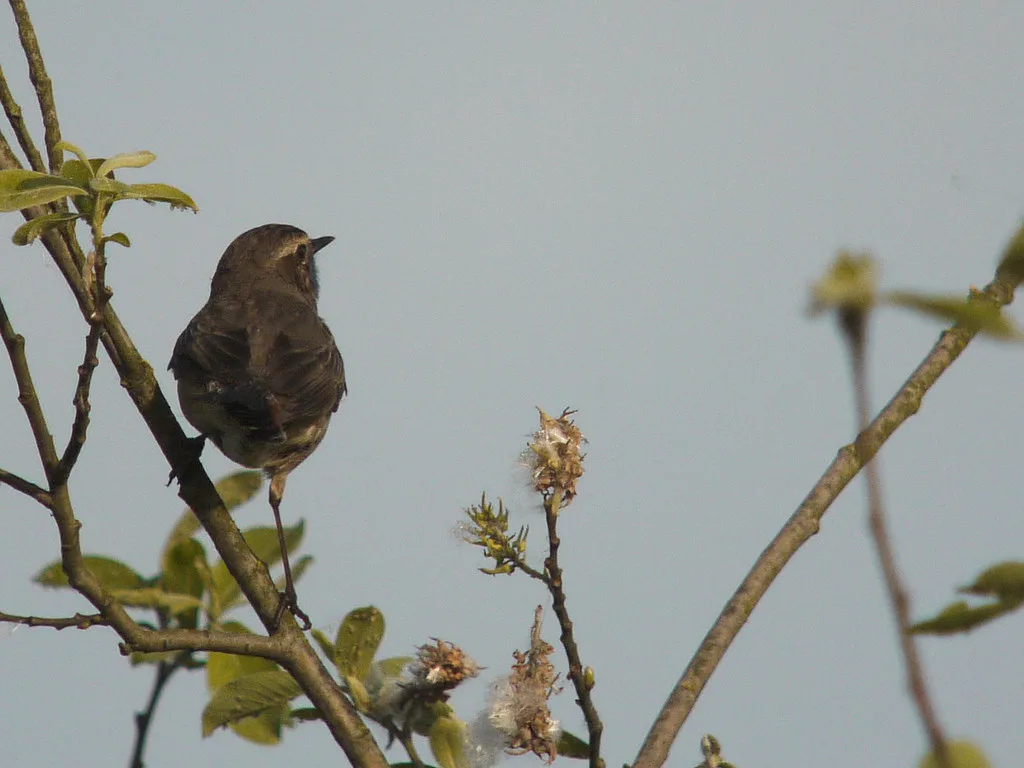
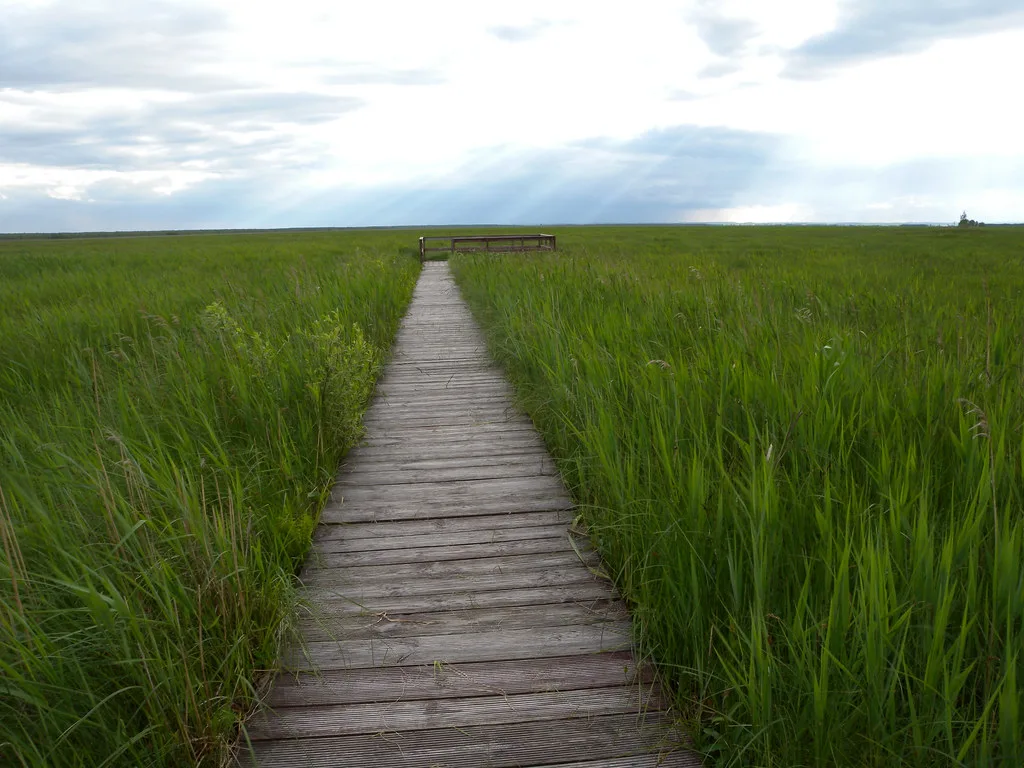
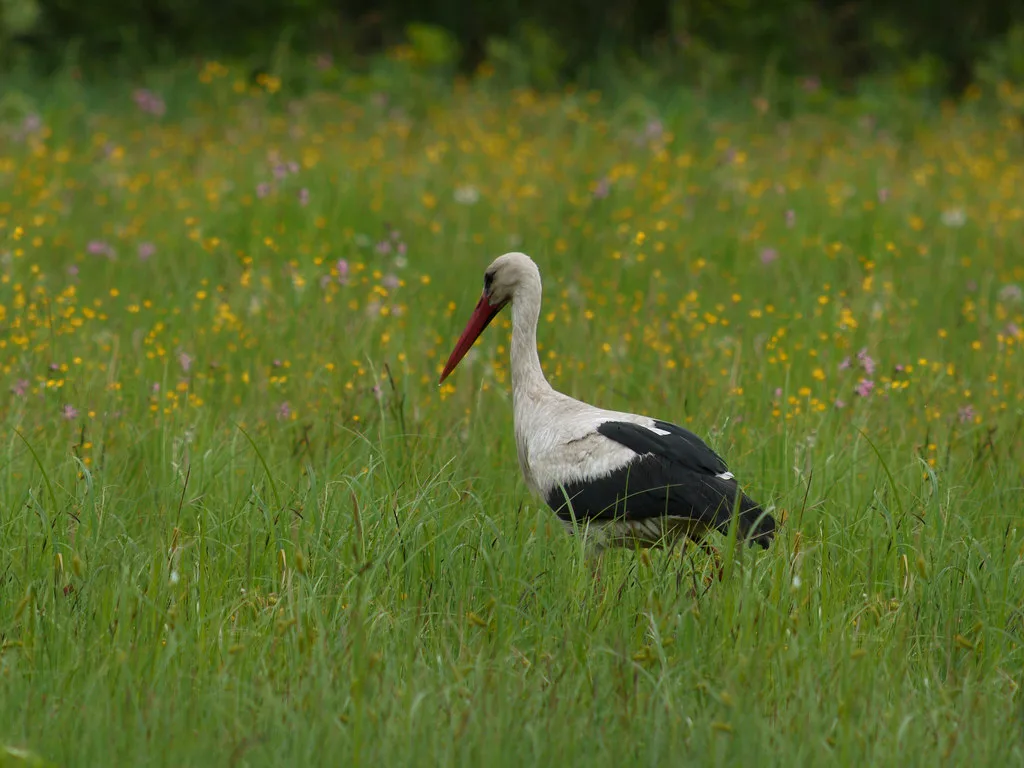
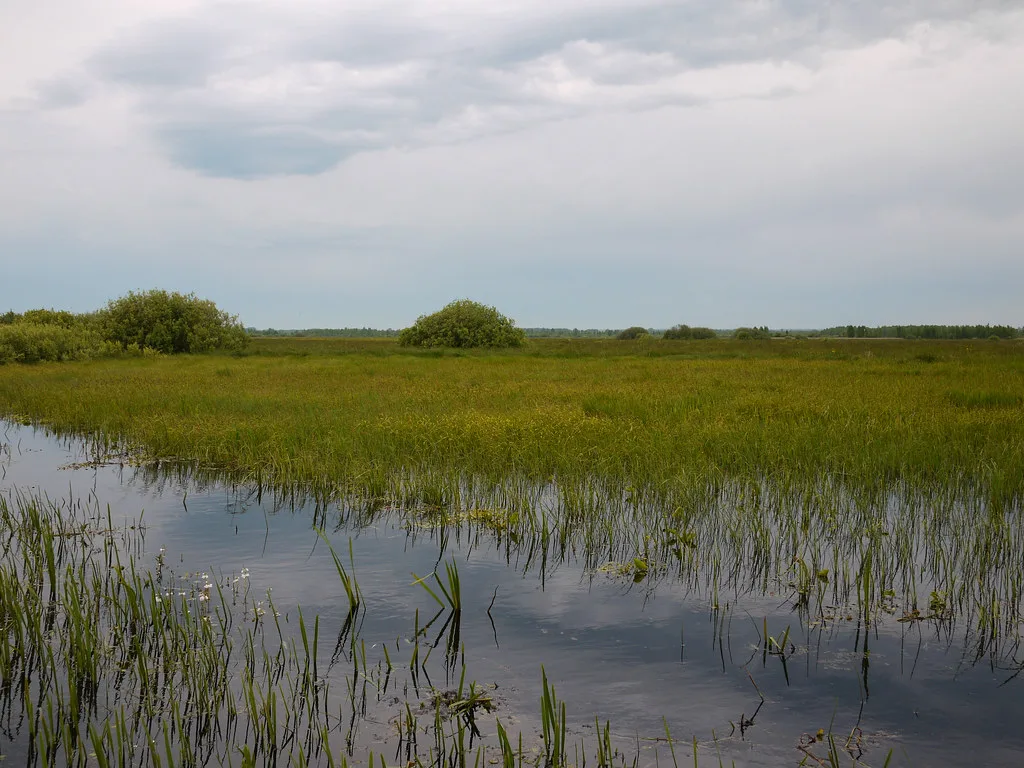
Last updated November 2026: Biebrza National Park is a wetland reserve in northeast Poland's Podlasie region, known for marshes, river floodplains and birdlife. It is Poland's largest national park, and elk live among its marshes. It suits patient nature watchers rather than travelers who want a gated attraction with a loop path.
Featured image: Jerzy Strzelecki, CC BY-SA 3.0, via Wikimedia Commons.
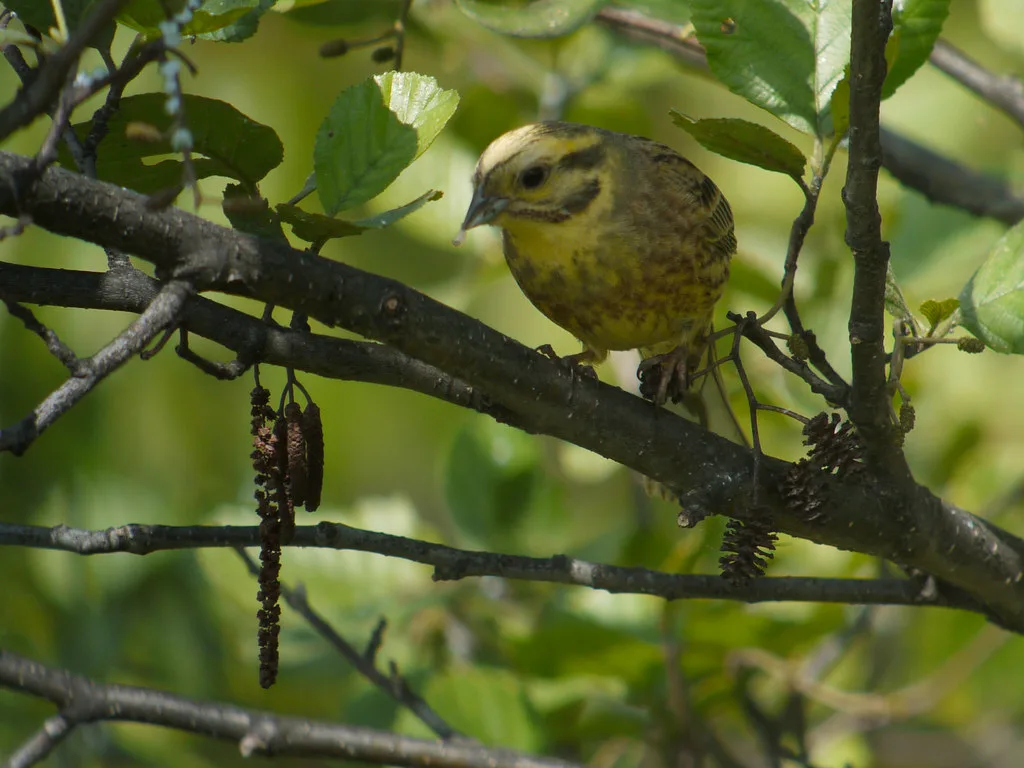
Biebrza National Park at a glance
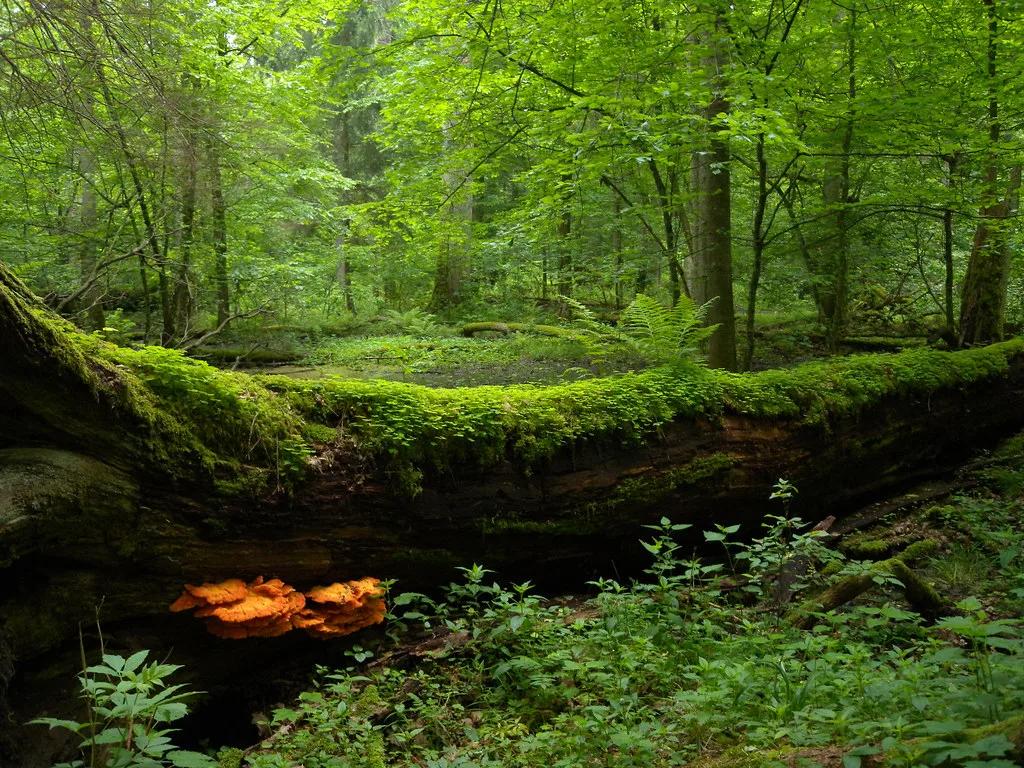
Biebrza protects a vast floodplain around the Biebrza River. Most visitors come for birds, big skies and quiet, not for a single landmark. Białystok is the main city gateway, and Osowiec-Twierdza and Goniądz are the access points to plan around. The official park website is the place for trails, closures and visitor information. Part of the wider system, it sits among the 11 Best National Parks in Poland: Which to Visit. For old-growth forest instead of wetland, compare Białowieża Forest.
- Region: Podlasie, northeast Poland
- Landscape: marshes, river floodplains and wet meadows
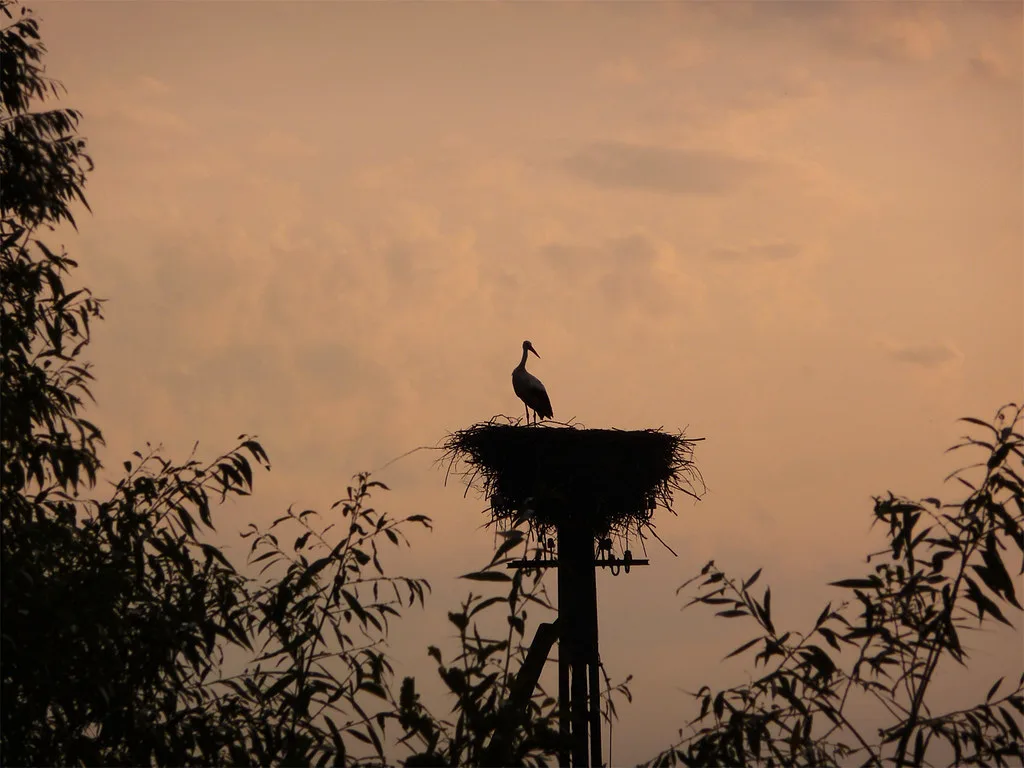
- Known for: birdlife and elk
- Access points: Osowiec-Twierdza, Goniądz, with Białystok as the gateway city
- Best fit: birders, cyclists, canoeists and slow-travel nature fans
Best things to do in Biebrza National Park
Activities here are built around water and open ground. One sample route is a full-day bike ride of about 25 km (roughly 15 miles) across the marshes. Allow 6–7 hours for it, with stops. Treat that as a guide to effort, not a fixed rule. Shorter options exist for anyone who wants less saddle time.
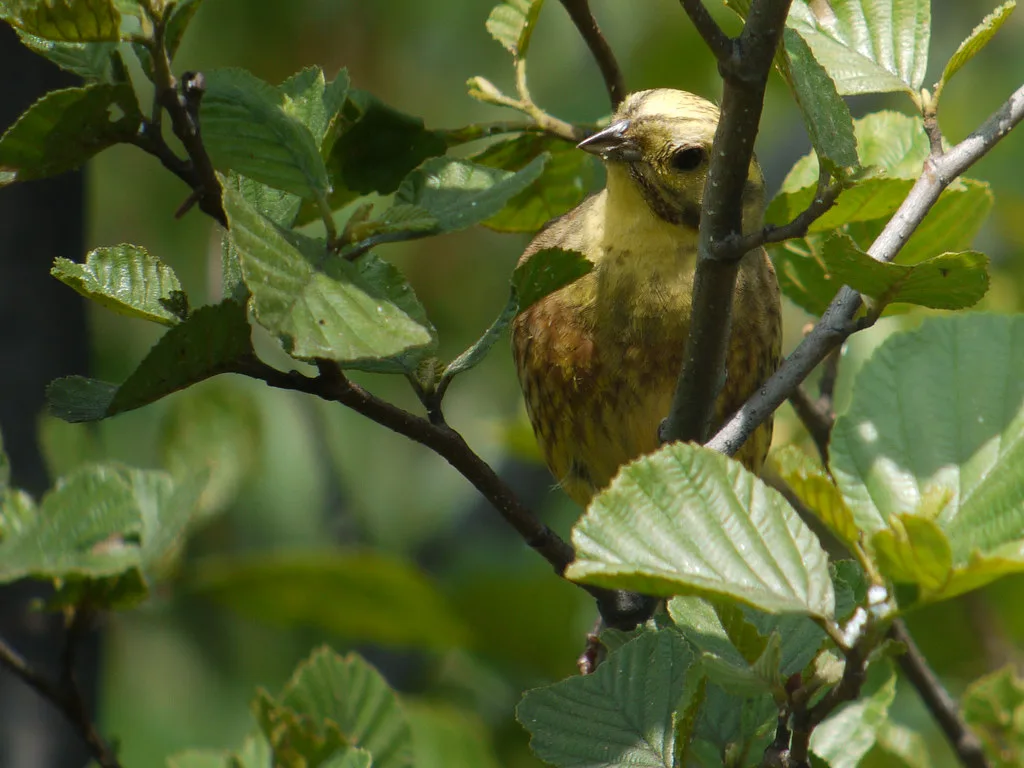
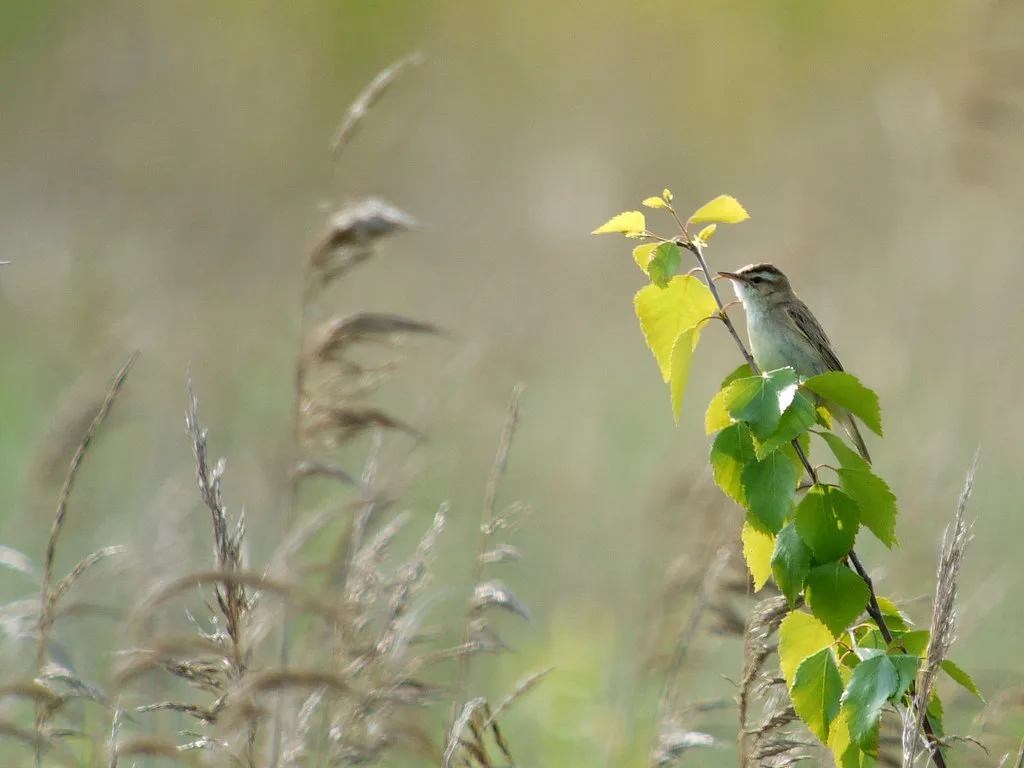
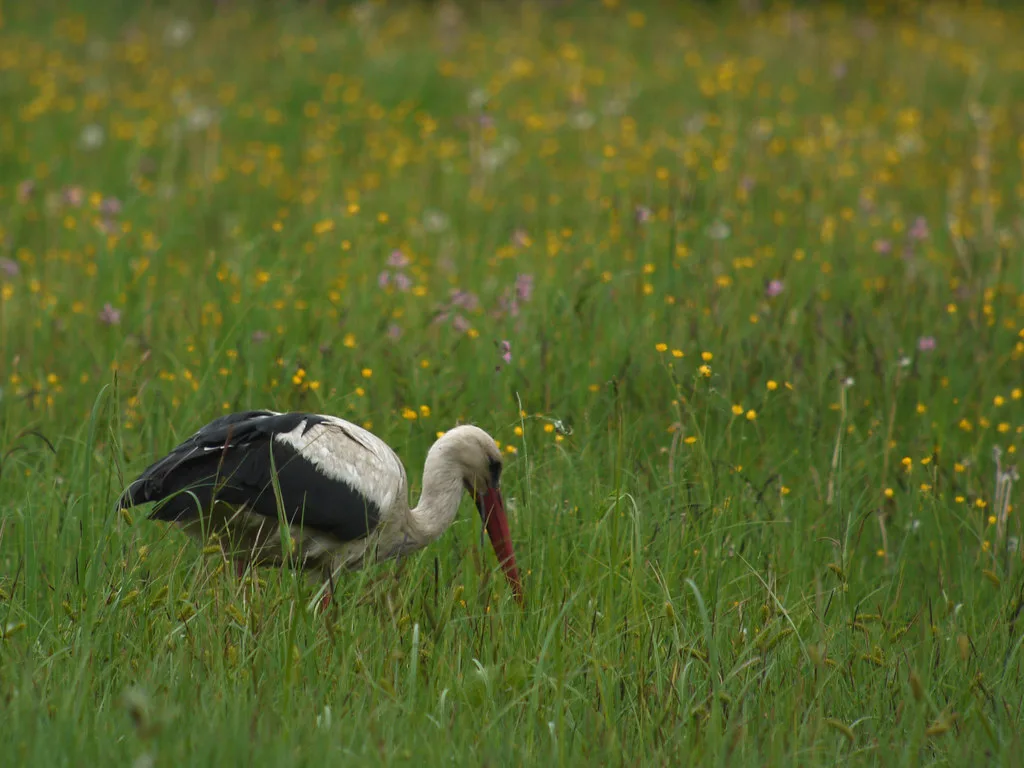
- Wildlife and birdwatching: the main draw. Go early, bring binoculars and never expect guaranteed sightings.
- Canoeing on the Biebrza River: good for summer, easier with a local guide who knows the channels.
- Cycling: flat terrain suits most fitness levels, though wet ground can slow you.
- Guided marsh visits: a guide helps you reach areas that are hard to read alone.
- Osowiec fortification: a history stop near Osowiec-Twierdza that breaks up a nature-heavy day.
- Park museum and exhibition: a useful first stop to learn what lives in the marshes.
When to visit Biebrza: season by season
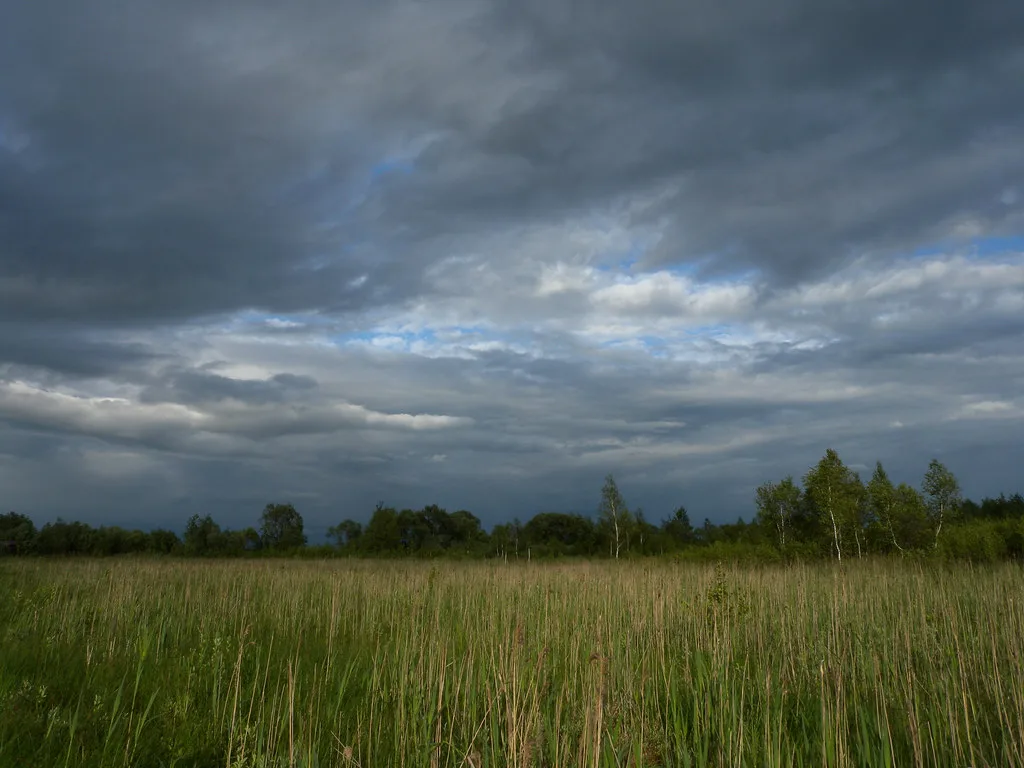
Season shapes everything, from which birds you see to whether paths are passable. Spring brings high water and migration. Summer brings green marshes and insects. Dates move with weather each year, so check the park website before booking.
| Season | What you can see | Difficulties | Best for |
|---|---|---|---|
| Spring | Flooded marshes and migrating birds | Water over paths; mud | Birders |
| Summer | Green floodplains, canoeing weather | Mosquitoes and other insects | Canoeists, cyclists, families |
| Autumn | Quieter marshes, changing colour | Shorter daylight | Photographers, slow travelers |
| Winter | Snow-covered open landscape | Cold, short days; some services may be closed | Experienced, well-equipped visitors |
How to get to Biebrza National Park from Warsaw
Start with a train from Warsaw to Białystok, using PKP Intercity or a regional operator. Check current timetables on the operator's site. From Białystok you continue by car, local bus or arranged transfer toward Osowiec-Twierdza or Goniądz. Bus links to the marshes are limited, so a car or a booked transfer is the practical choice. Cyclists can hire or bring bikes once they reach a base. Poland's official tourism site lists regional information centres that can help with onward connections.
Where to stay near the marshes
Pick a base before you arrive, because services thin out fast near the park. Three types work well.
- Gateway town: more shops, restaurants and transport, but a longer drive to the marshes.
- Eco-guesthouse or agrotourism stay: closer to the water, often with meals, but fewer services nearby.
- Augustów on Lake Necko: a northern alternative with more tourist infrastructure. Check driving time to your chosen access point on a map before you commit.
How much time to plan
A half-day gives you a museum stop and a short marsh walk. One day suits a guided visit or a bike ride like the 25 km route above. Two to three days let you combine canoeing, cycling and a fortress visit without rushing. On a short Warsaw trip with less time, Kampinos National Park: Day Trip from Warsaw Guide is a nearer alternative.
A one-day plan centred on the bike ride covering about 25 km (roughly 15 miles) leaves little room for a second activity, given 6–7 hours with stops.
| Plan | Realistic goals | Transport needed | Effort |
|---|---|---|---|
| Half-day | Museum, short marsh walk | Car or transfer | Low |
| 1 day | Guided marsh visit or full-day bike ride | Car or bike | Moderate |
| 2–3 days | Canoeing, cycling, Osowiec fortification | Car plus a local base | Moderate |
Tickets, rules and costs
Entry, canoe and guide rules are set by the park authority, and nesting areas can be closed to visitors. Current fees, permits and closures are listed on the park authority's site. As a relative guide, a self-guided trip costs least, a local guide adds a mid-level cost, and a full package costs most. Poland's national parks directory covers park status and protection basics.
Guided tour or independent trip?
Independent travel works if you have a car and patience. A guide makes more sense when wildlife is the goal.
| Traveler | Best choice | Why |
|---|---|---|
| Birders | Guided | A local guide knows where birds and elk are likely |
| Families | Independent with short routes | Flexible pace, easy rest stops |
| Cyclists | Independent | Flat terrain suits self-guided routes |
| Short-stay city visitors | Guided or packaged | Transport and planning are handled |
| Seniors or reduced mobility | Guided with a car transfer | Less walking on uneven ground |
Common mistakes and what to pack
Most problems come from underplanning. Expect a landscape, not a park gate with a ticket booth.
- Arriving without a base: book lodging first.
- Wrong season for your target species: check the season table above.
- Ignoring insects and mud: bring repellent and waterproof footwear.
- Relying on buses for remote areas: arrange a car or transfer.
- Pack binoculars, water, weather layers and a rain jacket.
Other national parks in Poland
Biebrza is one of several very different parks. For mountains with rock formations, see Table Mountains National Park, Poland: Visitor Guide. Ojców National Park offers a small limestone canyon. Słowiński National Park has coastal dunes. Pieniny National Park: Trzy Korony, Rafting & Trip Planning pairs river gorges with Dunajec Rafting: Route, Season, Cost & How to Go. Walkers can head to Bieszczady National Park Guide: Trails, Seasons & Access or Gorce National Park Guide: Hikes, Turbacz, Access & Tips. For a coastal island, try Wolin National Park Guide: Cliffs, Bison & Routes.
Notes for your next park visit
Optional updates to our national park guides.
Read next

Keep planning
Picked from the same area