
Kampinos National Park: Day Trip from Warsaw Guide
Plan a Kampinos National Park visit from Warsaw: what to see, how to get there, trail and season trade-offs, and who should skip it.
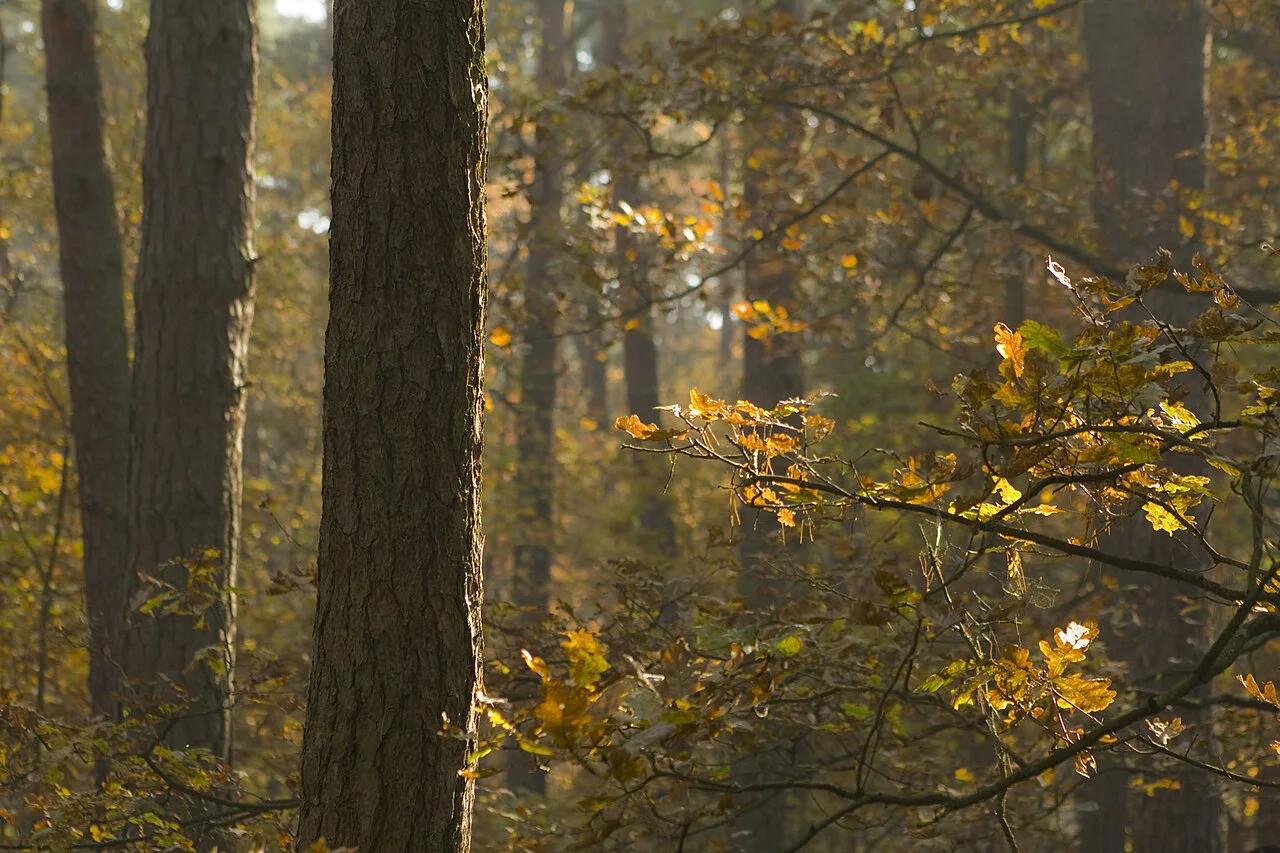
Last updated November 2026. Kampinos National Park (Kampinoski Park Narodowy) is a forest, dune and bog reserve on the north-west outskirts of Warsaw, in Masovian Voivodeship. It suits walkers and cyclists who want green space and quiet history without leaving the capital's orbit. Skip it if you want mountains or big-animal viewing, and start with our guide to Poland's national parks to compare options.
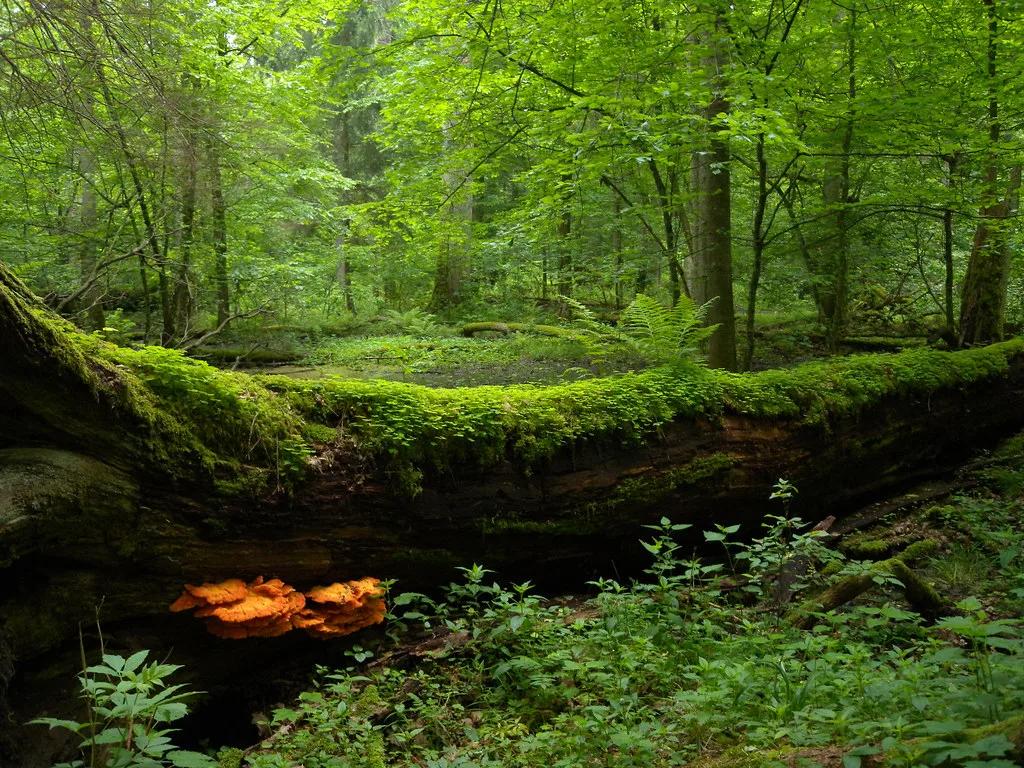
Featured image: Aga Viburno, CC BY-SA 3.0, via Wikimedia Commons.

Kampinos National Park at a glance
Kampinos sits on the Vistula plain, a short way beyond Warsaw's north-west edge. Its local name is Puszcza Kampinoska, the Kampinos Forest, and that is the phrase to search for on maps and road signs. The park office is in the town of Izabelin, which is the practical reference point for official contact and visitor questions. Kampinos park's official website is the place for current trail, ticket and access information.
- Type: national park, north-west of Warsaw, Masovian Voivodeship
- Local names: Kampinoski Park Narodowy, Puszcza Kampinoska
- Park office: ul. Tetmajera 38, 05-080 Izabelin, phone +48 22 722 60 01
- Official website: kampinoski-pn.gov.pl
- Sister park: Indiana Dunes National Lakeshore in the United States
What makes it worth the trip
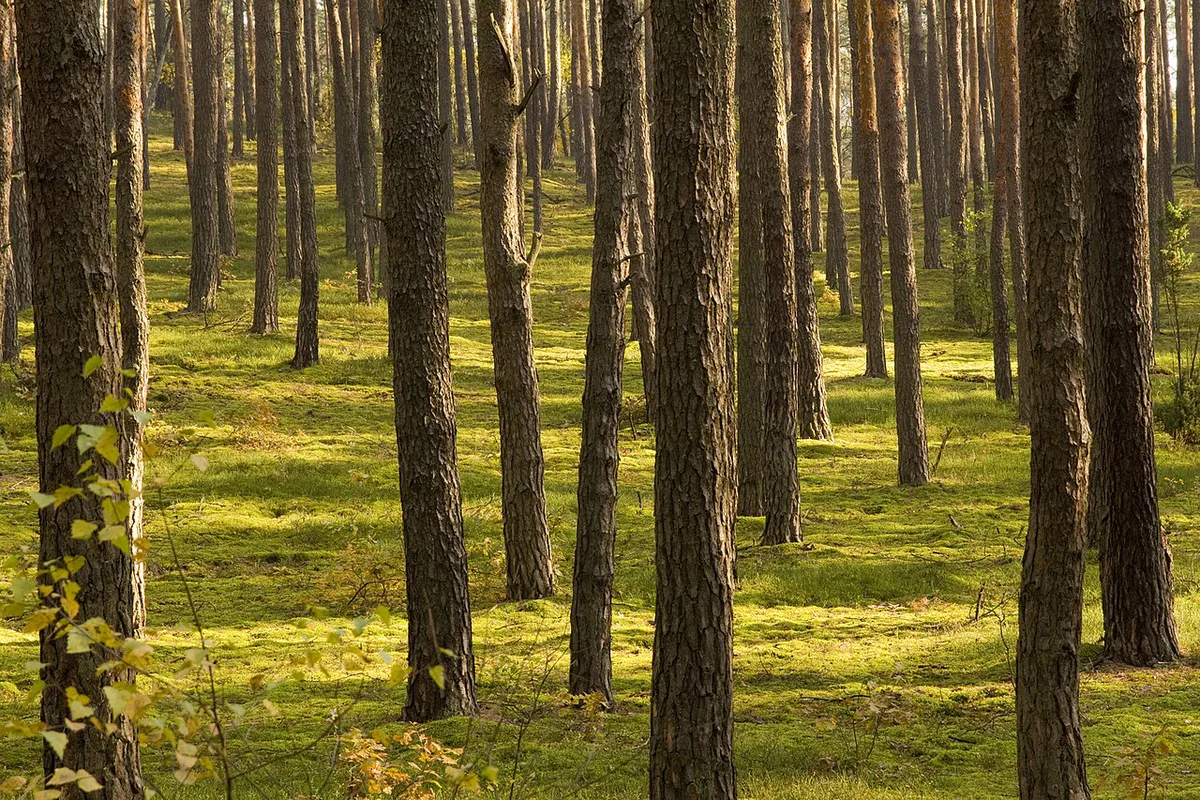
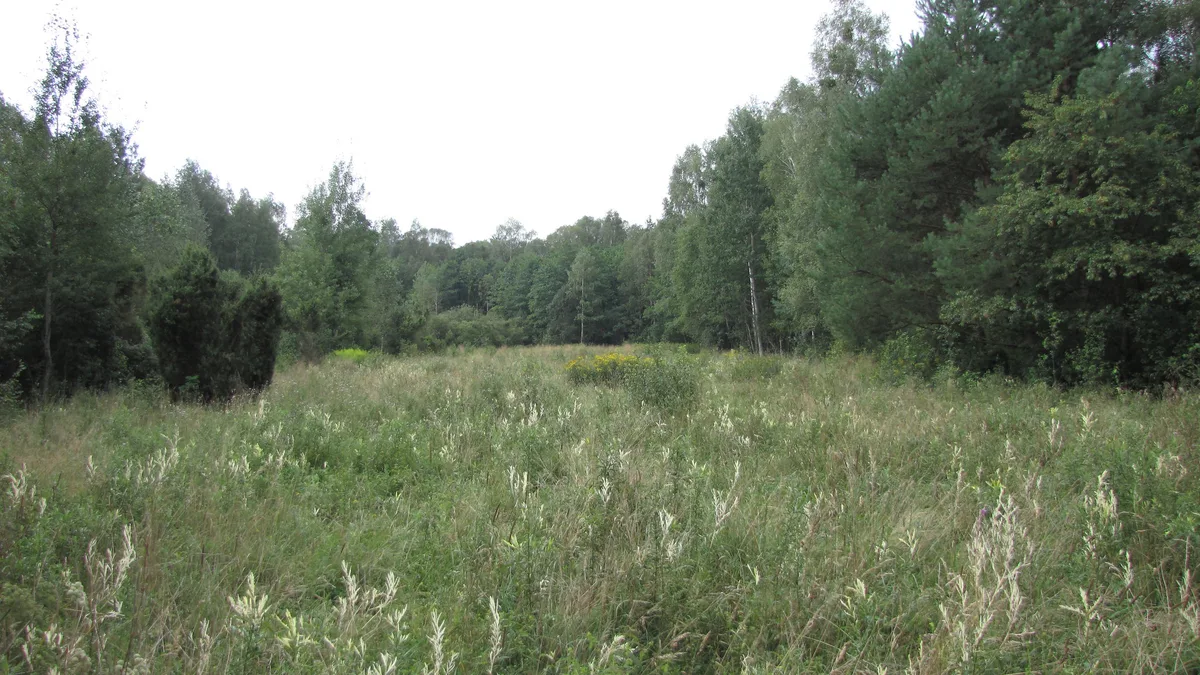
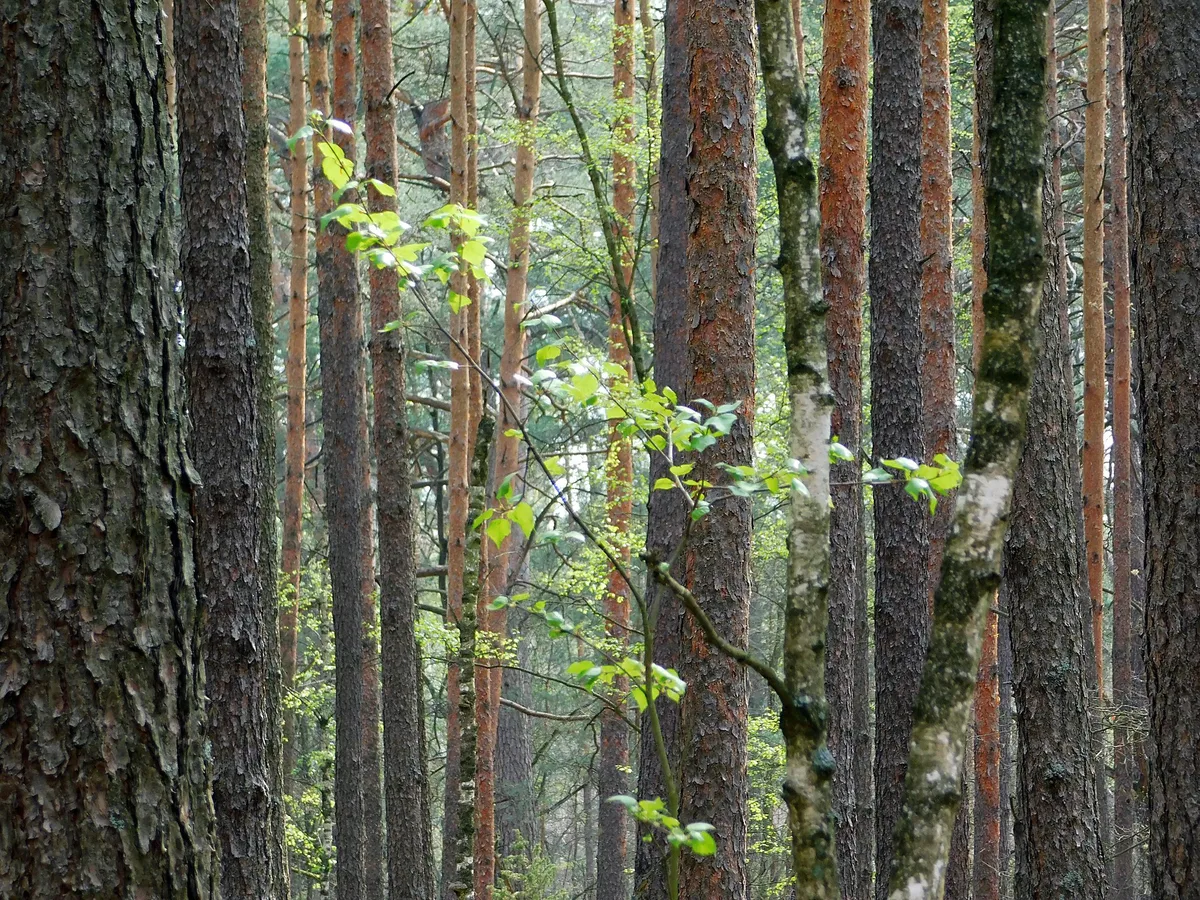
Landscape is the first reason. The park combines inland dunes, bogs, forest, meadows and reeds in one mosaic, which is unusual so close to a capital city. Walking from pine forest onto sandy dune ridges takes a short stretch of trail, and wetter ground sits in between.
Protection is older than most visitors expect. The idea of a park here first appeared in the 1920s, and the first forest reserves opened in the 1930s. Those were Granica, Sieraków and Zamczysko, and today they are much larger and strictly protected.
History is the second reason. Uprisings and wars left traces across the forest, and the park's own description calls it a treasury of the past. Treat memorials and graves as places of remembrance, stay on marked paths and keep voices low. The official site lists the historical places it recommends for visitors.
How to choose your visit
Pick one theme per trip rather than trying to cover the whole forest. Time estimates below are our own planning guesses, not official figures. Check marked trail lengths on the official site before you set out.
| Visit type | Best for | Effort | Time (estimate) | Car needed? |
|---|---|---|---|---|
| Dunes and forest walk | First-time visitors, photographers | Moderate, sandy underfoot | Half day to full day | Not essential if you reach a trailhead by public transport |
| History-focused visit | Readers of wartime history | Light to moderate | Half day | Helpful, as memorials are spread out |
| Cycling | Riders who like flat, quiet routes | Moderate | Full day | No, if you bring a bike by public transport |
| Short half-day visit | Time-pressed Warsaw visitors | Light | A few hours | No |
Getting there from Warsaw
Warsaw sits close enough that the park works as a day trip. Public transport is the cheapest option, but frequency drops sharply once you leave the city. Do not assume Warsaw-style departures every few minutes. Use the Warsaw tourism site as a starting point, then check the city and regional transport operators for current routes, fares and last returns.
Driving gives the most freedom and reaches trailheads that buses skip. Parking is limited at popular entrances, so go early on summer weekends. Cycling from the city edge suits strong riders, and you can use the park's own routes once you arrive. Izabelin is the best-known park town, so look at its trailheads first.
- Public transport: lowest cost, least flexible, plan the last return first
- Car: most flexible, parking can fill on summer weekends
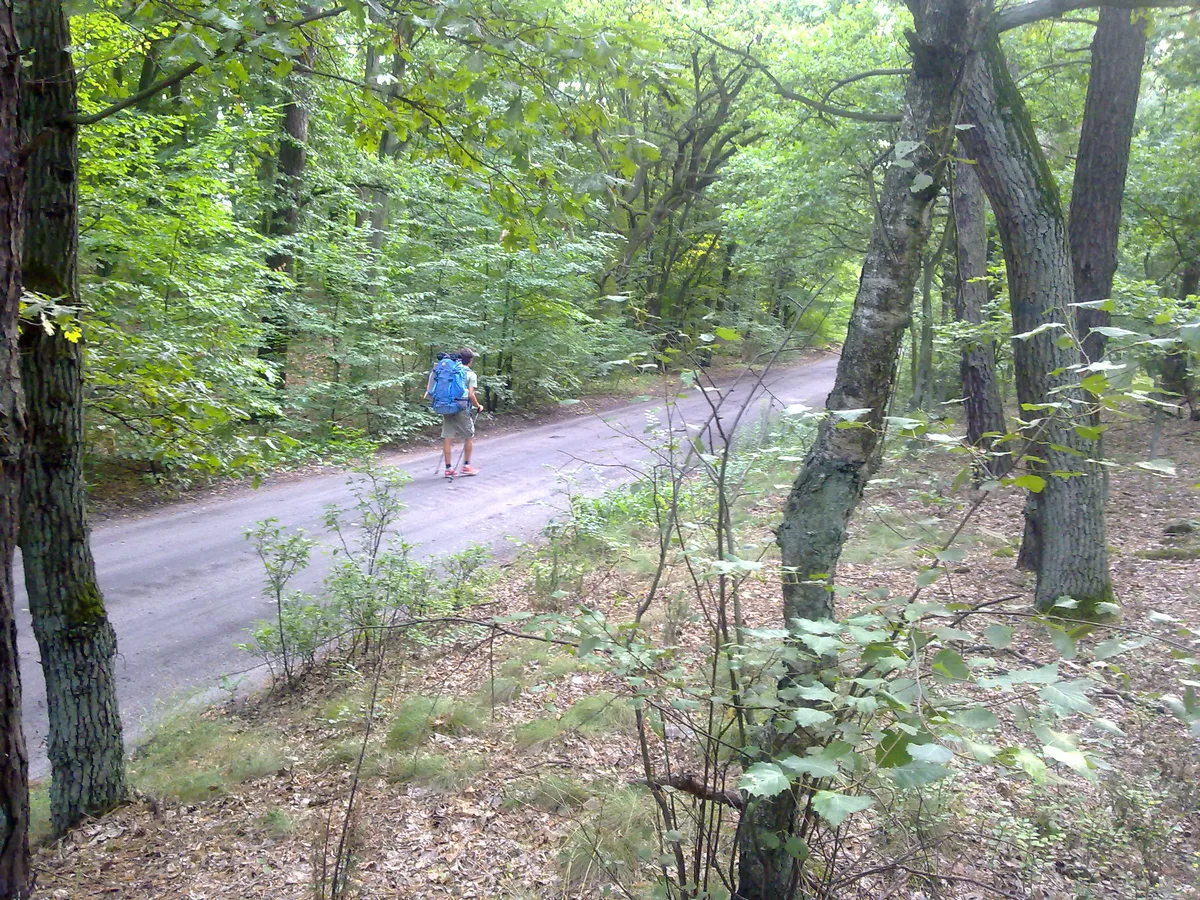
- Bike: best for the flat forest tracks, but sand slows you on some paths
Tickets, rules and opening hours
Entry rules, any ticket requirements and current closures are set by the park, so the official site is the only reliable source. Look there for rules on fires, camping, dogs, cycling and leaving marked paths. Strictly protected reserves such as Granica, Sieraków and Zamczysko have tighter limits than ordinary trails. Map apps often show the park as open 24 hours. That listing is a map artifact and does not mean every area is open or safe at night. The park office on ul. Tetmajera 38 in Izabelin can answer questions at +48 22 722 60 01.
Forestry work or hunting can close paths, so ring +48 22 722 60 01 before you set out.
When to go and what to avoid
Late spring and early autumn suit most visitors. Summer brings mosquitoes and ticks, and autumn adds colour to the forest. Winter snow can make a quiet walk, but sandy tracks and shorter daylight need more planning. Forestry work or hunting may close some paths, so check notices before you set off.
- No offline map: signal can drop in the forest, so download one before you go
- Wrong footwear: sand and wet ground ruin thin trainers
- Ticks: wear long trousers and check your skin after a walk
- Transport assumptions: confirm your last return before you head out
- Skipping protected areas: strict reserves limit where you may walk
Where to stay and eat
Warsaw is the easiest base, with the widest choice of hotels and restaurants and straightforward onward transport. A village on the park edge, such as Izabelin, gives an earlier start on the trails and a quieter evening. Bring water and food for the day, because facilities inside the forest are limited. Look for current lodging and food options through the Warsaw tourism site or the park office.
Kampinos vs other Polish national parks
Kampinos is the easiest national park to reach from a major city, not the most dramatic. For rock formations and mountain scenery, Stołowe Mountains is the stronger pick. Readers who want wetlands and birdlife should look at Biebrza's marshes, and canyon scenery is the draw at Ojców's limestone valleys.
For primeval woodland, head east to Białowieża's ancient forest. If you have more days and want dunes by the sea, Słowiński's shifting dunes are the coastal alternative. Kampinos wins on convenience and the combination of dunes, bog and history within reach of Warsaw.
Frequently Asked Questions
Does Poland have any national parks?
Yes, the official national parks list names 23 of them, including Kampinoski, Białowieski, Tatrzański and Słowiński. Our national parks overview compares them by region and type.
Notes for your next park visit
Optional updates to our national park guides.
Read next

Keep planning
Picked from the same area