
Białowieża Forest Guide: Bison, Access & How to Visit
Plan a trip to Białowieża Forest: how to enter the primeval forest, see bison, get there, and choose between guided and independent visits.
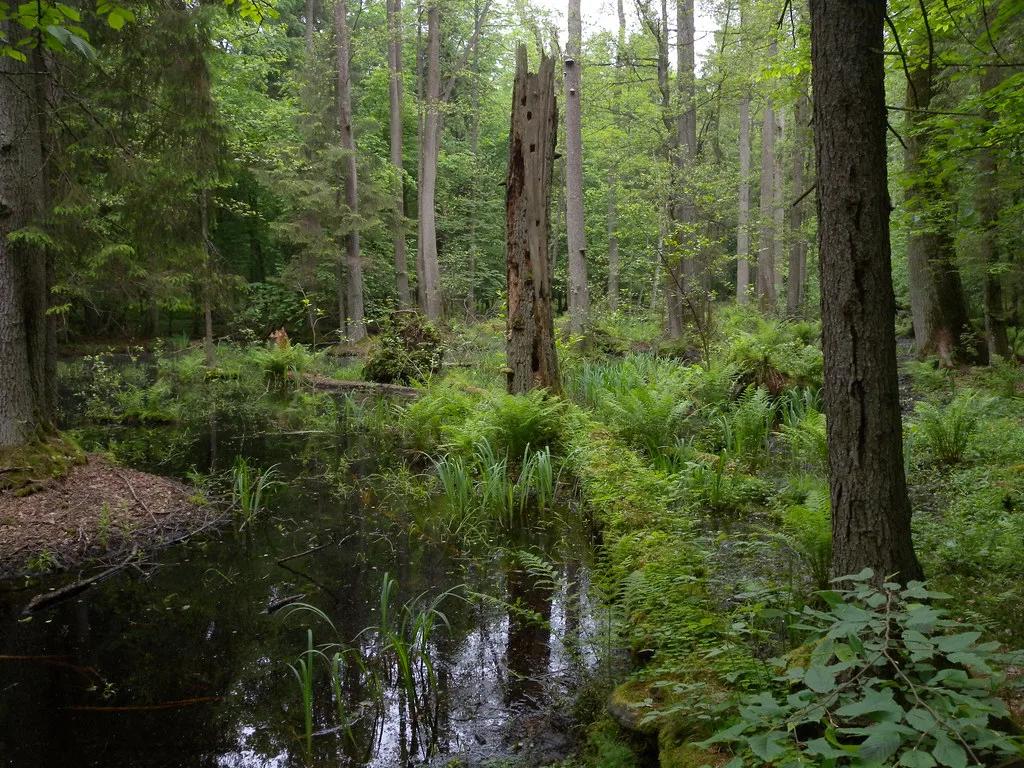
Last updated November 2026: Bialowieza Forest is a UNESCO-listed primeval lowland forest on the Poland–Belarus border, and it holds the largest free-roaming population of European bison. Białowieża village in Podlaskie is the practical Polish base, and the key decision is a guided entry into the strictly protected area versus free walking in the wider forest. Our Polish national parks overview shows where it fits among the country's other protected landscapes.
Featured image: Frank.Vassen, CC BY 2.0, via Flickr.
Bialowieza Forest at a glance
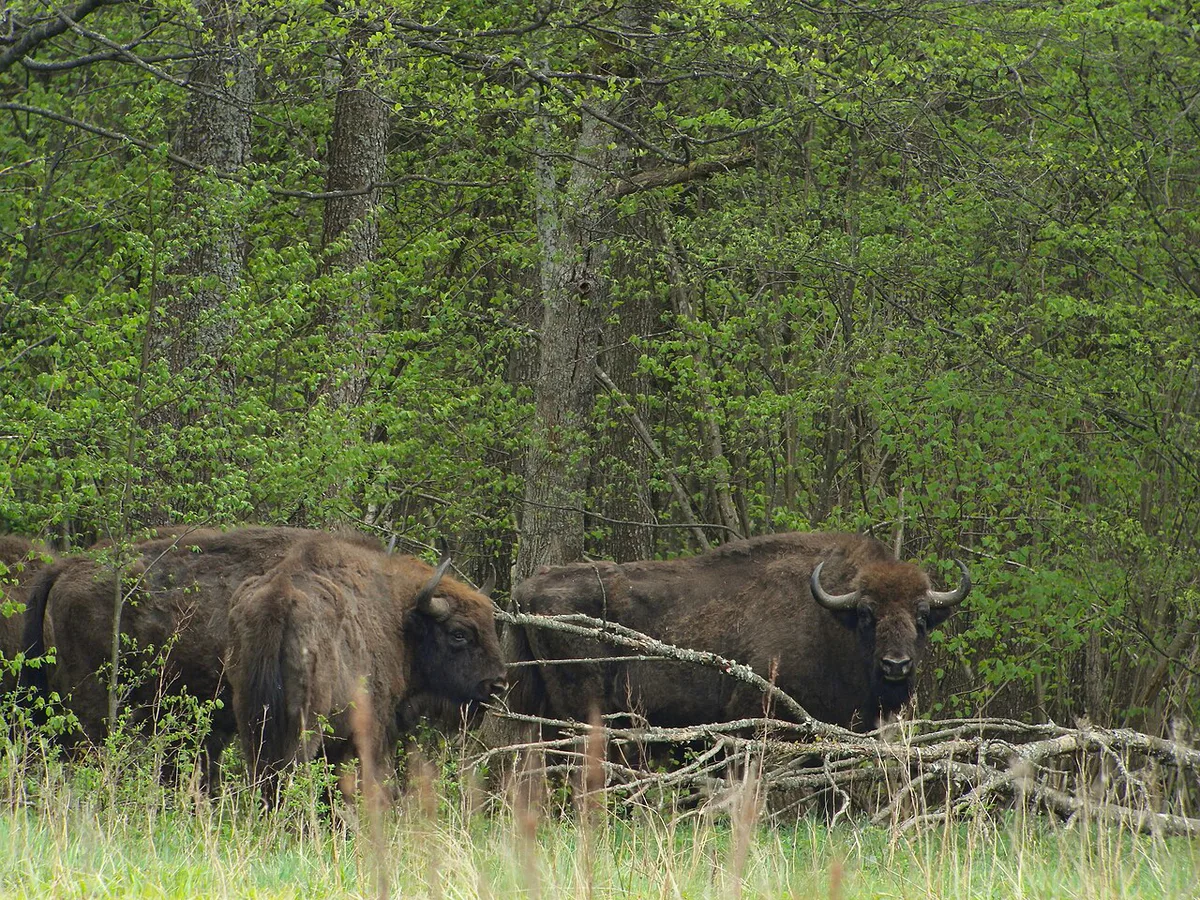
Białowieża Forest is a large lowland forest complex straddling the Poland–Belarus border. UNESCO inscribed Białowieża National Park in Poland in 1979. Belarus's Belovezhskaya Pushcha joined the listing in 1992, and a large extension followed in 2014. Today the property covers 141,885 ha, with a buffer zone of 166,708 ha. Around 900 European bison live across it, almost 25% of the world population. On the Polish side, Białowieża village in Hajnówka county is the access point. Only part of the forest is open to casual walkers, because the strictly protected zones need a guide.
- Status: UNESCO World Heritage, inscribed 1979, extended 1992 and 2014.
- Polish base: Białowieża village, Podlaskie voivodeship.
- Icon species: European bison, with wolf, lynx and otter also present.
- Main decision: guided strict reserve, or independent walking in the open forest.
Why visit: what makes it a primeval forest
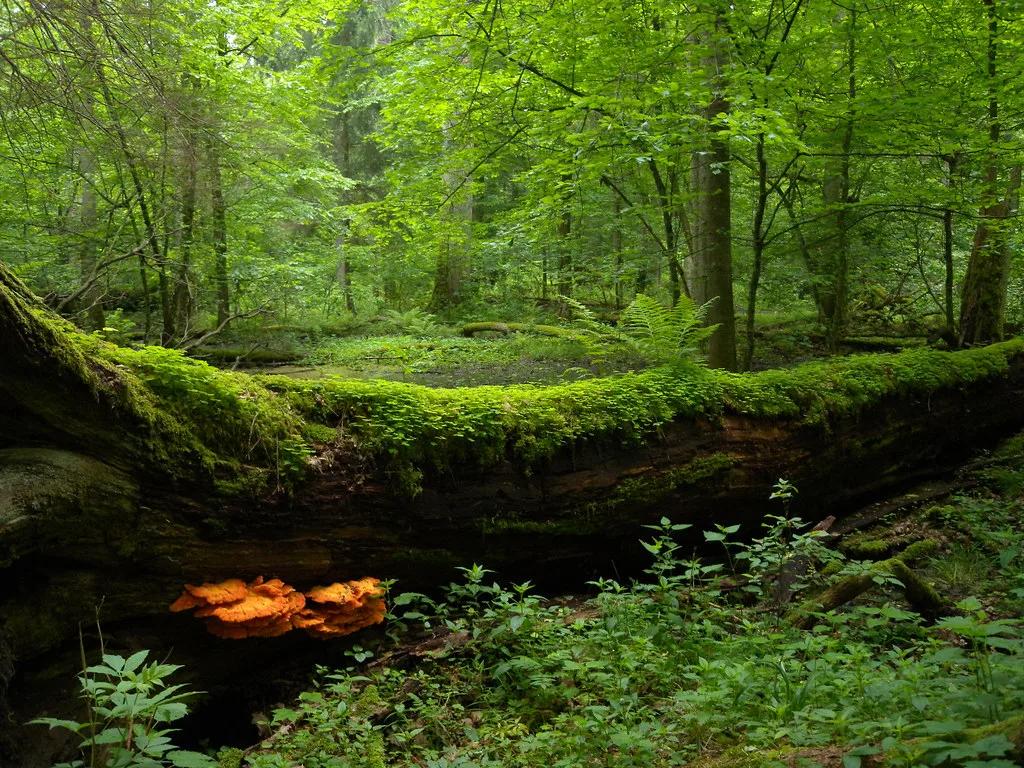
Old-growth structure sets this forest apart from managed woodland. Standing and fallen dead wood stays in place, which feeds a high diversity of fungi and dead-wood insects. Habitats range from oak-hornbeam forest to alder swamp, wet meadows and river valleys. Species counts are large: 59 mammals, over 250 birds, 13 amphibians and 7 reptiles. Invertebrates number over 12,000 species. Wolf, lynx and otter live here too, supported by complete food webs. Bison are the headline act, but smaller details reward patience. Three-toed woodpeckers work dying spruce, ramsons carpet the forest floor in May, and mossy trunks give the oak-hornbeam stands their atmosphere. Expect atmosphere more than spectacle.
Best things to do in Białowieża Forest
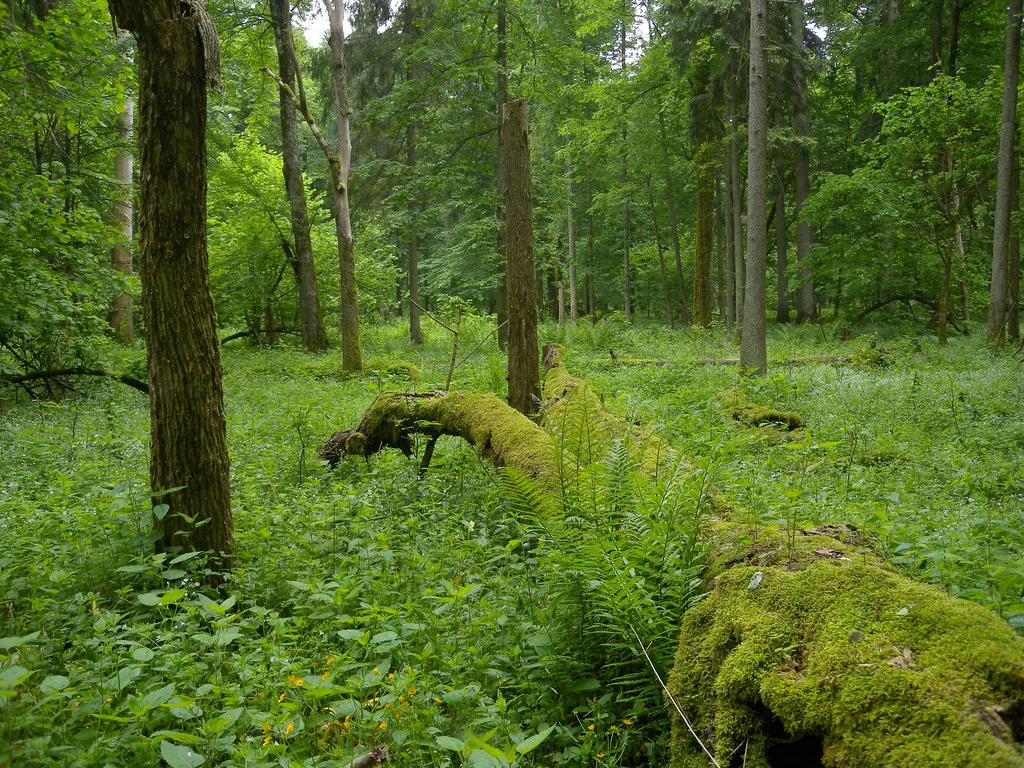
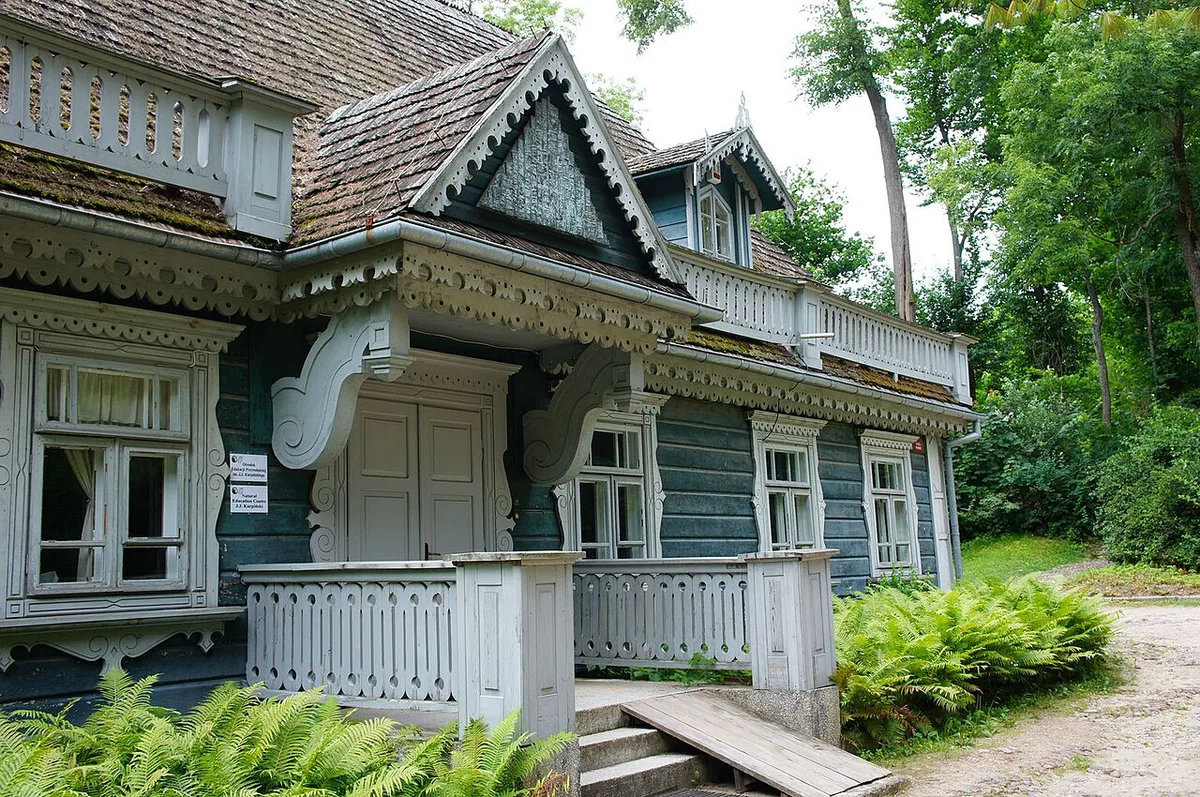
Guided walks are the main way into the old-growth core. Independent visitors still have the wider forest, the Narewka valley and the village's heritage. Bison sightings are never guaranteed in the wild. Chances are better at dawn and dusk. A fenced show reserve gives a near-certain sighting, but the animals are enclosed. Cycling suits anyone who wants flexibility on open forest tracks. Palace Park in Białowieża village adds some heritage beyond wildlife.
Around 900 European bison live across it, yet sightings are never guaranteed in the wild, so pick dawn or dusk for better odds.
| Option | Cost tier | Time needed | Booking needed | Best season | Best-fit traveller |
|---|---|---|---|---|---|
| Guided strict reserve | Verify on official site | Half day | Yes, book a guide | Late spring to autumn | First-timers wanting old-growth forest |
| Independent trails | Low | Half to full day | No | Spring to autumn | Self-paced walkers |
| Cycling | Verify (rental) | Half to full day | Rental only | Late spring to autumn | Active travellers covering distance |
| Show reserve | Verify on official site | 1–2 hours | Check entry rules | Year-round | Families, bison-or-bust visitors |
| Dawn or dusk walk | Verify with guide | Early morning or evening | Yes | Summer to autumn | Wildlife photographers, overnight guests |
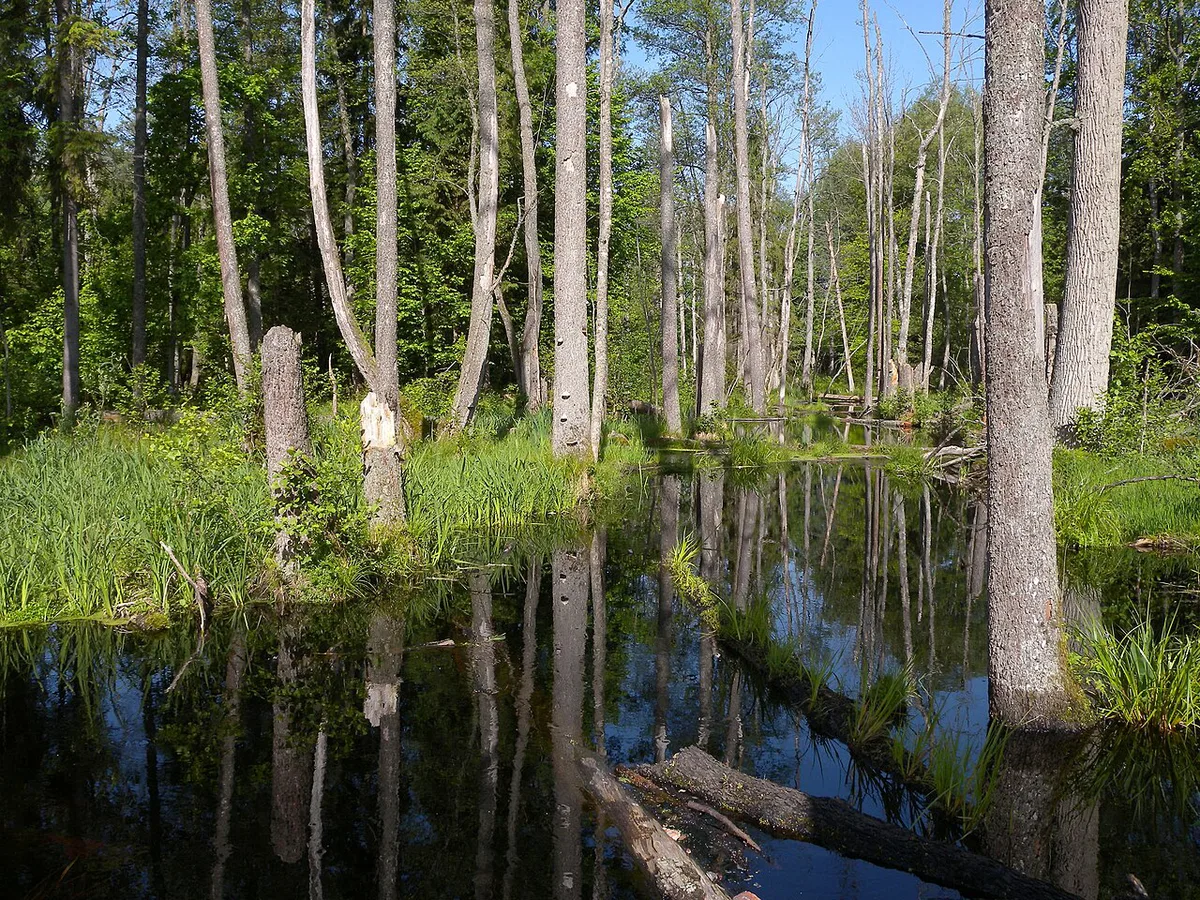
- Guided strict reserve: choose it for old-growth core forest when time is short.
- Independent trails and cycling: choose them for flexibility, lower cost and a self-paced trip.
- Show reserve: choose it for a near-certain bison sighting, knowing it is a fenced enclosure.
- Dawn or dusk guided walk: choose it for the best wild wildlife odds, and stay overnight.
- Narewka valley: choose it for river meadows, birds and a change from forest interior.
Tickets, guides and access rules
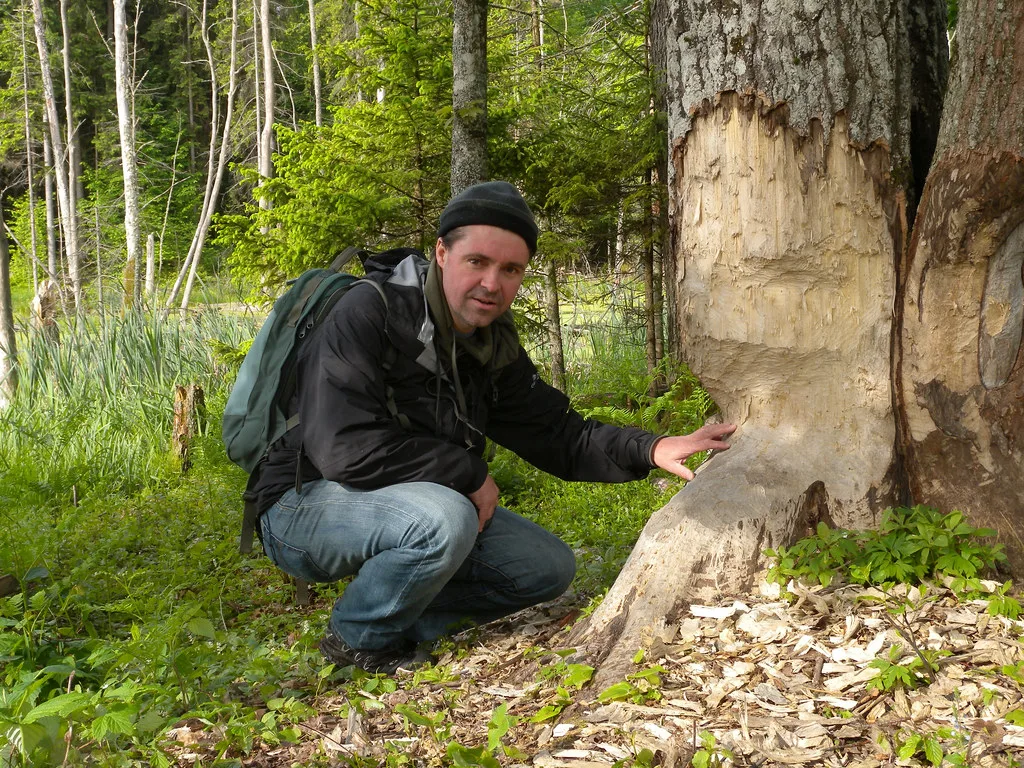
Ticket prices and guided-entry rules change, so no figure is quoted here. Read the current tariffs and entry conditions on the Białowieża National Park official site.
- Strict reserve: enter only with a licensed guide.
- Open forest: marked trails outside the protected core are walkable independently.
- Show reserve: a separate enclosure with its own entry arrangements.
- Whole forest: do not assume it is free or open to wander.
How to get there and get around
Timetables and fares change, so none are quoted here. Look up current departures with Polish rail and bus operators for Hajnówka or Białowieża.
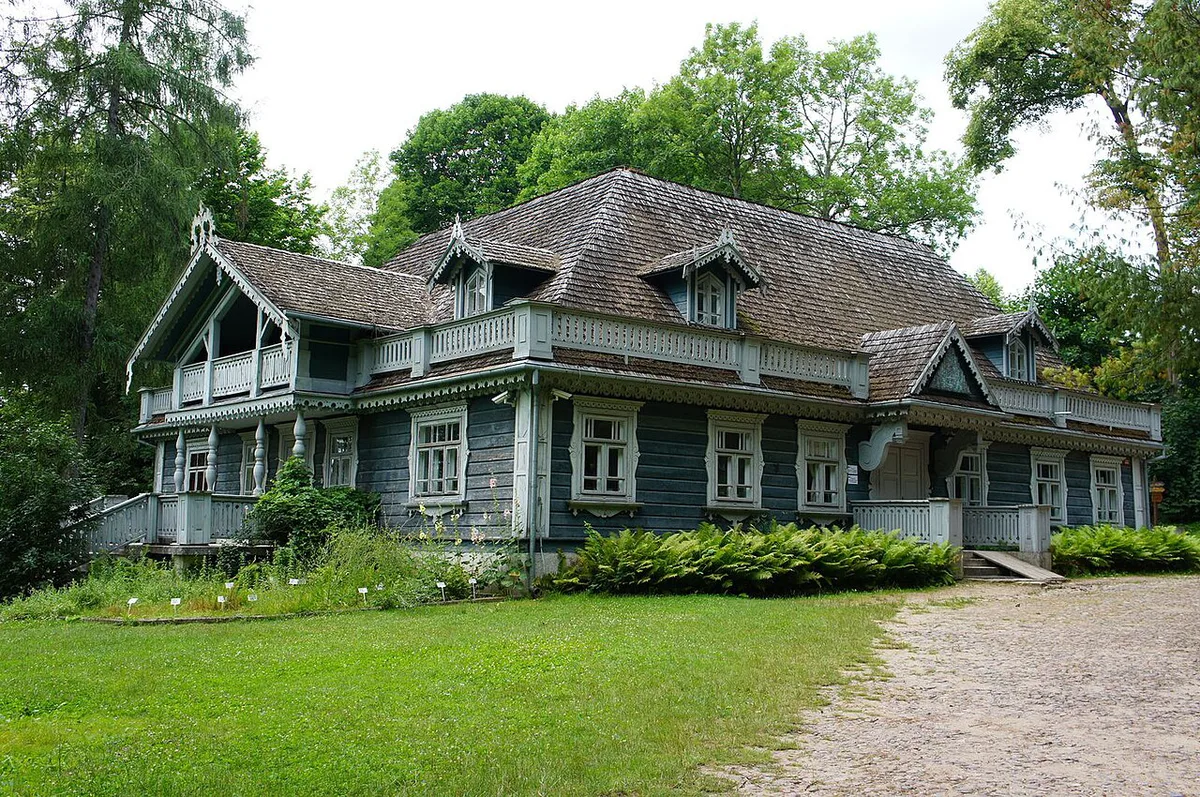
- Car-free route: Warsaw or Białystok by train or bus towards Hajnówka, then a local bus or taxi to Białowieża village.
- Last mile: arrange a taxi or your guesthouse transfer in advance, especially for early starts.
- Around the village: walking and cycling cover most of the open forest.
- Day trips: Warsaw or Białystok day trips leave little time for wildlife, so check journey times first.
How many days to spend
One day covers a guided walk and a village stroll. Two days add a dawn or dusk session, when wildlife chances improve. Overnight stays also remove the rush of early transport. Short on time? Choose one guided walk and skip the rest.
| Plan | 1 day | 2 days |
|---|---|---|
| Wildlife chances | One midday guided walk, limited | Dawn or dusk session added |
| Core forest | Guided strict-reserve walk | Guided walk plus independent trails |
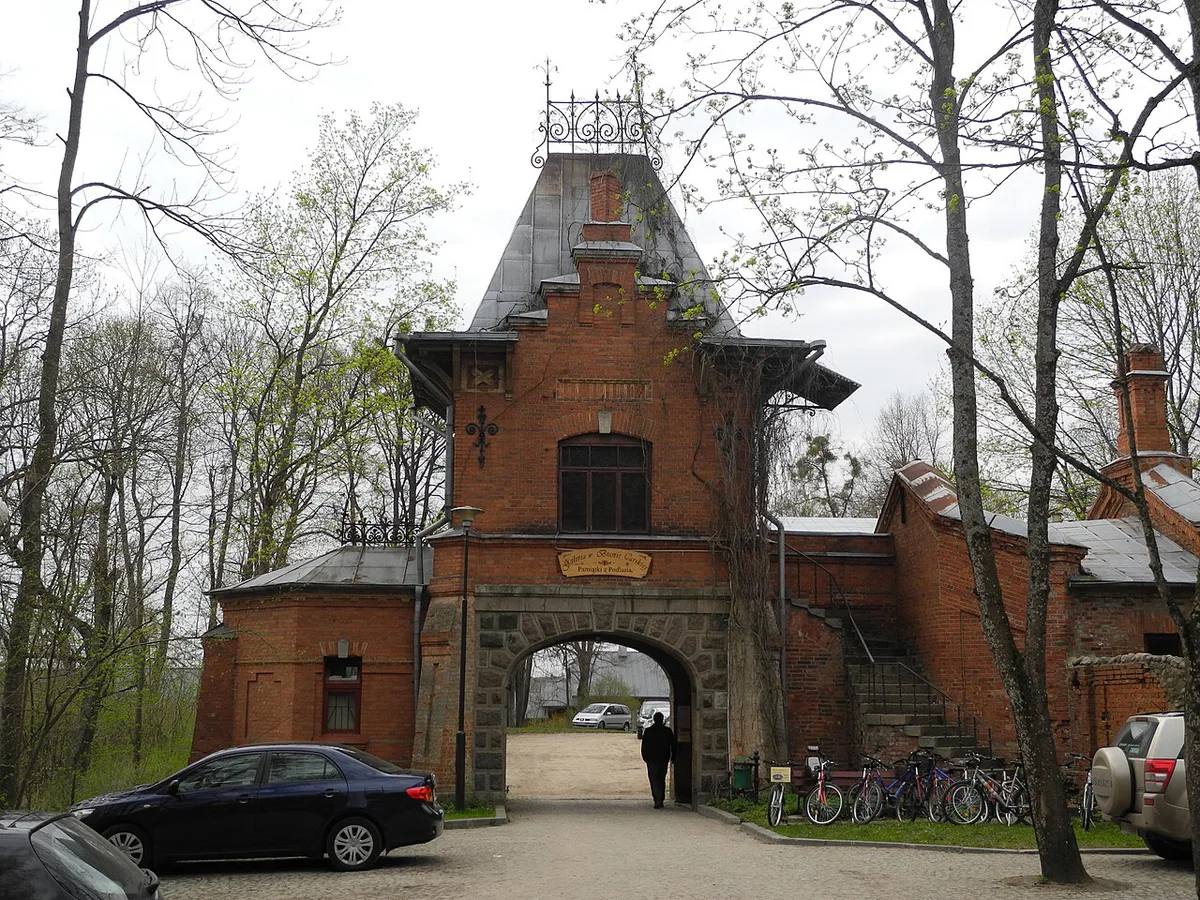
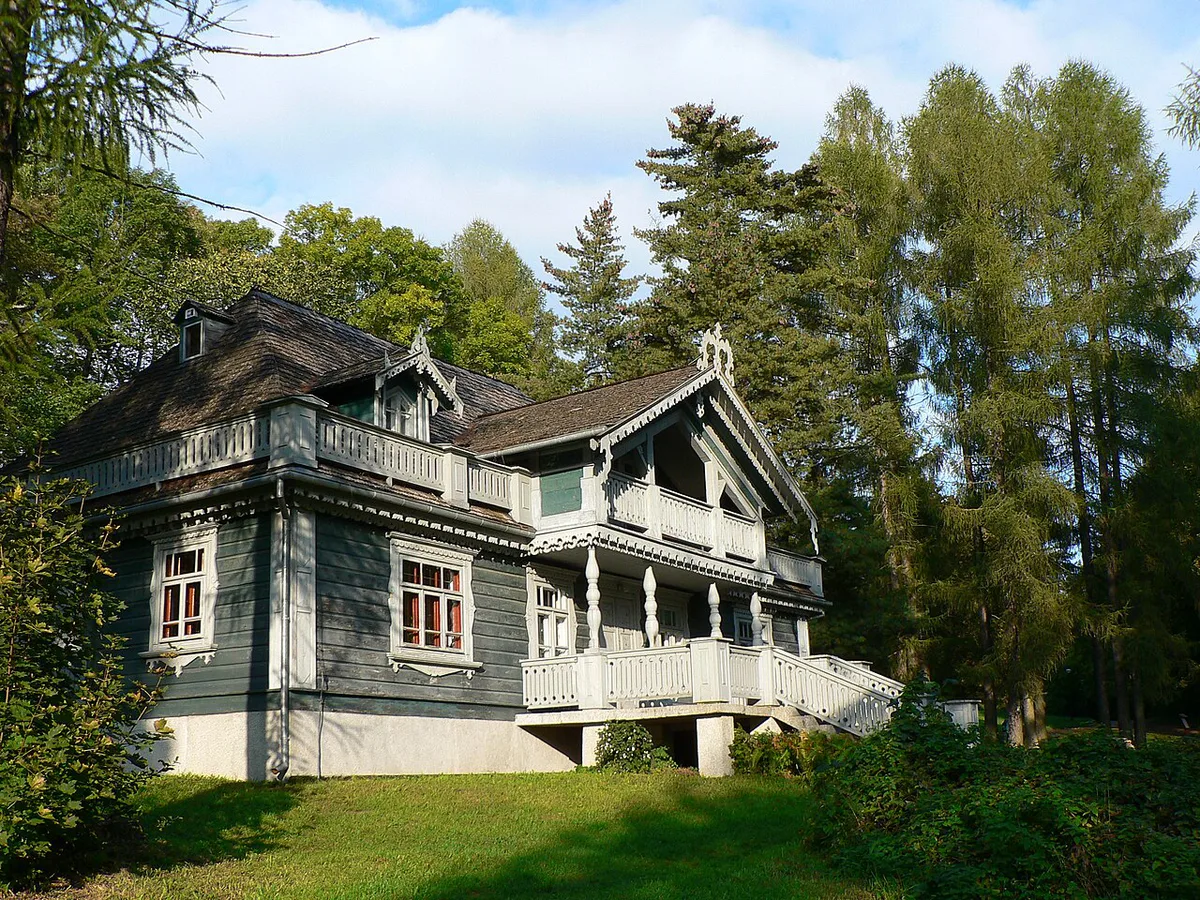
| Village | Quick stroll through Palace Park | Palace Park and slower exploring |
| Best for | Day-trippers and first looks | Photographers and bison seekers |
Best time to visit
Season matters more here than in most Polish parks. Spring brings flooded meadows and bright marsh-marigold. May is when ramsons bloom across the oak-hornbeam forest. Summer is leafy and warm, but insects and ticks are active. Autumn colours the oaks. Winter is quiet and snowy, and it counts as a distinct option rather than a fallback.
- Spring: floodwater, wildflowers, birdsong, and mud on lower tracks.
- Summer: long days and dawn walks, with more insects and ticks.
- Autumn: oak colour and fewer visitors.
- Winter: snow, silence, and limited access on some trails.
Where to stay and eat
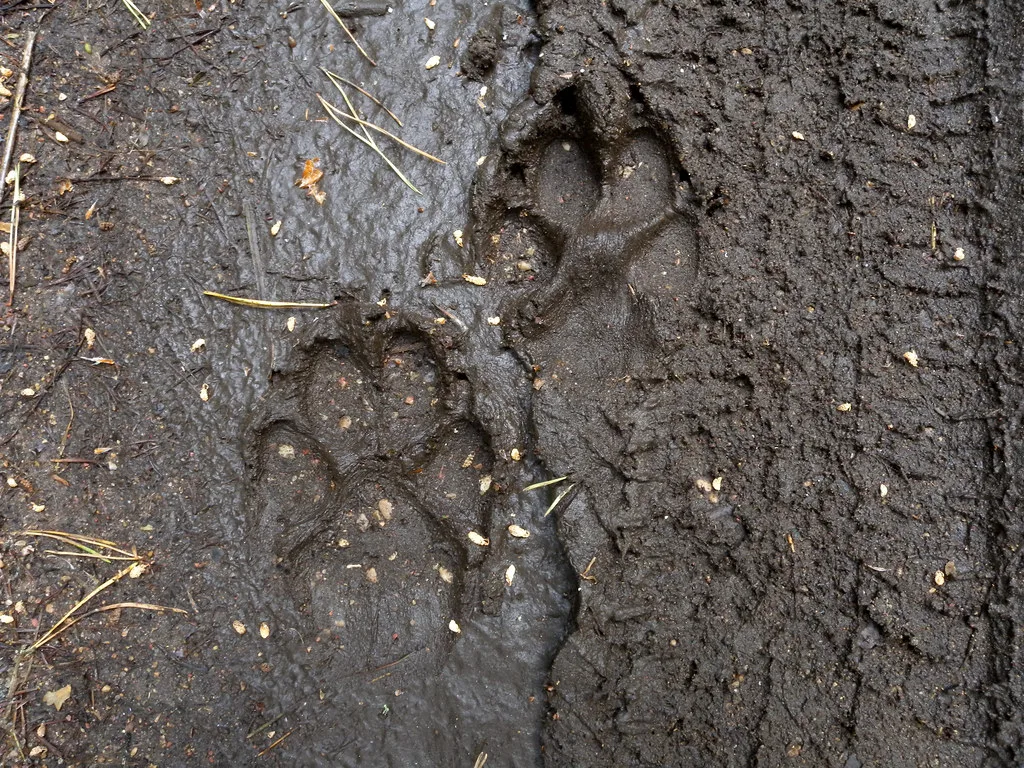
Białowieża village is the base for nearly every Polish-side visit. Hajnówka is the county town nearby. Book ahead if you want a dawn guided walk, since you will need to be at the meeting point early. Ask your host about regional Podlasie food rather than relying on a fixed restaurant list.
Practical tips and mistakes to avoid
Preparation shapes the trip more than gear. Pack waterproof boots, insect repellent and long layers. Examine your skin and clothing for ticks after every walk.
- Mistake: assuming free entry to the whole forest.
- Mistake: expecting guaranteed bison.
- Mistake: turning up without a booked guide.
- Mistake: ignoring the border.
- Mistake: underestimating mud, insects and ticks.
Border status and the logging debate
Part of the forest lies in Belarus, and border restrictions can change. Follow current Polish government and border-authority guidance before you plan any trip near the frontier. Visiting the Belarus side is not recommended here. Spruce die-off linked to bark beetles has also fuelled debate between logging and leaving dead wood. Protection levels differ between the national park and the wider forest, so what you see depends on the zone. The park authority's site explains its own position.
Nearby national parks and next trips
Northeast Poland pairs well with a second wild landscape. Biebrza's wetlands and birdlife are the closest comparison in the region. Short on time near Warsaw? Try a forest day near Warsaw. For another take on wild nature, Bieszczady's wilder south-east offers a different character. Poland's official tourism site gives general trip-planning basics.
Frequently Asked Questions
Can you visit Białowieża Forest?
Yes, from the Polish side, with Białowieża village as the base. Strictly protected zones need a guide, while open-forest trails can be walked independently.
How do you pronounce Białowieża Forest?
A rough English guide is "bya-wo-VYE-zha". Locals may stress the syllables slightly differently.
Notes for your next park visit
Optional updates to our national park guides.
Read next
Keep planning
Picked from the same area