
Kosterhavet National Park: Sweden's Marine Park Guide
Plan a visit to Kosterhavet National Park, Sweden's first marine park: how to reach it from Strömstad, what to do, when to go and what to check first.
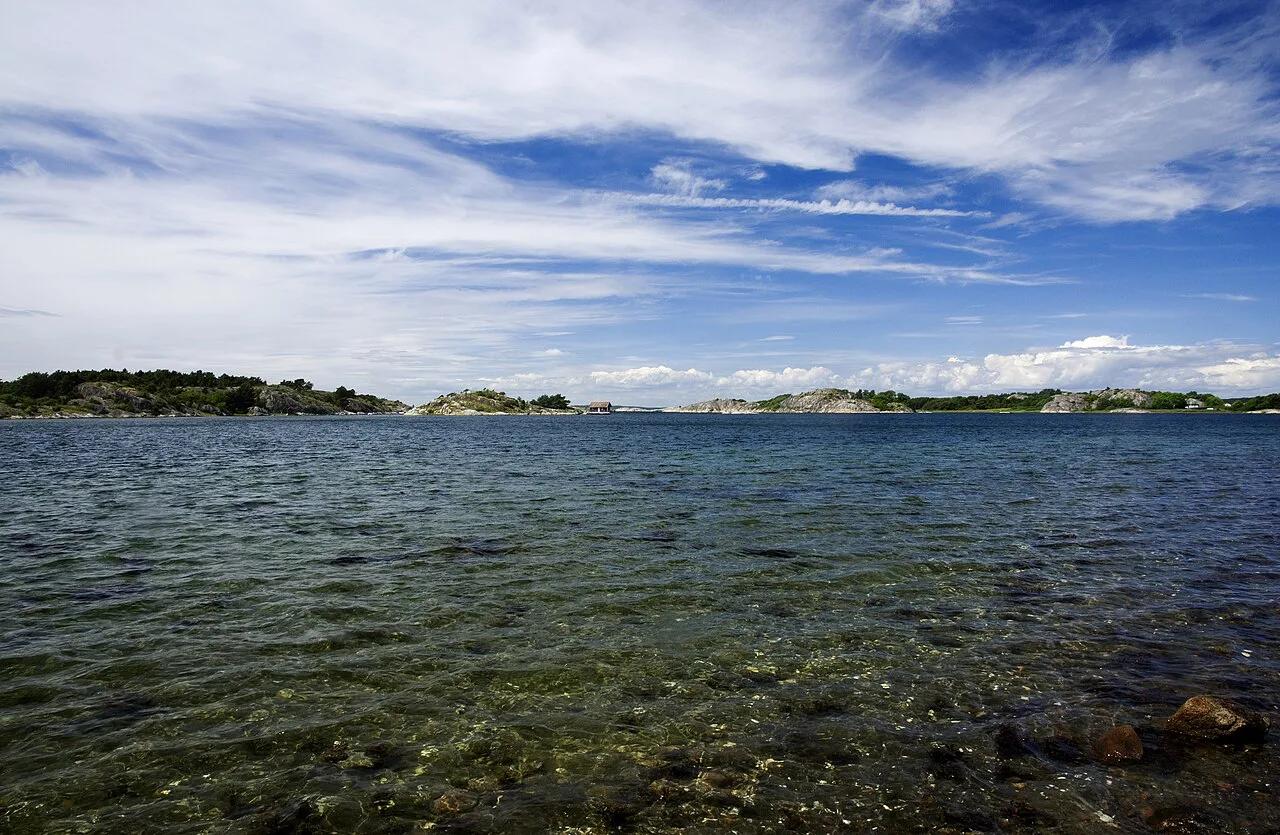
Last updated November 2026: Kosterhavet National Park is Sweden's first marine national park, opened in September 2009. It lies off the Bohuslän coast in Västra Götaland, near Strömstad, and protects the sea and shoreline around the Koster Islands. This guide covers access, activities, timing and the rules, and it shows where it differs from Sweden's mountain and forest parks listed in our national parks overview.
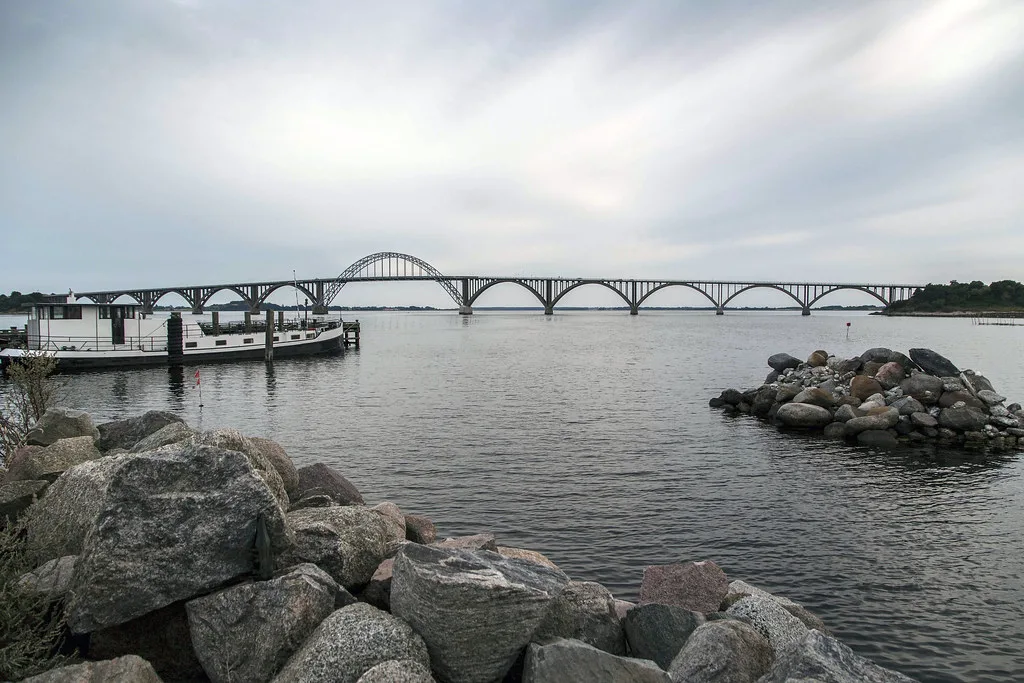
Featured image: Petr Vodička, CC BY-SA 4.0, via Wikimedia Commons.
Kosterhavet national park at a glance
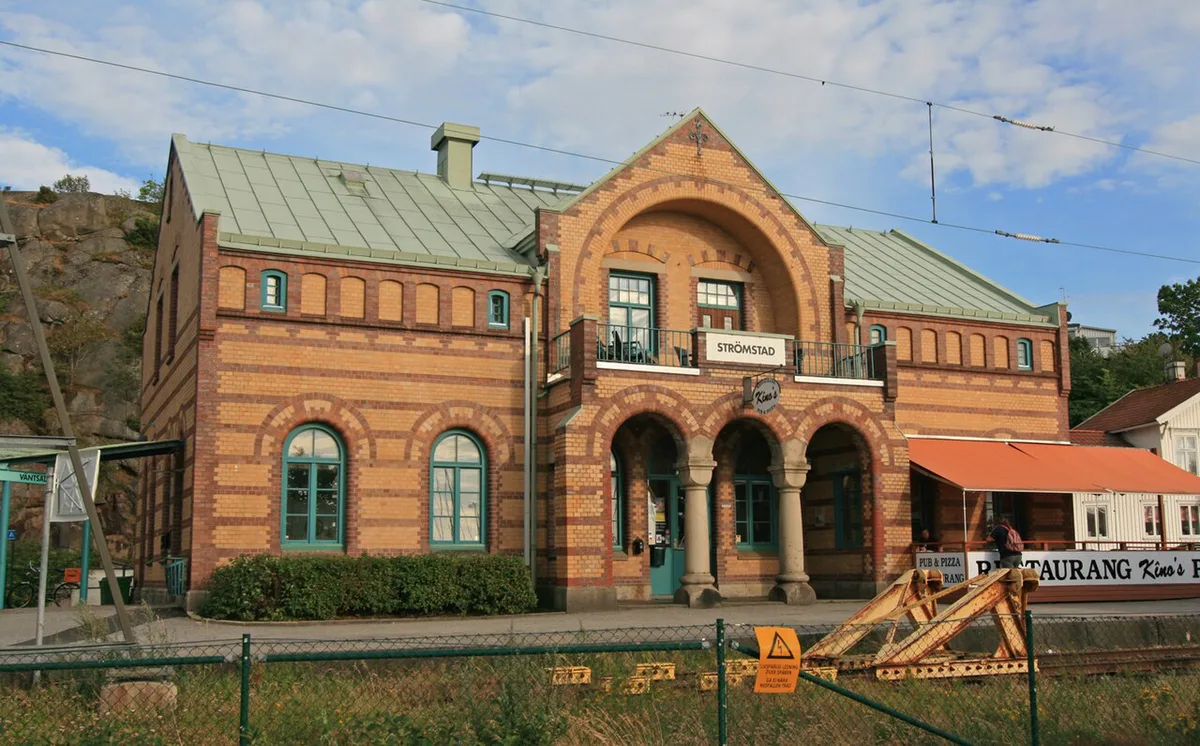
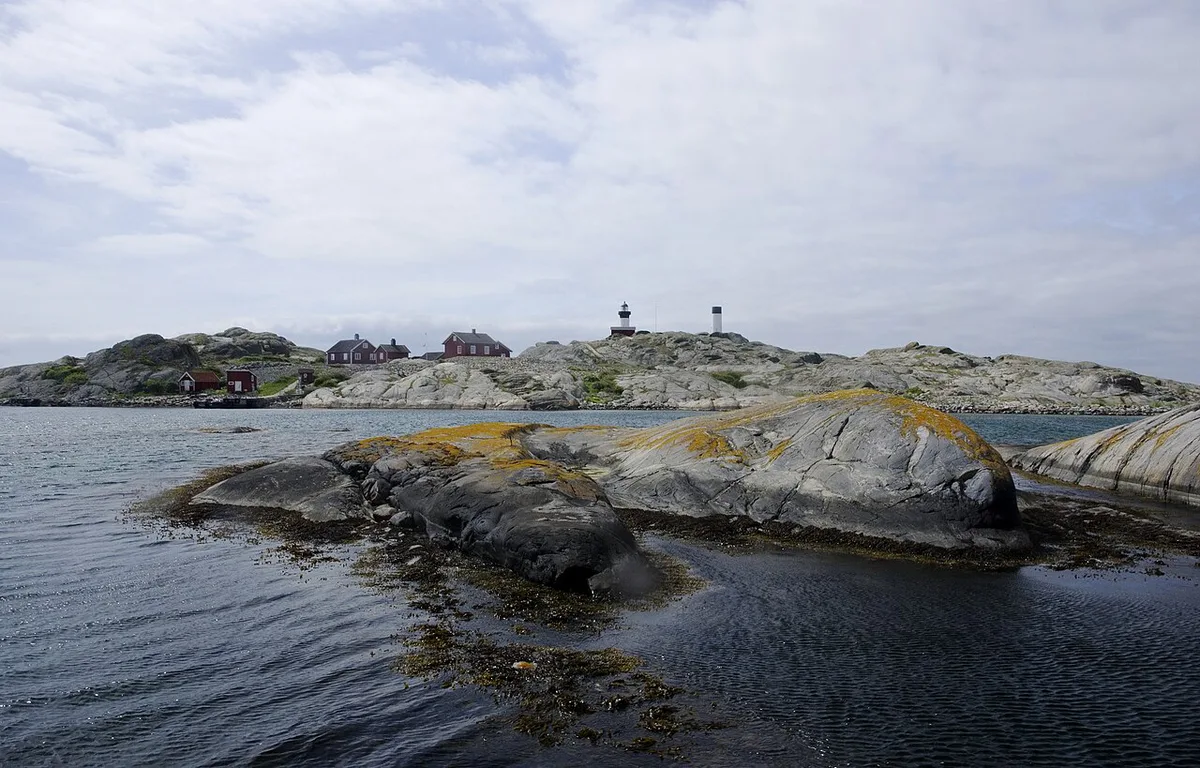
Kosterhavet suits visitors who want sea, seabirds and island walking rather than trailheads and ranger huts. The park covers the marine area and coast around the Koster Islands but excludes the islands themselves. That detail matters for planning, because you reach the park by water and spend your land time on islands that sit just outside its boundary. Strömstad is the nearest town. Allow at least one full day, and plan an overnight if you want slack for weather.
| Fact | Detail |
|---|---|
| Status | Sweden's first marine national park |
| Opened | September 2009 |
| Region | Bohuslän, Västra Götaland County |
| Municipalities | Strömstad and Tanum |
| Nearest town | Strömstad |
| Protected area | Sea and shoreline around the Koster Islands, excluding the islands |
| Northern neighbour | Norway's Ytre Hvaler marine park |
How to get to Kosterhavet
Start in Strömstad. From there, the Koster Line ferry runs to the Koster Islands, which is the standard way into the park. You will be on foot or on a bike once you land, so pack light. Timetables and fares change by season, so read the current schedule on the operator's site and the visitor pages on the official Kosterhavet site before fixing your plans. Look at the last return departure of the day first. Planning around that single sailing is the most useful habit on this trip.
What makes this marine park unusual
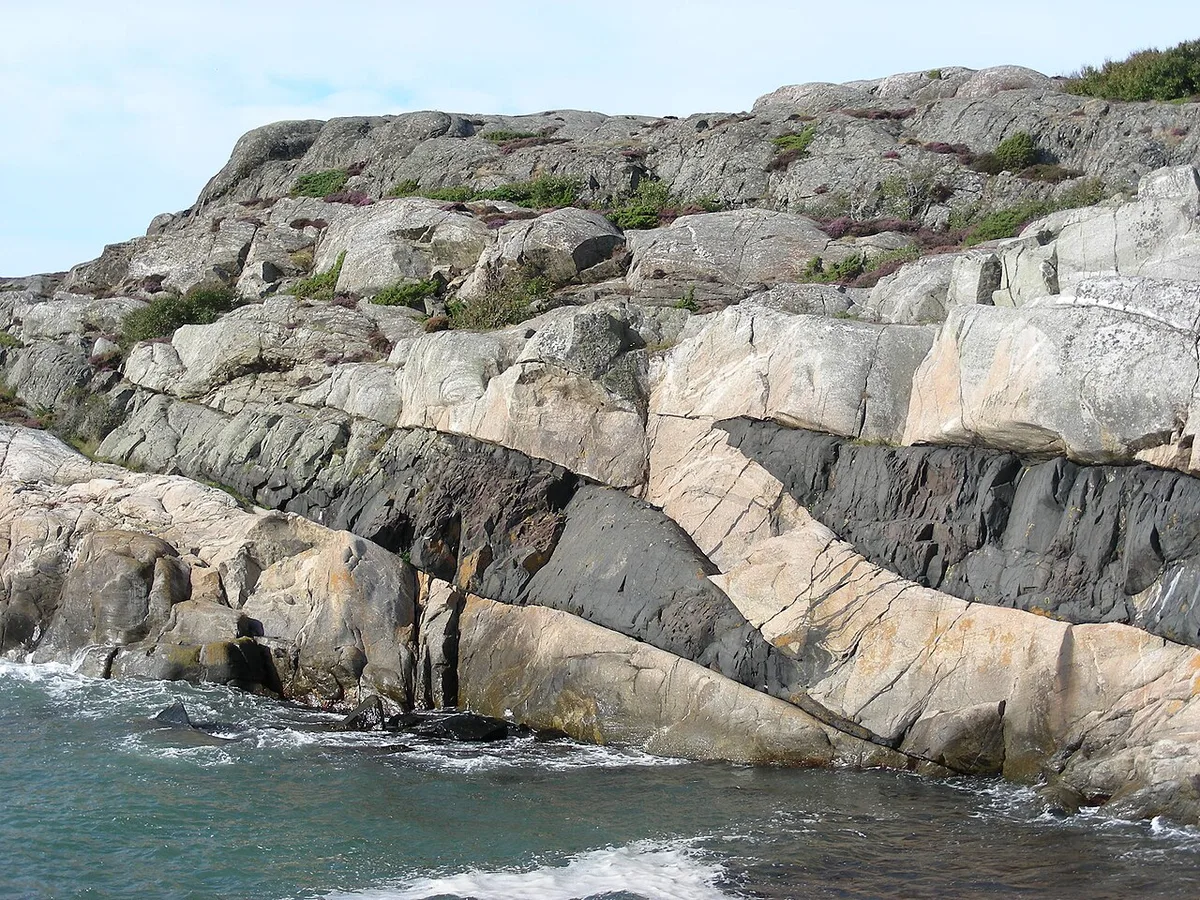
Kosterhavet protects more than 6,000 marine species, and about 200 of them are reported to be found nowhere else in Sweden. Kosterfjord reaches about 200 m deep. Its water is cold, around 5–7 °C, and highly saline, and Atlantic currents bring sponges and other deep-water life. Arctic terns and skuas breed here, and seals are present. Flatfish, cod and sea trout spawn in the shallows. Commercial fishing is allowed under conditions, and northern prawn and Norwegian lobster are important catches. Nothing here resembles an alpine park. Most of what makes it special sits underwater, so boat trips and shoreline walks are how you see it.
Things to do in Kosterhavet
Match the activity to your energy and the day's weather. Each option below carries a best-for note and a skip-if note.
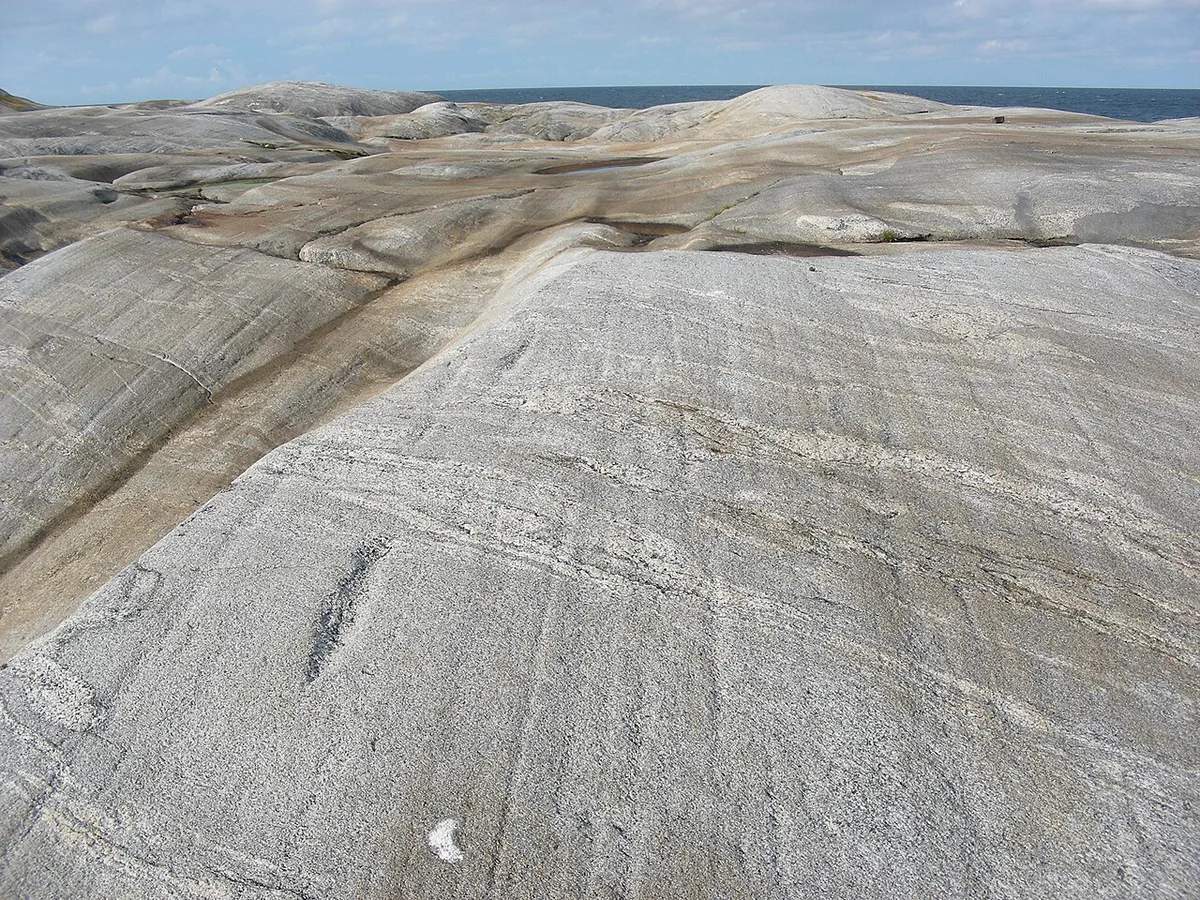
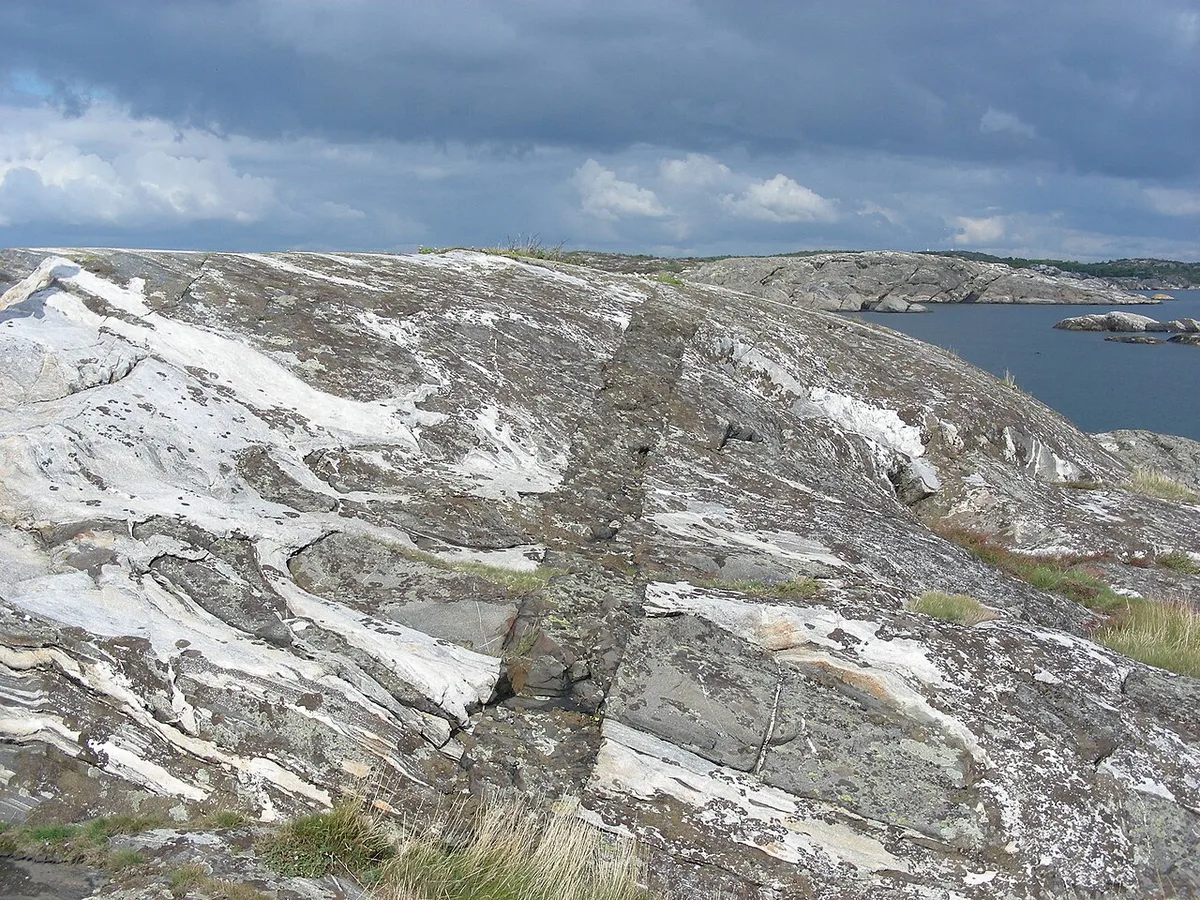
- Walking and cycling on the islands: best for easy, flexible days with sea views. Skip if you need a marked wilderness trail.
- Kayaking or a guided boat trip: best for reaching the seabird and seal areas from the water. Skip if wind is forecast, because open water gets rough fast.
- Seal and wildlife watching: best for patient visitors with binoculars. Seals can be seen, but sightings are never guaranteed.
- Snorkelling or diving: best for experienced water users who have read the park's current rules first. Skip if you have not confirmed those rules.
- Shoreline-only day: best for a short visit from Strömstad. Skip if you want to cover several islands.
How long to stay and when to go
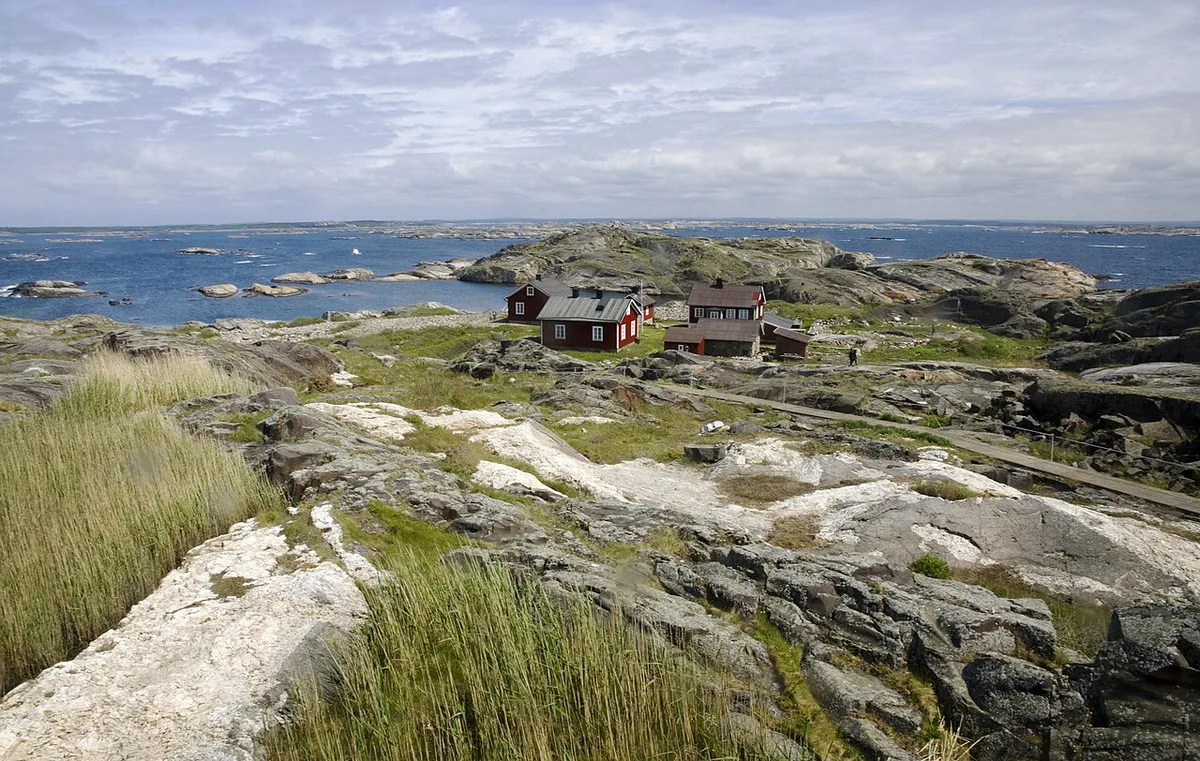
A day trip works if the weather is settled and you accept one return sailing as your deadline. An overnight gives you slack and lets you use quiet early and late hours. Sea conditions drive everything here. Check the marine forecast from SMHI the evening before and again at breakfast. Wind matters more than temperature for kayaks and small boats. Water stays cold year-round, at roughly 5–7 °C in the deep fjord, so dress for the sea rather than the beach.
| Option | Effort | Weather risk | Best for |
|---|---|---|---|
| Day trip from Strömstad | Low | Moderate: one return sailing | First visit, walkers, cyclists |
| Overnight on Koster | Low to medium | Lower: you can wait out a bad day | Wildlife watchers, photographers |
| Kayak or boat-led trip | Medium to high | High: wind and swell | Confident paddlers, guided groups |
Costs and booking
Your main costs are the ferry, any rentals and any guided trip. Entry to the park waters is not something you pay at a gate, since you arrive by boat. Any fee that applies is listed on the official park page. Quote no fare you have not read on the operator's own page, because fares change by season. Compare options by trade-off instead. The scheduled ferry is the cheapest and least flexible route. A private or guided boat costs more but lets you set your own timing and reach quieter water. Guided kayak trips and rentals usually need advance booking in summer.
Where to stay and get around
You have two bases. Koster puts you on the islands for early and late light, with no need to catch a return ferry. Strömstad on the mainland gives more choice of shops, restaurants and rooms, but ties you to the ferry timetable. Once on the islands, you get around on foot or by bike. Expect little or no car use, so arrive with a small bag. Book rooms early for summer weekends. The island operators can tell you about bike rental and any car-free rules before you travel.
Rules, mistakes and who should skip
Fishing, boating, diving and wildlife rules apply inside the park, and seal and bird areas can carry seasonal limits. Read them on the park's official pages before you launch a kayak or boat. Keep your distance from seals and nesting birds, and take all waste home.
Pair the marine forecast check with cold water: at roughly 5–7 °C in the deep fjord, wind is the bigger risk for kayaks.
- Mistake: expecting a trailhead and ranger hut like those in the northern mountain parks.
- Mistake: assuming the islands are inside the park boundary.
- Mistake: relying on one return ferry without a backup plan.
- Mistake: skipping the marine forecast before you paddle.
Other Swedish parks to compare
Skip Kosterhavet if you want remote hiking or Arctic scenery. For mountains, try Abisko in the north. For serious wilderness, look at Sarek's roadless terrain or Padjelanta's open plateau. For a coastal contrast, Skuleskogen on the High Coast pairs forest with sea views. Forest and farmland options include Tyresta's old-growth forest and Söderåsen's ravines. See our ranking of Sweden's best parks for the full comparison.
Notes for your next park visit
Optional updates to our national park guides.
Read next

Keep planning
Picked from the same area