Killarney National Park Wildlife: What to See and Where
What wildlife can you see in Killarney National Park, where to look, the best seasons and times, and how to watch responsibly.
Last updated November 2026: Killarney National Park wildlife is led by the native red deer herd, which the National Parks and Wildlife Service describes as the only remaining native herd in Ireland. The Kerry slug and the park's oak and yew woodland add rarer interest. Start with our Killarney National Park guide for orientation, then use this page to decide where to look.
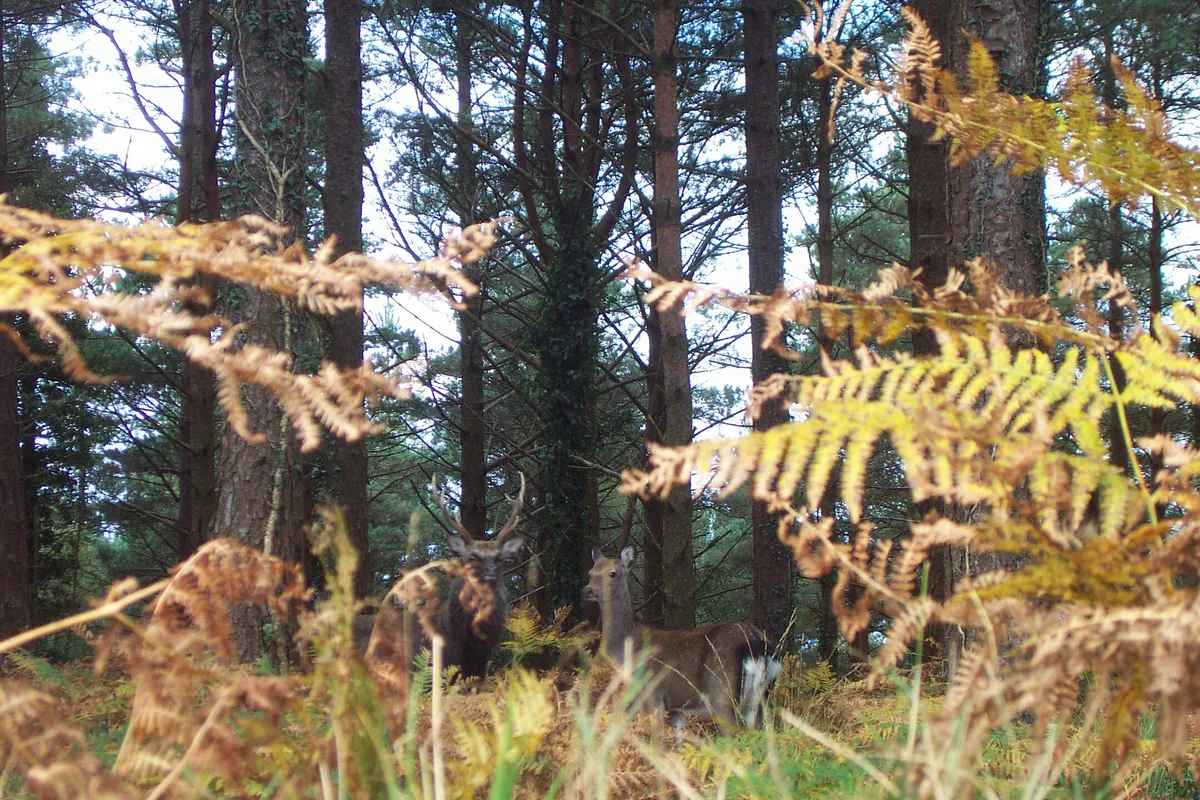
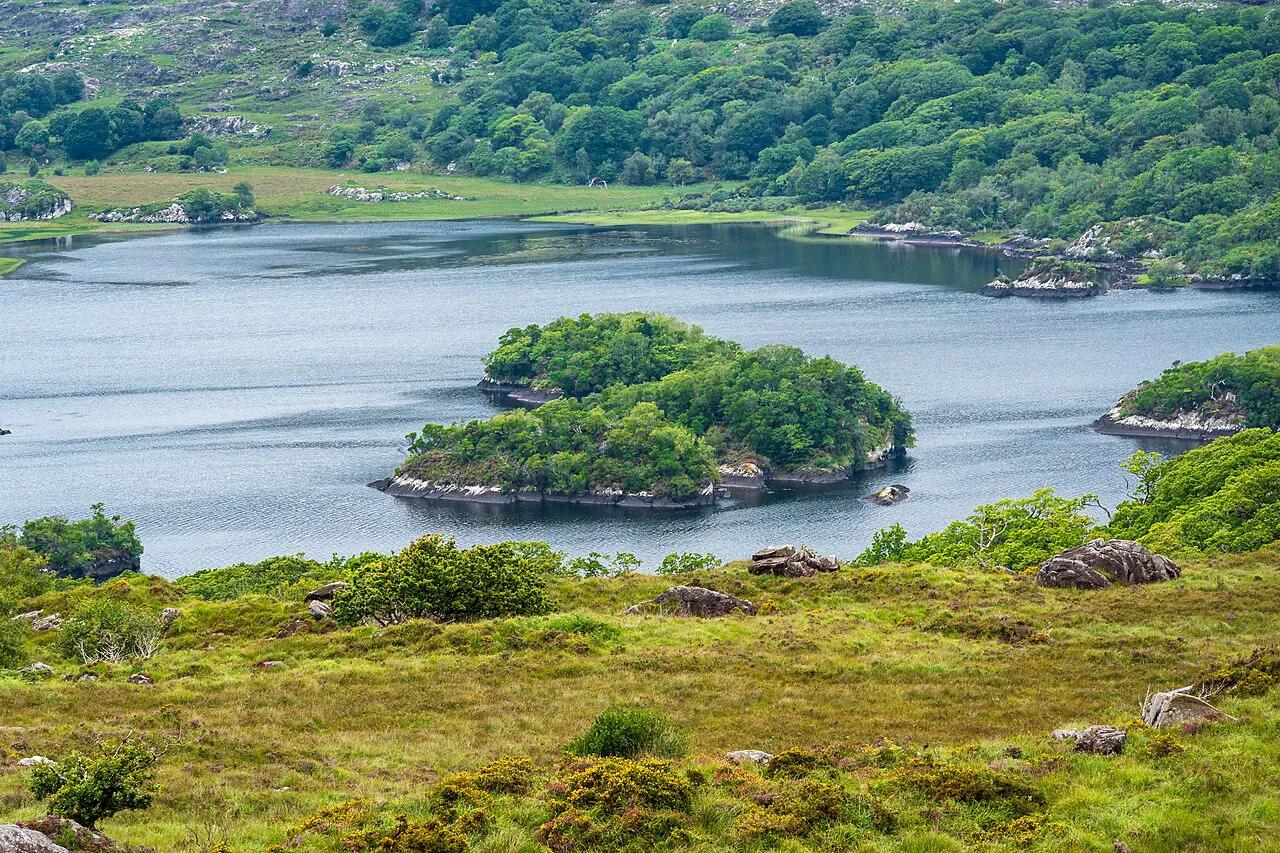
Featured image: 瑞丽江的河水, CC BY-SA 4.0, via Wikimedia Commons.
Wildlife you can realistically see in Killarney National Park
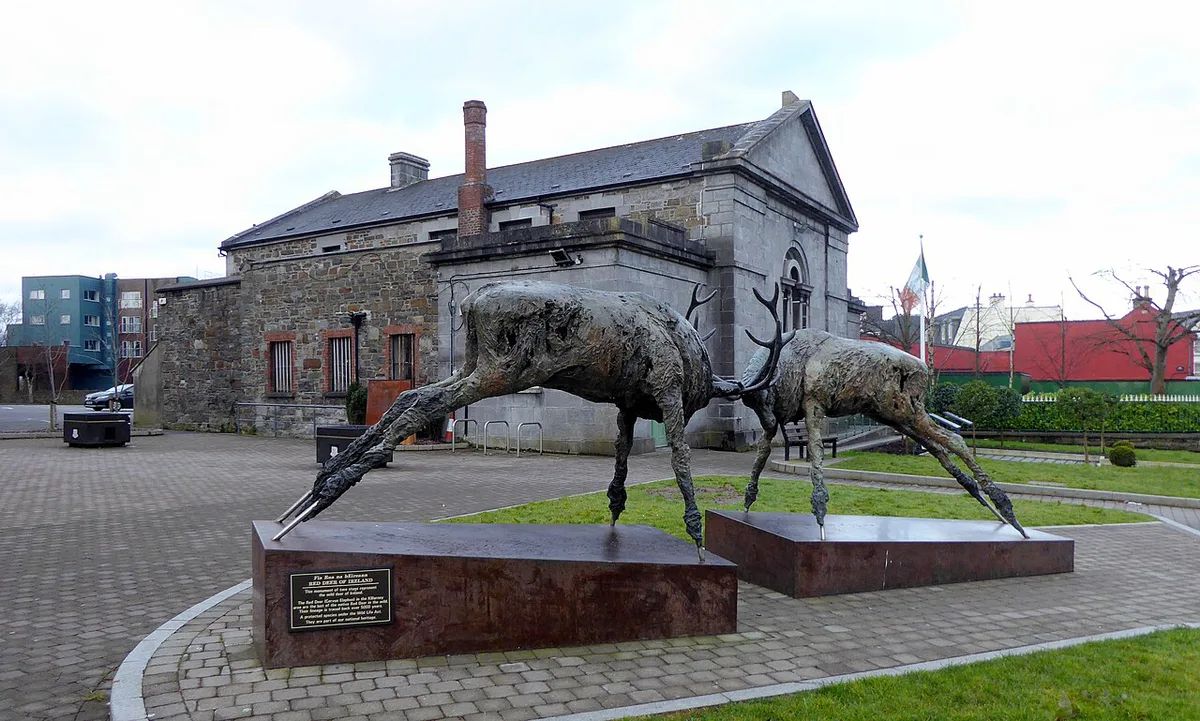
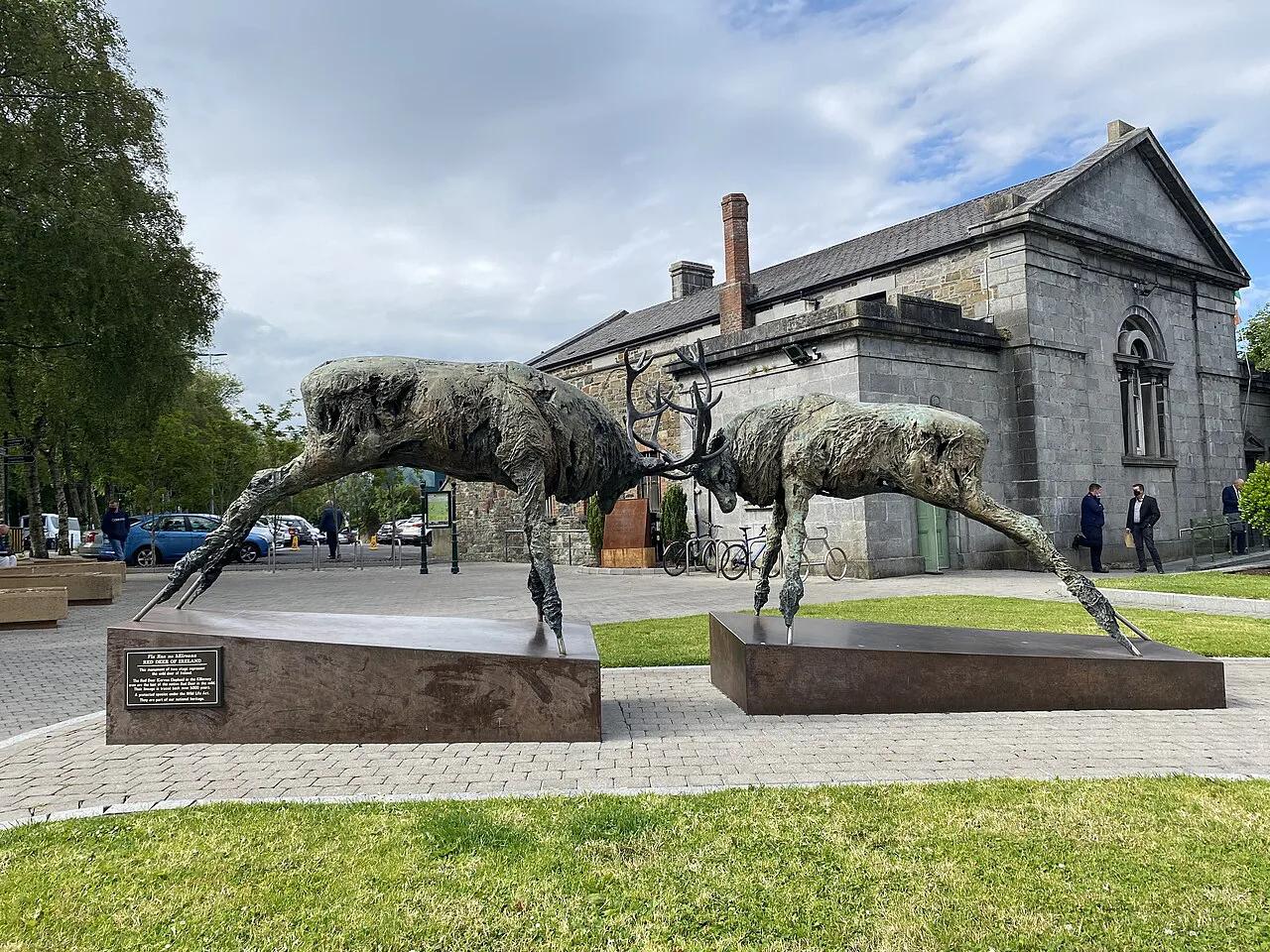
Red deer are the headline animal. The park's herd descends from the original Irish red deer, and the park authority treats it as a defining feature of the place. Deer are wild, so sightings depend on light, weather and how quietly you move. Woodland is the other draw. Oak and yew stands shelter the smaller animals, plants and fungi that most visitors walk past without noticing.
- Red deer: the native herd, and the species most visitors hope for.
- Kerry slug: a rare woodland species that most casual walkers will not spot.
- Oak and yew woodland: the habitat that supports much of the park's smaller wildlife.
- Lakes and shoreline: open water edges where you can scan for birds and deer at distance.
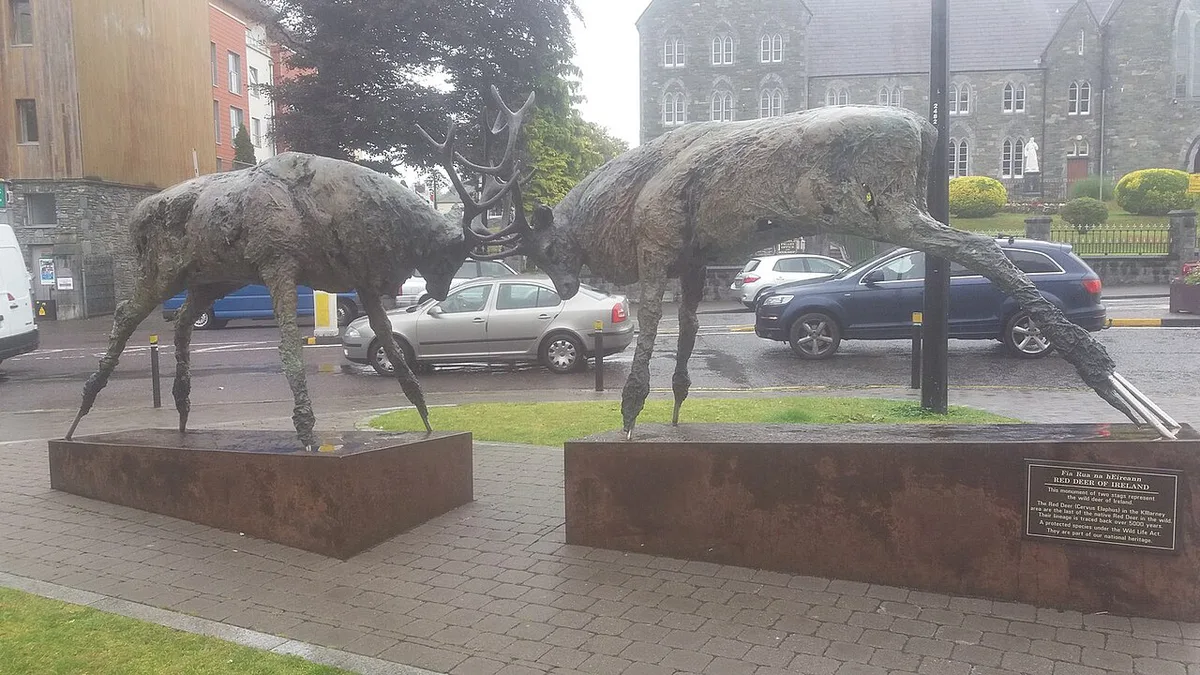
Species and where to look
Match each species to a habitat before you set out. Deer favour quiet ground where woodland meets open space. Slugs and other small woodland animals live low and damp, so you need slow walking, not speed. Treat the table as a planning aid, not a promise of sightings.
| Species or habitat | Where to look | Best time | Effort and odds |
|---|---|---|---|
| Red deer | Woodland edges and open ground away from busy paths | Early morning and evening; autumn for the rut | Needs patience; sightings are never guaranteed |
| Kerry slug | Damp woodland floor and shaded, mossy ground | Mild, wet spells | Low odds on a casual walk; leave it to enthusiasts |
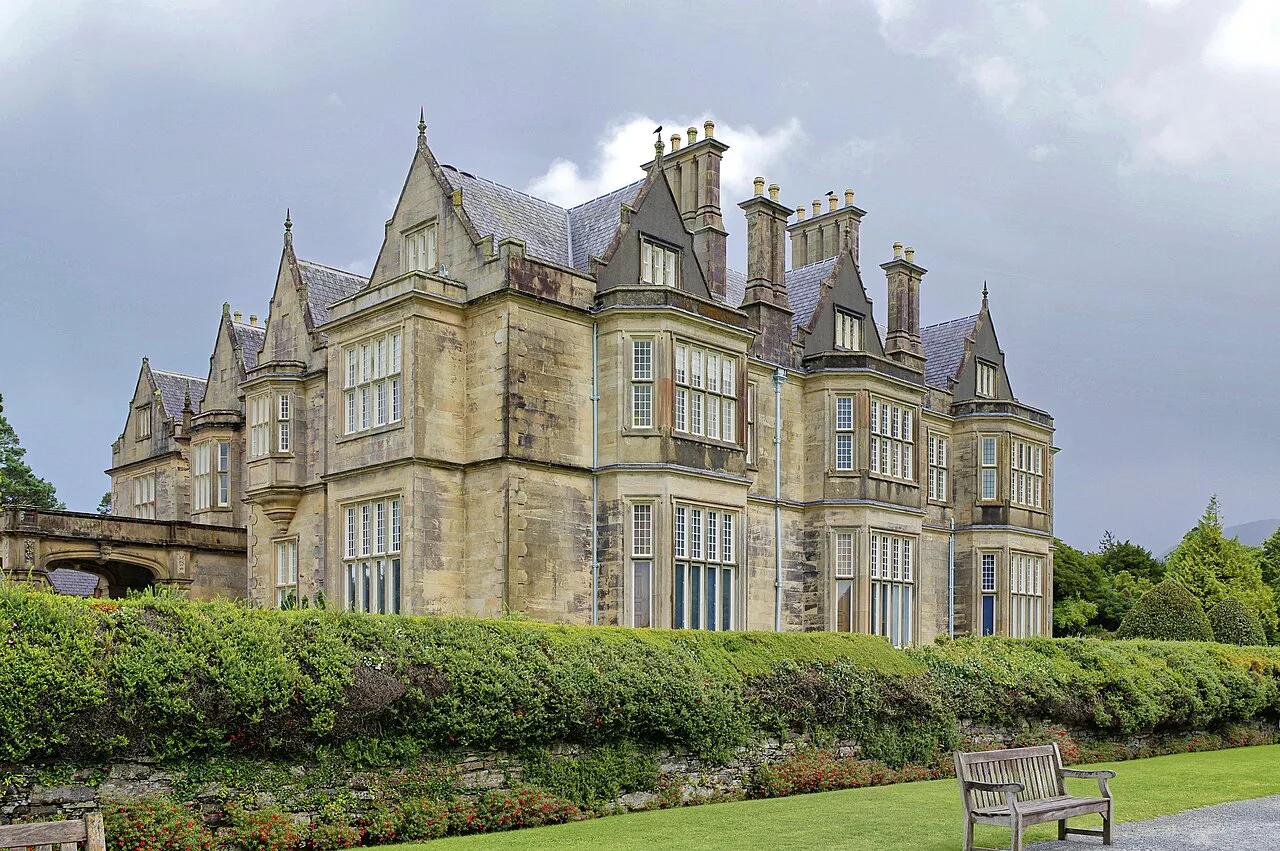
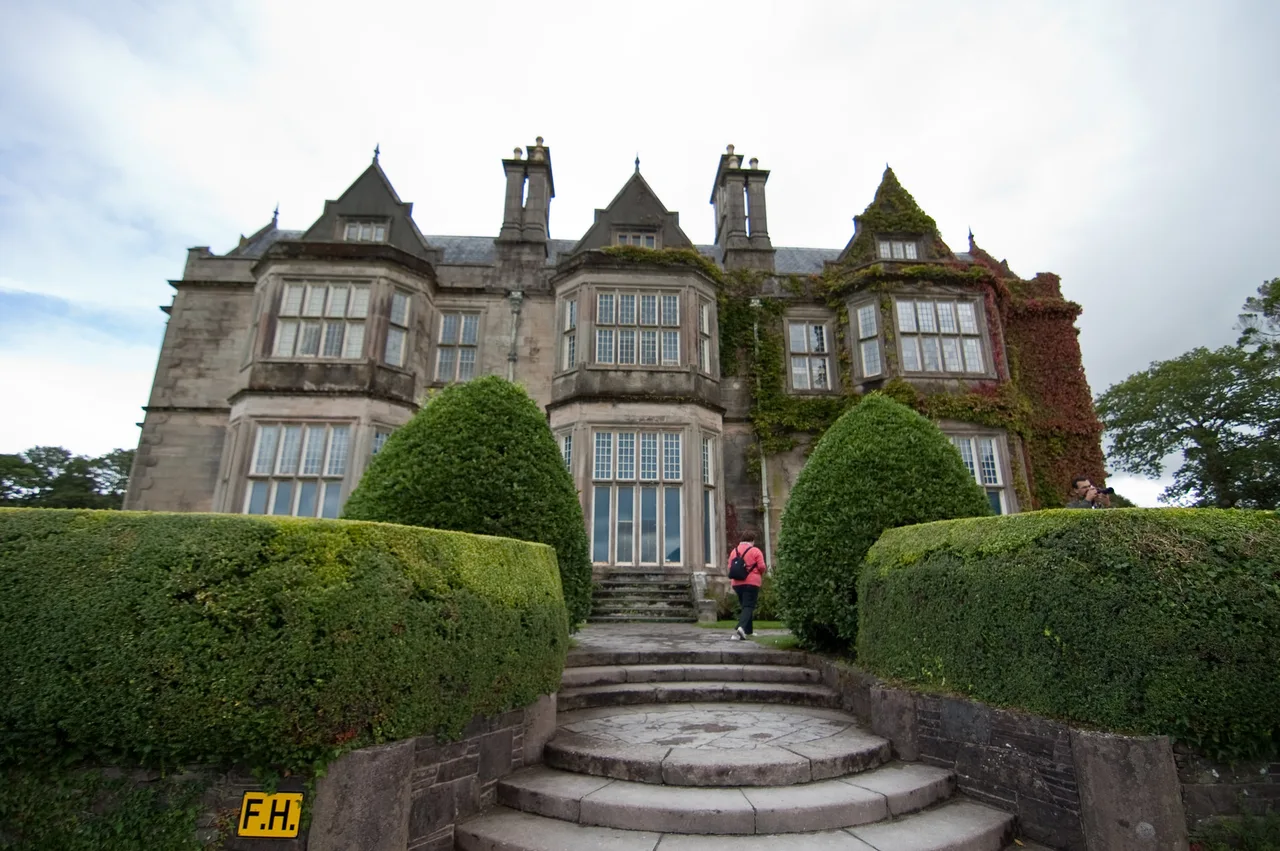
| Oak and yew woodland | Trails around Muckross Abbey, Killarney: Visiting Guide & Tips, where old yews are part of the setting | Year-round; autumn colour is strongest | Easy; flat, short walks suit most visitors |
| Waterfall valley woodland | Paths near Torc Waterfall, Killarney: Walk, Parking & Tips | Early, before day-trippers arrive | Short walk; noisy and busy at midday |
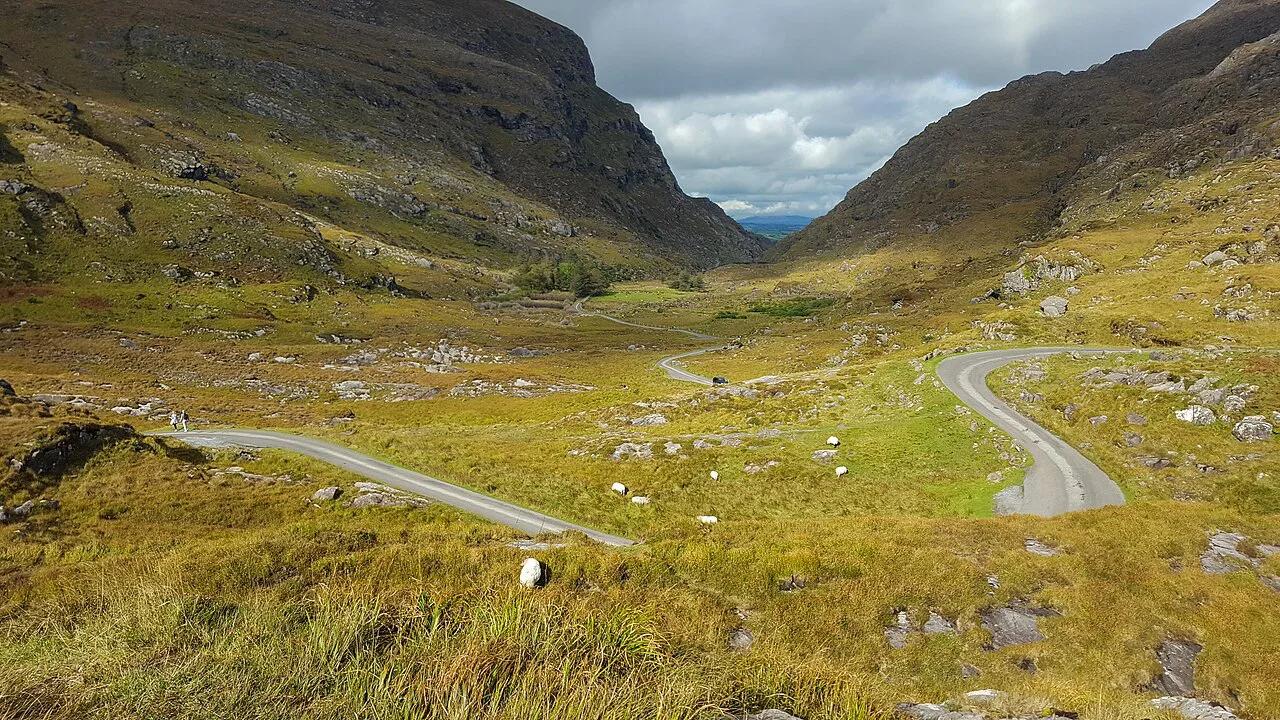
| Upland and open slopes | Higher ground on Torc Mountain Walk: Route, Time, Views & Tips (Killarney) | Clear days | Harder climb; best for views and open-ground scanning |
Best spots and routes for wildlife
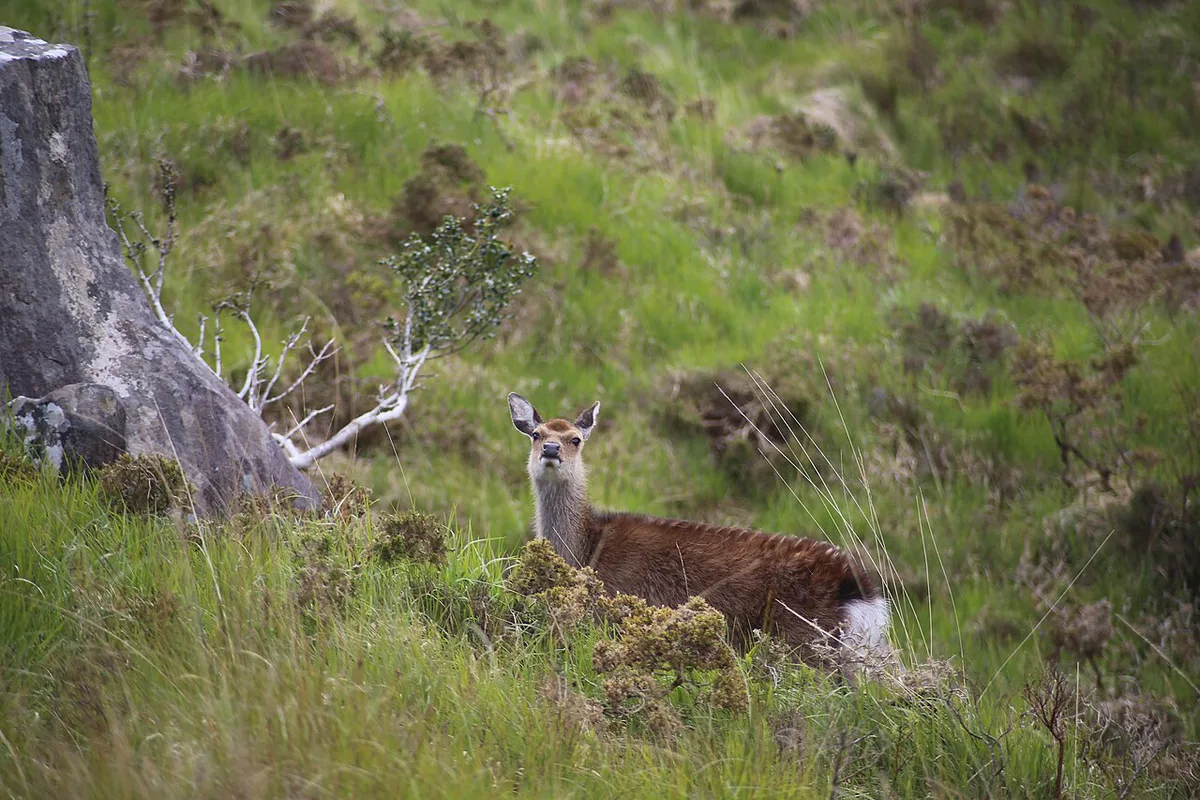
Your choice of route changes what you see more than the species list does. Slow, quiet options give deer room to appear. Fast or noisy ones rarely do. Our park map helps you pick a start point before you leave your hotel.
| Option | Effort | Suits | Wildlife trade-off |
|---|---|---|---|
| Walking quietly on woodland trails | Low to moderate | Most visitors, first-timers | Best chance of close, natural encounters |
| Cycling | Moderate | Confident riders | Covers ground but can startle animals |
| Jaunting car | Low | Families, limited mobility | Easy access to scenery; horses and chatter limit sightings |
| Boat, including Ross Castle lake tours | Low | Anyone who prefers sitting | Good for shoreline and bird scanning; check what each route covers |
| Guided tour | Low | First-timers, small groups | A guide knows current deer movements |
Best time of year and day for wildlife
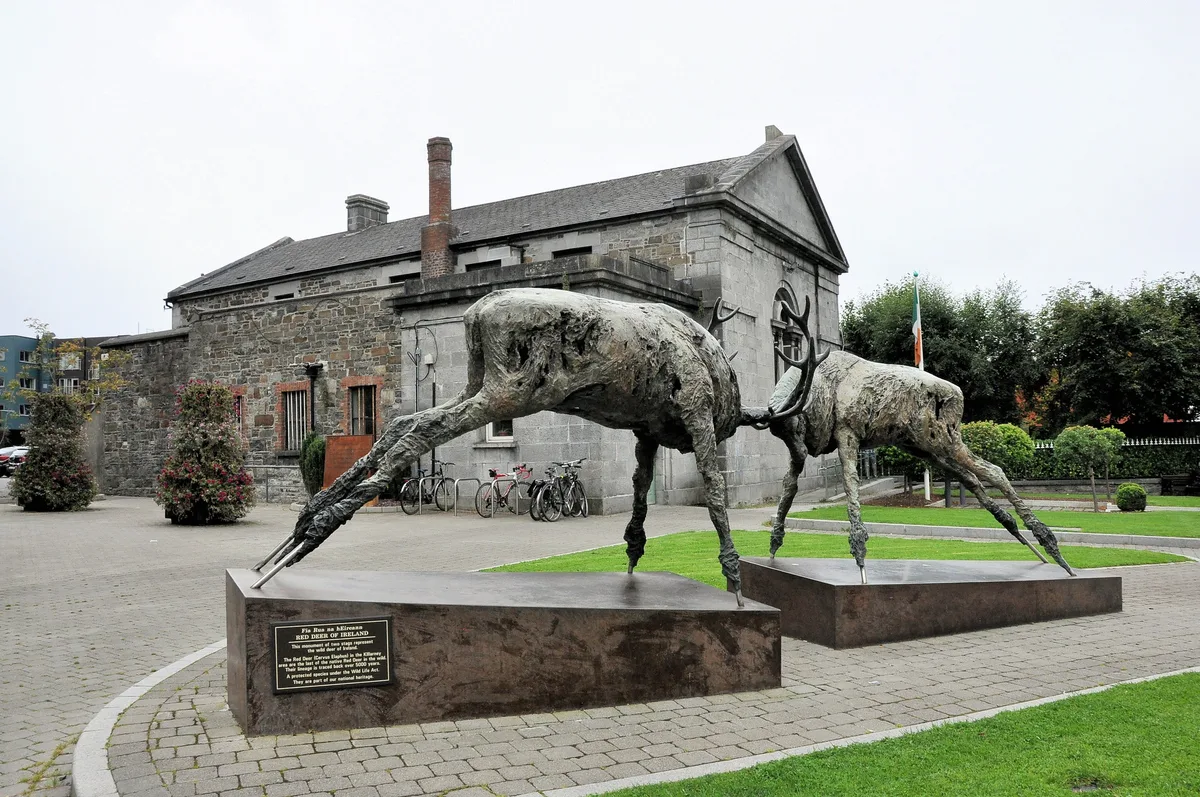
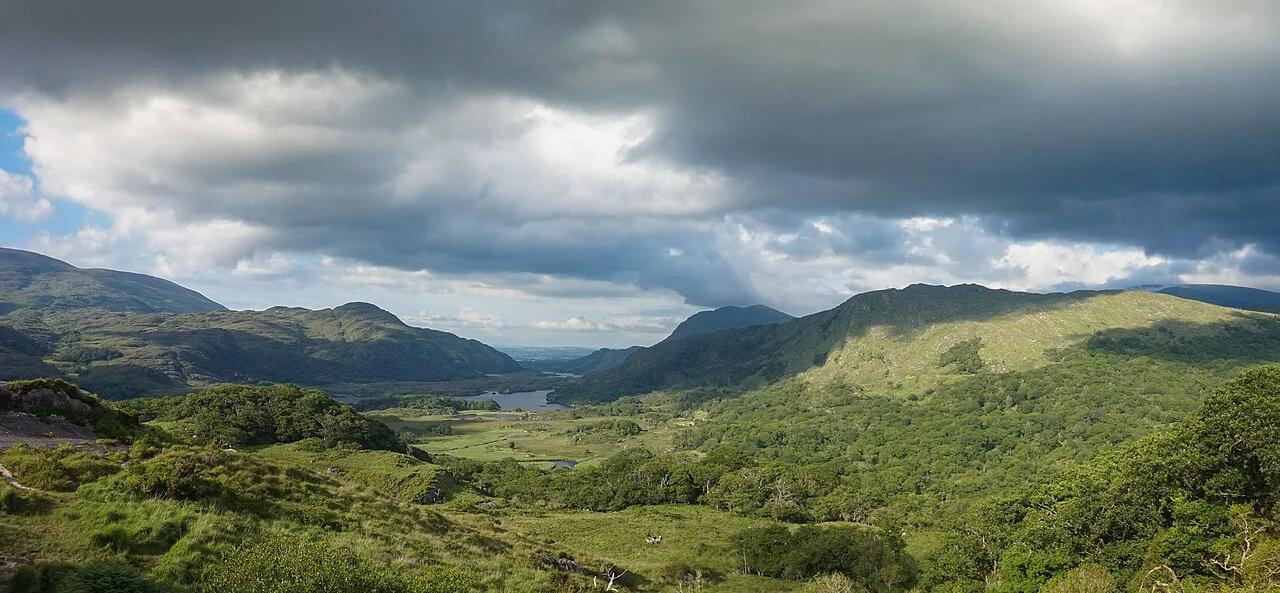
Dawn and dusk give the best odds because deer move out of cover when paths are empty. Midday brings the most visitors and the fewest animals. Autumn is the season of the red deer rut, when stags are more vocal and more unpredictable. Keep well back in that season. Winter strips the trees and makes animals easier to spot, though daylight is short. Summer foliage hides wildlife, so skip the busiest viewpoints such as Ladies View, Killarney: How to Visit, Parking & Best Time if sightings matter more than scenery. For a quieter alternative, try the route to Dinis Cottage, Killarney National Park: Access, Walks & Tips.
Watching wildlife responsibly
Park rules exist to protect animals and visitors, and the park authority is the place to confirm the current ones. Deer can be dangerous during the rut. Stay back, stay quiet and let animals choose whether to approach.
- Keep a long distance from deer and never try to touch or corner them.
- Do not feed any animal; human food harms wild deer.
- Keep dogs under control and away from wildlife; follow park signage.
- Stay on paths so woodland plants and nesting ground are not trampled.
- Speak softly and avoid sudden movement; noise sends animals out of view.
- Do not chase a photograph. Zoom in rather than step closer.
Practical planning for a wildlife visit
Ask staff at the visitor centre where deer were seen recently, because that advice changes with the season. Early starts matter, so staying nearby helps; see hotels inside and around the park. Wear waterproof footwear, since woodland trails are often wet. Phone signal can be patchy in valleys, so download your route first. If you plan a paid activity, check ticket and entry details for what applies. On a wet or crowded day, switch to a short woodland loop or a boat trip. Our full list of things to do and the island visit at Innisfallen Island, Killarney: Boat Trips, History & Tips give you backup plans.
Frequently Asked Questions
What animals live in Killarney National Park?
The native red deer herd is the best known. The park authority also highlights the Kerry slug and the oak and yew woodland that shelters smaller wildlife. Sightings vary by season and time of day.
Are there moose in Killarney Provincial Park?
Killarney Provincial Park is a different park in Ontario, Canada. Killarney National Park in County Kerry, Ireland, is known for red deer, not moose.
Notes for your next park visit
Optional updates to our national park guides.
Read next
Keep planning
Picked from the same area