
Muckross Abbey, Killarney: Visiting Guide & Tips
Planning Muckross Abbey in Killarney National Park? Get access, cost, how to get there, how long to stay and what to pair it with.
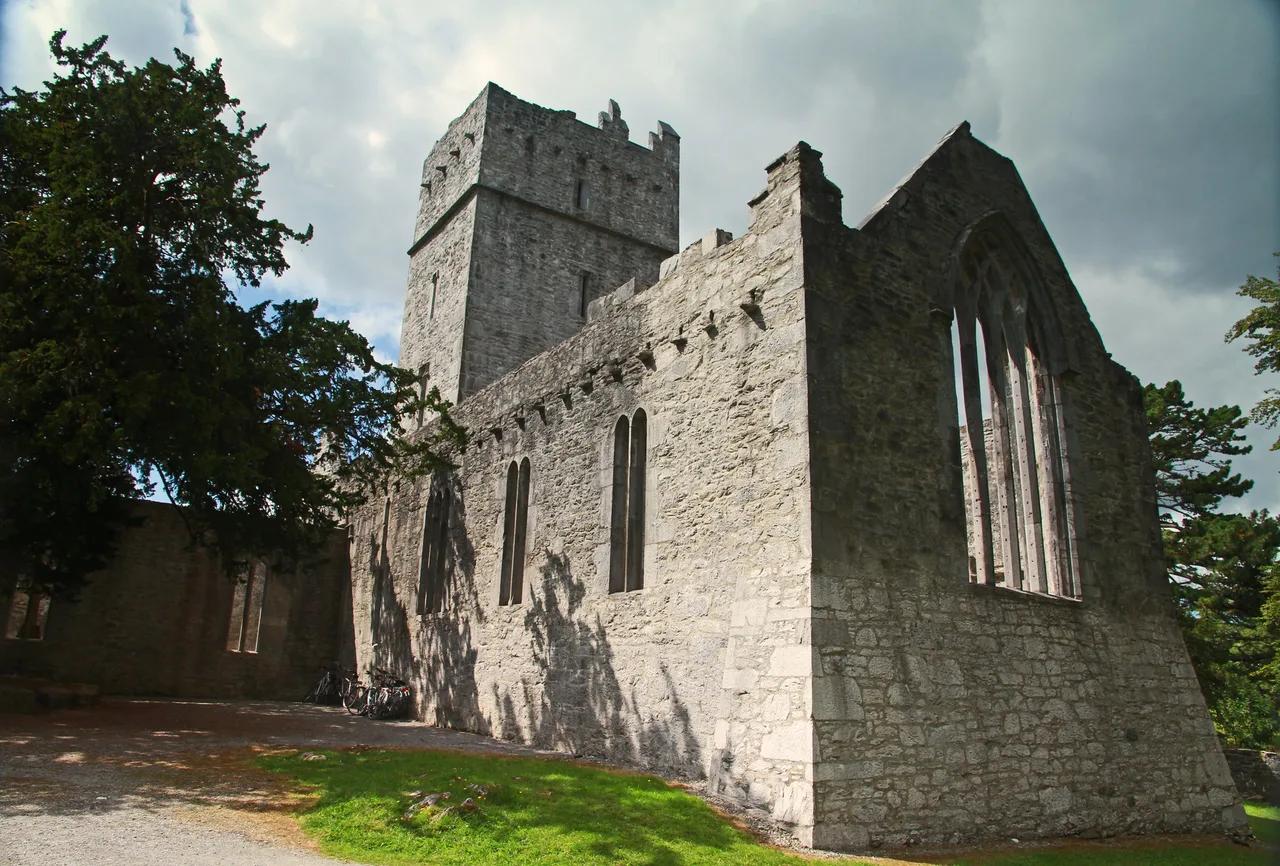
Last updated November 2026: muckross abbey is a ruined 15th-century Franciscan friary on the Muckross Estate in Killarney National Park, near Muckross House. It is also called Muckross Friary. Plan on a 30 to 60 minute stop, and read on for access, getting there and what to pair it with inside 8 Best Things to Do in Killarney National Park.
Featured image: brianfagan, CC BY 2.0, via Flickr.
Muckross Abbey at a Glance
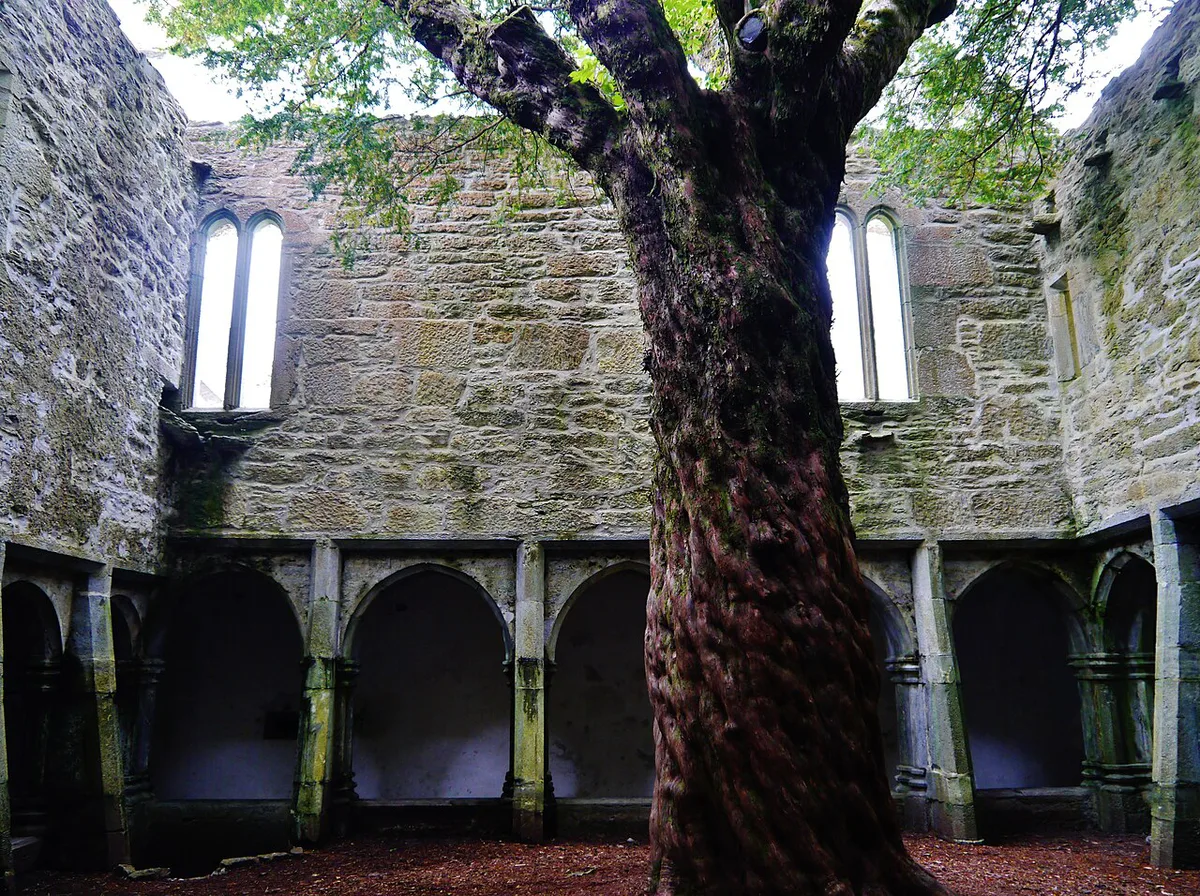
Muckross Abbey is a roofless friary ruin with a cloister and a large yew tree at its centre. Allow 30 to 60 minutes. It is a short stop rather than a full-day plan, so build your day around the neighbouring sights.
- What it is: a Franciscan friary dating to the 15th century.
- Where: on the Muckross Estate, inside Killarney National Park.
- Visit time: roughly 30 to 60 minutes.
- Best for: history, photography and a quiet pause between bigger stops.
- Not for: visitors wanting interior exhibits, since it is an open ruin.
History in Brief: Muckross Friary and the Yew
Franciscan friars founded the friary in the mid-15th century. Sources date it variously to 1448 or 1488, and the patron is usually given as a McCarthy Mór chieftain. Check the National Parks and Wildlife Service page for 8 Best Things to Do in Killarney National Park if you need an exact date. The friars left a cloister court with arched walkways around a central yew. That tree is the best-known feature of the site, and its age is often quoted but not firmly established. Stories of ghosts here are folklore, so treat them as local colour rather than fact.
How to Get to Muckross Abbey
Most visitors start at Muckross House, which has its own car park and visitor information at Muckross House, Gardens and Traditional Farms. From there, a signed path leads on foot to the ruins. Park once and walk, because spaces fill in summer.
Cycling is the other easy option. A jaunting car is a slower, more traditional way to travel the estate, and you can read about it in our Killarney jaunting car guide. Our park map shows the roads and paths around the estate. If you are new to the area, the visitor centre is the place to ask about current routes.
Walking from Muckross House to the Abbey
The walk from Muckross House is short and flat enough for most visitors. Expect roughly 15 to 25 minutes each way at an easy pace. Distances vary with the path you pick, so treat that as a guide and not a measured figure.
- Park at Muckross House and leave the car there. Parking at the abbey end is limited, so one base for the whole visit is simpler.
- Follow the signed path from the house towards the lake and the ruins. Estate signs mark the junctions, and the visitor information desk can confirm which routes are open.
- Spend your 30 to 60 minutes inside the ruin, then return the same way or loop back through the estate.
Allow for the return leg when you plan your day. A round trip with a proper look around takes about 60 to 90 minutes in total. Paths can be muddy after rain, so shoes with grip are worth packing outside summer.
If you are travelling from Killarney town, the abbey sits along the same estate road as Muckross House. That makes it easy to add on to a cycle, jaunting car ride or drive towards Torc Waterfall.
Cost, Opening Hours and Access
The ruins are an open monument in the national park, and visitors have long reported free entry without ticket booths. Muckross House tours and some boat trips are paid separately. See Killarney National Park Tickets: What's Free, What Costs (2026) for those neighbouring costs. Visit in daylight, because there is no lighting among the ruins.
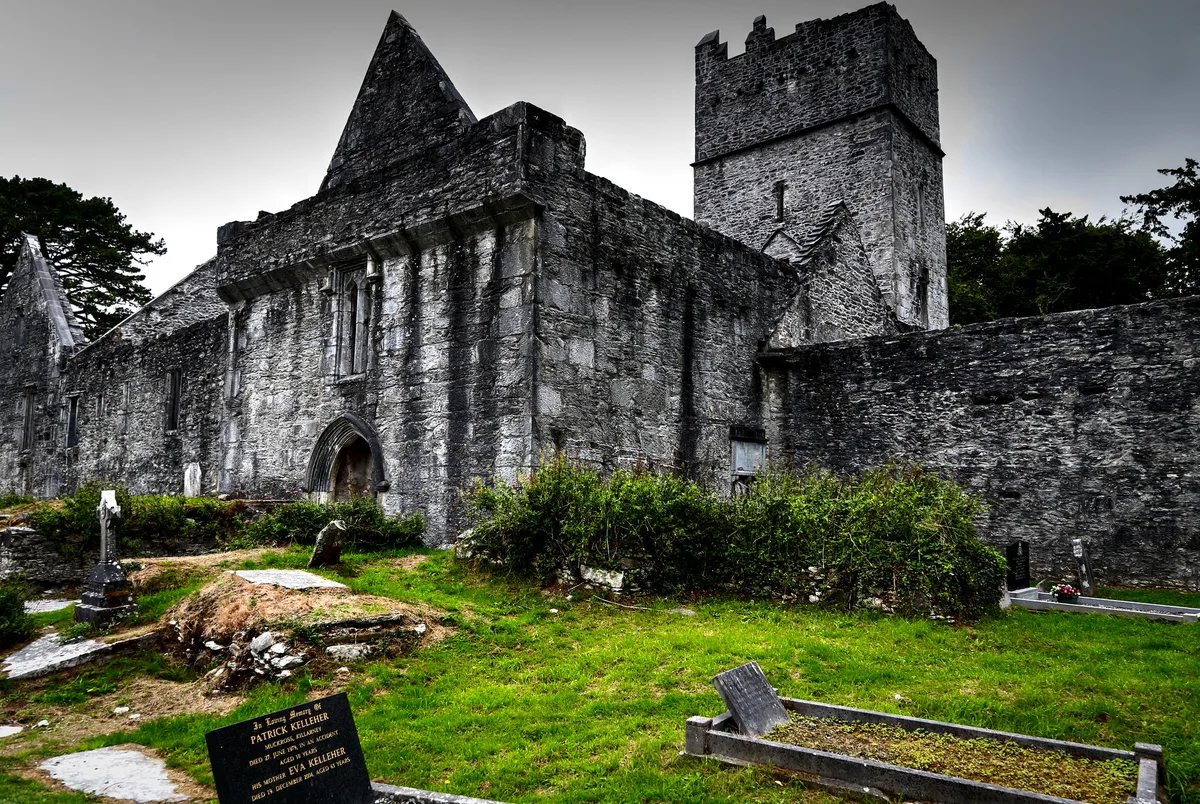
Expect uneven ground, worn steps, low doorways and wet stone after rain. These conditions make buggies and wheelchairs difficult inside the walls, so check the current path conditions with park staff before you go. Muckross Abbey also holds a graveyard. Keep voices low, stay off graves and follow any posted rules on photography and drones.
- Free to enter, as reported; paid extras are nearby.
- Daylight visits only.
- Uneven ground and low doorways inside.
- Burial ground: respectful conduct expected.
What to See and How Long to Stay
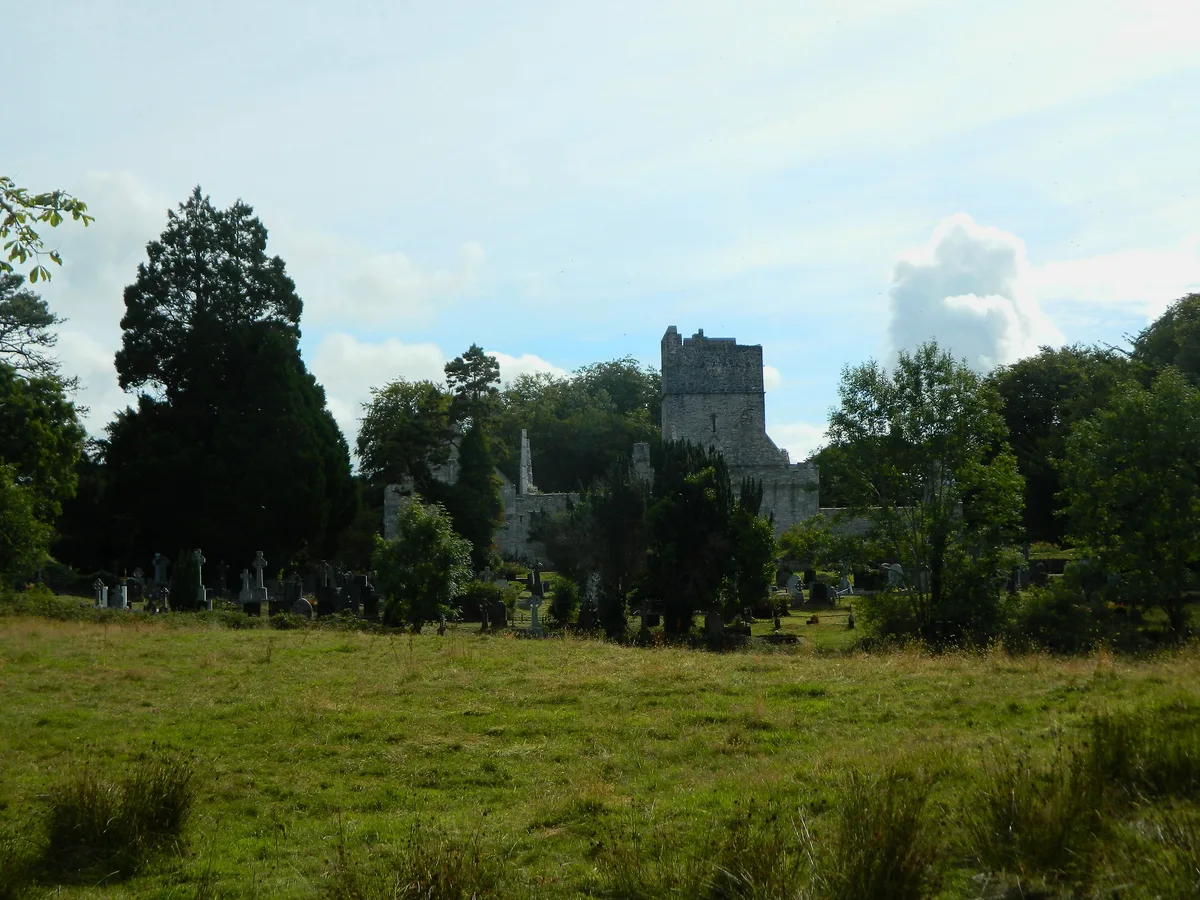
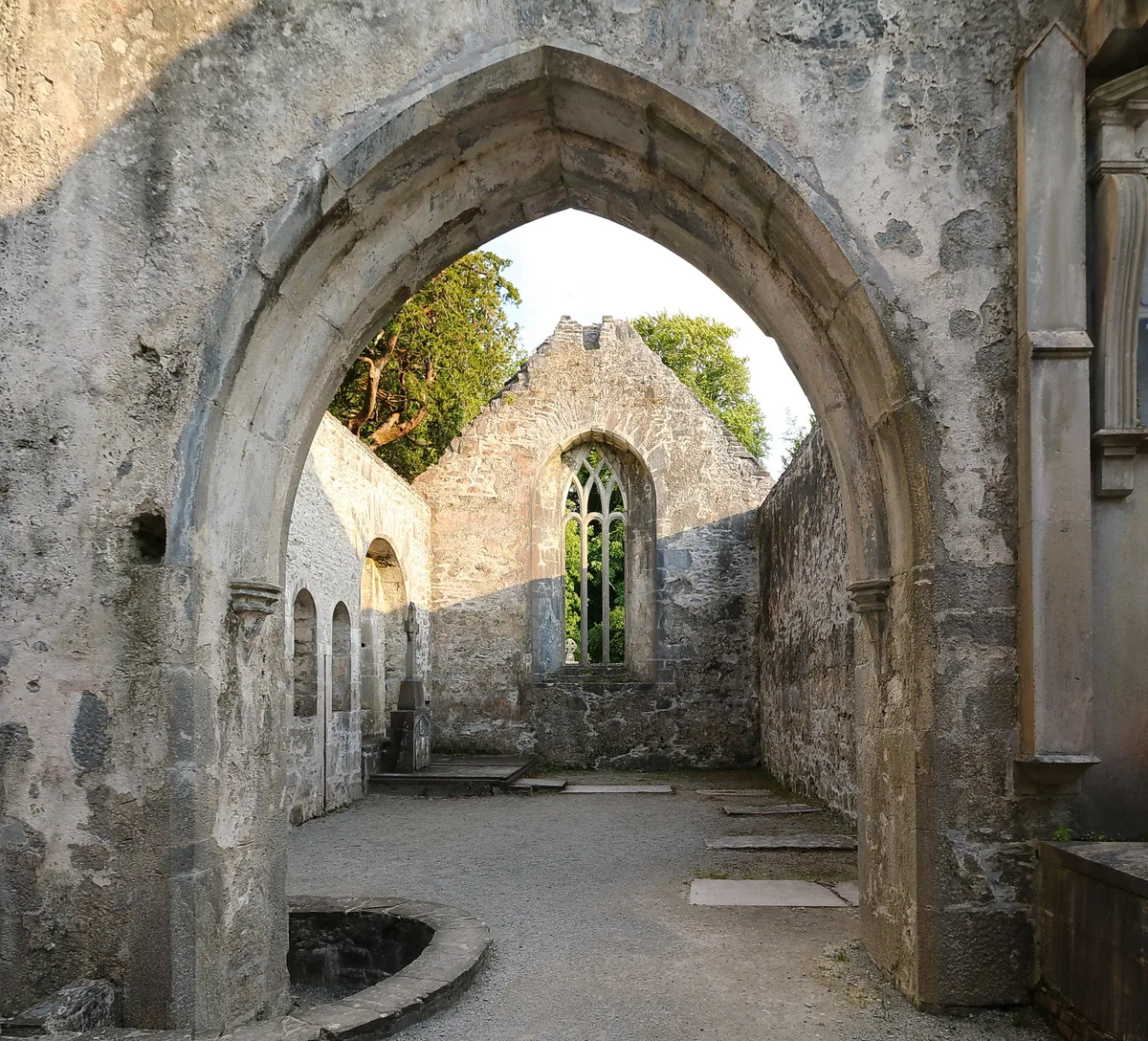
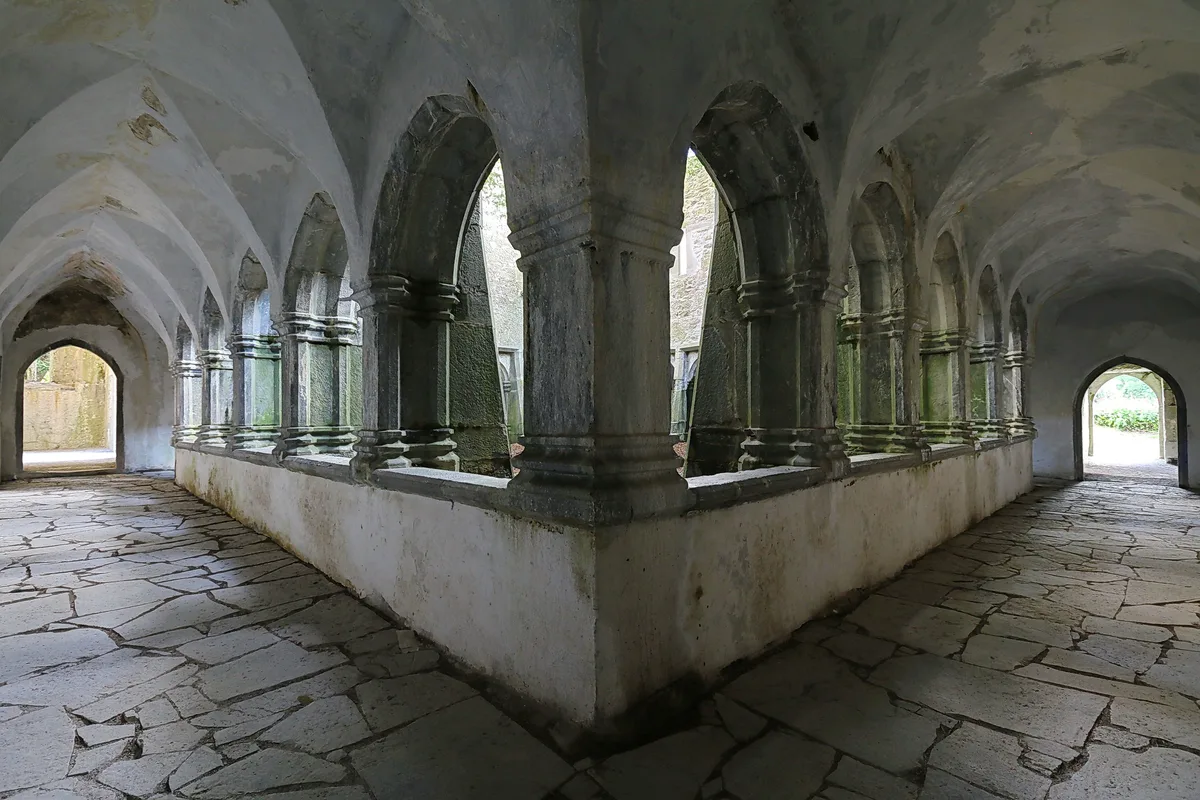
Start in the cloister, where the yew grows up through the middle of the court. Then walk through the church ruins and look at the arches and the worn stonework. The graveyard surrounds the friary, so keep to the paths. A relaxed visit takes 30 to 60 minutes.
For photographs, the cloister arches framing the yew make the most distinctive shot. Early or late hours bring softer light and fewer people. Wide lenses help inside the narrow walkways.
What to Look For Inside the Ruin
The site is small, so a short checklist helps you notice the details most visitors walk past.
- The yew in the cloister. Stand at the edge of the court and look up through the branches. The tree fills the open space, so you see the canopy against the stone arches.
- The cloister arcade. Look at the arches and columns around the court. The stonework is worn and uneven, which shows how much of the building has survived.
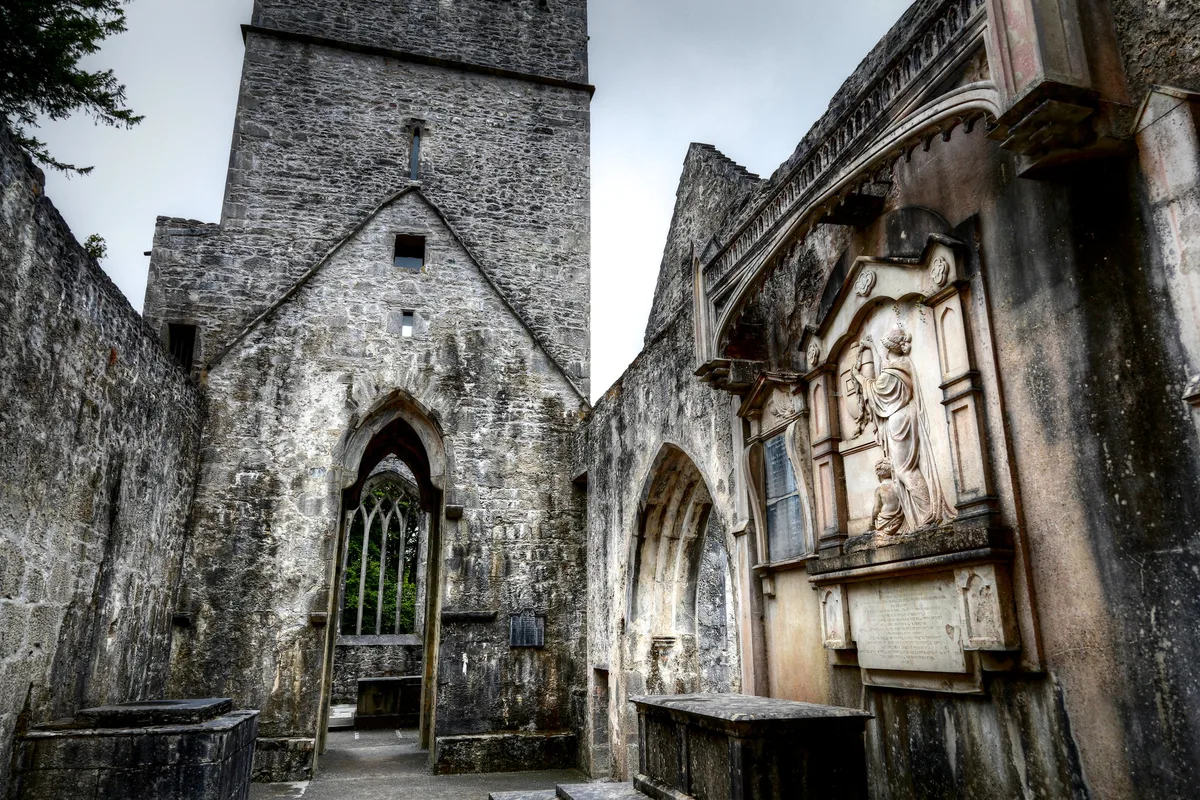
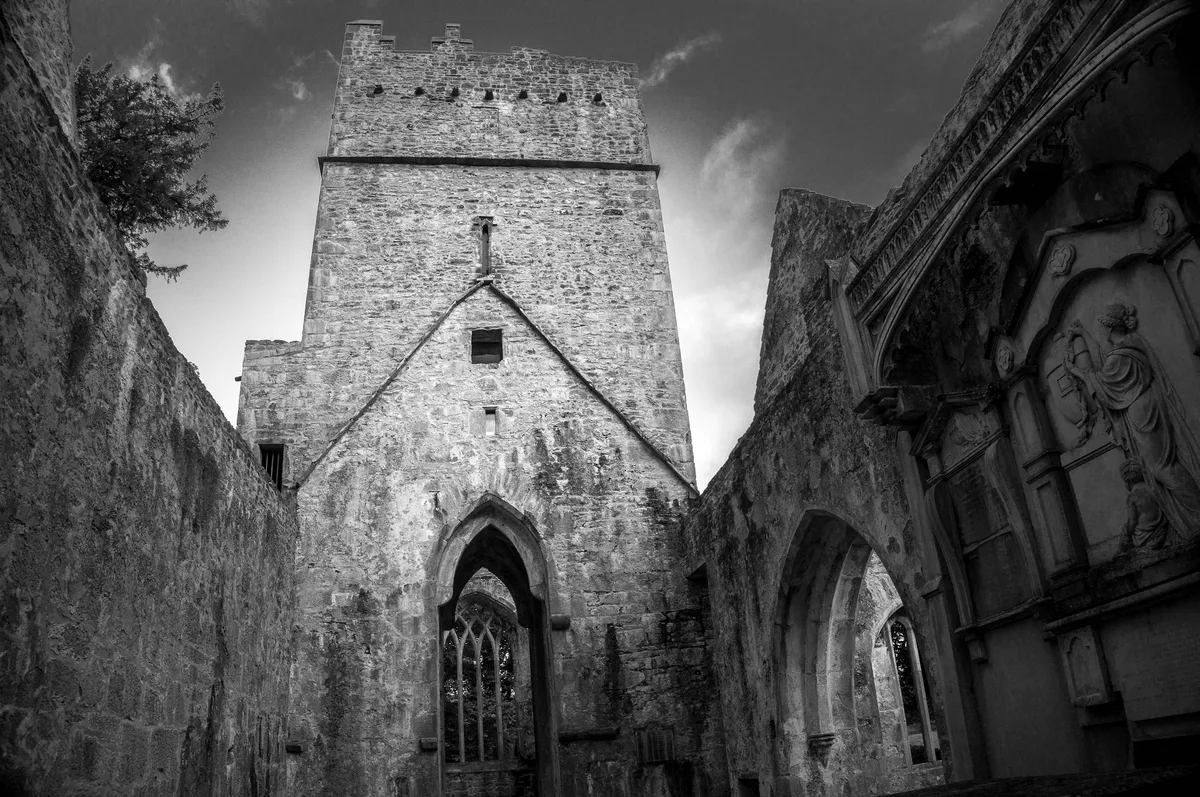
- The church. The roofless church lies beside the cloister. Look for the tall narrow windows and the tower, and notice how the walls frame the sky.
- Upper rooms and stairs. Narrow steps and low doorways lead to former friary rooms. Take them slowly, because the stone is often damp.
- The graves. Local families still use the burial ground. Gaelic poets from Kerry, including Eoghan Rua Ó Súilleabháin, are traditionally said to be buried here.
The friary fell into ruin after a later period of conflict and suppression, and it has not been roofed since. That is why the yew now grows in an open court, with no building overhead. Read the posted information on site for current details, and treat any story without a source as local tradition.
For a quiet visit, go early in the day or late in the afternoon, and use a wide lens or phone panorama to capture the cloister.
Pairing Muckross Abbey with Other Stops
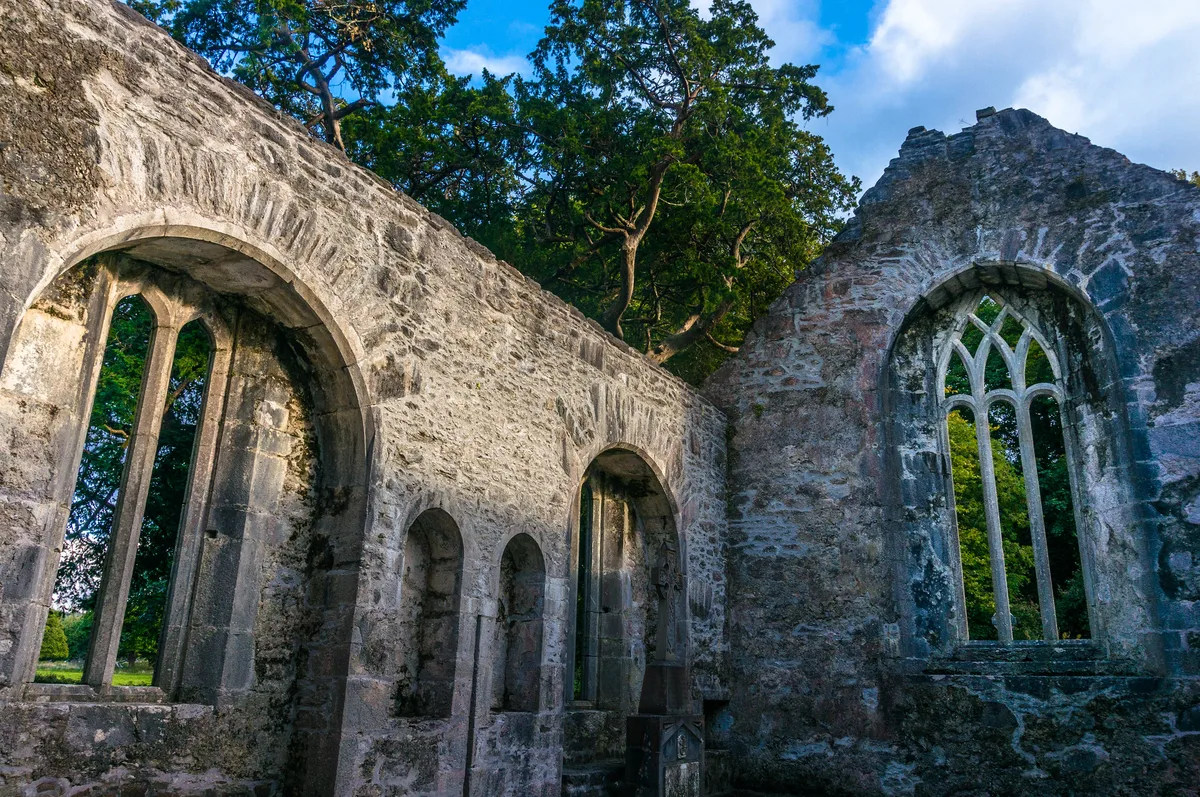
Muckross Abbey works best alongside larger sights. This table compares the main pairings, with times left approximate. Check each page for current details.
With the ruin itself taking 30 to 60 minutes, pair it with Muckross House, which needs about half a day, so the abbey isn't your whole plan.
| Stop | What it adds | Effort and time | Best for |
|---|---|---|---|
| Muckross House and Gardens | House tour, gardens, farms | Half a day, approx. | Families and history fans |
| Torc Waterfall, Killarney: Walk, Parking & Tips | Short walk to a waterfall | Short stop, approx. | Easy scenery |
| Dinis Cottage, Killarney National Park: Access, Walks & Tips | Lakeside cottage | Longer walk or ride, approx. | Quiet lake views |
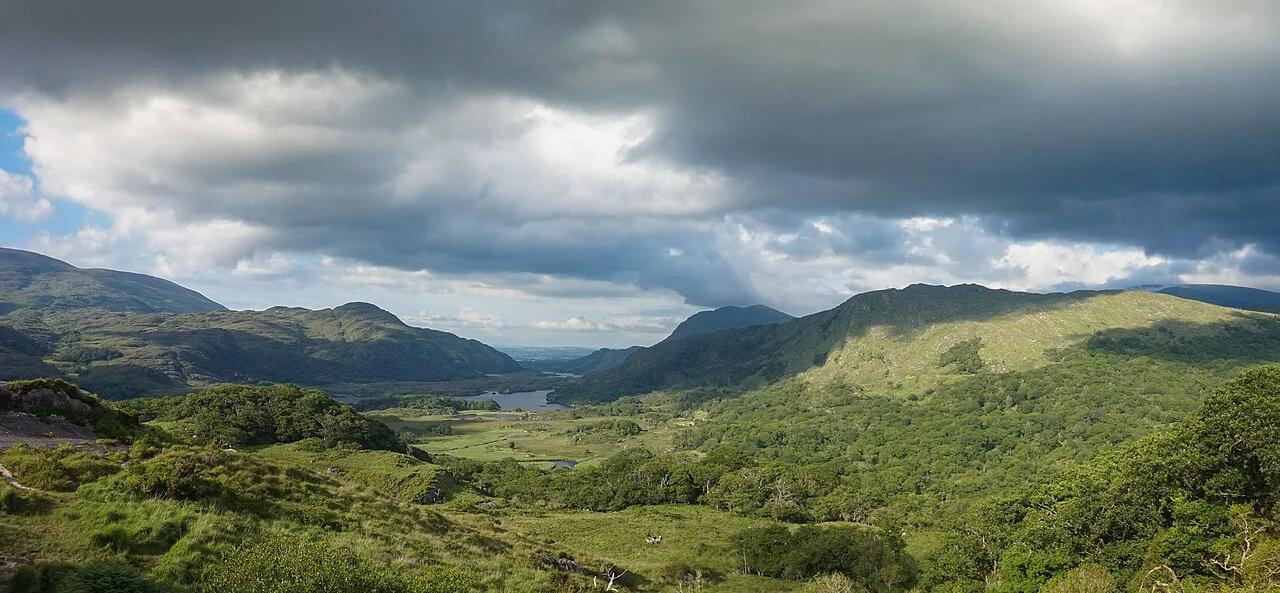
| Ladies View, Killarney: How to Visit, Parking & Best Time | Classic viewpoint | Drive and short stop, approx. | Photography |
| Innisfallen Island, Killarney: Boat Trips, History & Tips | Monastic ruins on an island | Boat trip, approx. | Medieval history |
| Ross Castle | Lakeside tower house | Short visit, approx. | Heritage hunters |
Best Time to Visit and Mistakes to Avoid
Summer brings the largest crowds and fullest car parks, so arrive early or late in the day. Spring and autumn are calmer. Winter has short daylight and muddy ground, so wear shoes with grip. For more ideas after the ruins, see things to do in the park. Lodging inside the park is covered in our park hotels guide.
- Do not treat it as a major attraction; it is a compact ruin.
- Do not arrive near dusk and expect to see much.
- Do not walk on graves or climb on walls.
- Do not wear smooth soles on wet stone.
Notes for your next park visit
Optional updates to our national park guides.
Read next
Keep planning
Picked from the same area