
Djerdap National Park Guide: Iron Gates Route & Planning
Plan Djerdap National Park in Serbia: Iron Gates gorge, Golubac Fortress, Lepenski Vir, routes, base towns, timing and trade-offs.
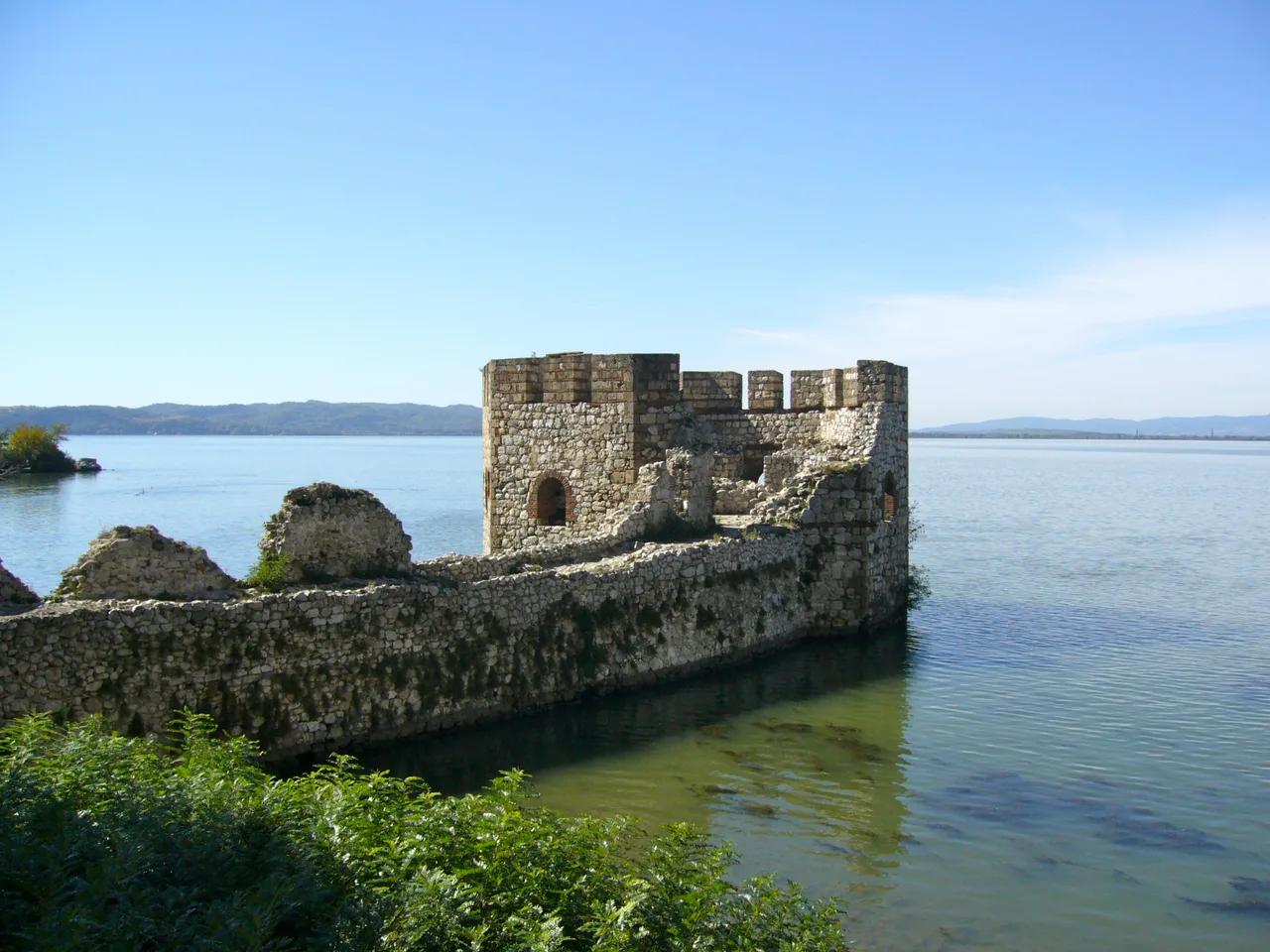
Last updated November 2026. Djerdap National Park (Đerdap in Serbian) follows the Danube through the Iron Gates gorge in eastern Serbia. Headline stops are Golubac Fortress, Lepenski Vir, the Tabula Traiana and the Kazan narrows. Sights are spread along a long river corridor, so a car is the most practical way to link them.
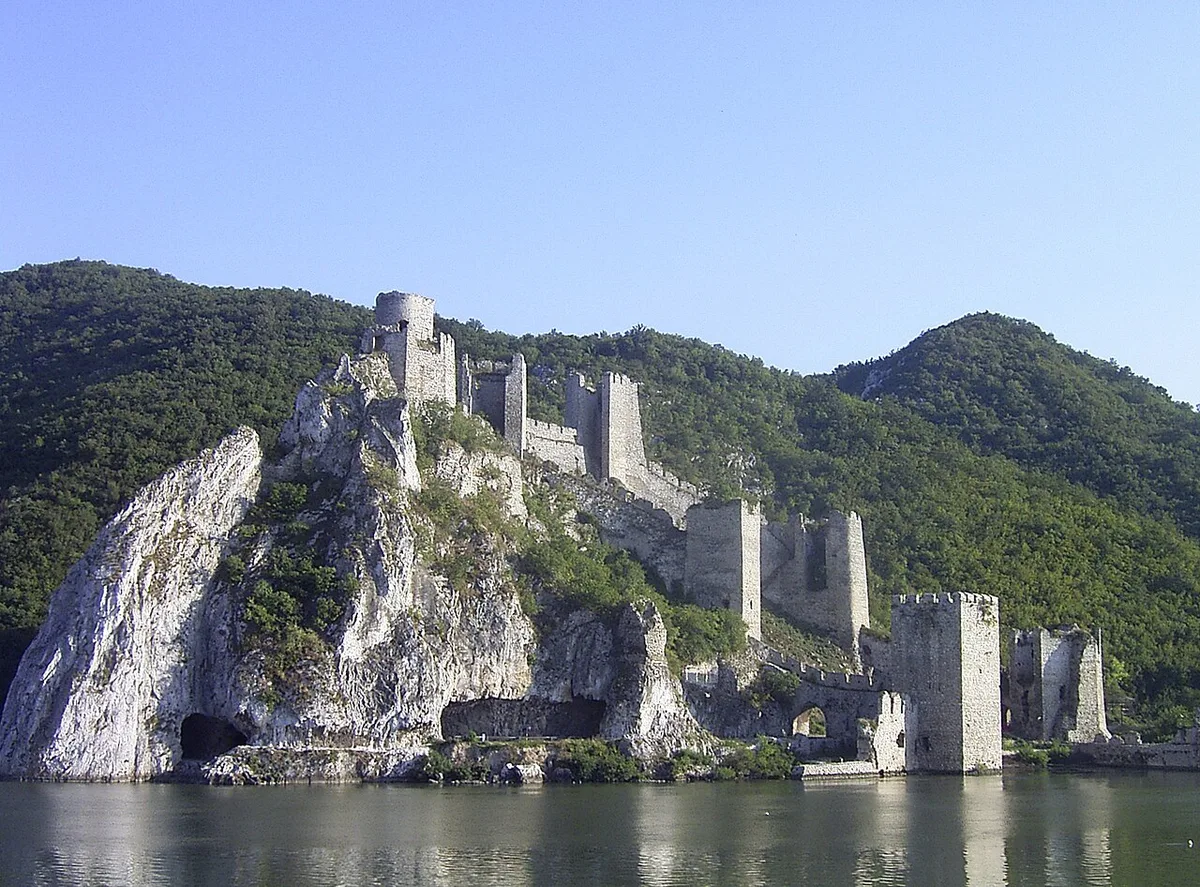
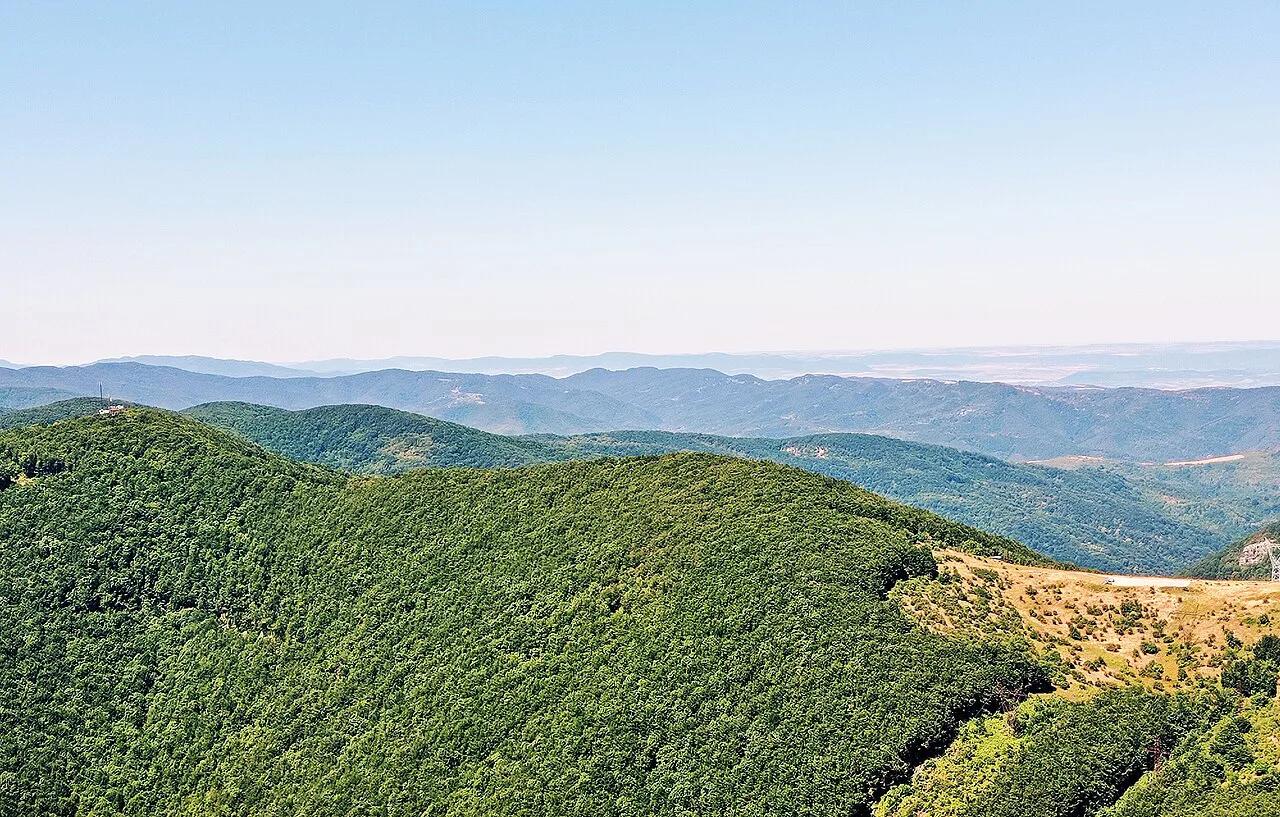
Featured image: Fif', CC BY-SA 2.0, via Flickr.
Djerdap National Park at a glance
The park runs along the right bank of the Danube, from Golubac Fortress in the west toward Kladovo and the Romanian border in the east. Opposite you is the Romanian bank, which shapes the scenery more than any border formality. Nothing here is compact, so decide early how much driving you want. Our guide to Serbia's national parks shows how Djerdap compares with the country's mountain parks.
- Location: right bank of the Danube, eastern Serbia, Iron Gates gorge
- Gateway towns: Golubac, Donji Milanovac, Tekija, Kladovo, with Negotin nearby
- Air gateway: Belgrade (no airport or railway station inside the park)
- Best access: car; bus service to the surrounding towns is limited
- Worth it for: history lovers, photographers and road-trippers; a poor fit for a one-hour stopover
Best things to do in Djerdap
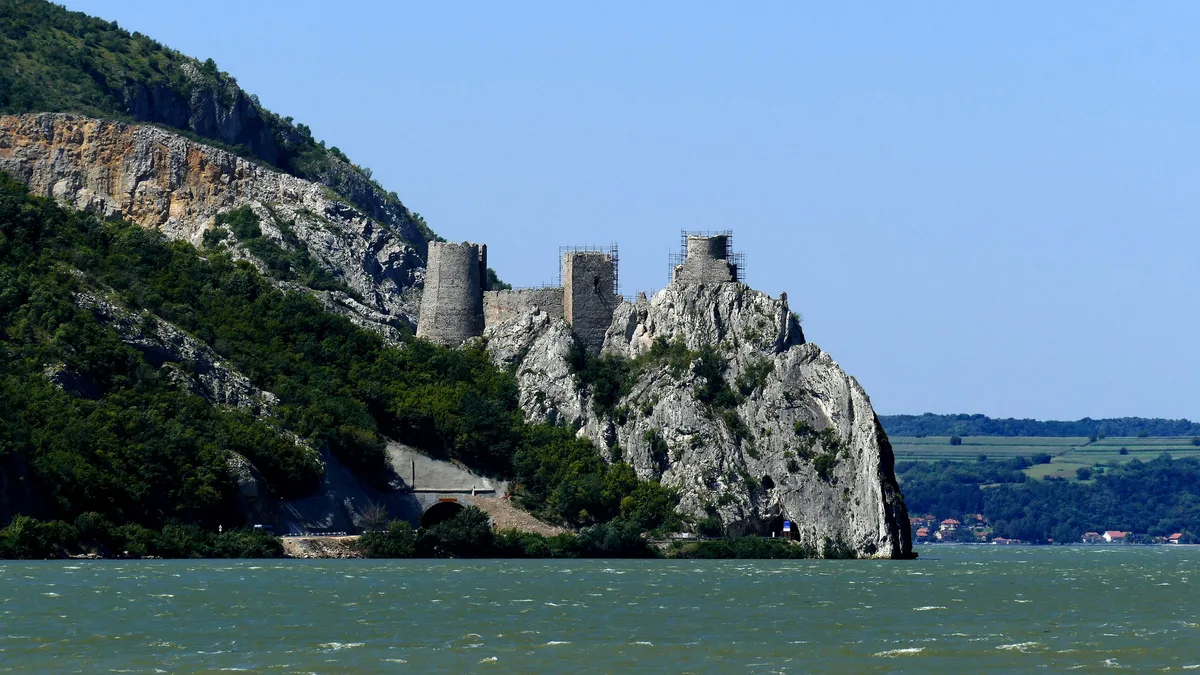
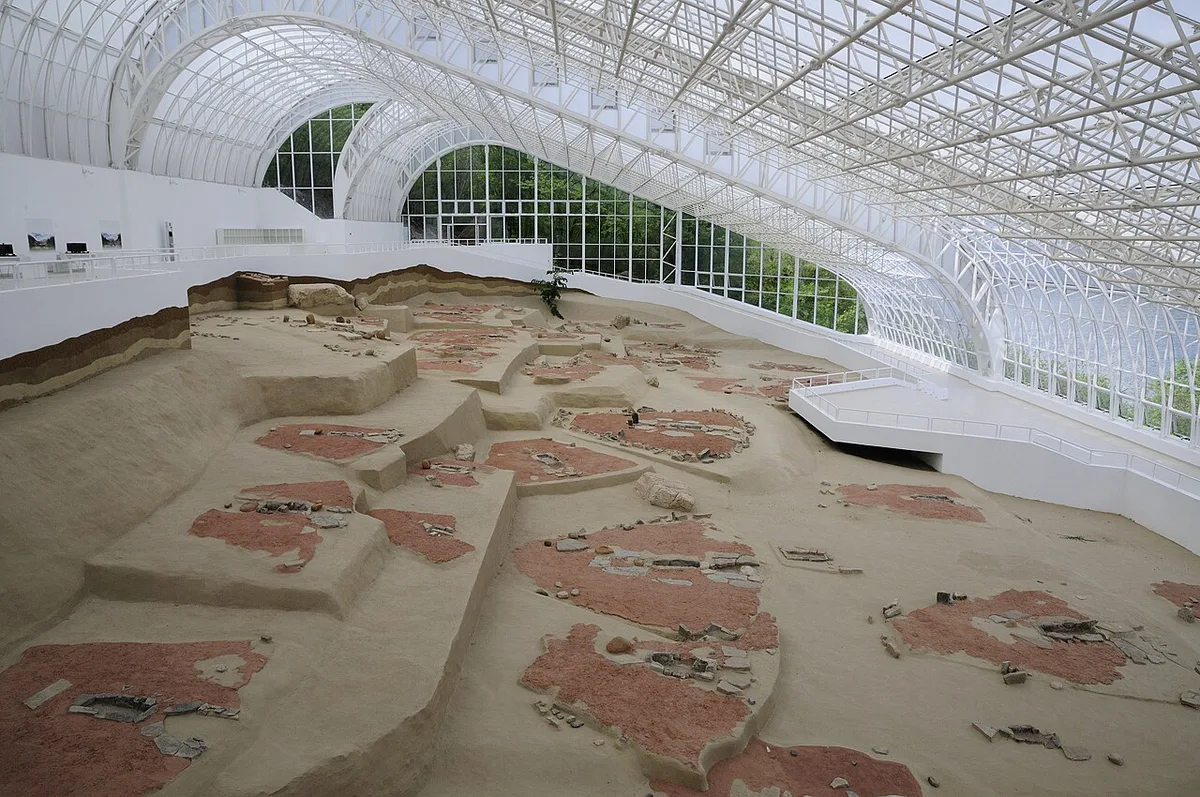
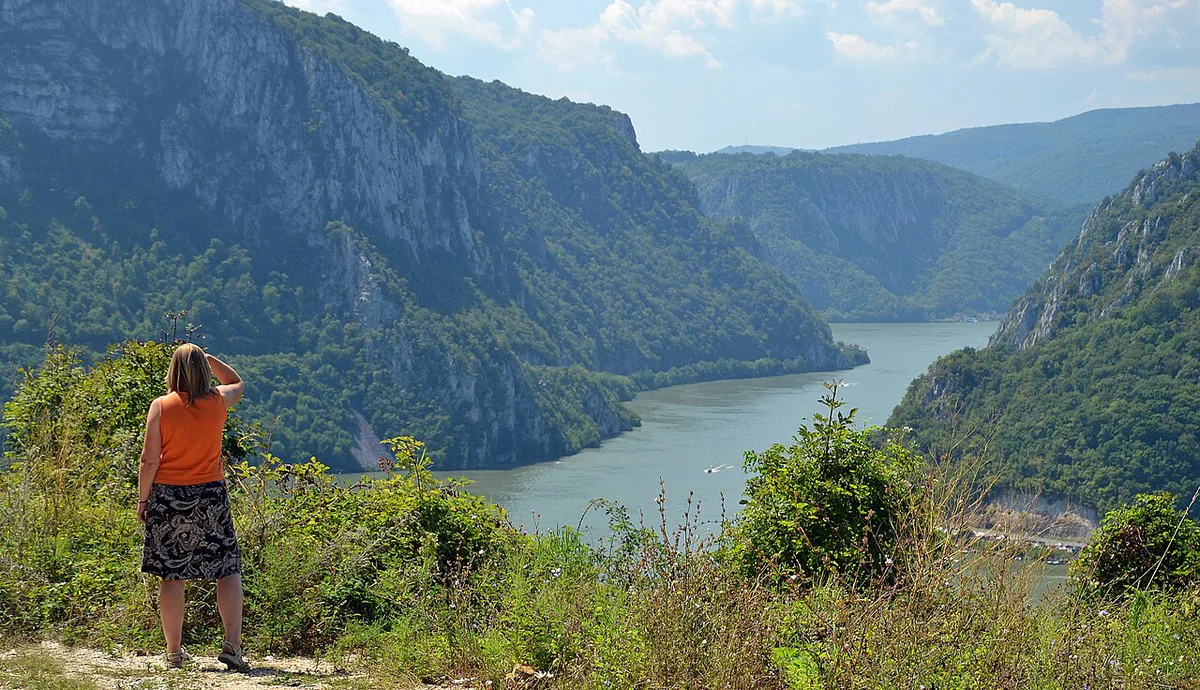
Rank the stops by how much they reward the drive. The Danube itself comes first, especially the Kazan narrows, where the river squeezes between steep wooded slopes and limestone cliffs. Golubac Fortress is the strongest opener, with towers and walls above the western approach to the gorge. Lepenski Vir near Donji Milanovac is the most important archaeological stop, with a museum and a Mesolithic riverside settlement. The Roman Tabula Traiana is carved into the cliff above the river. It is best understood from the water or a designated viewpoint, so ask locally which option suits your timing. Near Kladovo you can reach the remains linked to Trajan's bridge and Fetislam Fortress.
- Miroč mountain area: forest roads, rural scenery and viewpoints for a slower day
- Ploče viewpoint near Tekija: a Danube overlook for photographers
- Blederija Waterfall: an optional extra; check locally whether the paths are signed
- Zeleni Zaliv near Donji Milanovac: a riverside stop for a short break
How to plan your time
Drive west to east so the story unfolds in order: medieval fortress, prehistoric site, Roman works. Golubac and Lepenski Vir are the essential stops. Miroč and the waterfall are the first things to cut. One long day covers the highlights but leaves little margin on narrow minor roads. Two days let you add Kladovo and the Roman remains without driving after dark. Effort levels below are relative, so verify driving times locally.
| Stop | Why go | Effort | Skip if |
|---|---|---|---|
| Golubac Fortress | Medieval towers at the western gateway | Low | You arrive after the site closes |
| Kazan narrows | The narrowest, most dramatic stretch of the gorge | Low by road, more by boat | You only have a half day |
| Lepenski Vir | Mesolithic settlement and museum | Medium | Prehistory does not interest you |
| Tabula Traiana | Roman rock-cut tablet above the river | Medium | You cannot reach a viewpoint or boat |
| Kladovo area | Trajan's bridge remains and Fetislam Fortress | Medium | You have only one day |
| Miroč | Forest roads and rural viewpoints | High | Daylight is short |
- Half-day stop: Golubac Fortress and a stretch of Danube road
- One-day drive: Golubac, Lepenski Vir and the Kazan narrows
- Two-day stay: add Tabula Traiana, Tekija and Kladovo
Getting there and around
Belgrade is the main air gateway, and the approach follows the Danube through Golubac, Donji Milanovac, Tekija and Kladovo. Bus service reaches some surrounding towns, but connections are limited and rarely link the dispersed sights. A car is the practical choice. The main Danube road is scenic, while mountain and minor roads can be narrow or slow, so plan daylight driving. Boat excursions exist and are organised locally, so choose a recognised provider and confirm departures on the spot. For current regional information, start with the Tourism Organization of Serbia.
Costs, tickets and opening hours
Entry fees, hours and seasonal closures for the park, Golubac Fortress and Lepenski Vir are not confirmed here. Check the official Djerdap National Park site before you set out.
Where to stay: choosing a base town
Choose a base by the stretch you want to cover, because moving between towns takes real driving time. Donji Milanovac is the most central choice for Lepenski Vir and the gorge. Golubac suits an early start at the fortress. Tekija sits closer to the Roman sites and Ploče viewpoint, and Kladovo works as an eastern entry point.
| Base town | Best fit | Trade-off |
|---|---|---|
| Golubac | Fortress visit and western approach | Far from the eastern Roman sites |
| Donji Milanovac | Lepenski Vir and the central gorge | Longer drives to either end |
| Tekija | Tabula Traiana and Ploče viewpoint | Fewer services than larger towns |
| Kladovo | Trajan's bridge remains and Fetislam Fortress | Farthest from Golubac |
Best time to visit
May, June and September are the likely sweet spot. Average highs run about 77°F (25°C) in May, 88°F (31°C) in June and 81°F (27°C) in September. July is the hottest month, with highs near 93°F (34°C) and little shade at exposed sites. January highs average only about 39°F (4°C), and lows fall below freezing. Winter is the season to check road and site access first. Treat this as a planning judgement, since weather varies year to year.
- May–June: green slopes, mild days, good for walking stops
- July–August: hottest; keep outdoor stops to mornings and evenings
- September: warm, lower rainfall than winter, good light on the river
- November–February: cold; confirm museums and boat trips are running
Food and practical logistics
Food is concentrated in Golubac, Donji Milanovac, Tekija and Kladovo rather than at remote sites. Danube fish, grilled or cooked, anchors the local menu, alongside soups, stews, roasted meats, cheeses and local honey. Buy water and snacks in a town before heading to isolated heritage sites. Cash in dinars is useful in small rural businesses, and cash machines are more likely in the larger settlements. In an emergency, dial 112, the general emergency number. Police are on 192, fire on 193 and medical help on 194. Phone coverage may be weaker away from settlements, so tell someone your route.
Mistakes to avoid
Most problems come from treating a long corridor like a single attraction.
Phone coverage can drop away from towns, so before leaving a settlement, tell someone your route and remember to dial 112 in an emergency.
- Treating the park as compact and trying to see every site in one day
- Expecting a café or fuel at remote heritage sites
- Arriving at Lepenski Vir or Golubac without checking opening hours
- Visiting in deep winter without checking road and site access
- Driving narrow minor roads after dark
Local words worth knowing
A few Serbian words help in small towns. Zdravo means hello and hvala means thank you. Molim works for please and you're welcome. Koliko košta? asks how much something costs. Da li govorite engleski? asks whether someone speaks English. Gde je…? means where is…?
History in brief: Mesolithic, Roman and medieval layers
Each era leaves a distinct stop on the route. Lepenski Vir preserves a Mesolithic riverside settlement with planned dwellings, trapezoidal structures and sculpted stone figures. Roman remains, including the Tabula Traiana and traces of Trajan's bridge near Kladovo, show the gorge's strategic role. Golubac Fortress adds the medieval layer at the western entrance. Visiting in west-to-east order takes you from medieval to prehistoric to Roman, not chronologically, so read a little first.
Djerdap compared with other Balkan parks
Djerdap is a river-and-history trip rather than a hiking trip. For forest walking, consider Tara National Park instead. A closer-to-Belgrade alternative is Fruška Gora. For a mountain base, look at Kopaonik. Heading into Bosnia, Bosnia's national parks include Sutjeska and its old-growth Perućica forest. Waterfalls and rivers continue at Una National Park Guide: Waterfalls, Route & Tips. In North Macedonia, see Mavrovo, Galičica and Pelister. Our Balkan national parks hub ties them together.
Frequently Asked Questions
What are some scenic places to visit in Serbia?
Djerdap's Iron Gates gorge is one of the strongest scenic options, with Golubac Fortress and the Kazan narrows along the Danube. For forests and mountains, look at Tara, Fruška Gora or Kopaonik.
Notes for your next park visit
Optional updates to our national park guides.
Read next
Keep planning
Picked from the same area