
National Parks in Serbia: Which to Visit and How
Serbia's national parks compared: Tara, Đerdap, Fruška Gora and Kopaonik. Best season, access without a car, and who each suits.
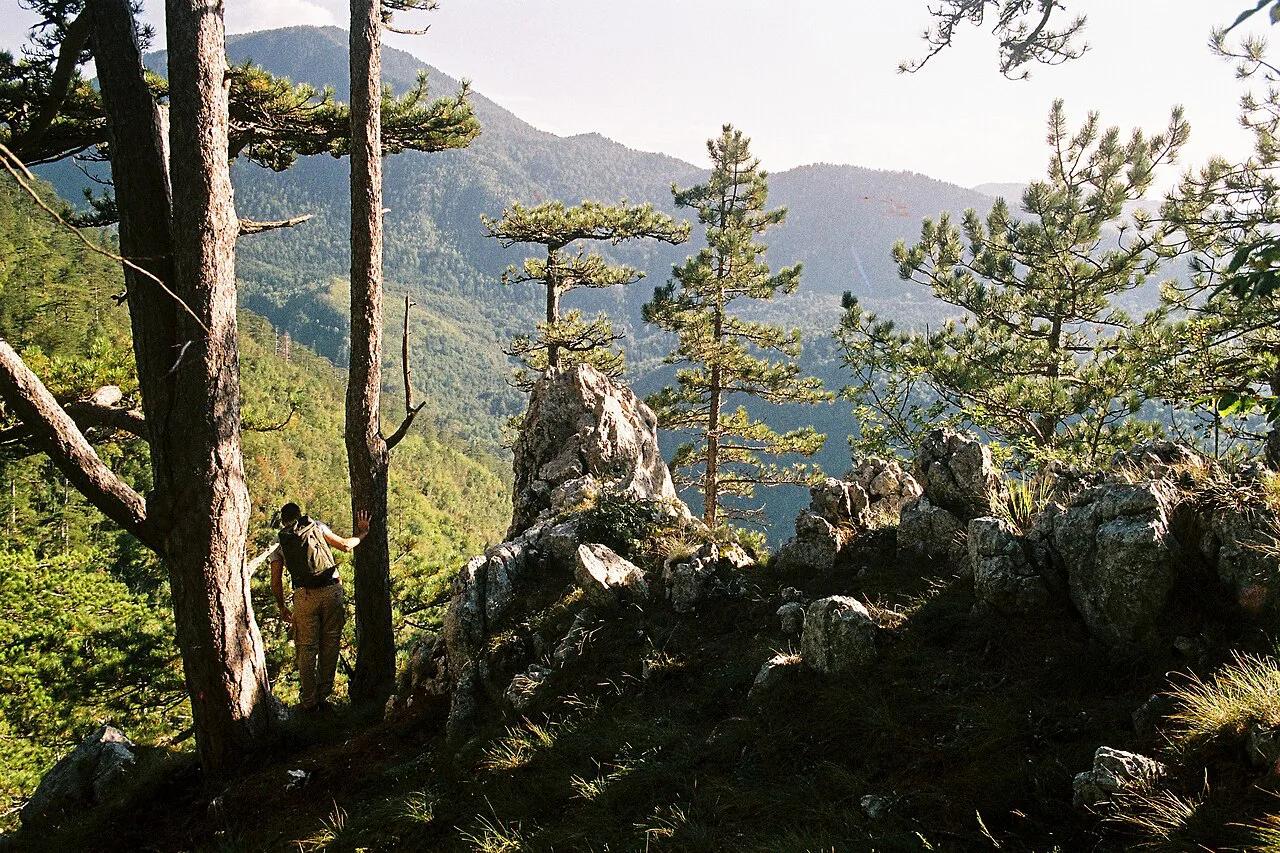
Last updated November 2026. The national parks in Serbia number five: Tara, Đerdap, Fruška Gora, Kopaonik and Šara. Pick Fruška Gora for an easy day from Novi Sad, Tara for forest and canyon hiking, Đerdap for Danube history and Kopaonik for ski-season trips. Our hub on Balkan national parks places Serbia alongside its neighbours.
Featured image: Viktorija Jovanonvic, CC BY-SA 4.0, via Wikimedia Commons.
Serbia's National Parks at a Glance
Serbia has five national parks, according to the Serbian environment ministry's protected-area system. Four are covered in depth below. Šara gets a shorter entry because it sits far from the usual routes. Every park except Đerdap protects a mountain and carries that mountain's name. Đerdap protects a stretch of the Danube gorge instead.
| Park | Landscape | Region and base | Best season | Car needed? | Best for |
|---|---|---|---|---|---|
| Tara | Forest, Drina canyon, lakes | Western Serbia; Bajina Bašta area | May to October | Yes, public transport is limited | Hiking, viewpoints, rafting |
| Đerdap (Iron Gates) | Danube gorge, fortresses | Northeast Serbia; Golubac town | Check official site | Helpful; boat tours also run | History plus river scenery |
| Fruška Gora | Low forested mountain, vineyards, monasteries | Near Novi Sad; Sremski Karlovci | Spring to autumn | No for day trips from Novi Sad | Short trips, monasteries, wine |
| Kopaonik | High plateau, ski resort, nature reserves | Central-southern Serbia; resort settlements | Ski season December to March; summer for hiking | Check official site | Winter sports, alpine walks |
| Šara | Mountain park | Southern Serbia | Check official site | Check official site | Travelers with extra time |
Which Park Should You Visit?
Match the park to your time, transport and season. Use this quick-choice list before reading the individual entries.
- First-timer with 2 days: Fruška Gora plus Novi Sad, or one night near Tara if you have a car.
- No car: Fruška Gora, because Novi Sad is the base and the mountain sits close by.
- History fans: Đerdap, for Golubac fortress, Lepenski Vir and Tabula Traiana.
- Hikers: Tara, with 18 marked trails covering 120 km.
- Families: Fruška Gora lakes and monasteries, or Perućac lake on Tara in summer.
- Winter travelers: Kopaonik, which holds Serbia's largest ski centre.
Tara National Park
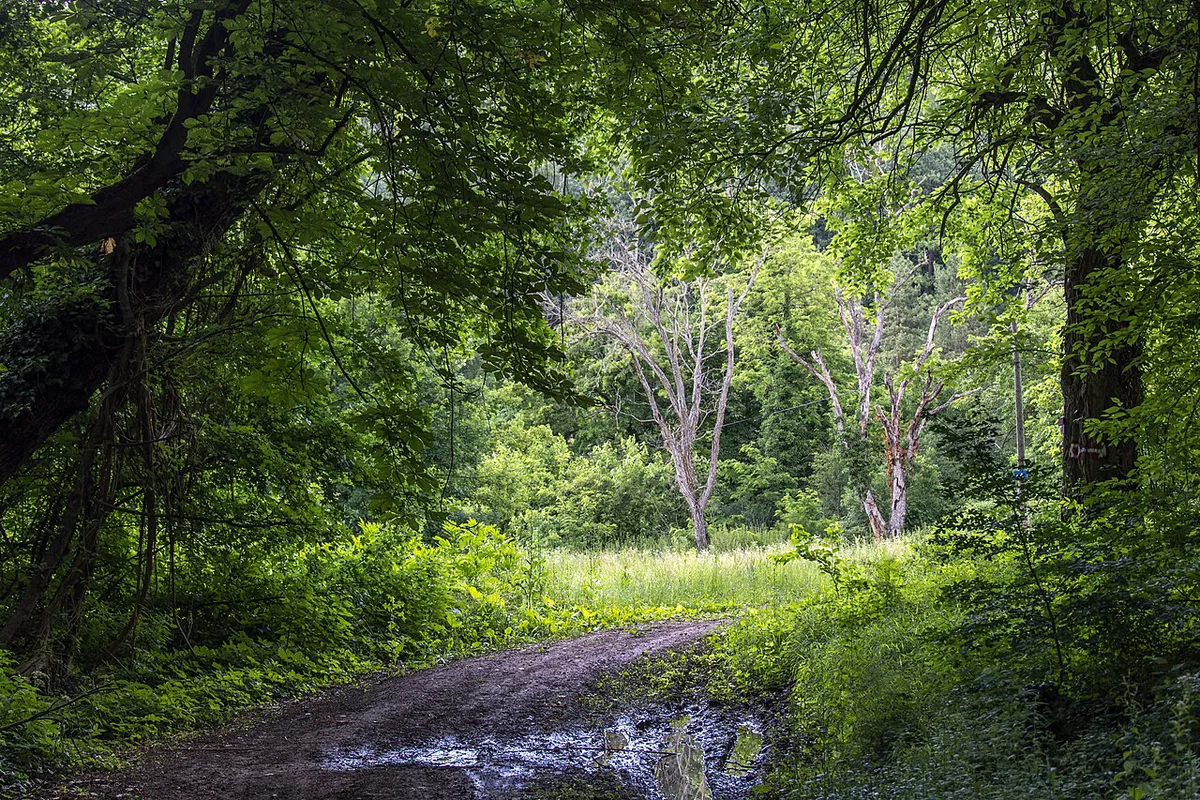
Tara is the longest and most varied visit in this guide. Tara National Park was declared in 1981 and covers a mountain on the Bosnian border in western Serbia. Mixed spruce, fir and beech make up over 85% of the forest. Kozji rid is the highest point at 1,591 m. Perućac lake on the Drina lies far below at 291 m. Official figures for the park's total area differ between sources, so check the official Tara park site before quoting a hectare figure. Banjska Stena is the best-known Drina canyon viewpoint, and early morning gives the clearest light. Zaovine lake has its own viewpoint. Perućac lake draws swimmers, anglers and rowers in summer. Hikers get 18 trails totalling 120 km. Hiking maps are sold at the tourist centres at Kaluđerske Bare and Mitrovac. Brown bears live here in Serbia's largest population, though you are unlikely to see one on a day walk. Rača Monastery, founded in the 13th century, adds a cultural stop. Rafting on the Drina runs through the warmer months, with spring offering the fastest water. Treat Tara as a region, not a single viewpoint. Two full days is a sensible minimum.
- Base: guesthouses in villages around the park, or Bajina Bašta
- Access: car is the practical choice; bus links are limited
- Season: May to October for hiking and rafting; ski slopes operate in winter at about 1,000 m
Đerdap (Iron Gates) National Park
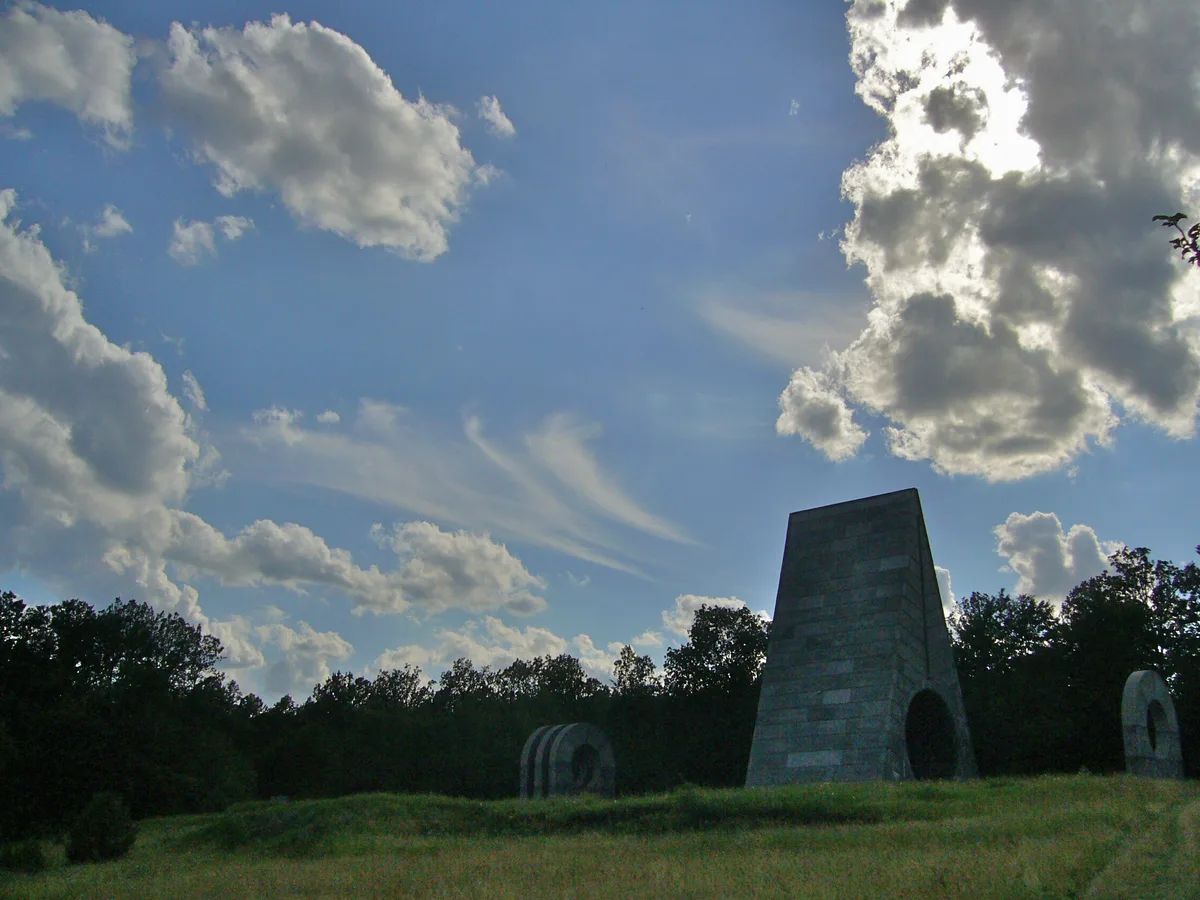
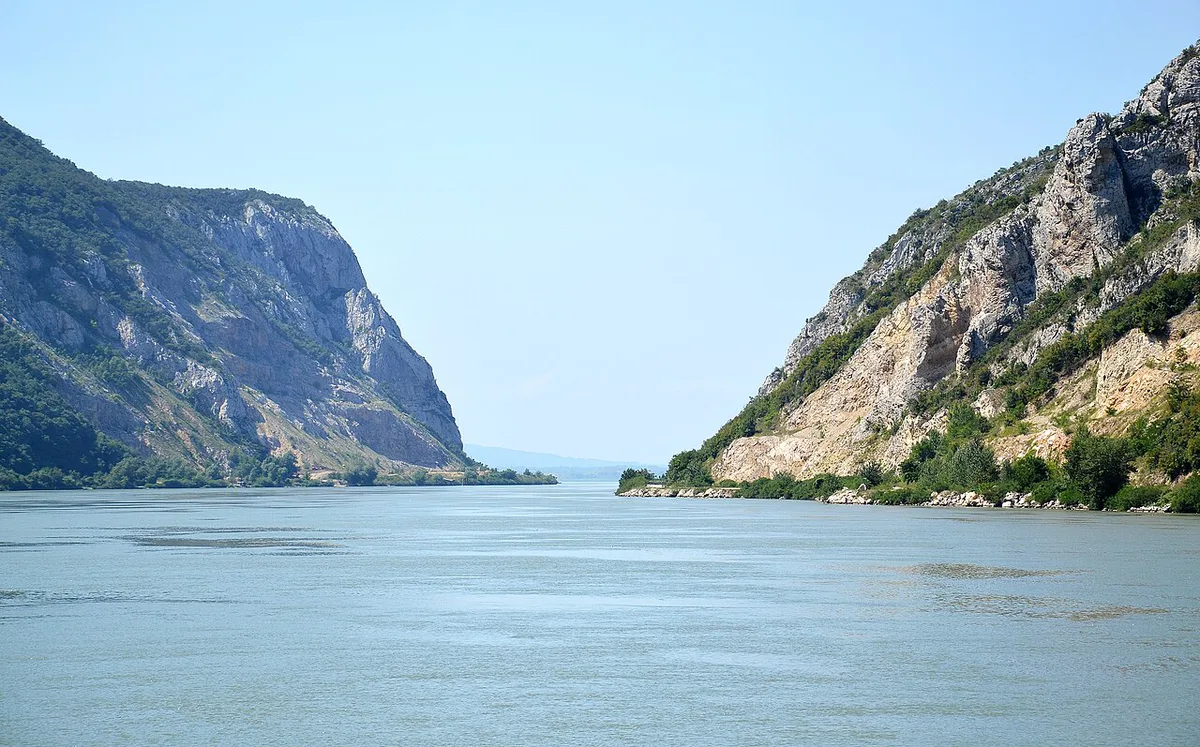
Đerdap is Serbia's largest national park at almost 64,000 hectares, and it was established in 1974. Đerdap National Park follows the Danube along the Romanian border in northeast Serbia. Veliki Kazan is the narrowest stretch of the river, and the Danube reaches 90 m deep there. Golubac fortress stands 4 km downstream from Golubac town. Boat tours from this stretch pass beneath its towers. Tabula Traiana is a Roman inscription cut into the rock at the end of the Kazan gorge. Lepenski Vir preserves the remains of a settlement over 8,000 years old. Diana fortress, near the Đerdap I dam, is a further Roman site. Forest covers more than 64% of the park, and wildlife includes lynx, wild boar and wolf. History fans get the most from Đerdap. Allow a full day for the main sights and two days if you want boat time.
- Base: Golubac town or nearby riverside villages
- Best for: archaeology, fortresses and gorge scenery
- Plan ahead: ticketing and tour times for Golubac and Lepenski Vir are set by their operators
Fruška Gora National Park
Fruška Gora is the easiest park to reach from Novi Sad. Fruška Gora National Park dates to 1960 and rises to just 539 m. Forest covers around 90% of its area. That low height makes it a spring-to-autumn destination, not a winter one. Iriški venac is the best-known viewpoint, and Letenka and Stražilovo are the main recreation areas. Ledinačko and Bešenovsko lakes are the more attractive reservoirs. Monasteries are the cultural draw. Of 35 historic monasteries, 16 survive, including Krušedol, Hopovo, Grgeteg, Jazak and Vrdnik-Ravanica. Sremski Karlovci, at the foot of the mountain, is known for its wine. Allow a day for monasteries and a viewpoint, or a half day if you only want a forest walk and a winery stop. Families and non-drivers will find this entry the most forgiving.
- Base: Novi Sad or Sremski Karlovci
- Access: Belgrade to Novi Sad train takes about 35 minutes
- Best for: short trips, monasteries and wine
Kopaonik National Park
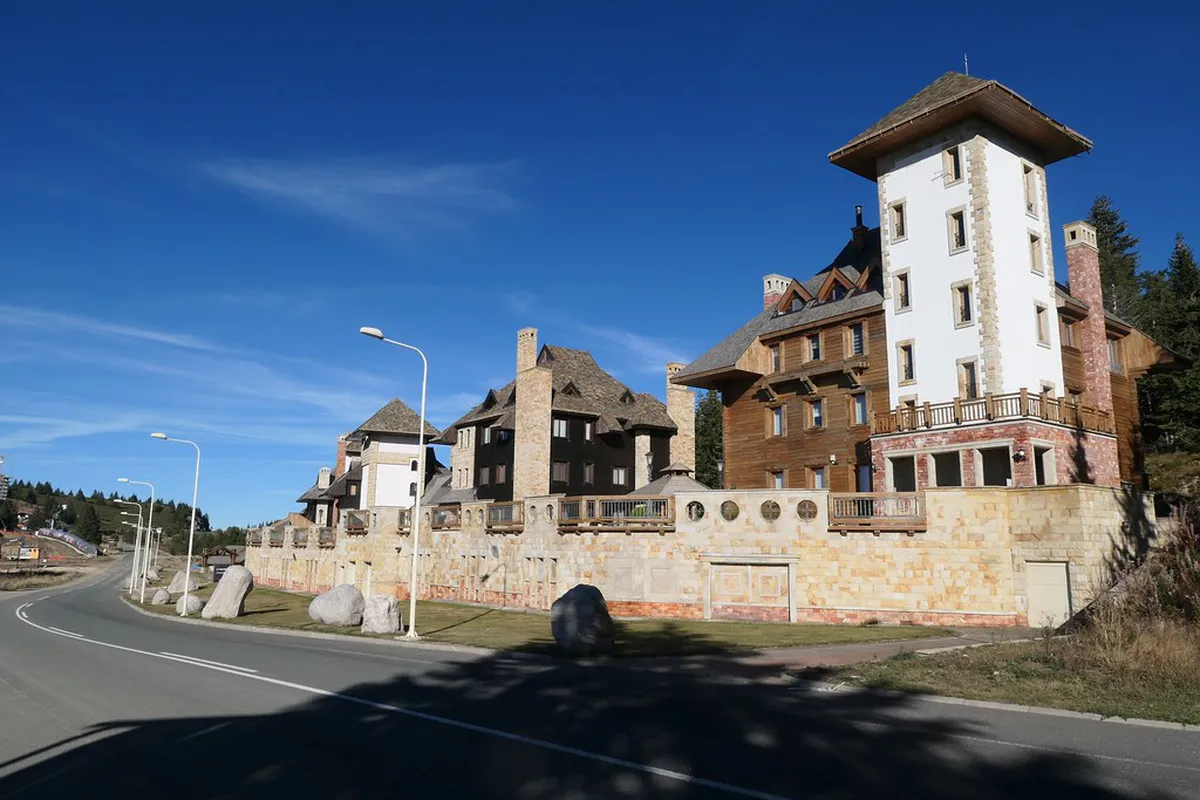
Kopaonik is best known for skiing, but Kopaonik National Park: Hiking, Access & Seasons (Guide) also protects a high plateau and several nature reserves. Pančić Peak reaches 2,017 m and carries the mausoleum of the naturalist Josif Pančić. The park was declared in 1981. Ski season runs from December to March, and the resort is Serbia's largest. Summer and autumn suit walkers who want cooler air and quieter slopes. Thirteen protected reserves include Jankova Pond, the largest peat bog on the mountain. Jelovarnik is a waterfall with three cascades totalling 70 m. Metođe has a shrine and a cold-water geyser. Visit outside ski season if you want trails with fewer people. Visit in winter only if your plan centres on lifts and slopes. Resort infrastructure dominates the settlements, so expect hotels in place of village guesthouses.
- Base: resort settlements on Flat Kopaonik, Brzaće or Treska
- Best for: skiing in winter, reserve walks in summer
- Plan ahead: lift status and road access vary in winter, so ask the park about both before a winter trip
Šara National Park
Šara is the fifth park and lies in southern Serbia. It is the least visited of the group and has no dedicated page on our site. Check the environment ministry for current status, access and any entry rules before planning a trip.
How to Plan Your Time
Geography decides the route. West is Tara, east is Đerdap, and north is Fruška Gora. Kopaonik sits in the centre-south. Driving between regions eats time, so do not try all parks in one trip.
- 1 day: Fruška Gora from Novi Sad, with one monastery, Iriški venac and Sremski Karlovci.
- 3 days: Novi Sad and Fruška Gora for a day, then Tara for two days with a car.
- 5 days: add Đerdap on its own, using Golubac as the base for a day and a half.
- Winter variation: replace Tara or Fruška Gora with Kopaonik for skiing.
Getting There and Around Without a Car
Fruška Gora works best without a car. Take the train from Belgrade to Novi Sad, which takes about 35 minutes on the modern line. From Novi Sad, use local transport or a taxi for the mountain. Tara needs more planning because public transport to remote areas is limited. Seasonal buses and organised tours from major cities fill part of the gap. Đerdap can be seen on boat tours that pass Golubac fortress. Timetables are set by the operator and can change. Car rental lets you link Tara and Đerdap, and the highway network connects Belgrade, Novi Sad and Niš. The Tourism Organization of Serbia publishes visitor information.
Without a car, Tara's 18 trails totalling 120 km need a seasonal bus or tour, since public transport to the remote park is limited.
Costs, Tickets and Opening Hours
This guide does not quote park entry fees because no official figure was available at publication. Check each park's official site before you travel.
- Park entry or access fees: check the park office
- Parking at visitor centres: check on arrival
- Golubac and Lepenski Vir tickets: check the operators
- Rafting and boat tours: check with the operator
- Lodging: guesthouse in villages, hotel in Kopaonik, city base in Novi Sad
Where to Stay
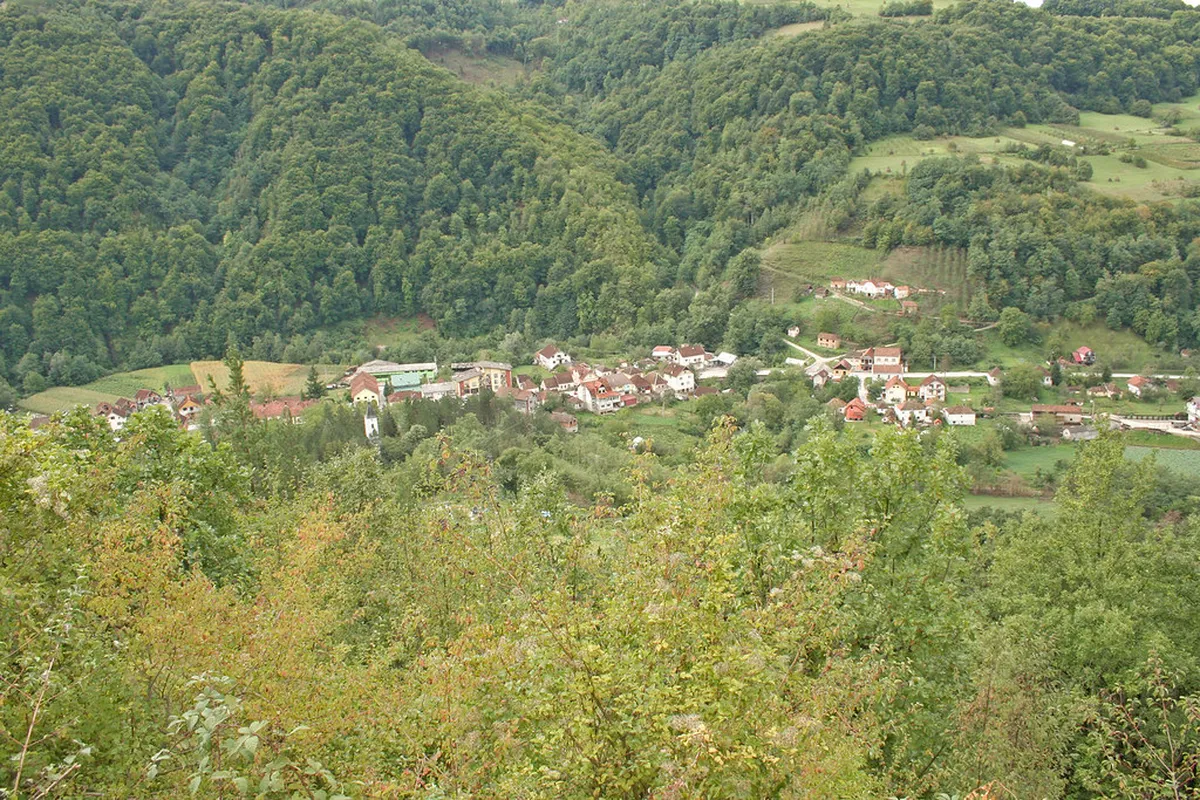
Pick your base by park. Novi Sad suits Fruška Gora, with Sremski Karlovci as a quieter option. Tara visitors should look at guesthouses in nearby villages or Bajina Bašta, because lodging inside the park is limited. Đerdap travelers can stay in Golubac. Kopaonik skiers stay in the resort settlements. Book ahead in peak season, which runs June to September around Tara.
Food and Drink
Fruška Gora is wine country. Sremski Karlovci is known for bermet, a local wine. Around Tara, expect grilled meats, local cheese, kajmak and fresh bread in village restaurants and mountain huts. Pack a picnic from a nearby market for trail days.
Common Mistakes
Most trips go wrong in the same few ways.
- Treating Tara as one viewpoint instead of a region of forest, canyon and lakes.
- Arriving without a transport plan for remote park areas.
- Trying every park in one trip.
- Visiting Kopaonik in the wrong season for your plan.
- Flying a drone without checking rules with the Civil Aviation Directorate of Serbia.
Continue Across the Balkans
Our guide to Balkan national parks compares parks across the wider region. If your route crosses the Drina, see National Parks in Bosnia: Sutjeska, Una, Kozara and How to Visit next.
Frequently Asked Questions
What kind of wild animals are in Serbia?
Tara holds Serbia's largest brown bear population, and chamois live there too. Đerdap has lynx, wild boar, wolf and wild cat. Kopaonik is home to golden eagle, peregrine falcon and wolves.
Notes for your next park visit
Optional updates to our national park guides.
Read next

Keep planning
Picked from the same area