
Rila National Park Guide: Hikes, Lakes & Planning
Plan a trip to Rila National Park: the best hikes and sights, how to choose a base, seasons, access and what to check before you go.
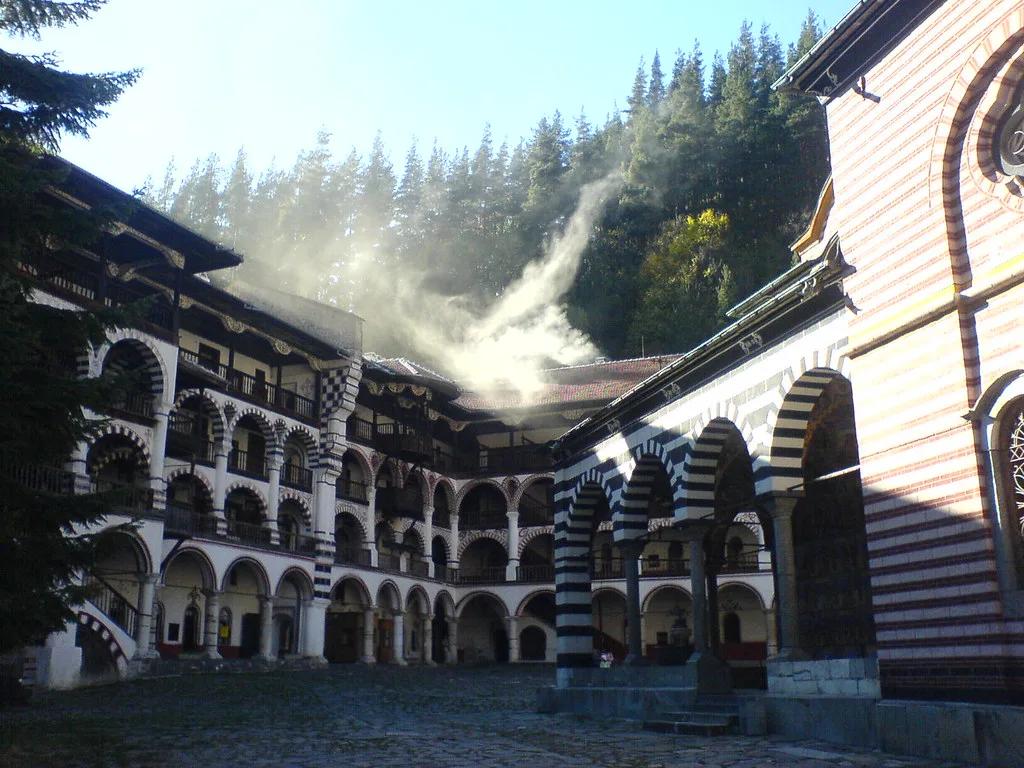
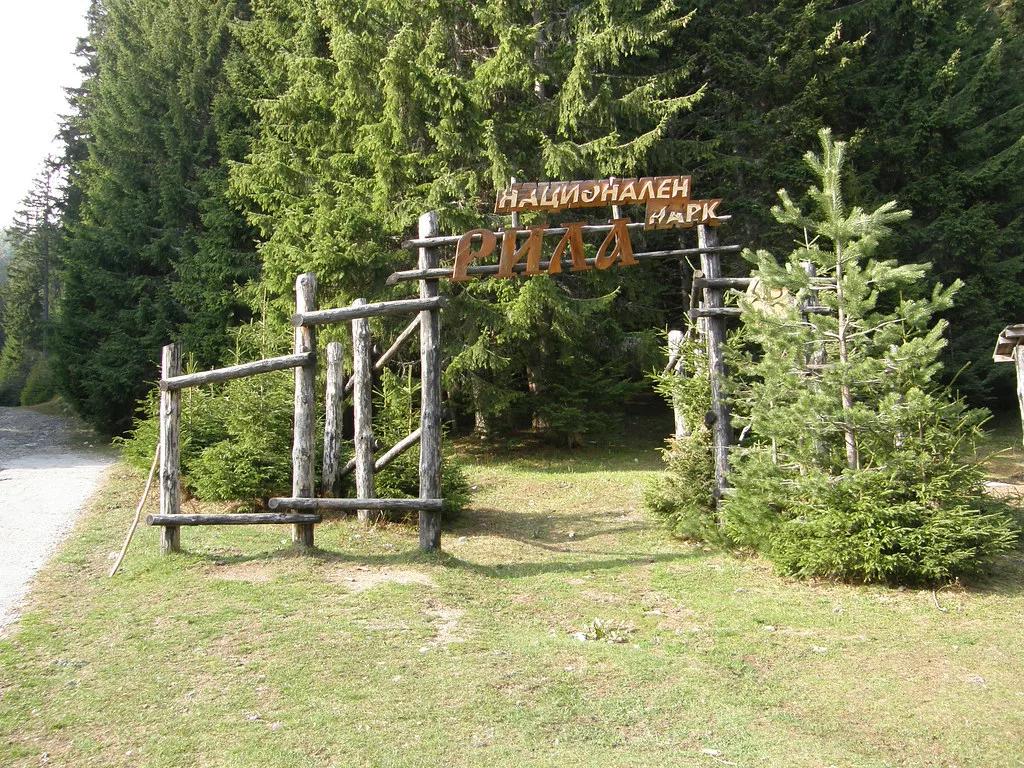
Last updated November 2026. Rila National Park protects about 810 km² of the Rila range in southwestern Bulgaria, and its terrain climbs from roughly 800 m near Blagoevgrad to Musala at 2,925 m. Musala is the highest peak in Bulgaria and the Balkans. Use this guide to match a trip type to the right corner of the park, and see our wider comparison of Bulgarian parks for the other options.
Featured image: Biser Todorov Photography, CC BY-SA 2.0, via Flickr.
Rila National Park at a glance
Bulgaria's largest national park was established on 24 February 1992. It spans four provinces: Sofia, Kyustendil, Blagoevgrad and Pazardzhik. About 120 glacial lakes sit in its high cirques, and the Iskar and Maritsa rivers both rise here. Park boundaries, rules and zoning are published by the Rila National Park Directorate. Lake counts vary between sources, so treat 120 as an approximate figure.
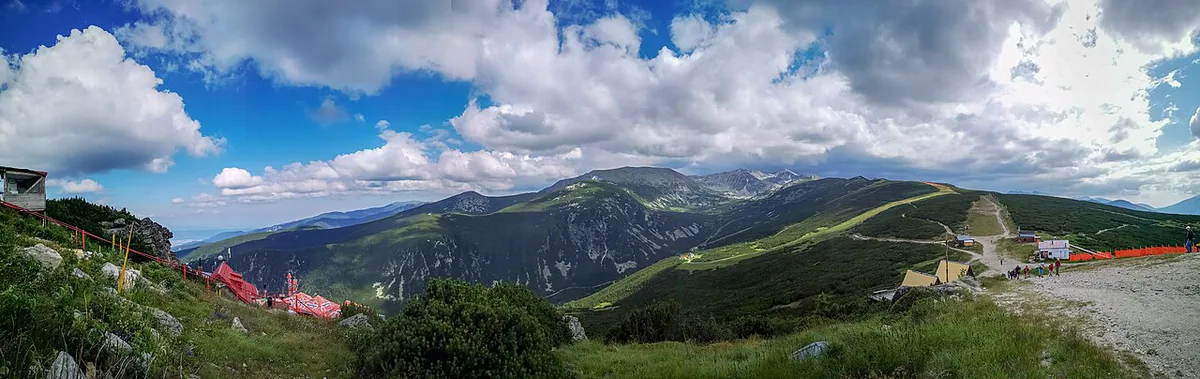
- Largest peak: Musala, 2,925 m
- Lowest point: about 800 m, near Blagoevgrad
- Best for: lake hikes, peak-bagging, easy forest walks and winter sport
- Skip if: you only want a single sightseeing stop with no walking
Best things to do in Rila National Park
Group your plans by trip type rather than by landmark list. Some famous names sit at or just beyond the park edge, so read the directorate map if boundaries matter to you.
- Lakes: the Seven Rila Lakes are the signature hike. The route starts from the village of Panichishte, and a lift shortens the first climb. Lower lakes suit children, while the full circuit needs good fitness and proper clothing. Our Seven Rila Lakes hiking guide covers the route in detail.
- Peaks: Musala is reached from Borovets, which has parking and a lift toward Yastrebets. From there the walk passes several glacial lakes. Effort is moderate to high.
- Peaks and huts: Malyovitsa is a demanding climb that starts at the Central Mountain School Malyovitsa. The route offers overnight stops in huts.
- Easy walks: the Beli Iskar eco-trail is a circular riverside walk with wooden bridges and viewing platforms. It suits children and low-fitness visitors.
- Forest and picnics: Kirilova Polyana lies about 7 km east of Rila Monastery. Several trails meet here, including routes toward Ribni Ezera.
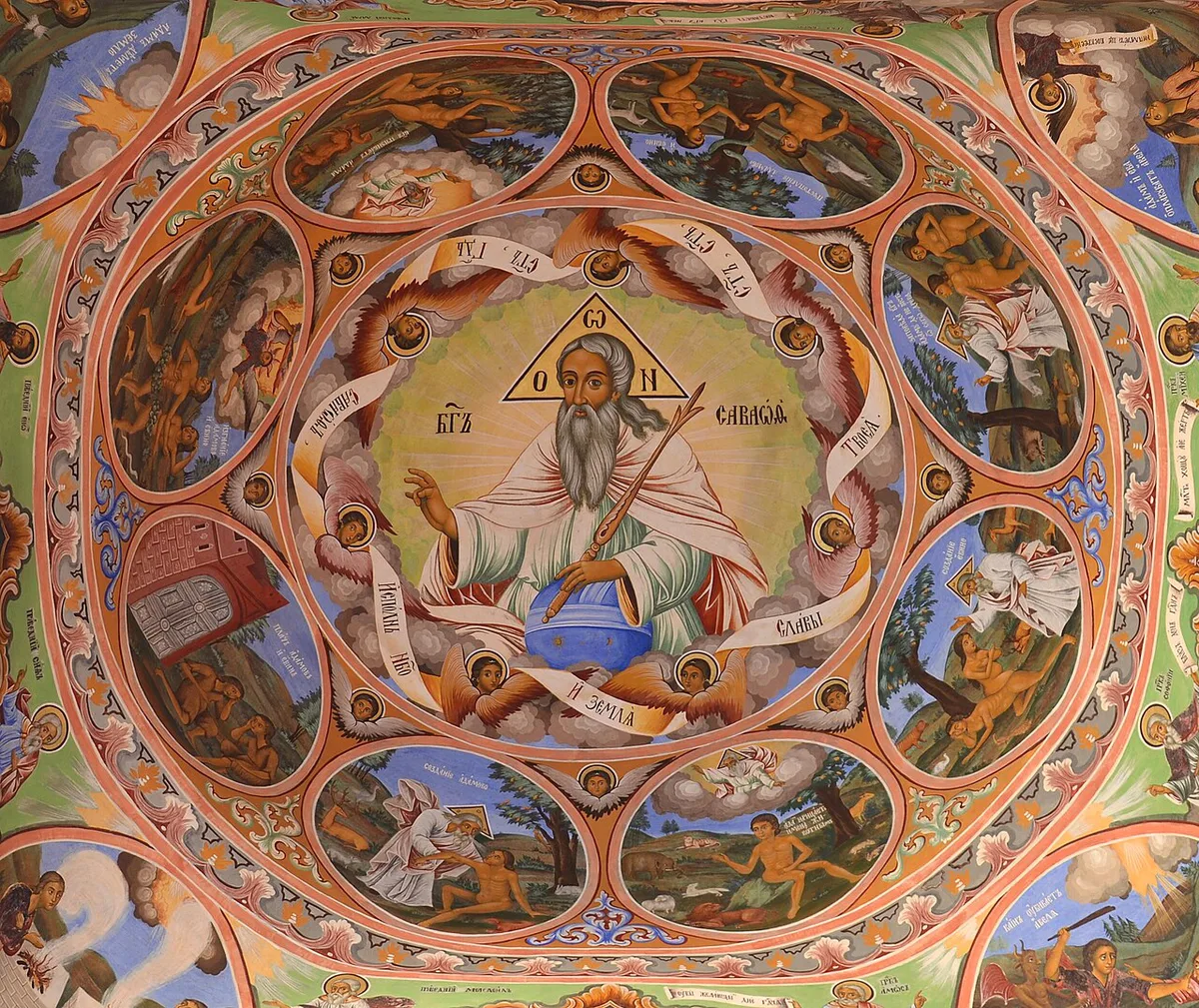
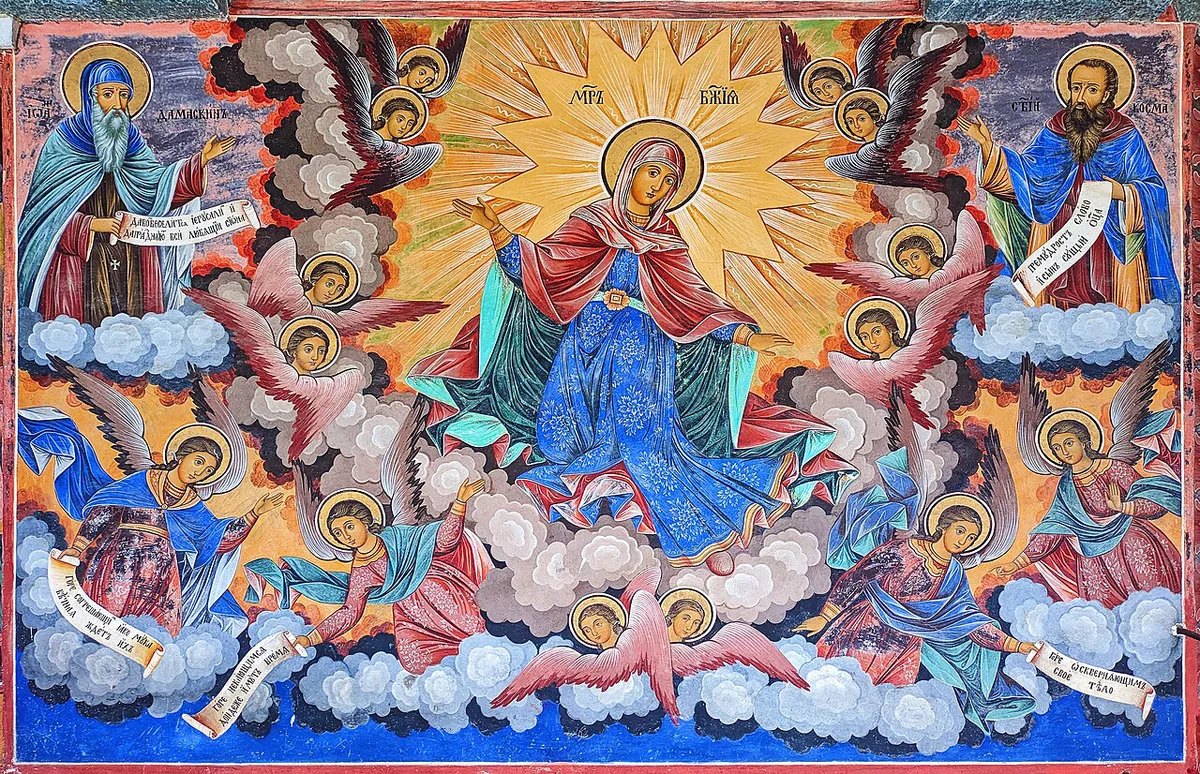
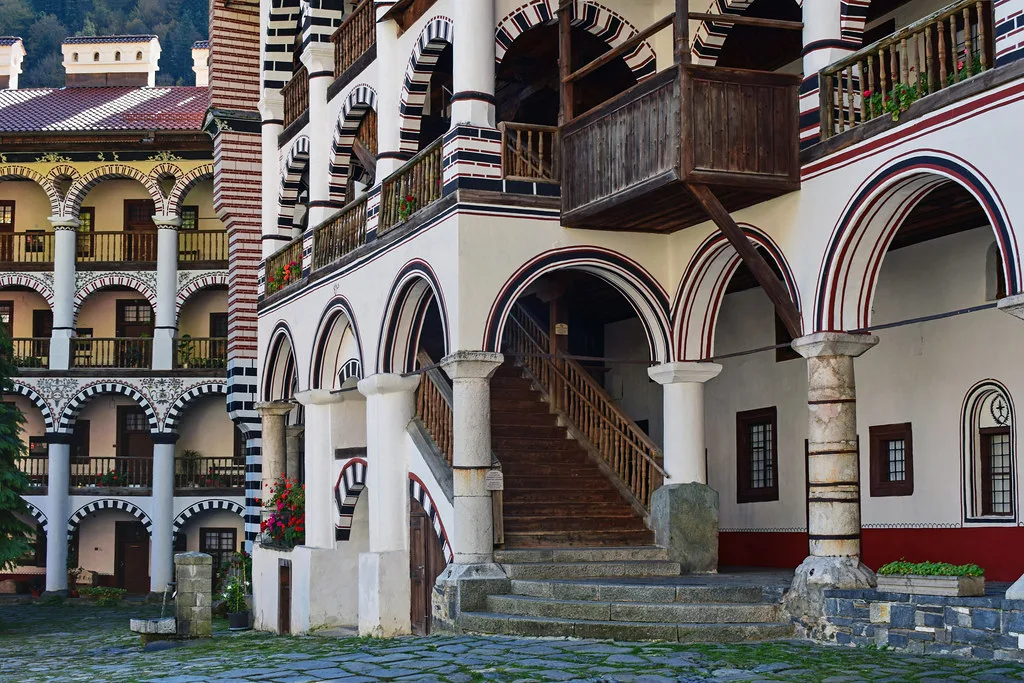
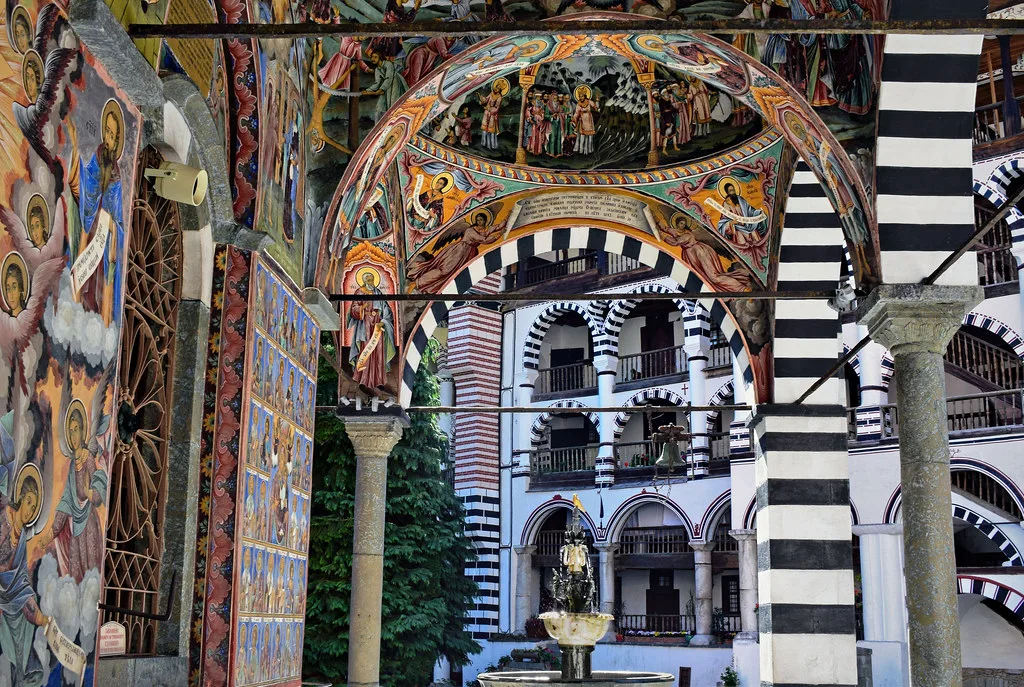
- Culture nearby: Rila Monastery is a UNESCO World Heritage Site founded by Saint Ivan of Rila. Marked trails nearby include one to the cave where the saint lived. Stob Pyramids, a sandstone formation above the village of Stob, sits at the foot of the range and is not a core park sight.
Which part of Rila should you choose?
Pick by fitness, season and how much access friction you accept. Rila is not one destination, and each area suits a different reader.
| Area | Best for | Effort | Access | Season |
|---|---|---|---|---|
| Seven Rila Lakes | First-time hikers, photographers | Easy to hard, depending on how far you go | Panichishte start, lift option | Snow-free months |
| Musala from Borovets | Peak-baggers | Moderate to high | Borovets parking, Yastrebets lift | Late spring to early autumn |
| Malyovitsa | Experienced hikers and climbers | High | Central Mountain School start | Snow-free months |
| Beli Iskar eco-trail | Families, low fitness | Easy | Short drive from Borovets | Spring to autumn |
| Kirilova Polyana | Picnics, camping, trail junction | Easy to moderate | Road access, parking | Spring to autumn |
| Rila Monastery area | Culture plus one short walk | Easy | Road access | Year-round |
How to plan your time
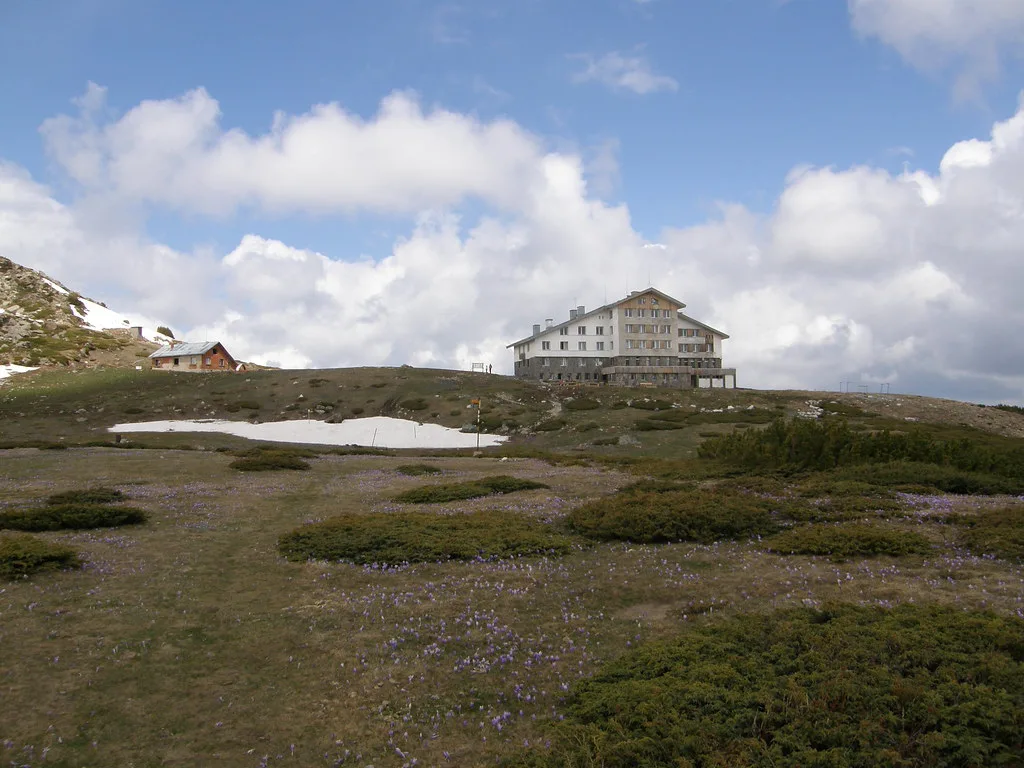
One day suits either the monastery plus one short walk, or a single lakes day. Do not try both. A two-day trip lets you split the park: do the lakes one day and Beli Iskar or Kirilova Polyana the next. With three days or more, add Musala from Borovets or a hut overnight at Ivan Vazov Hut, which stands at about 2,300 m above the Seven Rila Lakes. Walks here range from about 30 minutes to all-day hikes, so size your plan to the longest leg.
Getting there and getting around
The main gateways are Borovets, Panichishte, the Rila Monastery area and the Blagoevgrad side. Borovets and Panichishte have the best-marked starts for Musala and the lakes. Parking at Borovets fills up on weekends, so arrive early or use public transport to the trailhead. Lifts at Yastrebets and Panichishte save climbing time, but their seasons and timetables change. Check the operators' current pages. Sofia-based day trips are feasible, though journey times depend on traffic and season. Look up a live route before you commit.
Costs, permits and rules
No entry fee, permit rule or lift price is confirmed here. Check current prices and rules on the park directorate site and the lift operators' pages.
Where to stay
Borovets is the winter resort at 1,350 m, with rentals, hotels and spa centres. It suits Musala and ski trips. Beli Iskar is a quiet village a few kilometres from Borovets, good for the eco-trail. Mountain huts are basic and high. Ivan Vazov Hut has no mobile signal, so book ahead and carry offline maps. Blagoevgrad or Sofia work as bases for monastery-led days, with longer transfers to the high trailheads.
- Borovets: most services, busy on winter and summer weekends
- Beli Iskar: calm, close to an easy walk
- Huts: closest to high routes, basic comfort
- Blagoevgrad or Sofia: more choice, longer transfers
Best time to visit and safety
Spring and summer suit high routes like Musala, the Seven Rila Lakes and Ivan Vazov Hut, once snow has melted. Autumn is good for Beli Iskar and Kirilova Polyana, but wet leaves make trails slippery, so wear shoes with grip. Winter belongs to Borovets skiing and to the monastery, which draws fewer visitors then. Weather can turn fast at altitude, even in summer. Carry a wind and rain jacket, at least 1.5 L of water per person and a GPS map. Beginners should skip long high routes in winter. For emergencies, read the guidance from the Bulgarian Mountain Rescue Service before you set out. Start high routes early so you are down before afternoon weather changes.
Ivan Vazov Hut sits at about 2,300 m with no mobile signal, so plan to carry at least 1.5 L of water per person.
Common mistakes to avoid
Treating Rila as a single stop is the biggest error. Other frequent slips:
- Starting high routes late in the day
- Assuming lifts run all year
- Skipping offline maps where there is no signal
- Arriving at Borovets late on a weekend and finding parking full
Next steps beyond Rila
For a neighbouring range, see Pirin National Park Guide: Hikes, Lakes and Bases and the Pirin directorate. For a different landscape, try Central Balkan National Park: Hikes, Huts & Access Guide. National overviews are also on the Bulgaria official travel portal.
Frequently Asked Questions
Is Seven Rila Lakes worth it?
Yes, if you want the park's best-known lake scenery. The lower lakes are manageable with children. The full tour needs good fitness and proper clothing.
Why is the Rila Monastery famous?
Saint Ivan of Rila founded it, and it is a UNESCO World Heritage Site. It is one of Bulgaria's most important historical and religious landmarks. Marked trails nearby include one to the saint's cave.
Notes for your next park visit
Optional updates to our national park guides.
Read next
Keep planning
Picked from the same area