
National Parks in Belgium: Which to Visit and How to Get There
Belgium's national and nature parks explained, with Hoge Kempen, access without a car, costs, best season, and day-trip options from the Netherlands.
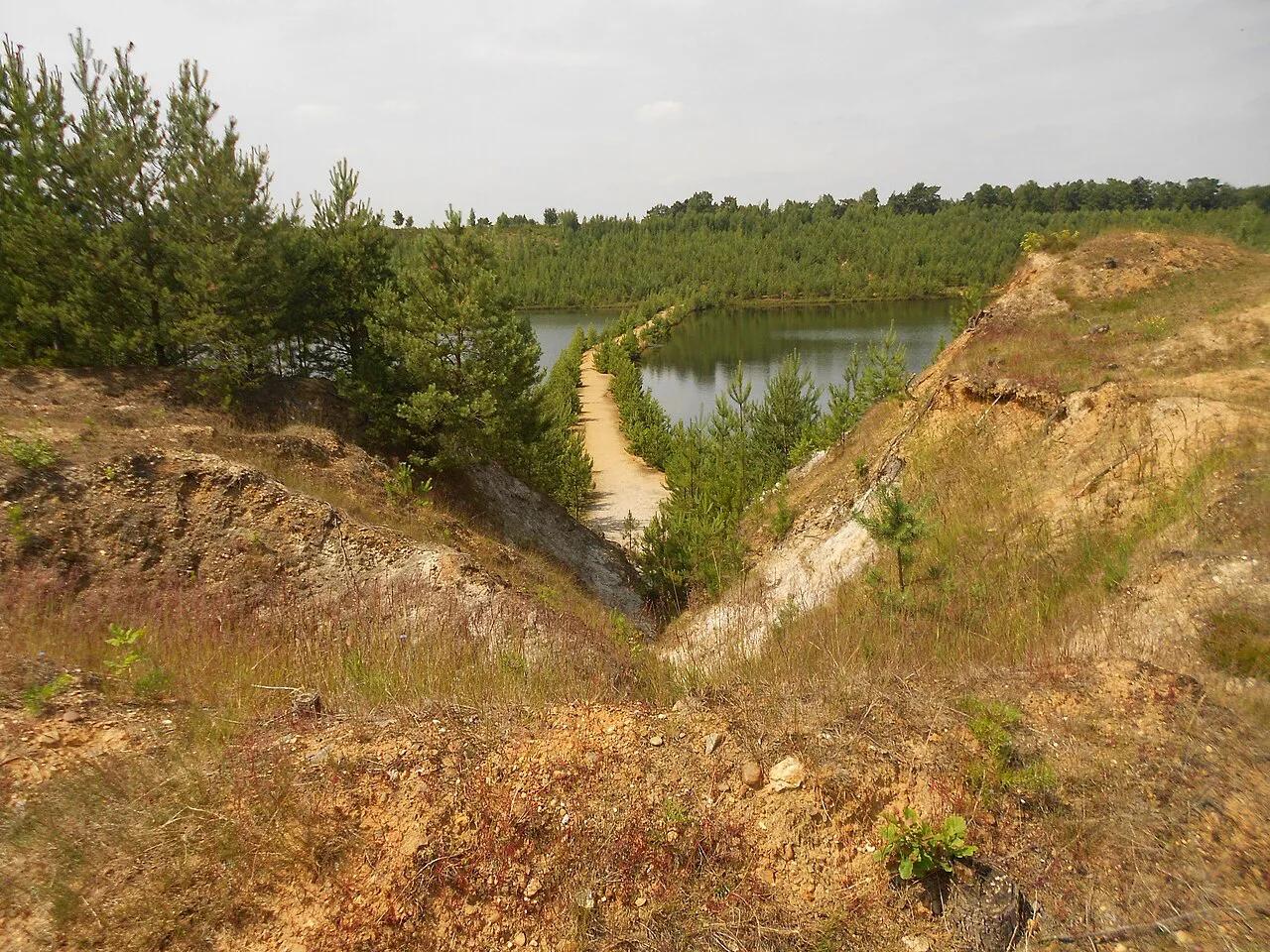
Last updated November 2026: national parks in Belgium come down to one designated park, Hoge Kempen in Limburg, plus a short list of nature parks. Gaume Natural Park, High Fens–Eifel Nature Park and De Zoom–Kalmthoutse Heide Cross-Border Park carry a different label, and each makes a very different day out. From a Dutch base, Hoge Kempen is the practical first pick, and this companion to our Dutch national parks guide shows how to reach it, when to go and what to skip.
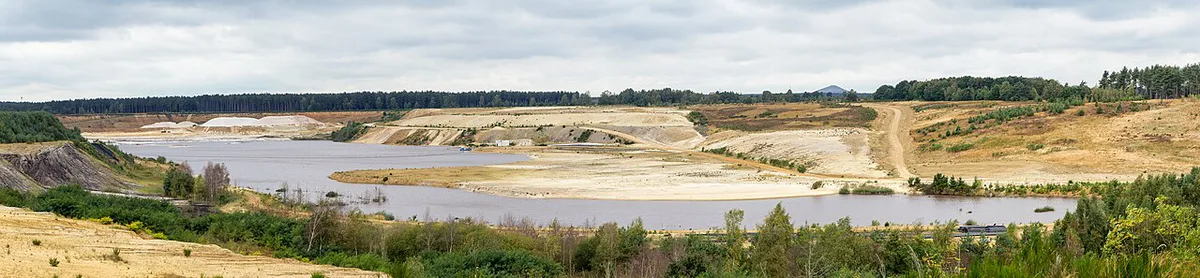
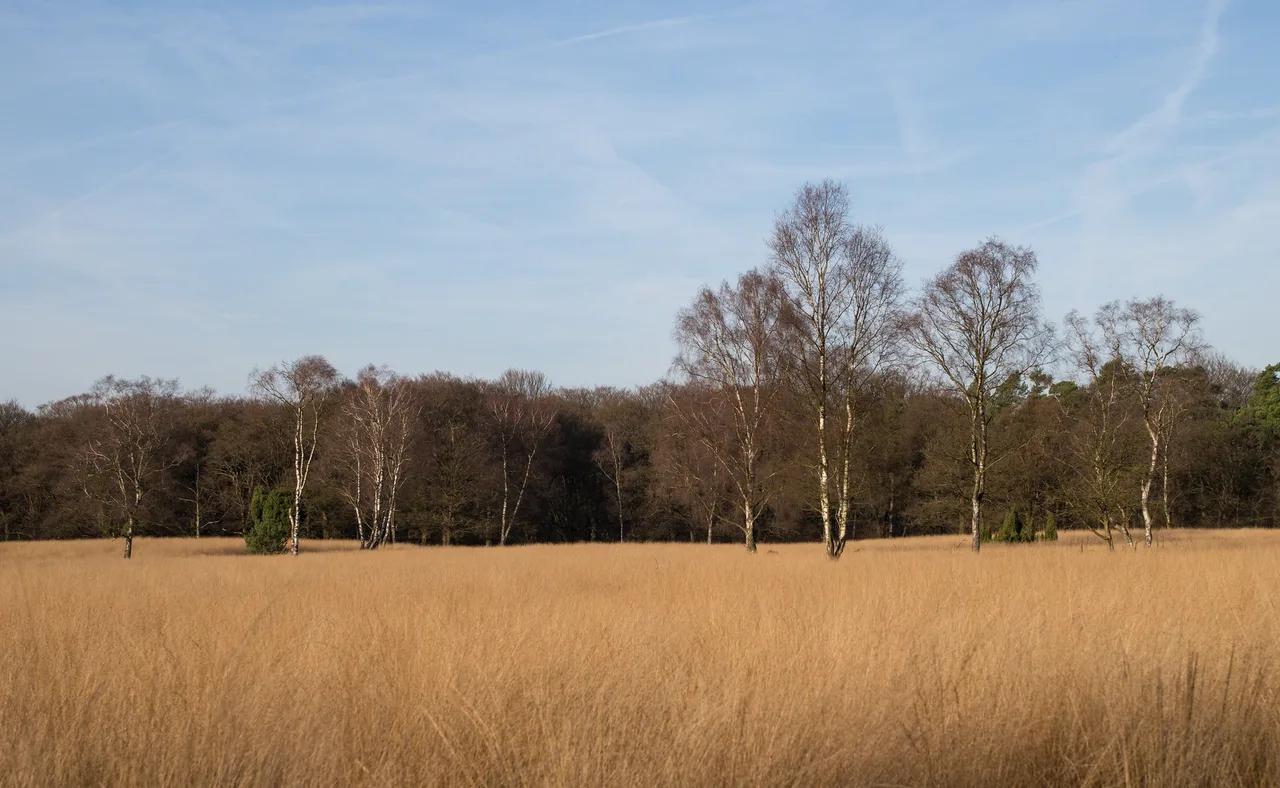
Featured image: Campinia88, CC BY-SA 4.0, via Wikimedia Commons.
Short answer: national parks in Belgium at a glance
Belgium has one national park in the Flemish sense, and it is Hoge Kempen in Limburg. Covering more than 12,000 hectares, it mixes heath, pine forest, ponds and stream valleys. Three nature parks make up the rest of the short list. Labels, landscapes and access differ for each, so the table sorts them by trip type.
| Park | Region | Landscape | Car-free access | Entry | Best fit |
|---|---|---|---|---|---|
| Hoge Kempen National Park | Limburg, Flanders | Heath, pine lanes, ponds, stream valleys | Train to Genk or Hasselt, then local bus or bike | Free to walk and cycle | First-time visitors, walkers, cyclists |
| Gaume Natural Park | Ardennes region | See the park's own site | See the park's own site | See the park's own site | Travelers pairing Belgium with Luxembourg |
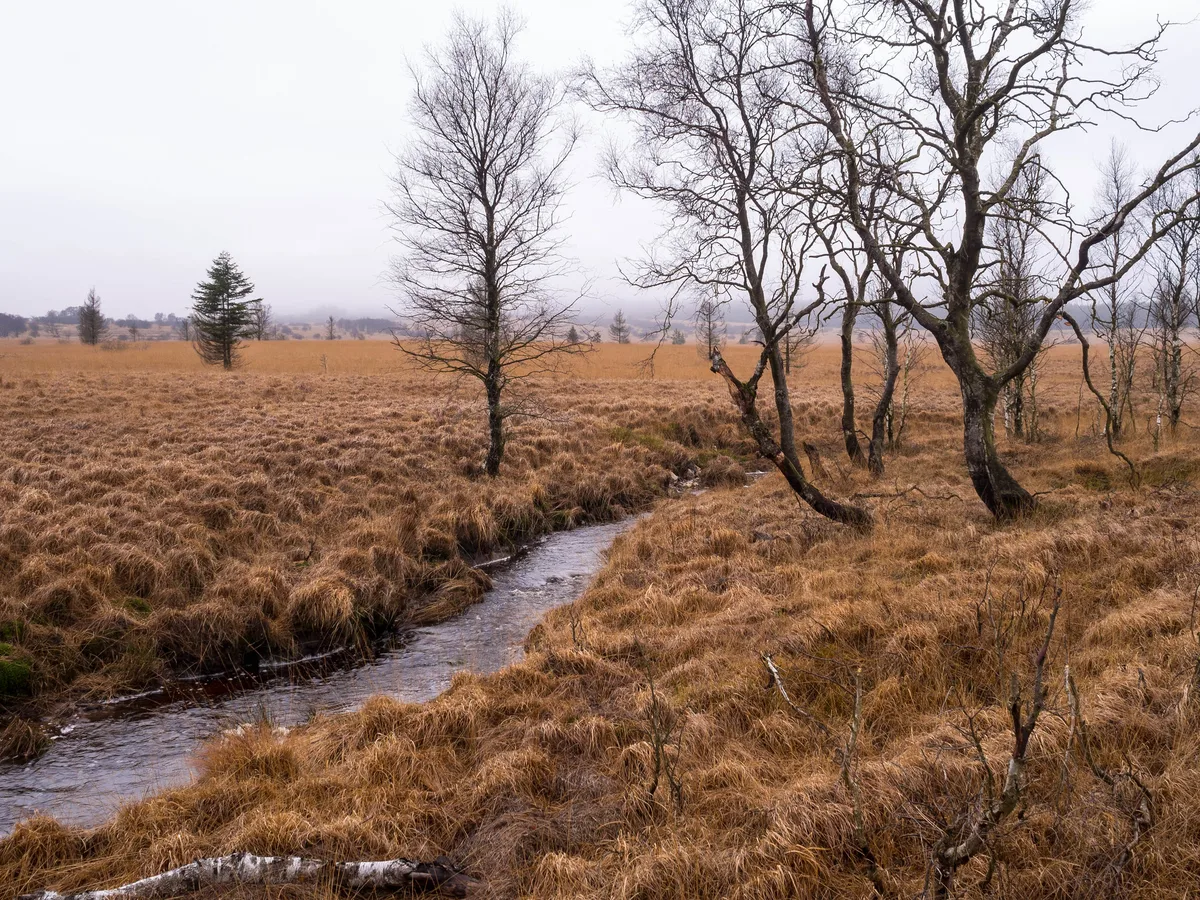
| High Fens–Eifel Nature Park | Ardennes region, linked to Germany | Peat plateau, boardwalks, Botrange summit | See the park's own site | See the park's own site | Moorland and boardwalk fans |
| De Zoom–Kalmthoutse Heide Cross-Border Park | Belgium–Netherlands border | Heather plains, inland dunes, wet pools, Arboretum Kalmthout | See the park's own site | See the park's own site | Heathland fans on a cross-border trip |
- Choose Hoge Kempen if you want a first Belgian park reachable by train and bus.
- Choose Hoge Kempen if you like marked walking and cycling with no booking or timed entry.
- Choose another park if you are already in the Ardennes region and want moorland or forest instead of heath.
- Choose De Zoom–Kalmthoutse Heide if you want to cross the Belgium–Netherlands border on foot.
What counts as a national park in Belgium?
Belgium splits nature protection between its regions, so no single national agency issues one label. In Flanders, Hoge Kempen carries the national park title. Gaume, High Fens–Eifel and De Zoom–Kalmthoutse Heide use nature park labels instead. For protected-area status, the Flemish nature agency Agentschap voor Natuur en Bos is the body to ask.
A nature park is a different label, not a smaller national park. Hoge Kempen itself already has villages and public roads inside its boundary, which is why it has no single gate.
Dutch parks work differently. Hoge Kempen has no fenced perimeter, while Hoge Veluwe's fenced layout gives that park a defined edge. Nationale Parken lists the Dutch side on its national parks portal, so you can compare the two systems before choosing.
Hoge Kempen National Park: Belgium's one national park
Hoge Kempen sits in Limburg, with Genk along its western edge. Walkers get sandy paths, open heath, lakes and roe deer rather than steep climbs. Hills stay gentle, so views are pleasant rather than dramatic. Trails, rules and visitor information live on the official park website.
Five places anchor most visits. Konik horses also appear in the park's heath landscape. Adders bask in sunny clearings, so step carefully on warm days.
This page stays at overview level. For trail-by-trail detail, open our full Hoge Kempen guide.
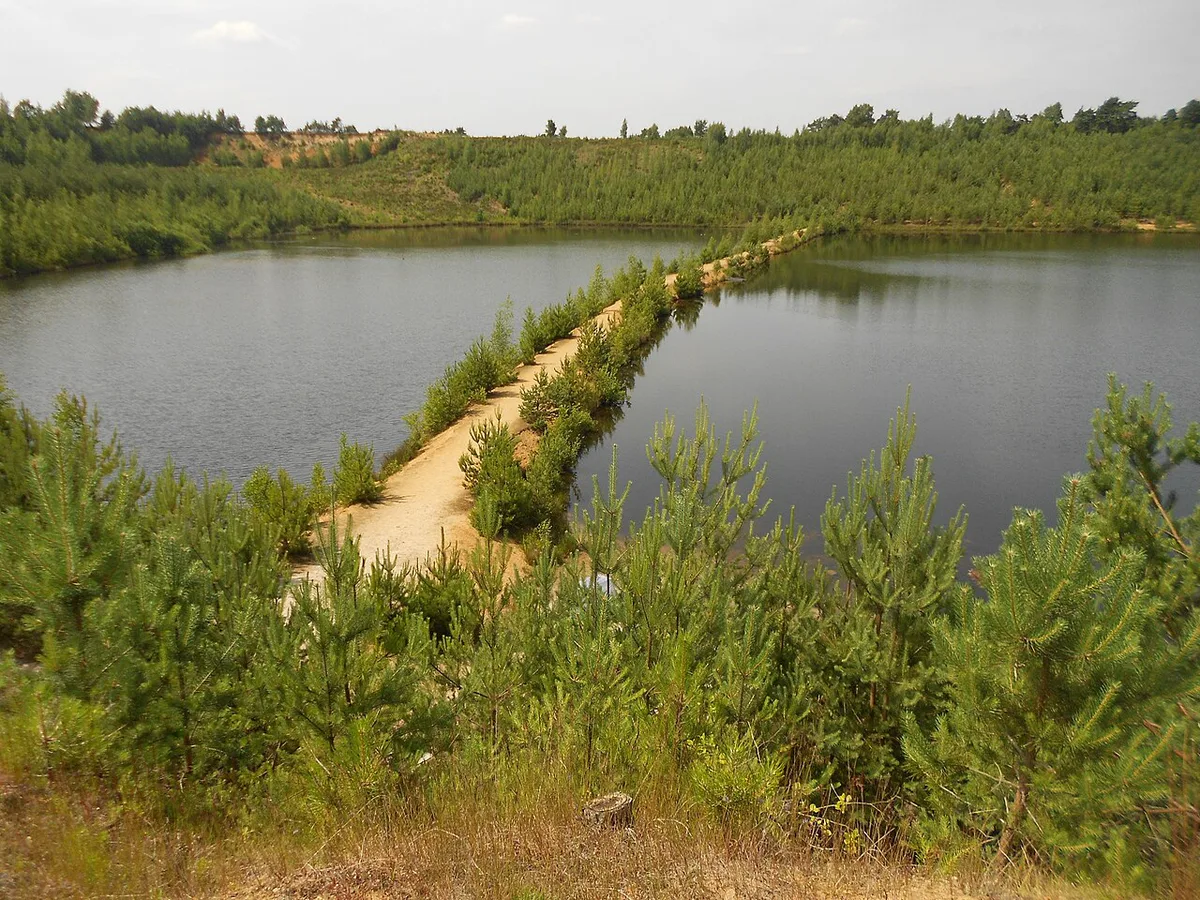
- Mechelse Heide: the park's signature open heath, purple in late summer, with nightjars and woodlarks near dusk.
- Lieteberg: a wooded hill on the Genk side, with paths through pine and heath.
- Wiemesmeer: ponds, reedbeds and wet grassland near Zutendaal, with flat paths and good birdwatching.
- Bosbeek valley: a quiet stream landscape near Maasmechelen, muddy after rain.
- Pine lanes: long straight avenues of Scots pine planted on former sand and heath.
Hiking and cycling in Hoge Kempen
A numbered junction network serves walkers and cyclists alike. Link junction numbers into your own loop and switch between modes whenever you like. Waymarked walking routes add colored posts.
Sand underfoot tires calves more than a map suggests. Ordinary walking shoes work, but allow extra time. Open heath has little shade, so carry water and a hat. Ticks live in heather and tall grass, so long trousers help. Phone signal can drop in deep forest, so download an offline map first.
Bike rental in Genk or Hasselt is reported at €12–20 a day. A bike lets you string together far more junctions than you can on foot.
- Wiemesmeer loop: flat paths past ponds and reeds, about 1–2 hours.
- Mechelse Heide walk: open, exposed routes of a few kilometers, about 1–3 hours.
- Half day: one loop at Mechelse Heide or Wiemesmeer, then lunch in a nearby village.
- Full day: Mechelse Heide and Lieteberg, linked by junction numbers on foot or by bike.
- Weekend: day one as above, day two on a longer ride or at the Terhills and Cosmodrome zone.
Getting to Hoge Kempen without a car
Trains reach Hasselt and Genk, and local buses run from both to edge villages such as As, Opglabbeek and Zutendaal. Reported journeys take 20–40 minutes. De Lijn runs the buses, so read timetables the night before.
Hasselt lies roughly 15 km west of the park, and simple rooms there run about €30–45, well below Genk hotels from about €70.
No single entrance exists. Villages and public roads cross the park, so pick a trailhead by its bus stop rather than by attraction. Rural Flemish services thin out on weekends and evenings.
From the Netherlands, plan the Dutch leg with NS and the Belgian leg with NMBS/SNCB. Hasselt and Genk are the practical rail stops. Hasselt lies roughly 15 km west of the park.
| Option | Strength | Trade-off |
|---|---|---|
| Train plus bus | No parking worries, trailhead set by stop | Thin weekend service, fixed return times |
| Train plus rented bike | Reach more junctions, flexible timing | Soft sand slows cycling on heath tracks |
| Car | Free choice of trailhead | Parking varies by trailhead; no single gate to aim for |
Other protected areas worth a trip
Three nature parks sit outside Hoge Kempen's national park label. Treat each as a separate trip and check access on its own site first.
Gaume Natural Park lies in the Ardennes region, which pairs naturally with Luxembourg's parks. High Fens–Eifel Nature Park links Belgium with Germany. De Zoom–Kalmthoutse Heide spans the Belgium–Netherlands border.
Heath fans can compare Kalmthout's heather with Dutch moorland at Dwingelderveld's heathland. Visit Flanders covers regional context on its Flemish travel site.
- Gaume Natural Park: Ardennes region; confirm trails and transport with the park.
- High Fens–Eifel: peat plateau, boardwalks and the Botrange summit, reported about 57 km from Hoge Kempen.
- De Zoom–Kalmthoutse Heide: heather plains, inland dunes, wet pools and Arboretum Kalmthout, reported about 94 km from Hoge Kempen.
Best time to visit Hoge Kempen
Heather blooms on the open heath in late August and early September. Bloom timing shifts each year, so ask the park or Visit Limburg before booking. Quieter paths come after the bloom, while winter brings short days.
Rule of thumb: pick late August to early September for purple heath. Pick late September to October for thinner crowds and golden birch. Pick May–June for long days and green woods.
| Period | Typical highs | What to expect |
|---|---|---|
| May–June | 16–22°C | Green beech and pine woods, long days, cyclists and families on weekends |
| July–August | 20–25°C | Long walks, school holidays filling campsites, afternoon thunderstorms |
| Late August–early September | Mild | Heather bloom on open heath |
| September–October | 12–19°C | Thinner crowds, golden birch, lower rates after summer holidays |
| November–March | 2–8°C | Short gray days, muddy sand tracks, about 8 hours of daylight, cheapest lodging |
Costs, tickets and opening hours at Hoge Kempen
Prices and hours checked November 2026. Walking and cycling the trails cost nothing, and the park has no opening hours because it is open terrain. Some attractions inside, such as the Cosmodrome and the Terhills tower, charge their own tickets and keep their own hours.
Visit Limburg is the source cited for a daily budget of about €58. That figure assumes camping or a hostel bed, public transport and self-catered meals.
| Item | Reported cost | Note |
|---|---|---|
| Park entry | €0 | No gate, no permit for day visits |
| Local bus | About €3 per ride | Day passes exist; check De Lijn |
| Bike rental | €12–20 per day | Genk or Hasselt |
| Attraction tickets | About €5–15 | Cosmodrome-type extras, bought separately |
| Picnic from a supermarket | €6–10 | Cheapest in Genk and Maasmechelen |
| Café meal | €12–18 | Village cafés and town centers |
Where to stay near Hoge Kempen
The park has no hostel, so most visitors sleep in a nearby town. Bivouac zones allow overnight stays for hikers, but you must reserve through the park's official channels. Summer weekends book out early at holiday parks.
| Base | Reported price | Access | Atmosphere |
|---|---|---|---|
| Genk | Hotels from about €70 a night | Train station, buses to trailheads | Beside the park, near C-mine and Bokrijk |
| Hasselt | About €30–45 for hostel beds or simple rooms | Good rail links, roughly 15 km west | More restaurants and choice |
| Maasmechelen | Guesthouses about €60–100 a double | Eastern side of the park | Quieter, village feel |
| Campsites near Opglabbeek, As and Zutendaal | Tent pitches about €15–25 | Thinner bus service | Closest to heath and forest |
- Choose Genk or Hasselt if you rely on buses.
- Choose a campsite if you have a bike or car.
Combining Belgium with the Netherlands and Luxembourg
Hoge Kempen suits a Dutch itinerary because it contrasts with fenced, gate-based parks across the border. A day trip works best when the rail leg is short. Otherwise sleep one night in Hasselt or Genk and walk two loops.
Pair Hoge Kempen with Dutch heath for a heathland comparison. Pair Gaume or High Fens–Eifel with a Luxembourg leg for a forest and moorland trip. Pair De Zoom–Kalmthoutse Heide with a Dutch border stop for a true cross-border day.
- Heathland route: Hoge Kempen, then a Dutch heath park.
- Ardennes route: Gaume or High Fens–Eifel, then Luxembourg.
- Border route: De Zoom–Kalmthoutse Heide on foot across the Belgium–Netherlands line.
Common mistakes to avoid
Most problems at Hoge Kempen come from expecting a Dutch-style park. Plan around its open layout.
- Expecting a single gate or visitor centre; choose a trailhead by bus stop instead.
- Relying on weekend buses; read De Lijn timetables the night before.
- Visiting outside late August to early September and expecting purple heath.
- Underestimating winter daylight of about 8 hours.
- Skipping water and sun protection on the open heath.
- Treating nature park labels as identical to the national park.
Notes for your next park visit
Optional updates to our national park guides.
Read next

Keep planning
Picked from the same area