
Lemmenjoki National Park Guide: Access, Huts, Seasons
Plan a trip to Lemmenjoki National Park in Finnish Lapland: how to get there, when to go, huts, hiking and gold-panning heritage, plus honest trade-offs.
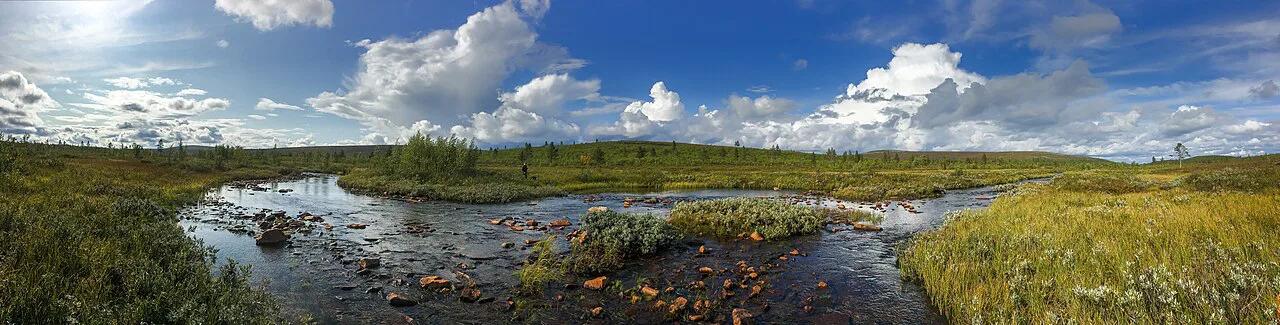
Last updated November 2026: Lemmenjoki National Park covers 2,855 km² in northern Finland and is the country's largest national park. It is a roadless wilderness southwest of Lake Inari, so a visit needs planning rather than a quick detour. Use this guide to choose between a short river visit and a multi-day trek, and to place the park within the wider Finnish national parks guide.
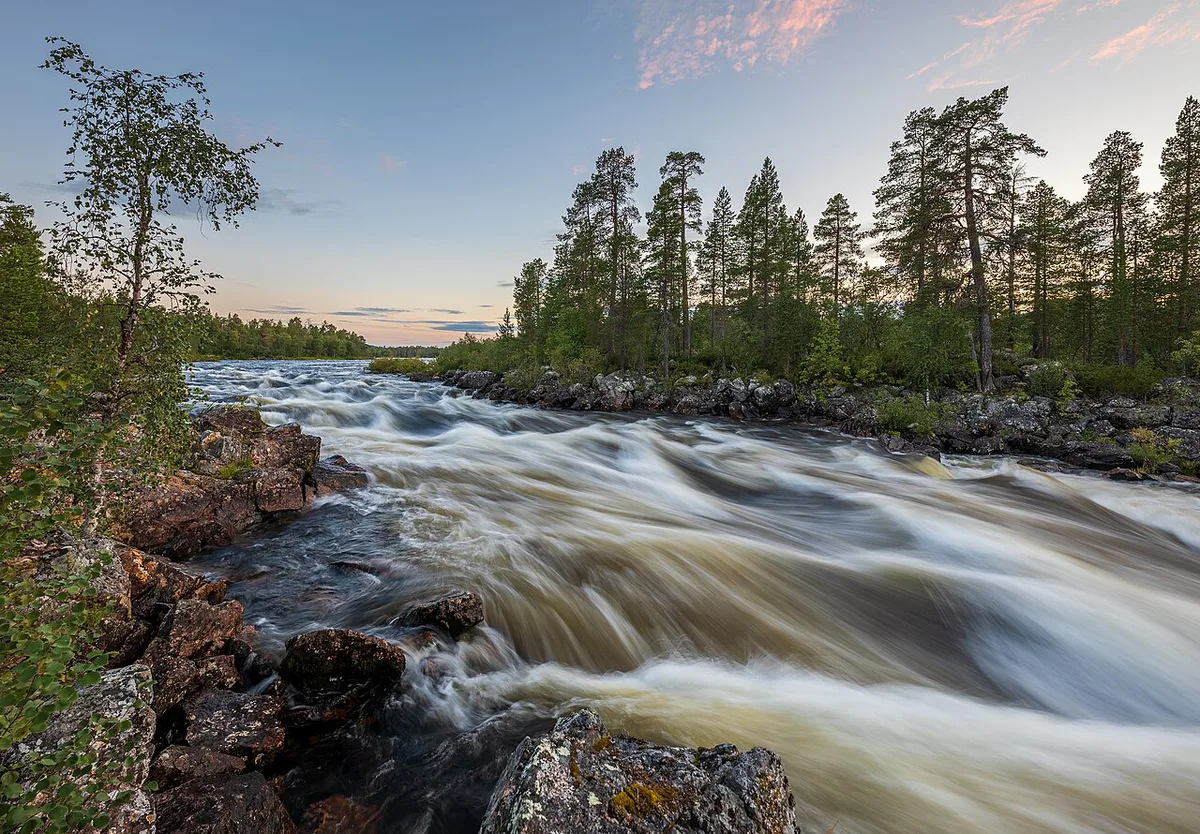
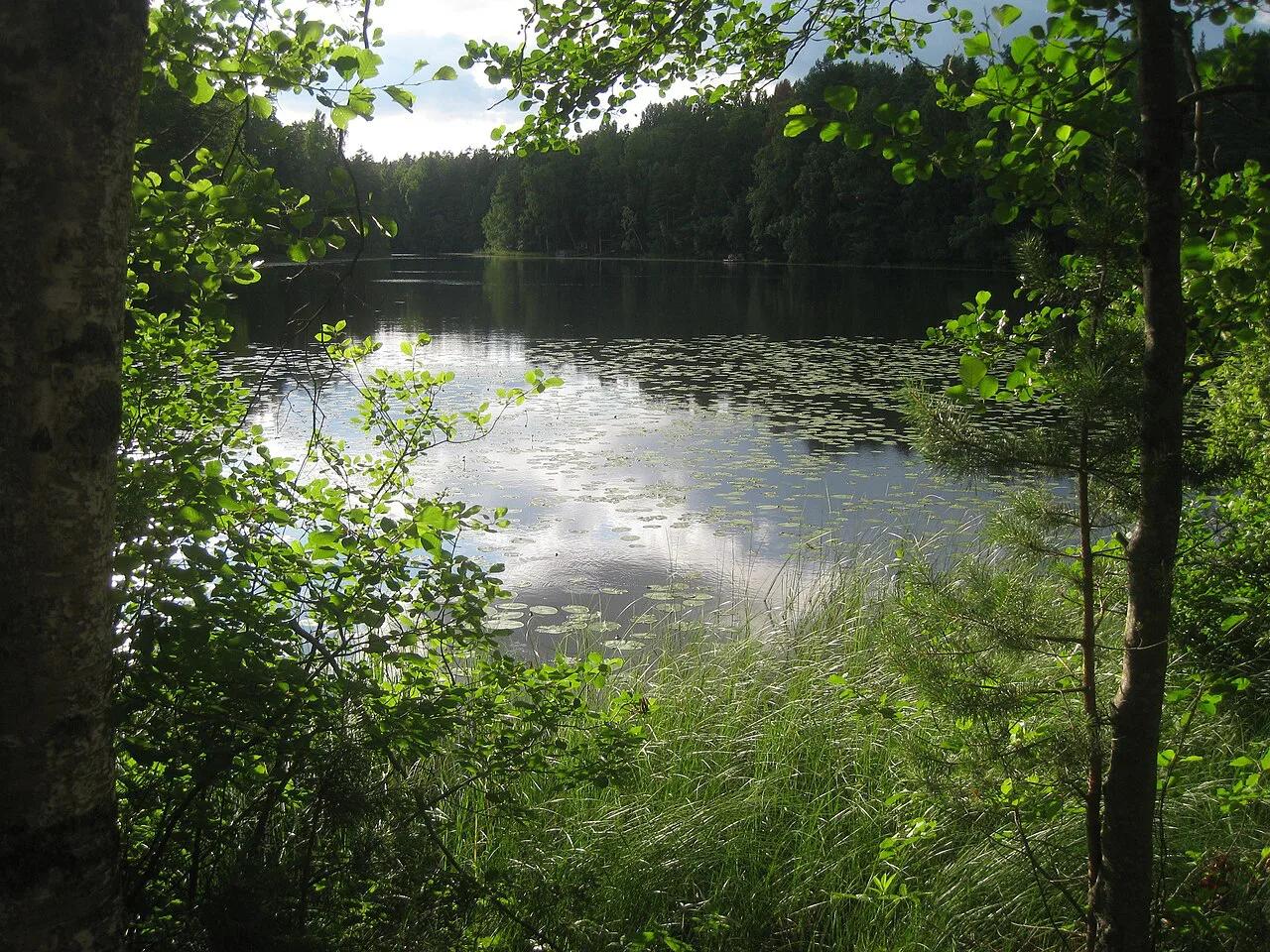
Featured image: Markus Säynevirta, CC BY-SA 4.0, via Wikimedia Commons.
Lemmenjoki National Park at a glance
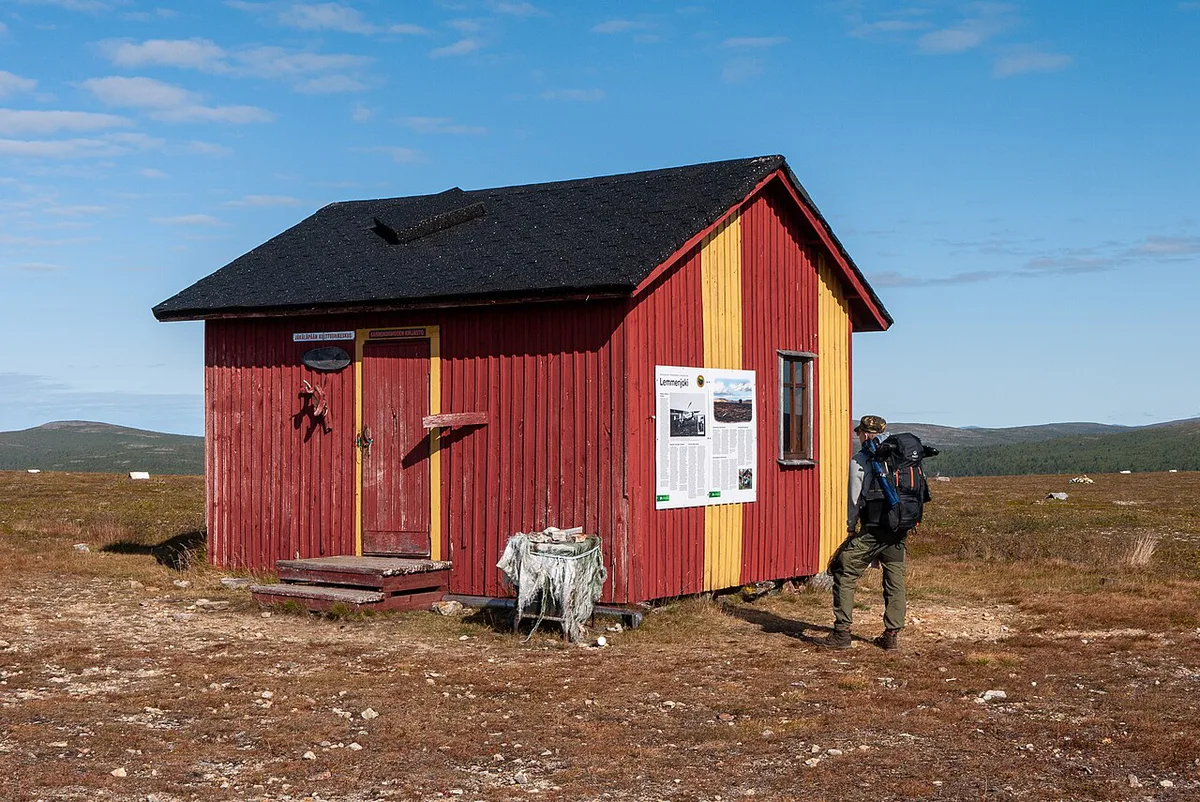
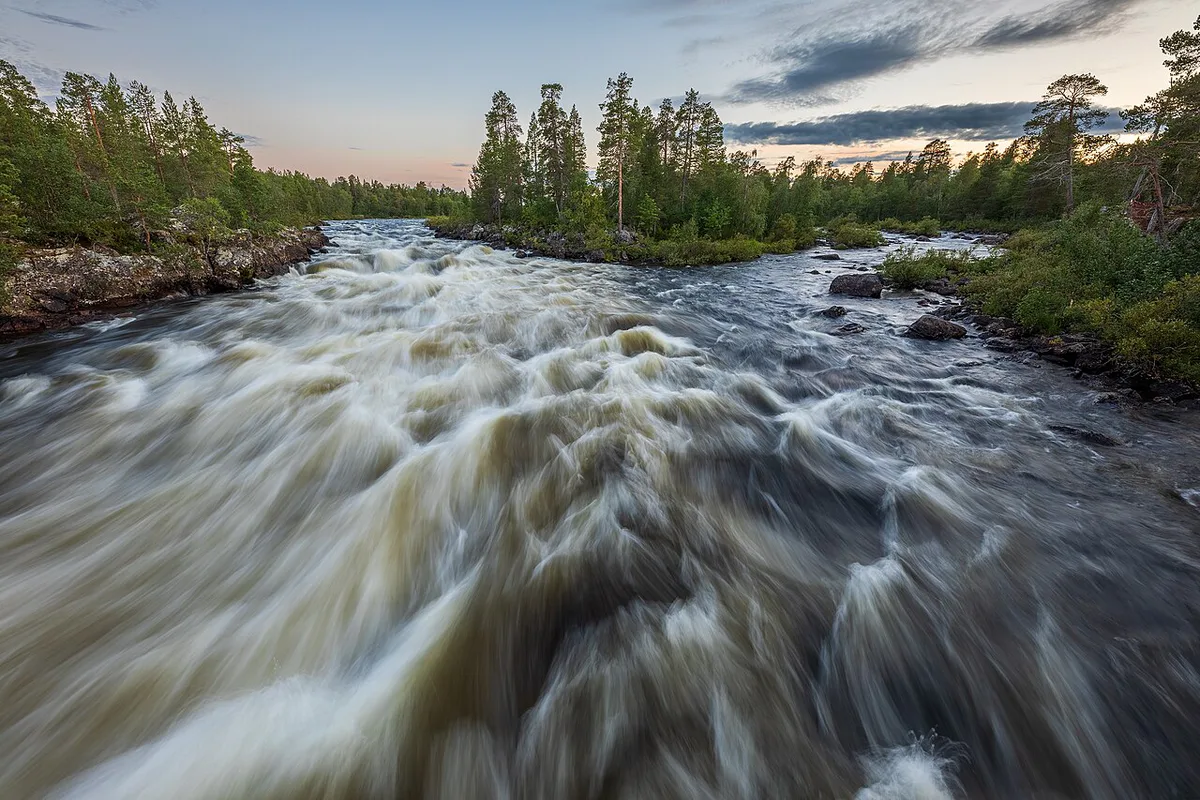
Established in 1956, the park lies in Inari municipality near Lake Inari. Its 2,855 km² make it one of Europe's largest roadless, uninhabited forest wildernesses. Several large rivers cross it, including the Lemmenjoki, with forest, fell and mire areas between them. Official trail, hut and rule details sit on the Nationalparks.fi page for Lemmenjoki.
- Size: 2,855 km²
- Established: 1956
- Region: Inari municipality, Finnish Lapland
- Main gateway: Njurgulahti, with the Lemmenjoki River boat service
Is Lemmenjoki worth it? Who it suits
Go if you want silence, river valleys and old forest more than facilities. Valley slopes carry old pine forest, with mountain birch higher up. Lynx, wolverine and bear live in the park, though sightings are never guaranteed. Skip it if you need paved paths, cafés or a fixed schedule. Travelers put off by remoteness will find easier options in the comparison below.
How to get there and get around
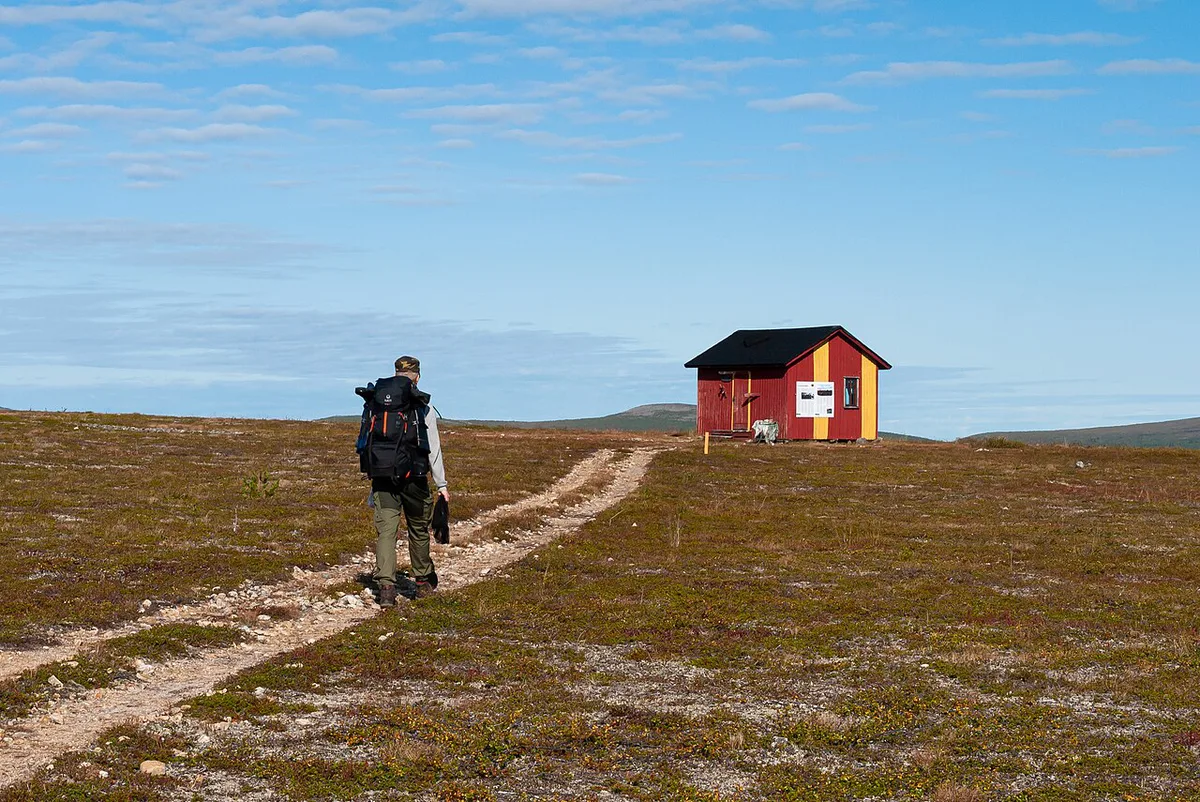
Ivalo is the usual air gateway, and Njurgulahti is the main entry point where the river boat service starts. Road times, boat fares and timetables change, so check Visit Inari and the operators directly.
Njurgulahti is the main gateway, but across 2,855 km² of roadless land there is no road to cut a bad day short.
Best things to do in Lemmenjoki
Your options depend on effort and season. Gold-panning heritage is part of the park's story, but panning rules and permitted areas are set by Metsähallitus. Read them on Nationalparks.fi before you bring a pan.
| Option | Effort | Gear | Best for |
|---|---|---|---|
| River trip | Low | Warm layers, rain shell | Short stays, mixed-ability groups |
| Day walk | Moderate | Boots, map, food and water | Travelers based nearby |
| Multi-day trek | High | Offline map, compass, full pack | Experienced wilderness hikers |
- River trip from Njurgulahti: the lowest-effort way to see the Lemmenjoki valley.
- Day walk: a short trail out from the gateway with no overnight gear.
- Multi-day trek: wilderness huts, river valleys and fell country.
- Wildlife watching: lynx, wolverine and bear are present, but patience matters.
- Gold-panning history: mining heritage in the river valley, with current rules to check first.
Best time to visit Lemmenjoki National Park
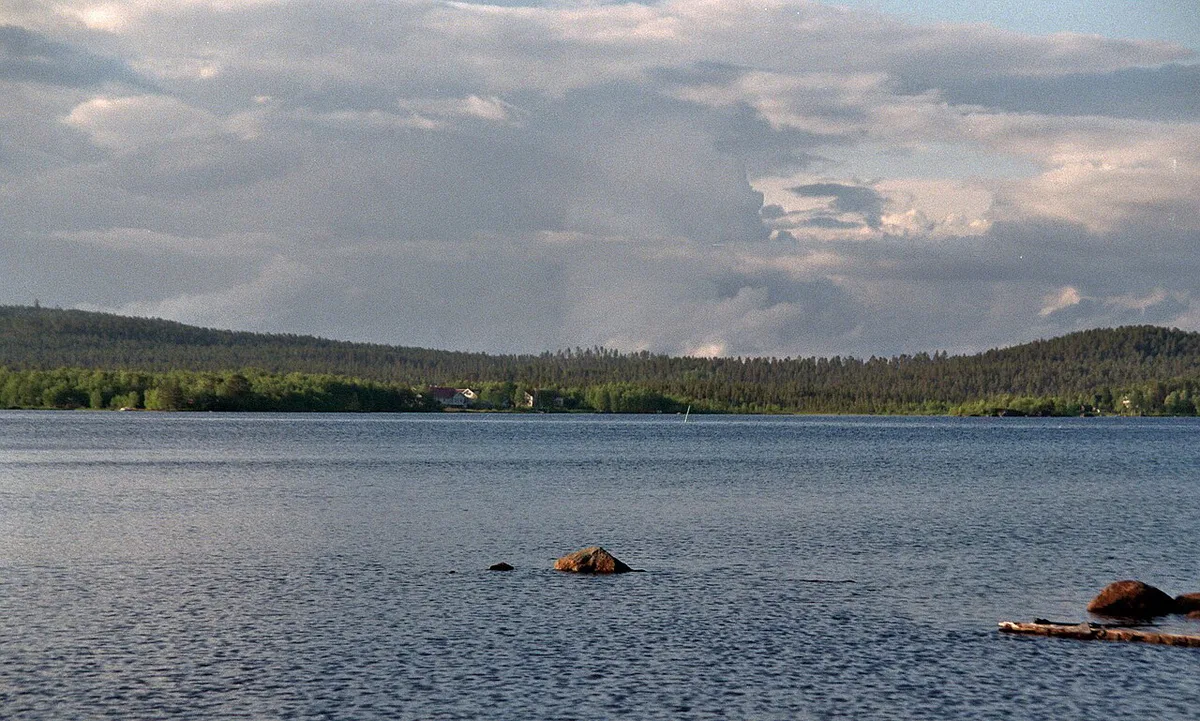
Season changes boat access, snow cover, daylight and insects. For current conditions, read the park page and Visit Finnish Lapland before you fix dates.
| Season | What to expect | Trade-off |
|---|---|---|
| Summer | Open trails and river trips | Mosquitoes are likely |
| Autumn | Fell and birch colour | Shorter days, colder nights |
| Winter | Snow-covered wilderness | Short daylight, cold-weather gear needed |
| Spring | Snowmelt on trails and rivers | Wet ground, variable access |
Where to stay
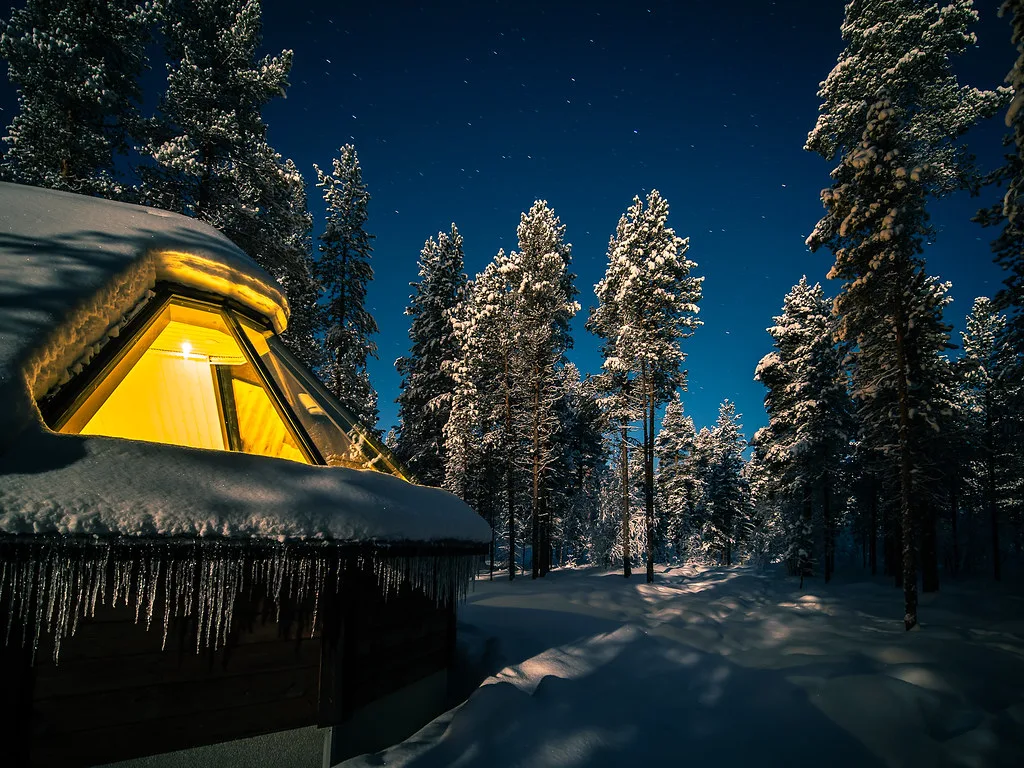
Options range from wilderness huts and camping inside the park to lodging near Njurgulahti and Inari. Hut and camping rules are listed on Nationalparks.fi, so read them before you commit to an itinerary.
Costs, permits and rules
Entry, hut and boat costs are published by Metsähallitus and the boat operators, so use those pages rather than third-party figures. Camping, fire and gold-panning rules sit on the official park page.
Planning mistakes to avoid and safety
Remote parks punish optimism. Phone coverage can drop, and there are no roads to shortcut a bad day.
- Underestimating distances: plan stages with margin for weather and river crossings.
- Relying on a phone map: carry a paper map and compass as backup.
- Assuming services exist: bring food, water treatment and spare layers.
- Skipping route notes: tell someone your route and return day.
- Ignoring official safety guidance: read it on Nationalparks.fi before you go.
Lemmenjoki vs other Finnish national parks
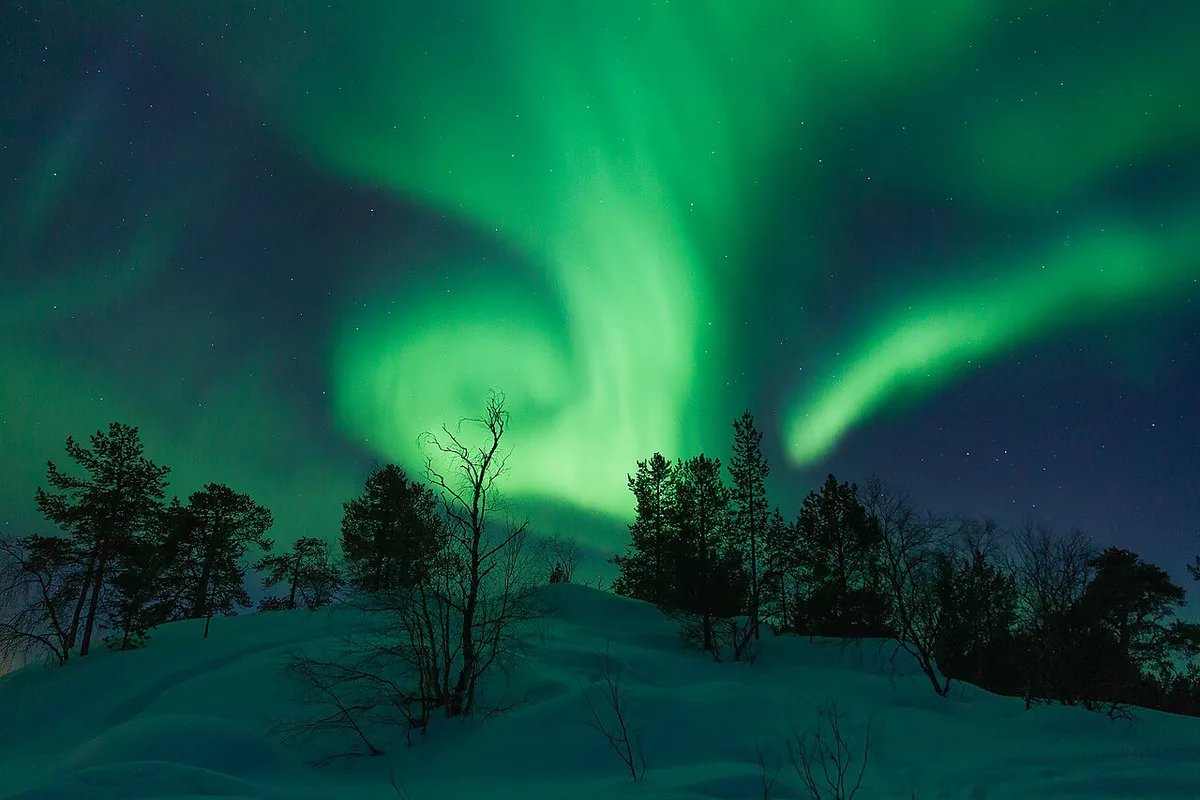
Pick Lemmenjoki for river wilderness and scale. For fell scenery, try Pallas-Yllästunturi or Urho Kekkonen. Oulanka suits canyon and river walkers. If remoteness worries you, Nuuksio is a gentler start. Koli offers lake views with easier logistics. Compare every option in the national parks hub.
Day trip or multi-day trek?
A 1-day visit suits travelers who want the Lemmenjoki River valley without committing to wilderness travel. Start from Njurgulahti, where the river boat service operates, then choose a river trip or a short walk with warm layers, a rain shell, food and water.
Choose a multi-day trek only if you can navigate independently and carry a full pack. The park covers 2,855 km² of roadless terrain, so routes cannot be shortened by simply finding a nearby road. Carry an offline map and compass, and leave your route and expected return day with someone outside the park.
The park was established in 1956 and remains a place for patient, self-reliant travel rather than tightly scheduled sightseeing. If you prefer fixed transport, frequent services or easy exits, use Lemmenjoki as a shorter river-focused visit or choose a more accessible Finnish national park.
Notes for your next park visit
Optional updates to our national park guides.
Read next

Keep planning
Picked from the same area