
Abisko Weather by Month: Temperatures, Daylight & What to Pack
Abisko weather by season: temperatures, daylight, snow and aurora conditions, plus when to go and what to pack for Swedish Lapland.
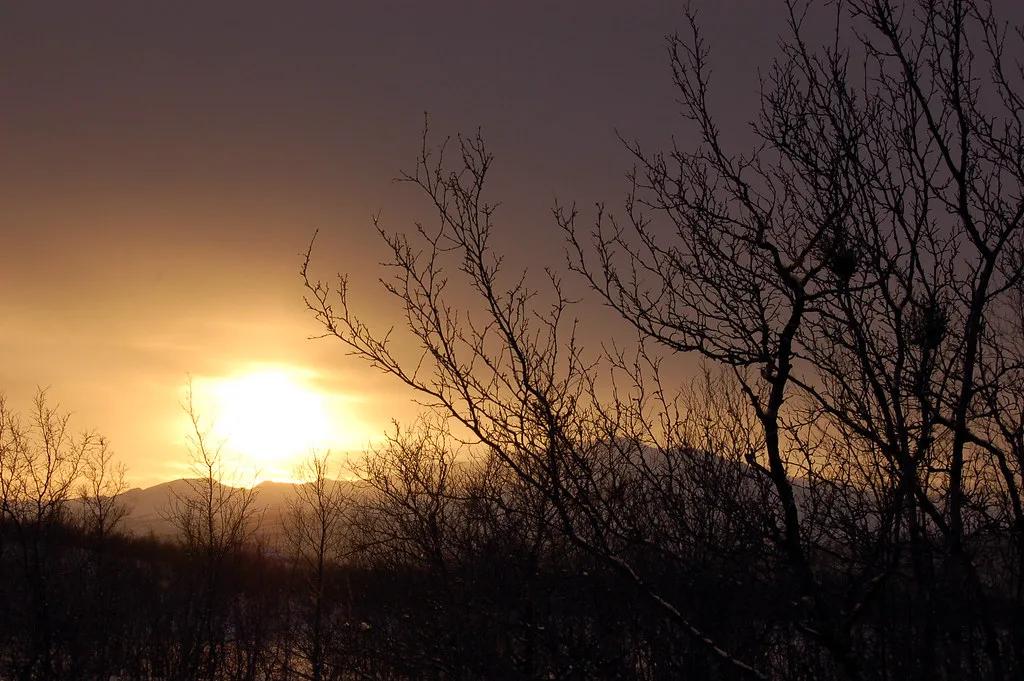
Last updated November 2026. Abisko weather swings between subarctic extremes, from winter days with under 4 hours of daylight to summer nights where the sun barely dips. Use this guide to plan by season, and check SMHI's official forecast for today's conditions. Abisko sits inside Abisko National Park Guide: When to Go & How to Visit, so plans there hinge on light, wind and snow more than on rain.
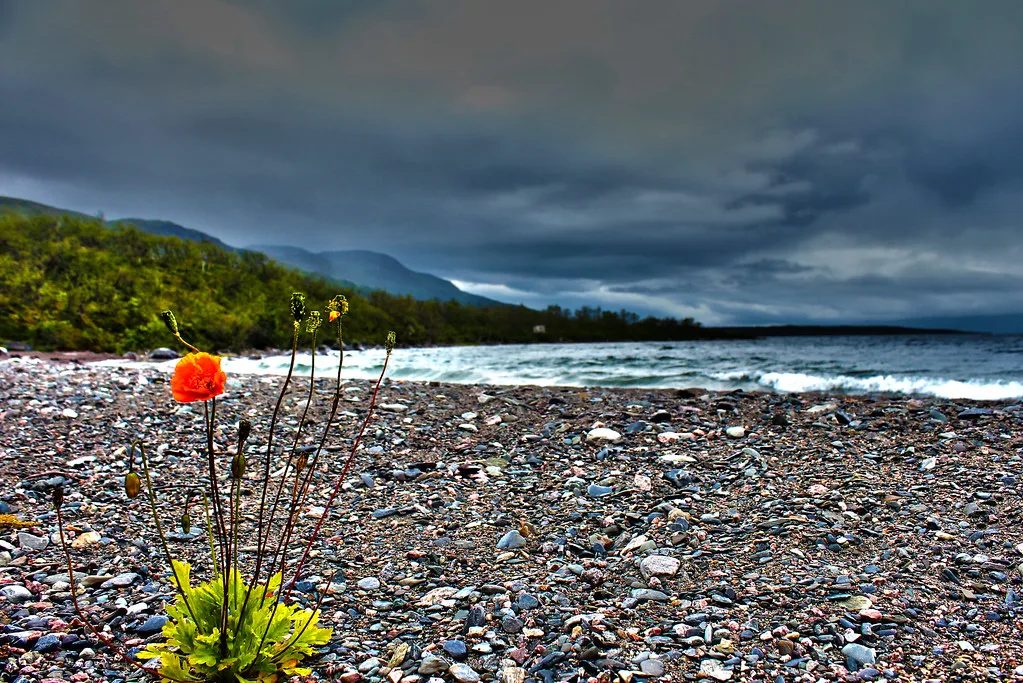
Featured image: bjaglin, CC BY 2.0, via Flickr.
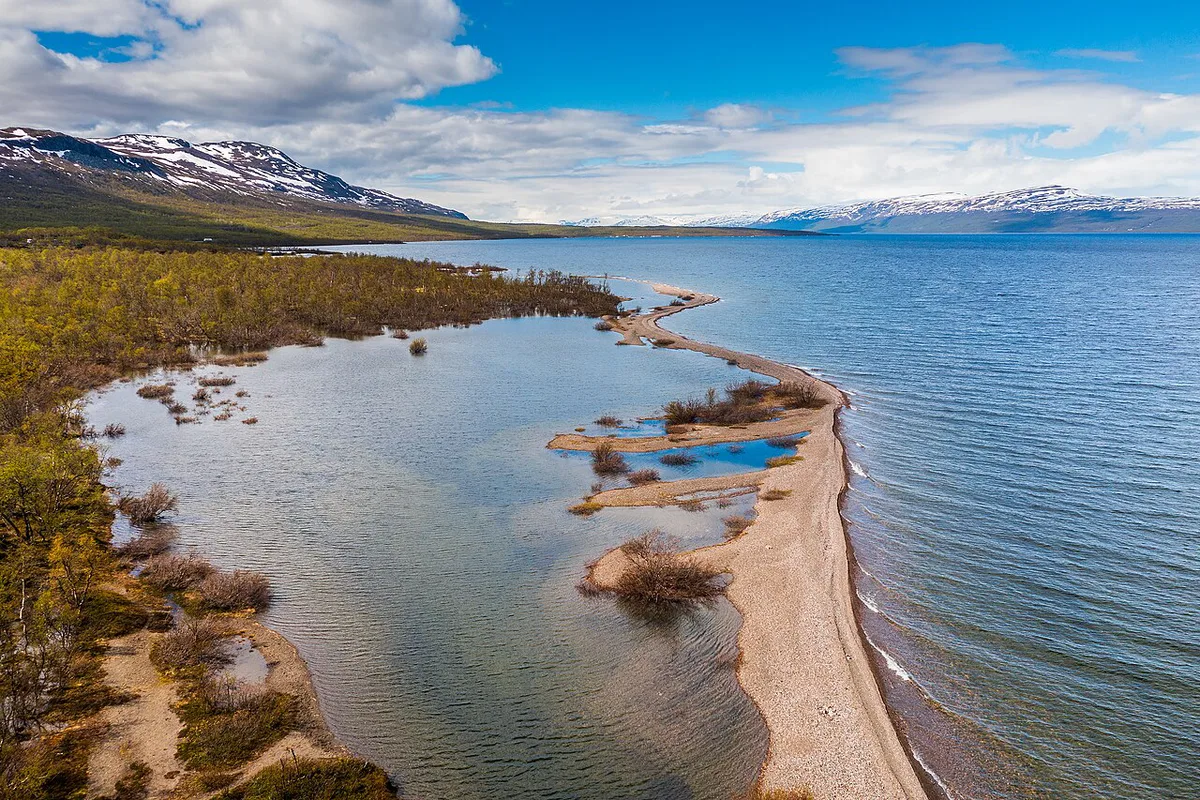
Abisko Weather at a Glance
Winter is cold, dark and snowy. Summer is cool to mild with very long light. One late-November forecast showed about −8°C (18°F) with light snow and a light 2 m/s wind. The same 14-day outlook ranged from roughly −4°C (25°F) to −15°C (5°F). Treat that as one day's forecast, not a climate average. Daylight on 21 November was about 3 h 54 min and shrinking by 5-6 minutes a day.
| Goal | Best season | Weather to expect |
|---|---|---|
| Northern lights | Late autumn to March | Cold, long nights, cloud cover varies |
| Skiing and snowshoeing | Late winter | Deep snow, short but growing days |
| Kungsleden hiking | Summer | Cool days, long light, insects |
| Autumn colours | Early autumn | Crisp air, first frosts, changeable |
| Midnight sun photography | Midsummer | Light all night, mild but breezy |
Abisko Weather by Season
Four seasons look very different here. The table compares them qualitatively, because exact monthly normals are best read from SMHI's climate data. Late-November daylight under 4 hours is the one measured anchor from recent forecasts. Wind chill matters: the same forecast listed feels-like readings several degrees below air temperature, for example −10°C (14°F) against −8°C (18°F).
| Season | Daylight | Temperature feel | Snow | Best for |
|---|---|---|---|---|
| Winter (Dec-Feb) | Polar night or a few hours | Deep cold, frequent wind chill | Reliable snow cover | Aurora, skiing |
| Spring (Mar-May) | Rapidly lengthening | Cold easing, big day-night swings | Deep, then melting | Ski touring, bright light |
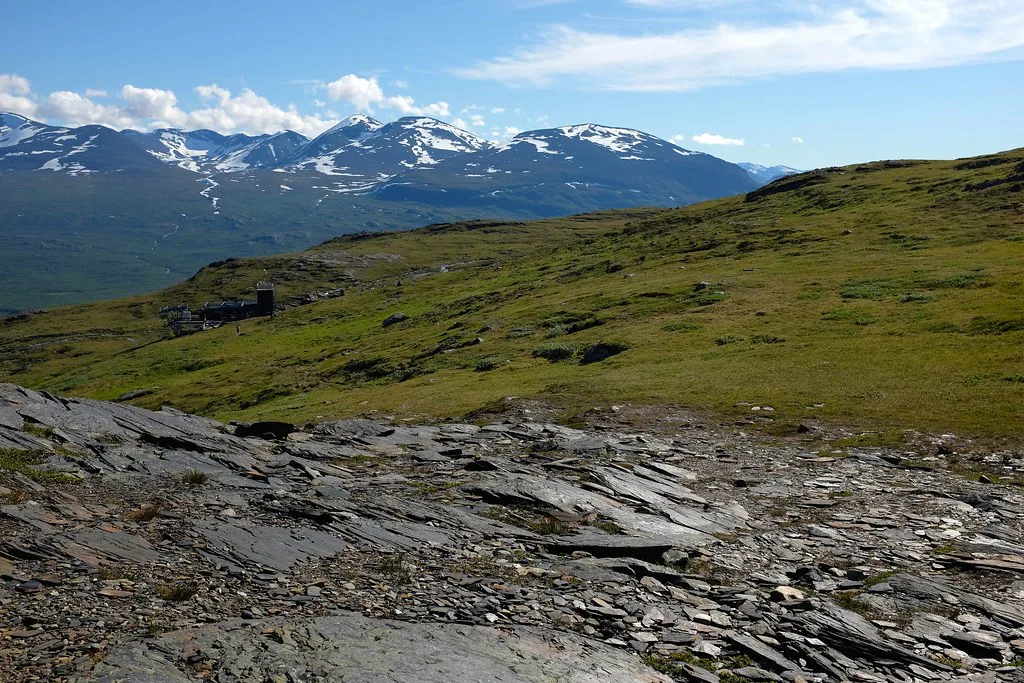
| Summer (Jun-Aug) | Midnight sun around midsummer | Cool to mild | Patchy on high ground | Hiking, photography |
| Autumn (Sep-Nov) | Shrinking fast | Frosty, turning cold | First snow arrives | Colours, quiet trails |
Winter Weather and Polar Night
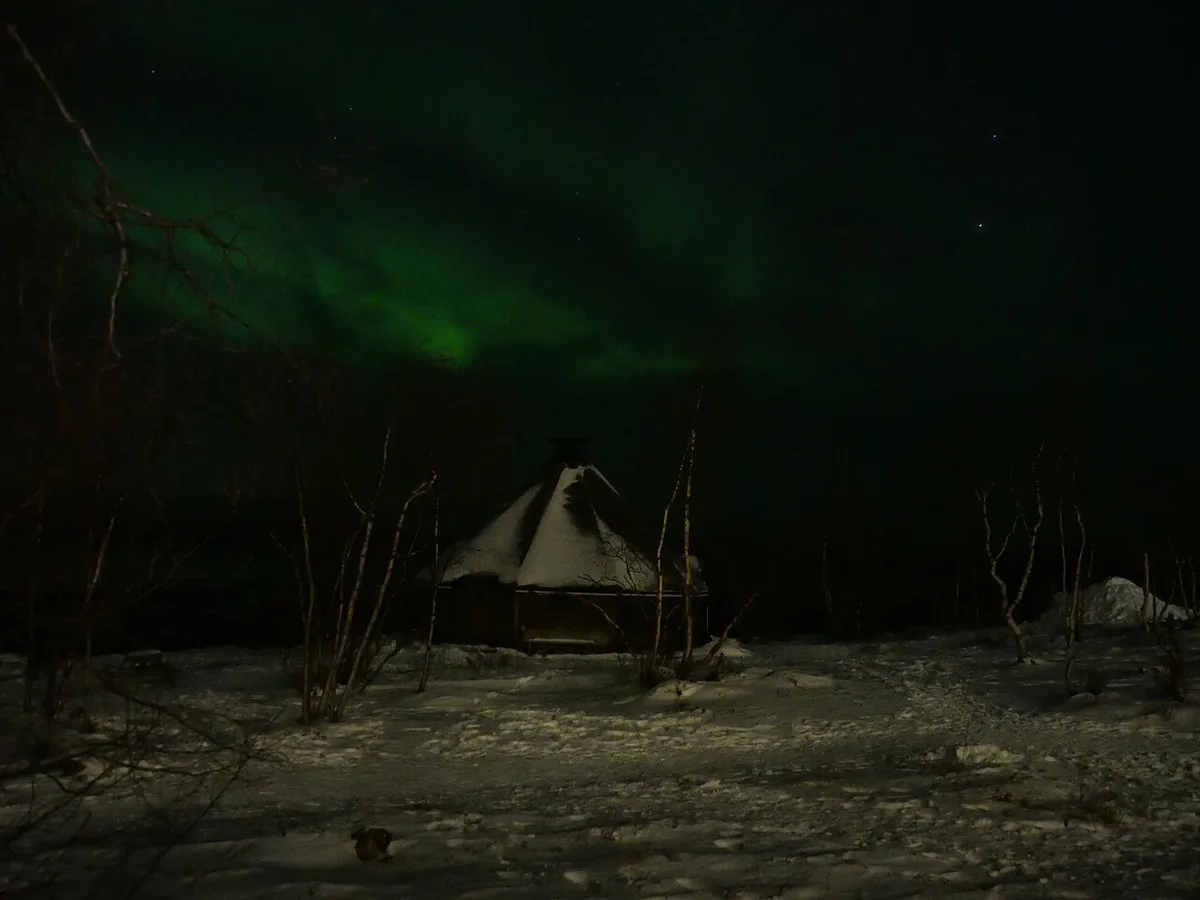
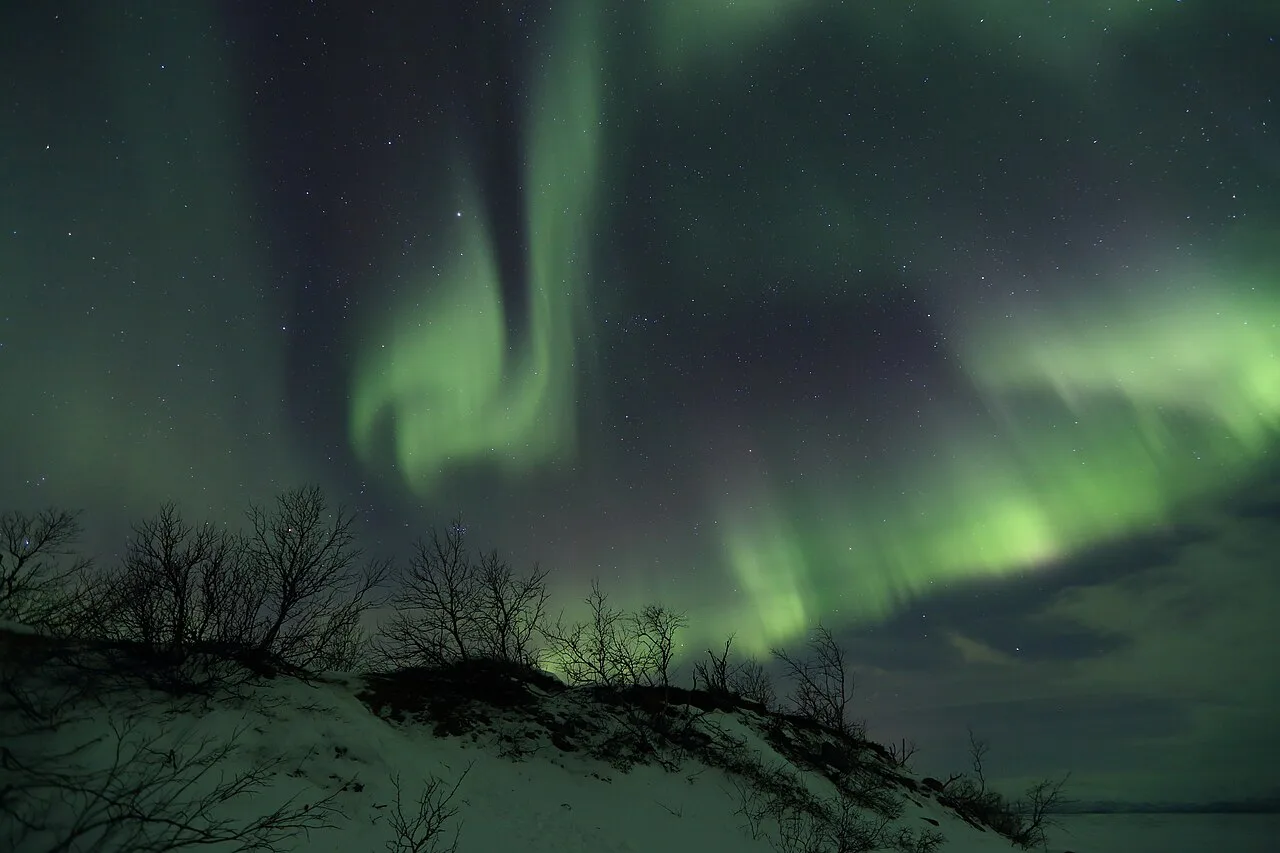
Midwinter brings the darkest weeks, and even late November leaves under 4 hours of daylight. Temperatures can fall to −15°C (5°F) in a forecast spell and lower with wind. Snow falls often, and days of light snow alternate with clear, still spells. Clear nights give the best aurora odds, so check cloud cover on the live forecast each evening. Abisko is often cited for relatively clear skies, but confirm the exact claim with local aurora operators. Daytime outings fit the short window of light, which suits winter things to do in Abisko.
Summer Weather and Midnight Sun
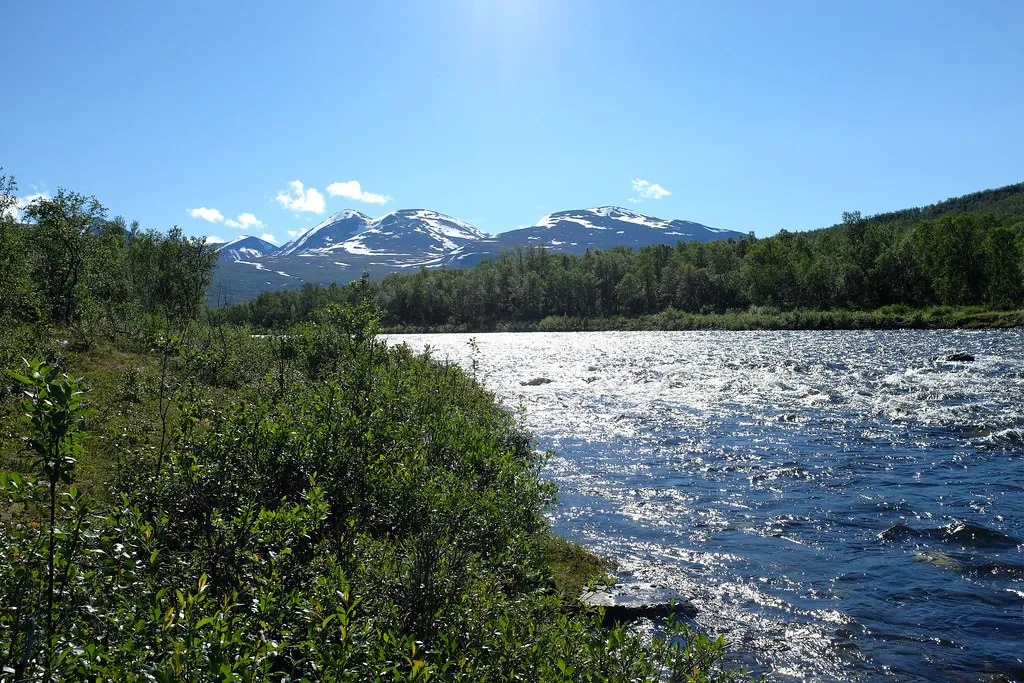
Summer trades darkness for near-continuous light around midsummer. Days are cool to mild, and mountain wind can still make ridges feel cold. Mosquitoes and other biting insects peak in the warm, still weeks, so pack a head net and repellent. Long evenings let you start Kungsleden sections late and still have light. Rain showers can arrive quickly, so carry a shell even on a clear morning.
Spring and Autumn Shoulder Seasons
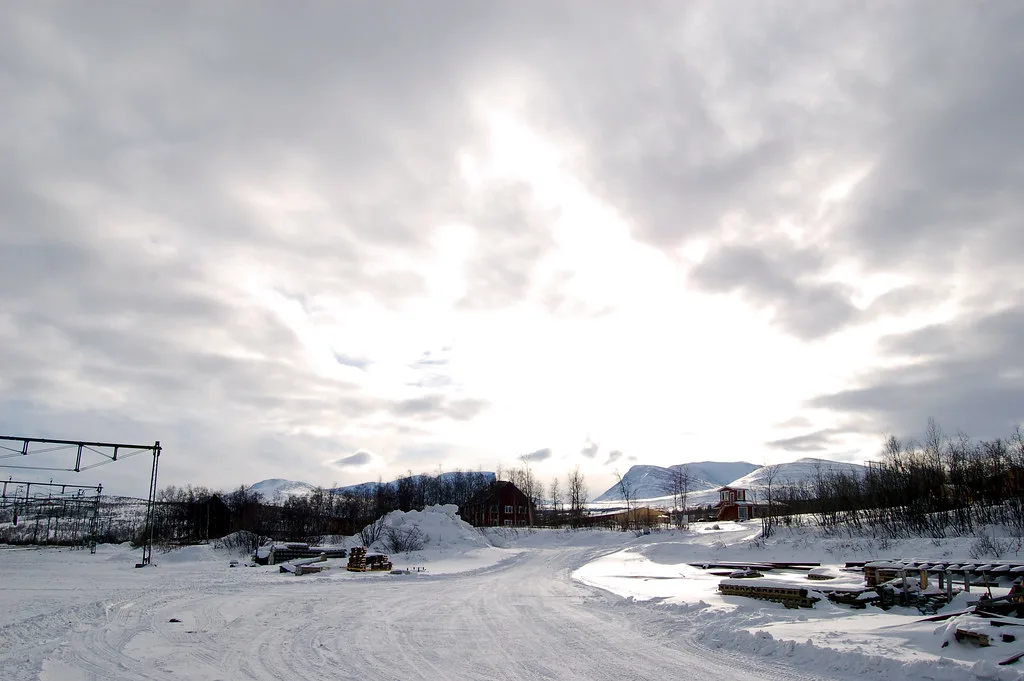
Spring brings strong light, melting snow and wide swings between sunny afternoons and frosty mornings. High trails can stay snow-covered while the valley thaws. Autumn brings red and gold tundra colours, early frosts and the first lasting snow by late in the season. Daylight shrinks by 5-6 minutes a day in late November, so plan hikes with a margin. Huts and services keep seasonal schedules, so check the STF Abisko Mountain Station page for dates. As a rough planning anchor in our editorial assessment, a room might sit near 900 kr in a quiet autumn week against 1500 kr in peak aurora winter. Treat those as indicative, and look up current rates on Abisko hotel listings. Prices and hours checked November 2026.
Budget-minded visitors can aim for shoulder months, where a room might sit near 900 kr in a quiet autumn week against 1500 kr in peak aurora winter.
Best Time to Visit Abisko by Goal
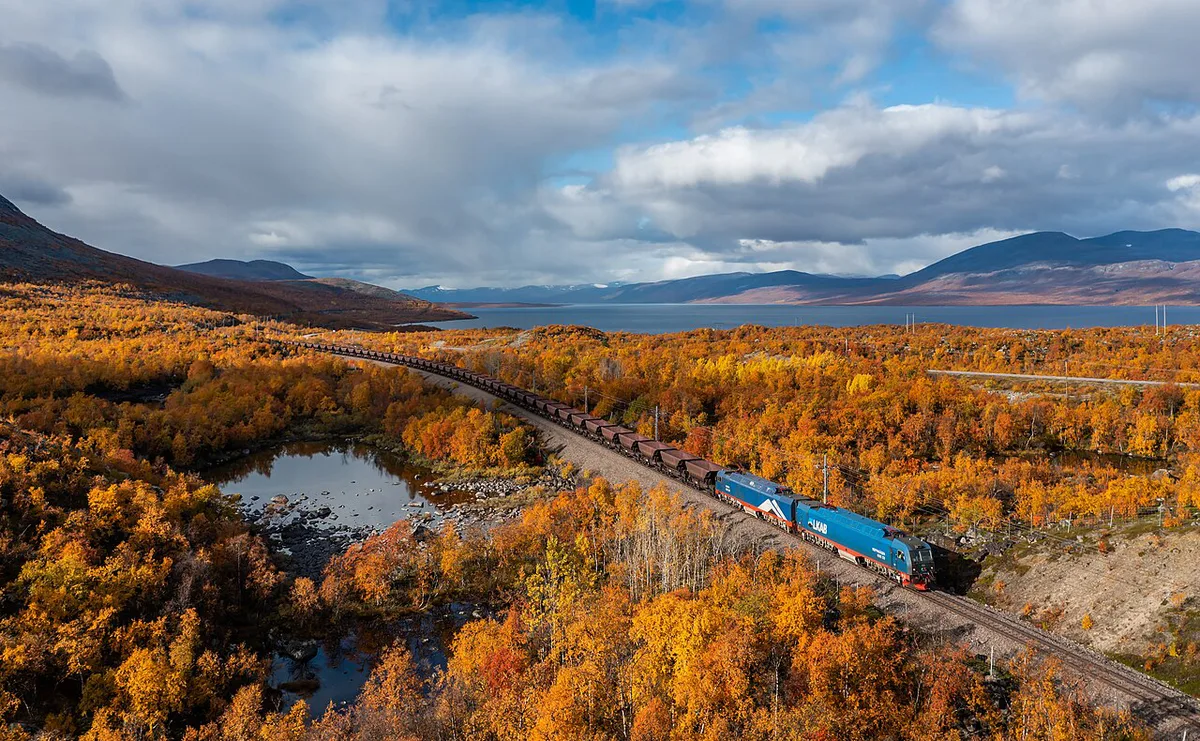
Pick the season by what you want to do. Aurora seekers should aim for dark, cold months with several nights in the plan, since clouds can block any single evening. Hikers should choose summer, when trails are clearest and light lasts. Skiers and snowshoers do best when snow is deep and days are lengthening. Photographers can choose midnight sun or the blue light of winter. Compare options in the 8 Best National Parks in Sweden: Choose by Season and Skill guide if climate decides your pick.
What to Pack and Common Mistakes
Layering beats one heavy coat. Pack a wool base layer, an insulating mid layer and a windproof shell. Add insulated boots, a headlamp and spare batteries, because winter days are short and cold drains them. Common mistakes are trusting one forecast for the whole stay, relying on a single app, and underestimating how short the days are. In summer, bring insect protection and waterproofs. In winter, add liner gloves and a face covering for wind.
How Weather Affects Getting There
Snow and wind can delay trains and slow roads in winter. Allow slack in your schedule, especially on arrival and departure days. Rail timetables and disruptions are listed by Vy, and our guide to getting to Abisko covers the routes. Build in a spare night if a flight connection depends on mountain weather.
Where to Check the Live Forecast
Use SMHI for the official forecast and warnings, and check it the evening before and the morning of any outing. Compare it with a second source for cloud cover when you are chasing aurora. The Abisko Map: Park, Trails & Which Map to Use helps you see how far trailheads and viewpoints sit from your lodging. For a regional overview, read our Sweden national parks guide.
Frequently Asked Questions
How cold does it get in Abisko?
Winter is cold, and one late-November forecast ran from about −4°C (25°F) to −15°C (5°F). Wind chill can make it feel colder. Check SMHI for the current outlook before you go.
When to see the northern lights in Abisko?
Aim for the dark months, from late autumn into March, when nights are long. Clear skies matter more than the exact date, so allow several nights in your plan.
Notes for your next park visit
Optional updates to our national park guides.
Read next
Keep planning
Picked from the same area